Ten films won Best Picture at the ceremonies held between 1990 and 1999. They include a road trip drama, a Western, a serial killer thriller, a Holocaust epic, and the biggest box office hit of its era. Few decades of Oscar winners cover that much ground.
Ranking them means comparing very different kinds of movies, so this list leans on craft, lasting influence, and how well each film holds up today. The years in parentheses are the film’s release year, not the ceremony year. The order runs from the weakest of the ten to the strongest.
10. Driving Miss Daisy (1989)
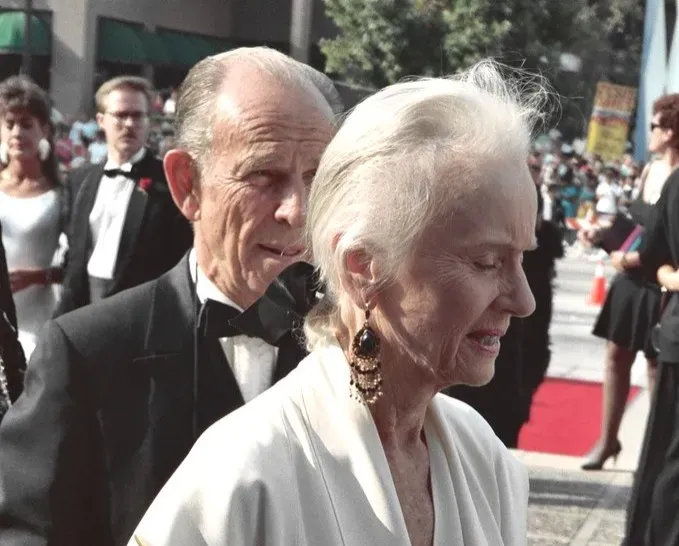
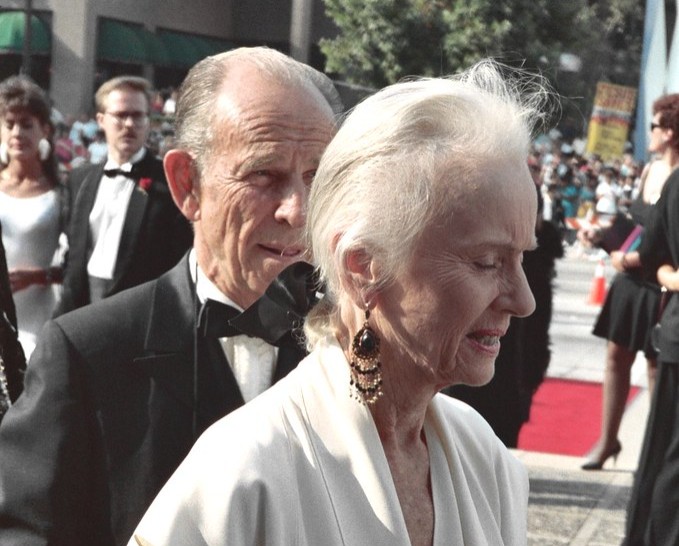
The film won Best Picture at the ceremony in March 1990. Jessica Tandy took Best Actress for playing an elderly Southern woman, and Morgan Freeman was nominated for Best Actor. It won four Oscars in total, including Best Adapted Screenplay for Alfred Uhry.
It lands at the bottom because its treatment of race and friendship feels gentle to the point of being safe. Bruce Beresford wasn’t nominated for Best Director, a snub people still bring up. The performances are lovely, but the film asks little of its audience.
9. Shakespeare in Love (1998)


This romantic comedy earned thirteen nominations and won seven Oscars. Gwyneth Paltrow won Best Actress, and Judi Dench won Best Supporting Actress for a performance of only a few minutes. It’s witty, warm, and very well written.
Its win is remembered mostly for the upset over Saving Private Ryan, which many critics thought was the stronger film. Miramax’s aggressive campaigning became part of the story. Taken on its own, the film is charming, though it feels lightweight next to the winners above it.
8. Braveheart (1995)

Mel Gibson directed and starred in this account of William Wallace, and it won five Oscars, including Best Director. The battle sequences were staged on a large scale and still hold attention. James Horner’s score adds real emotional pull.
Historians have long pointed out how loosely the film treats the historical record. The story leans hard on melodrama and familiar heroic beats. It’s entertaining and well made, but it plays more like a crowd pleaser than a great film.
7. The English Patient (1996)


Anthony Minghella’s adaptation of the Michael Ondaatje novel received twelve nominations and won nine Oscars. Juliette Binoche won Best Supporting Actress, and the film also took awards for cinematography and score. Its sweeping desert imagery is still striking.
Some viewers find the pacing slow and the romance a little distant. Still, the layered structure, which moves between past and present, was ambitious for a mainstream winner. It’s more admired than loved, which keeps it in the middle of the pack.
6. Dances with Wolves (1990)


Kevin Costner directed, produced, and starred in this Western, which won seven Oscars including Best Director. Its running time of roughly three hours in the theatrical cut made it a bold bet for a first time director. The landscape photography by Dean Semler is a highlight.
The film gave large speaking roles to Lakota language dialogue with subtitles, which was unusual for a studio production of that era. Critics today debate its white savior framing. It remains a sincere, handsome epic with real historical importance in the Western genre.
Partner offer

5. Forrest Gump (1994)

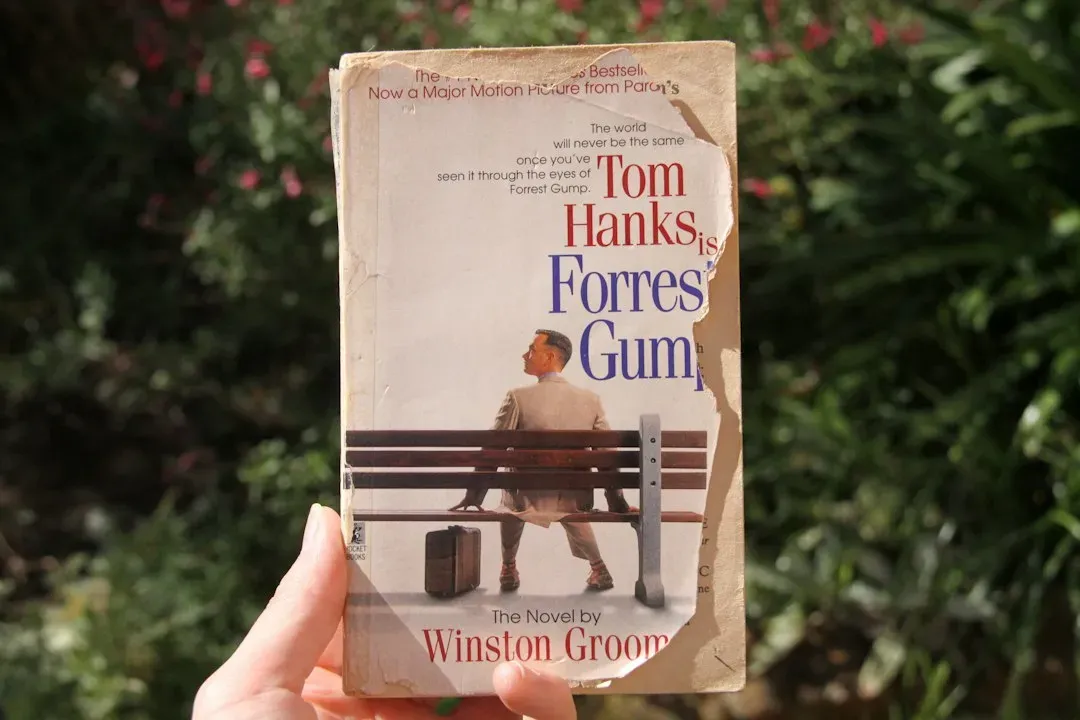
Robert Zemeckis’s film won six Oscars, and Tom Hanks won his second Best Actor award in a row after Philadelphia. It beat Pulp Fiction and The Shawshank Redemption for the top prize, a result people still argue about. The visual effects that placed Forrest in archival footage were groundbreaking at the time.
The film is sentimental, and some read its politics as too simple. Yet it connected with audiences on a huge scale and remains endlessly quotable. Its craft and Hanks’s performance keep it well within the top half.
4. Titanic (1997)


James Cameron’s epic earned fourteen nominations and won eleven Oscars, tying the record set by Ben-Hur. It was also the first film to pass one billion dollars at the worldwide box office. Few movies have combined technical scale and mass appeal so completely.
The dialogue isn’t its strongest element, and critics said so back then. However, the sinking sequence is a masterclass in large scale filmmaking, and the central romance works because the leads sell it. It has aged better than many expected.
3. Unforgiven (1992)

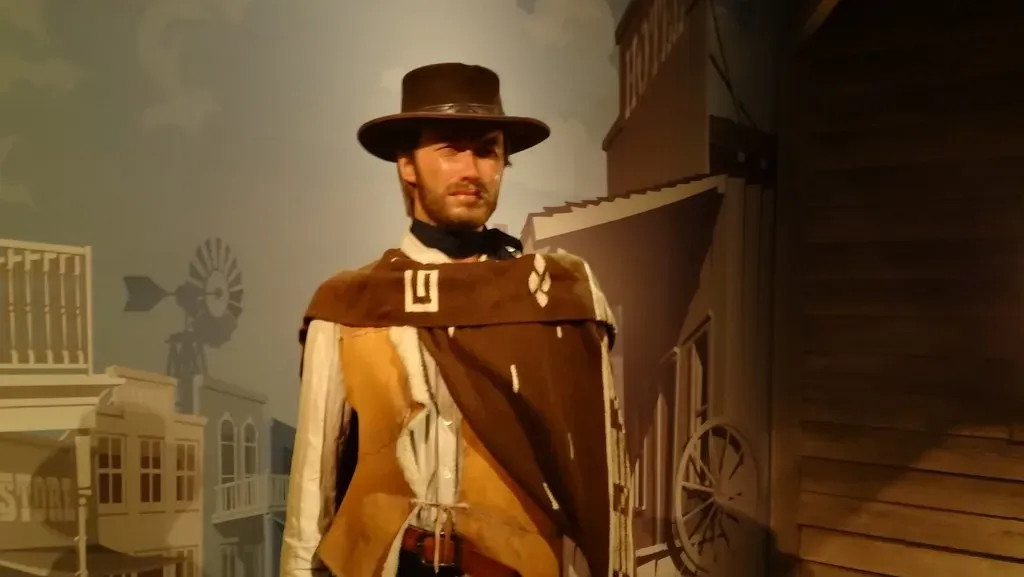
Clint Eastwood’s late career Western won four Oscars, including Best Director and Best Supporting Actor for Gene Hackman. Eastwood directed and starred as a retired gunfighter pulled back into violence. The film questions the myths that older Westerns built.
It’s quiet, bleak, and patient. The script by David Webb Peoples treats killing as something with a real cost. Many critics regard it as one of the finest Westerns ever made.
2. The Silence of the Lambs (1991)

Jonathan Demme’s thriller swept the top five Oscar categories: Picture, Director, Actor, Actress, and Adapted Screenplay. Only two films had done that before it, It Happened One Night and One Flew Over the Cuckoo’s Nest. Anthony Hopkins won Best Actor for a role with limited screen time, and Jodie Foster won Best Actress.
It is rare for a horror leaning thriller to win the biggest prize at all. The film builds dread through performance and framing rather than gore. More than three decades on, it’s still tense and remarkably controlled.
1. Schindler’s List (1993)

Steven Spielberg’s black and white drama about Oskar Schindler won seven Oscars, including his first Best Director award. John Williams won for the score, and Janusz Kamiński won for cinematography. Liam Neeson, Ben Kingsley, and Ralph Fiennes led a cast that handled a heavy subject with restraint.
The film treats the Holocaust with seriousness and avoids easy comfort. Its images, especially the sparing use of color, are among the most recognized in American cinema. It’s the strongest winner of the decade, and the one most likely to last.
The Full Order


From worst to best: Driving Miss Daisy, Shakespeare in Love, Braveheart, The English Patient, Dances with Wolves, Forrest Gump, Titanic, Unforgiven, The Silence of the Lambs, and Schindler’s List.
Partner offer
Planning a trip to Vegas?
Compare hotel rates and show tickets on VEGAS.com.