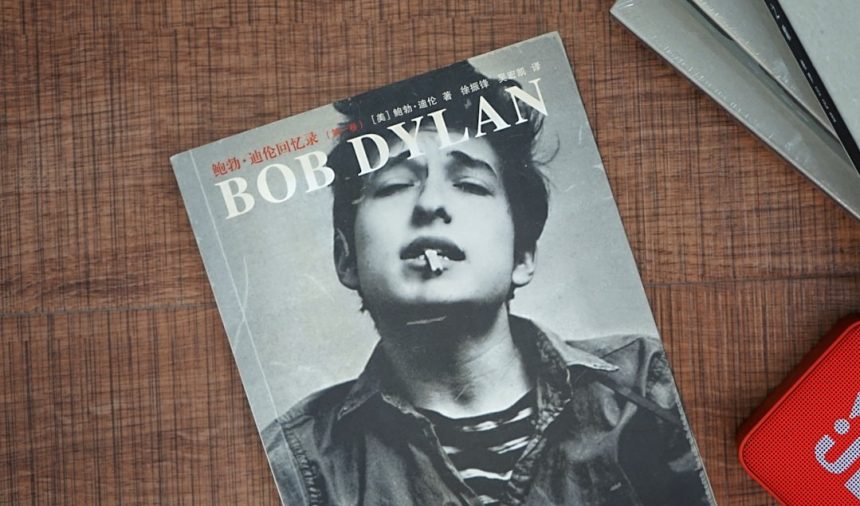
Careers in music rarely end quietly. More often they stall, get written off by critics, and then, sometimes decades later, roar back in ways nobody saw coming. The history of popular music over the last half century is full of these turnarounds, moments when an artist thought to be finished suddenly became the biggest story in the industry again. What follows is a look at some of the most remarkable examples, ranked by scale, cultural impact, and how unlikely each comeback actually was.
1. Santana’s Supernatural Rebirth (1999)
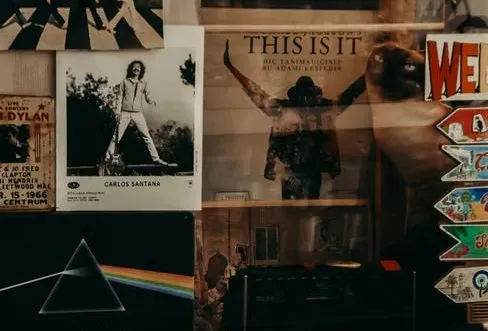
By the late 1990s, Carlos Santana was widely respected but commercially irrelevant, a guitarist people associated with Woodstock rather than the charts. He hadn’t released an album in seven years, and before Supernatural, Santana seemed more like a candidate for a lifetime achievement award than an artist who could sweep actual categories. Clive Davis, the executive who had originally signed him decades earlier, convinced him to pair his guitar work with younger stars like Rob Thomas and Lauryn Hill.
The gamble paid off beyond anyone’s expectations. Supernatural won nine trophies at the 42nd Grammy Awards, breaking the record held by Michael Jackson’s Thriller, and made Santana the first Hispanic artist to win Album of the Year. The album quickly became a number one hit and has since been certified fifteen times platinum. It remains one of the sharpest reversals of fortune in modern pop history.
2. ABBA’s Voyage Reunion (2021 to 2022)
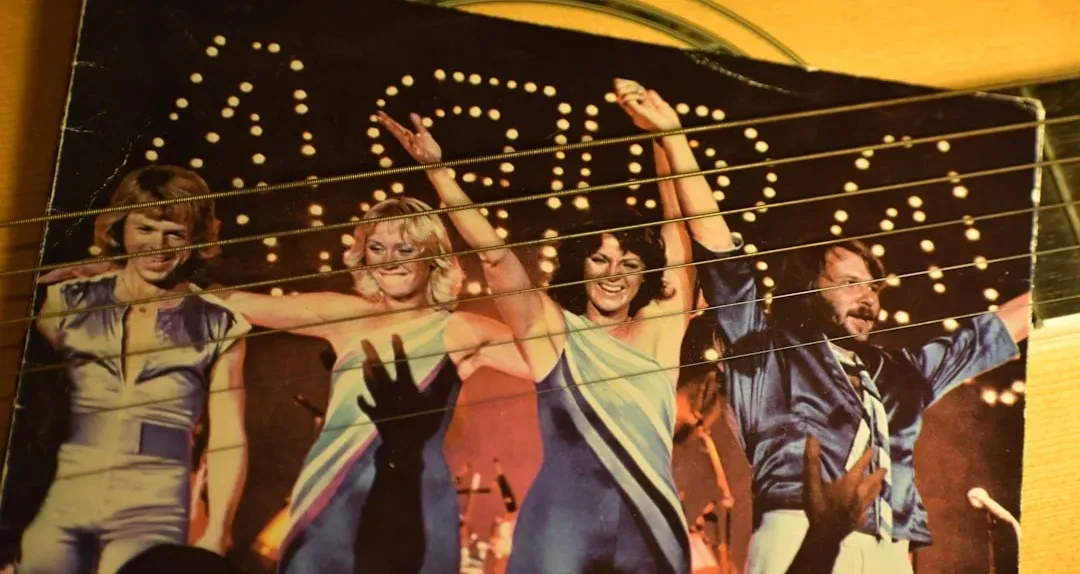
Few reunions carried more built up anticipation than ABBA’s. The Swedish band returned in one of the most anticipated comebacks in pop music history, with members having been apart for forty years since their 1981 album The Visitors. The group did not simply reunite for a farewell tour either; they built something entirely new around the idea of performing without physically being there.
Benny Andersson and Björn Ulvaeus wrote two new songs for the show and reunited with Agnetha Fältskog and Anni-Frid Lyngstad to record a new album, creating a spectacular comeback for the quartet that first achieved fame in 1974 with Waterloo. The digital concert experience, staged at a purpose-built London arena, became a genuine phenomenon. Anira, the holding company behind ABBA Voyage, reported 1.06 million tickets sold in 2024 alone, with shows averaging ninety percent occupancy.
3. Johnny Cash and the American Recordings Series
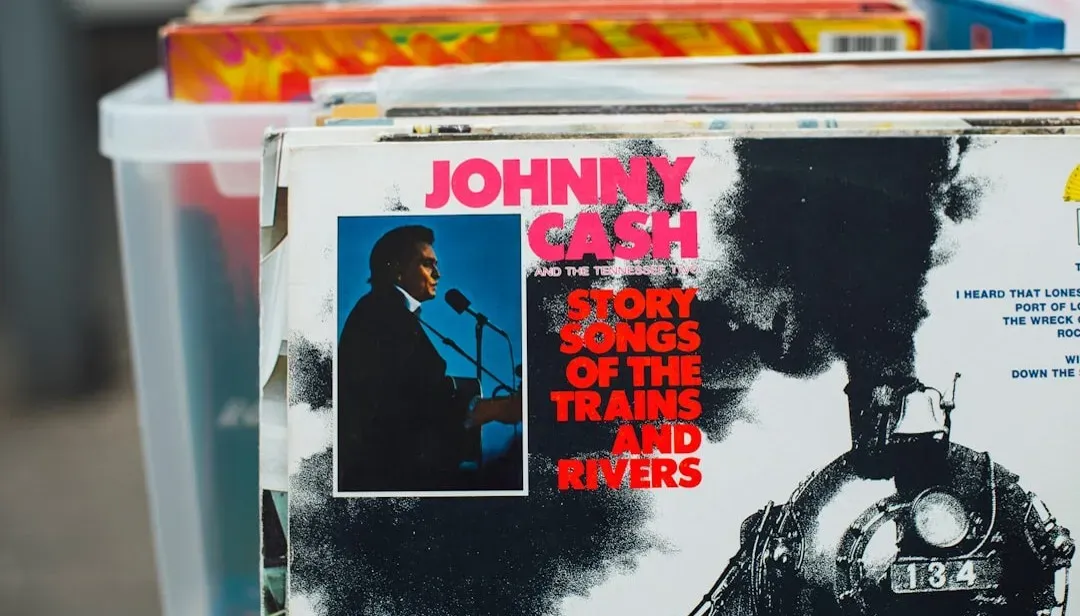
By the early 1990s, Johnny Cash had been dropped by his label and largely forgotten by mainstream radio, seen as a relic of an older country era. Producer Rick Rubin, better known for his work in rock and hip hop, approached Cash with a stripped-down concept: just his voice and a guitar, recorded in a living room rather than a polished studio. The resulting American Recordings album reintroduced Cash to a younger audience that had never paid attention to him before.
The series continued for years afterward, culminating in his haunting cover of Nine Inch Nails’ “Hurt,” which introduced Cash to MTV viewers decades after his commercial peak. Critics who had dismissed him as finished suddenly treated him as one of the most vital voices in American music again. It stands as one of the clearest examples of an artist finding new relevance not by chasing trends, but by stripping everything back to its rawest form.
4. Tina Turner’s Private Dancer Breakthrough
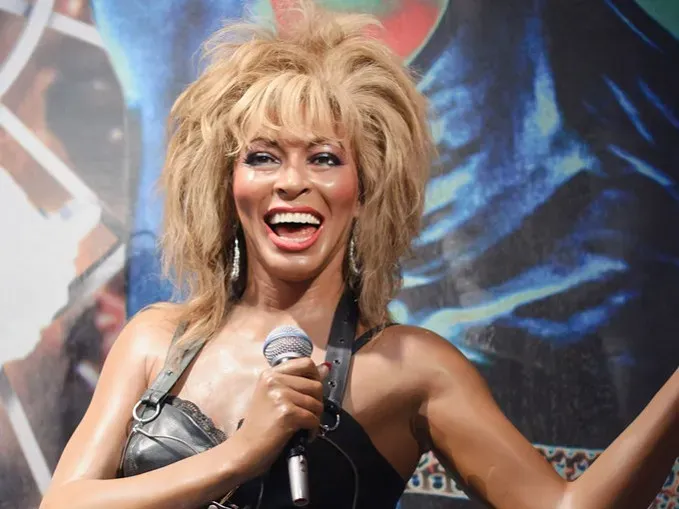
Tina Turner spent much of the late 1970s and early 1980s struggling financially and professionally after her split from Ike Turner, playing small clubs and cabaret circuits just to survive. Few in the industry believed she had another commercial act left in her. That changed dramatically in 1984 with Private Dancer, an album that repositioned her as a solo rock and pop force rather than a nostalgia act.
The single “What’s Love Got to Do with It” became a massive global hit and won her multiple Grammy Awards, cementing a transformation that felt almost improbable given where she had been just a few years earlier. Turner’s comeback became a template for resilience in the music business, proof that a career considered over by industry insiders could be completely rebuilt through the right material and timing. It remains one of the most cited examples of personal reinvention in popular music.
5. Fleetwood Mac’s Reunion Tour
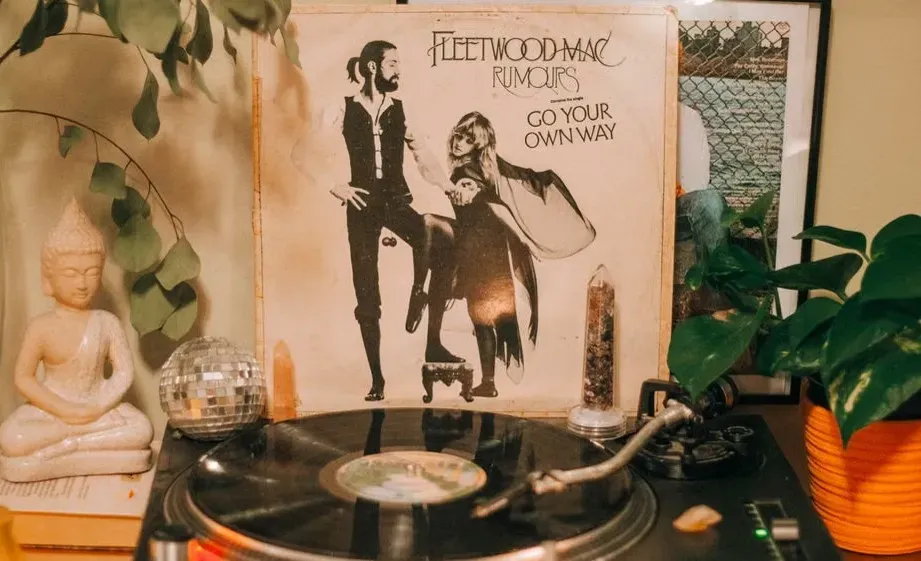
Fleetwood Mac’s internal drama in the late 1970s and 1980s was as famous as their music, and by the early 1990s the band had effectively disbanded in its classic form. Members pursued solo careers with mixed success, and reunions seemed unlikely given the personal history involved. Yet in 1997, the classic lineup came back together for The Dance, a live album and tour that reminded audiences why their chemistry had been so powerful in the first place.
The reunion proved commercially durable well beyond a single tour, with the band continuing to reunite periodically over the following two decades. Their later tours consistently ranked among the highest grossing of their respective years, demonstrating that audiences had not moved on from the songs even if the band members had moved on from each other personally. Few reunions have managed to balance nostalgia and genuine musical quality as consistently as theirs did.
6. Bob Dylan’s Time Out of Mind
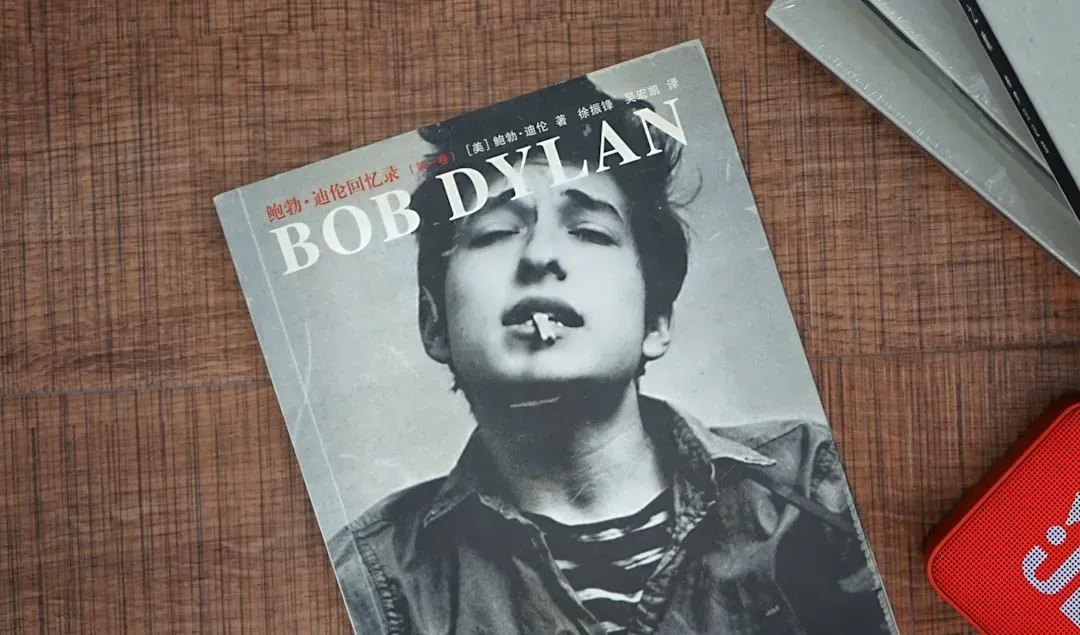
By the mid-1990s, Bob Dylan had gone through a lengthy stretch where critics and casual listeners alike questioned whether he still had anything meaningful to say. His albums throughout the late 1980s and early 1990s had been met with indifference. Then in 1997 came Time Out of Mind, a dark, weathered record produced by Daniel Lanois that sounded like nothing he had made before.
The album won the Grammy for Album of the Year and is widely credited with launching what critics now call his late period renaissance, a stretch of work that continued for decades afterward. It reframed Dylan not as an oldies act coasting on his 1960s reputation, but as a songwriter still capable of surprising his audience. The comeback mattered less for its chart numbers than for restoring critical respect that had genuinely eroded.
Partner offer
7. Whitney Houston’s I Look to You
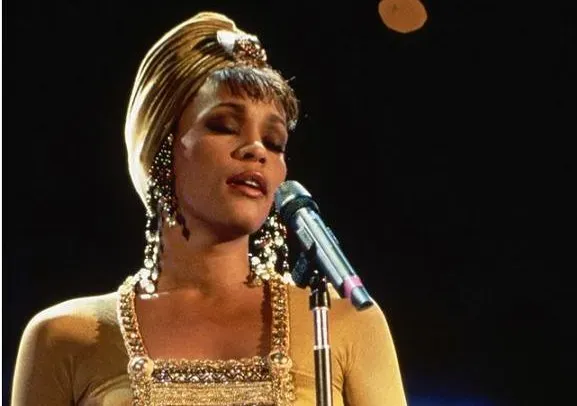
Whitney Houston’s struggles with substance abuse and personal turmoil throughout the 2000s were tabloid fixtures, and by the time she released I Look to You in 2009, many wondered whether her voice had been permanently damaged. The album’s release felt less like a typical comeback and more like a genuine test of whether she could still perform at the level that made her famous. Early reception was largely positive, with the title track and lead single showing that her vocal power, while changed, remained real.
Commercially, the album debuted strongly, proving that audience goodwill toward her had not disappeared despite years of difficult headlines. It did not fully restore her to the commercial peak of the 1980s and early 1990s, and her comeback was cut short by her death in 2012, but the album stands as a meaningful chapter in her story rather than a footnote. It remains a reminder that comebacks are not always about matching past glory, sometimes they are simply about proving survival.
8. Aerosmith’s Permanent Vacation Era

Aerosmith spent much of the early 1980s battling internal conflict and substance abuse problems that nearly ended the band entirely, with several members leaving and rejoining amid the chaos. Their commercial standing had collapsed to the point where major labels showed little interest in new material. The band’s decision to get sober and reunite with their classic lineup in the mid-1980s set the stage for one of rock’s more dramatic turnarounds.
Permanent Vacation in 1987, followed by Pump in 1989, reintroduced Aerosmith to MTV era audiences who had no memory of their 1970s peak. The band successfully bridged two very different generations of rock fans, something few of their peers managed as smoothly. Their subsequent decades of consistent touring and hit singles made their recovery one of the longest sustained comebacks in rock history rather than a brief resurgence.
9. Cher’s Believe Reinvention
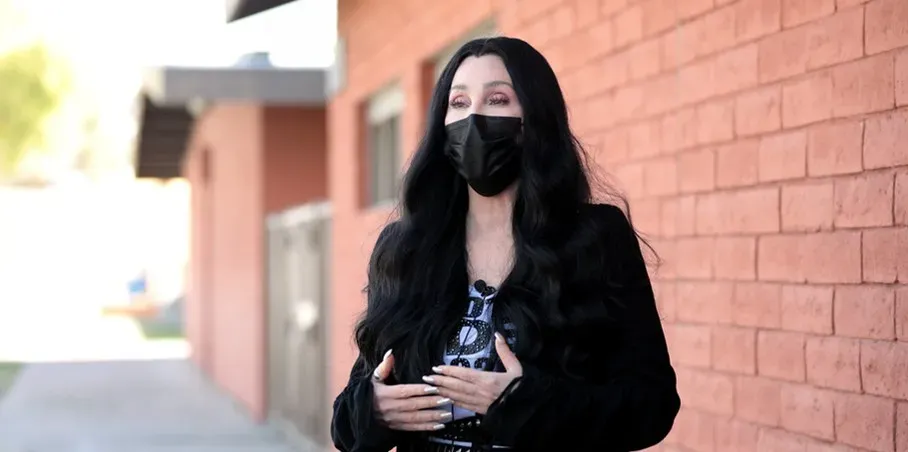
By the mid-1990s, Cher’s recording career had gone quiet for several years, and industry expectations for a new album were modest at best. Nothing suggested she would return with a sound that reshaped pop production for years afterward. “Believe,” released in 1998, used pitch correction technology in a way that had never been so audibly embraced before, creating a distinctive robotic vocal effect that became instantly recognizable.
The song became a massive global hit and is frequently credited with popularizing the vocal effect that would later become a staple across pop and hip hop production. Cher, already decades into her career at that point, suddenly found herself at the center of a genuinely new sound rather than trading on nostalgia. It remains one of the more unlikely examples of an older artist accidentally shaping the future of pop production.
10. Adele’s Return After 21
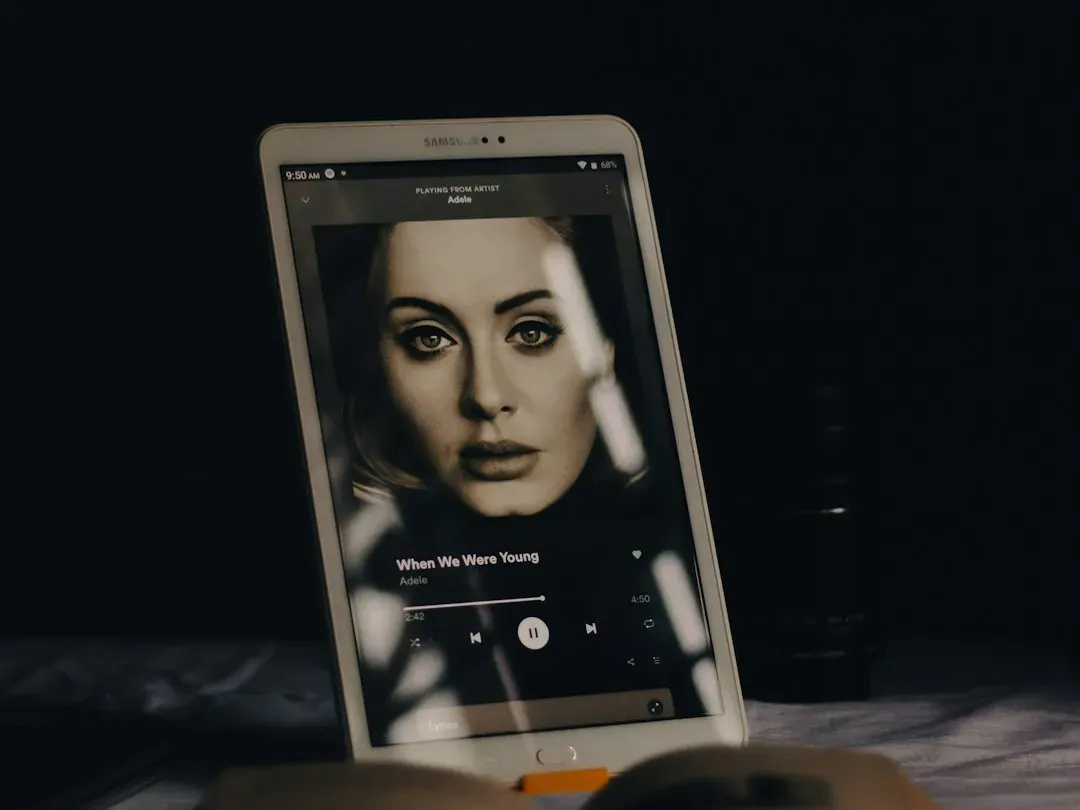
Adele’s disappearance from public life following the massive success of 21 in 2011 created years of speculation about whether she would ever record again, particularly after she became a mother and stepped back from the spotlight almost entirely. When “Hello” arrived in 2015 as the lead single from 25, it became one of the fastest selling singles in music history and reintroduced her to an audience that had spent years wondering if she was finished with music altogether. The album that followed sold at a pace rarely seen in the streaming era, proving that physical and digital album sales could still move in enormous numbers when the right artist returned at the right moment.
Her subsequent return with 30 in 2021, following another lengthy gap tied to her divorce, showed the pattern was not a one time event but a genuine career rhythm built on absence and reappearance. Each comeback arrived with less commercial certainty than the last, yet each one delivered anyway. Adele’s career has effectively turned the comeback into a recurring and expected part of her artistic identity rather than a rare event.
Final Thoughts

What ties these stories together is not luck, though timing certainly played a role in several of them. Most of these artists made a deliberate choice to change something fundamental, whether that meant stripping their sound down, embracing new collaborators, or simply proving they could still deliver after years of doubt. The music industry has a short memory for artists who go quiet, but as these examples show, it also has room for genuine surprise when someone returns with something worth hearing again.
Partner offer
Planning a trip to Vegas?
Compare hotel rates and show tickets on VEGAS.com.