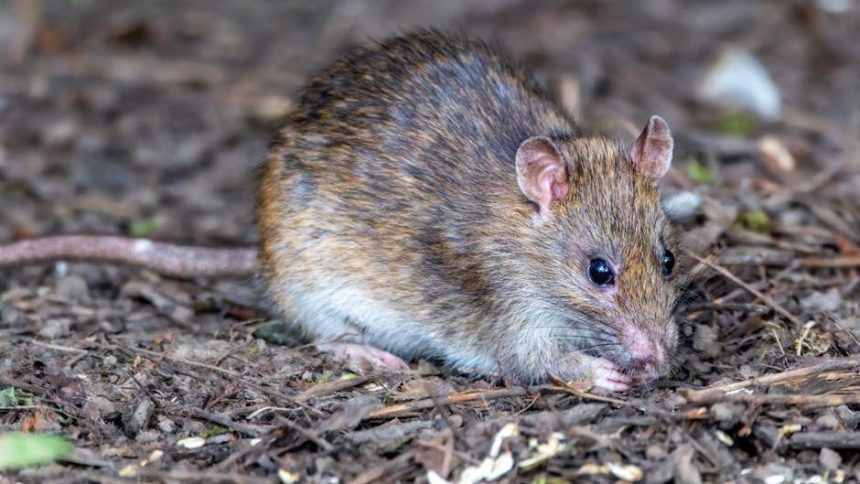
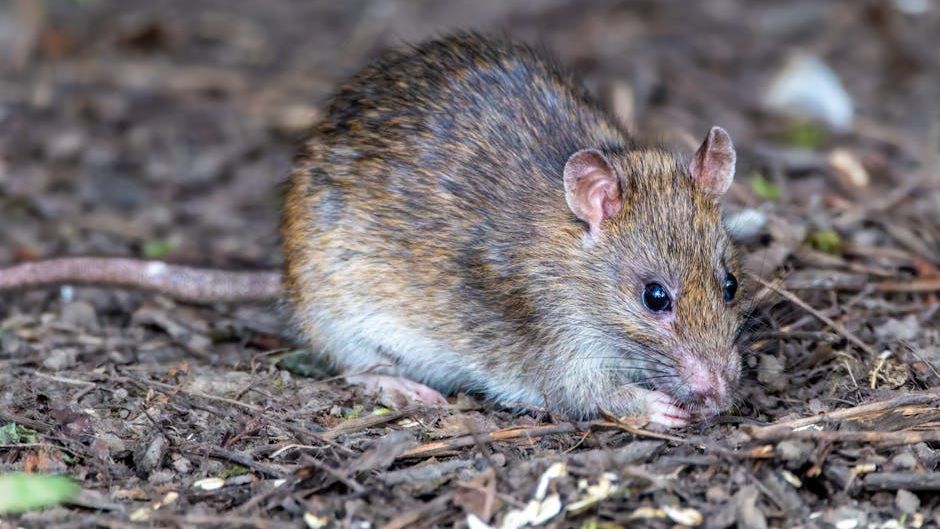

What is hantavirus? What we know about the fatal cruise ship outbreak – Image for illustrative purposes only (Image credits: Pexels)
Cape Verde – Authorities confirmed one case of hantavirus among passengers on the MV Hondius, an expedition vessel anchored off Praia, as three travelers succumbed to a suspected outbreak during a transatlantic voyage.[1][2] The incident, unfolding over three weeks, prompted medical evacuations and docking restrictions, highlighting the virus’s unexpected appearance in a confined maritime setting typically plagued by more common ailments like norovirus.
A Timeline of Tragedy at Sea
The ordeal began when a Dutch man fell ill and died on April 11 aboard the MV Hondius, operated by Oceanwide Expeditions.[1] His wife developed symptoms during the return leg from Ushuaia, Argentina, and passed away shortly after, with her body removed at St. Helena on April 24. A German passenger died on May 2, marking the third fatality.
Separately, a 69-year-old British man tested positive for a hantavirus variant after evacuation to Johannesburg, South Africa, where he remained in intensive care.[1] Two crew members – one British and one Dutch – reported acute respiratory issues, though tests on them were pending. The ship, carrying about 150 passengers and crew, had reached Cape Verde waters when local officials barred disembarkation to safeguard island residents.
Understanding Hantavirus: A Rodent-Borne Threat
Hantaviruses, carried by rodents such as rats and mice, spread primarily through inhalation of airborne particles from contaminated urine, droppings, or saliva.[2][3] Infections remain rare globally, with cases tied to rural or enclosed exposures rather than crowded voyages. In the Americas, strains like the Andes virus can occasionally transmit person-to-person, though this remains exceptional.[4]
Symptoms emerge one to eight weeks post-exposure, starting with flu-like fever, chills, muscle aches, and headaches before escalating to severe respiratory distress as lungs fill with fluid – a condition known as hantavirus pulmonary syndrome.[2] Fatality rates hover around 35 percent for this form, with no specific antiviral treatment available; care focuses on oxygen support and symptom management.[3]
Partner offer

- Early phase: Mimics influenza, complicating initial diagnosis.
- Progression: Chest tightness, coughing, shortness of breath.
- Regional variants: Pulmonary syndrome prevalent in the U.S. Southwest; kidney-focused forms common in Asia and Europe.
Mystery Surrounds Transmission on the MV Hondius
Operators reported no rodents aboard, fueling questions about how the virus infiltrated the 353-foot polar ship.[1] Possible sources include port stops or pre-departure contamination from Argentina, where rodent populations carry relevant strains. Person-to-person spread, while rare, warrants investigation given the shared air and surfaces.
WHO Regional Director Dr. Hans Henri P. Kluge emphasized the low interpersonal risk: “Hantavirus infections are uncommon and usually linked to exposure to infected rodents… The risk to the wider public remains low.”[1] Microbiologist Siouxsie Wiles noted the lengthy incubation could mean additional cases ahead, urging vigilance over coming weeks.
| Status | Cases | Details |
|---|---|---|
| Confirmed Hantavirus | 1 | British passenger in South Africa ICU |
| Suspected | 5 | Includes three deaths, two crew illnesses |
| Fatalities | 3 | Dutch couple, German passenger |
Global Response and Path Forward
The World Health Organization coordinated with South African and Cape Verdean authorities, facilitating the British patient’s transfer while arranging potential flights to Europe or sail to the Canary Islands for the rest.[1] Onboard protocols ramped up isolation and hygiene, with passengers reporting calm amid uncertainty. Cape Verde’s health institute prioritized local protection, delaying full disembarkation.
South Africa’s Health Minister Aaron Motsoaledi described supportive care for the confirmed case: “Hantavirus, like all viruses, don’t have any specific treatment, so they are giving symptomatic treatment and support.”[1] Laboratory sequencing continues to pinpoint the strain and transmission chain.
Lessons for Travelers and Health Watchdogs
This episode underscores hantavirus’s persistence despite rarity, echoing past clusters like the 1993 U.S. Four Corners outbreak.[2] Prevention hinges on rodent control: sealing entry points, proper cleanup with disinfectants, and avoiding disturbed dust in cabins or holds. Cruise lines may now scrutinize pest management more rigorously for expedition routes.
As investigations deepen, the MV Hondius saga serves as a stark reminder that even remote seas carry hidden health perils. With risks contained and evacuations underway, focus shifts to supporting those aboard and preventing echoes elsewhere.
Partner offer
Planning a trip to Vegas?
Compare hotel rates and show tickets on VEGAS.com.