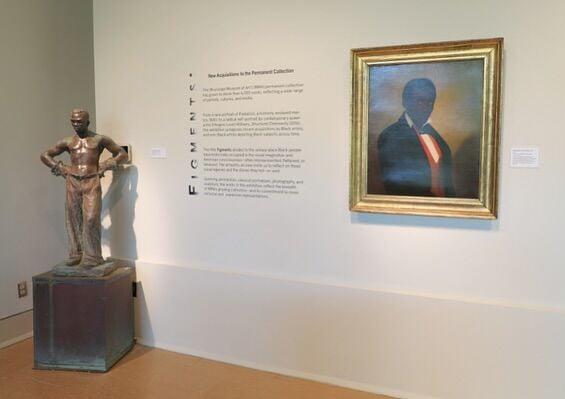
Mississippi Museum of Art Presents Unprecedented Exhibition of Enslaved Mississippians’ Portraits
Historic Display of Enslaved Mississippians’ Portraits Sheds New Light on Forgotten Lives
The Mississippi Museum of Art has launched a landmark exhibition featuring an extraordinary collection of portraits portraying enslaved individuals from Mississippi. For the first time, these seldom-seen images—drawn from private archives and collections—are united in a single showcase, offering a profound and intimate perspective on the lives and identities of those historically marginalized. This exhibition not only confronts entrenched narratives surrounding slavery but also celebrates the dignity,resilience,and individuality of these men and women through compelling visual storytelling.
The artworks encompass diverse mediums such as oil paintings, charcoal sketches, and early photographic techniques, each piece revealing unique personal and cultural dimensions. Noteworthy elements include:
- Antebellum-era portraits that meticulously capture clothing details and facial expressions
- Rare family groupings that illuminate the bonds and social structures within enslaved communities
- Works by both identified and anonymous artists, enriching the historical narrative beyond mere data
| Title | Year | Medium | Source |
|---|---|---|---|
| The Johnson Family | 1847 | Oil on Canvas | Private Collection, Natchez |
| Young Laborer | 1862 | Photograph (Albumen Print) | Mississippi State Archives |
| Seated Woman with Child | 1855 | Charcoal Drawing | Mississippi Museum of Art |
Revealing Individual Narratives Through Visual History
Each portrait in this collection serves as a gateway to rediscovering the personal stories of enslaved Mississippians, transforming anonymous faces into vivid testimonies of endurance and identity. These images, rescued from obscurity in private holdings and historical archives, provide a rare opportunity to engage with the lived experiences of individuals whose stories have often been erased or simplified.
The exhibition excels in connecting audiences with these narratives by emphasizing:
Partner offer

- Genuine Emotional Depth: Capturing nuanced expressions and personal styles that defy the typical faceless portrayals of enslaved people.
- Contextual Backgrounds: Informative captions and historical notes that enrich understanding of each subject’s life circumstances.
- Community and Kinship: Highlighting familial and social ties within enslaved populations, underscoring their resilience and solidarity.
| Artifact Type | Period | Origin |
|---|---|---|
| Daguerreotypes | 1840s–1860s | Mississippi Plantations |
| Albumen Photographs | 1870s–1890s | Private Family Archives |
| Tintype Portraits | 1880s–1900s | Regional Historical Societies |
Innovative Curatorial Practices to Honor Enslaved Ancestors
The curatorial team at the Mississippi Museum of Art has embraced pioneering strategies that prioritize respect, depth, and authenticity in presenting the lives of enslaved Mississippians. By centering rare photographic portraits, the exhibition humanizes individuals who were historically anonymized, fostering a meaningful connection between modern viewers and these ancestors. The curators complement the visual elements with rich narratives, archival documents, and oral histories, offering a multifaceted understanding of each person’s story and legacy.
Key curatorial approaches include:
- Engagement with Descendant Communities: Collaborating closely with descendants to ensure accurate and respectful representation.
- Thoughtful Exhibition Design: Crafting reflective gallery spaces that invite contemplation and dialog.
- Thorough Educational Initiatives: Hosting lectures,workshops,and guided tours that deepen historical awareness and empathy.
- Clear Acknowledgment: Openly addressing gaps in provenance and the complexities of representing enslaved individuals.
| Curatorial Strategy | Objective | Effect |
|---|---|---|
| Community Collaboration | Incorporate descendant perspectives | Enhances authenticity and respect |
| Reflective Spatial Design | Foster visitor introspection | Encourages emotional connection |
| Educational Programming | Expand historical knowledge | Empowers and informs visitors |
| Open Provenance Disclosure | Address historical gaps candidly | Builds institutional trust |
Strategies to Enhance Accessibility and Educational Impact
To maximize the reach and influence of exhibitions like this, museums should invest in mobile and pop-up exhibits that bring these vital stories to underserved and remote communities. This approach democratizes access, allowing those unable to visit customary museum venues to engage with these powerful works. Additionally, leveraging digital innovations such as virtual reality experiences and interactive online platforms can extend the exhibition’s impact globally, offering immersive educational opportunities that complement the physical display.
Collaborations with educational institutions and cultural organizations are essential to develop curriculum-aligned programs and workshops that resonate with diverse audiences. The following model outlines effective outreach initiatives designed to balance engagement,accessibility,and historical integrity:
| Outreach Initiative | Audience | Methodology | Anticipated Benefits |
|---|---|---|---|
| School Partnership Programs | Secondary Education Students | Integrated lesson plans combined with museum visits | Fosters empathy and critical historical thinking |
| Community Lecture Series | Local Communities | Expert presentations followed by interactive discussions | Enhances public awareness and dialogue |
| Virtual Workshops | Global Participants | Live webinars and digital learning materials | Expands accessibility and engagement worldwide |
Final Thoughts
The Mississippi Museum of Art’s exhibition of these rare portraits represents a pivotal step in honoring the lives and legacies of enslaved Mississippians.By bringing these images into public view, the museum not only enriches understanding of Mississippi’s complex past but also sparks vital conversations about race, identity, and collective memory. Visitors are invited to reflect on the resilience and humanity captured in these portraits, fostering a deeper appreciation for the individuals who endured slavery and whose stories continue to shape our shared history.
Partner offer
Planning a trip to Vegas?
Compare hotel rates and show tickets on VEGAS.com.