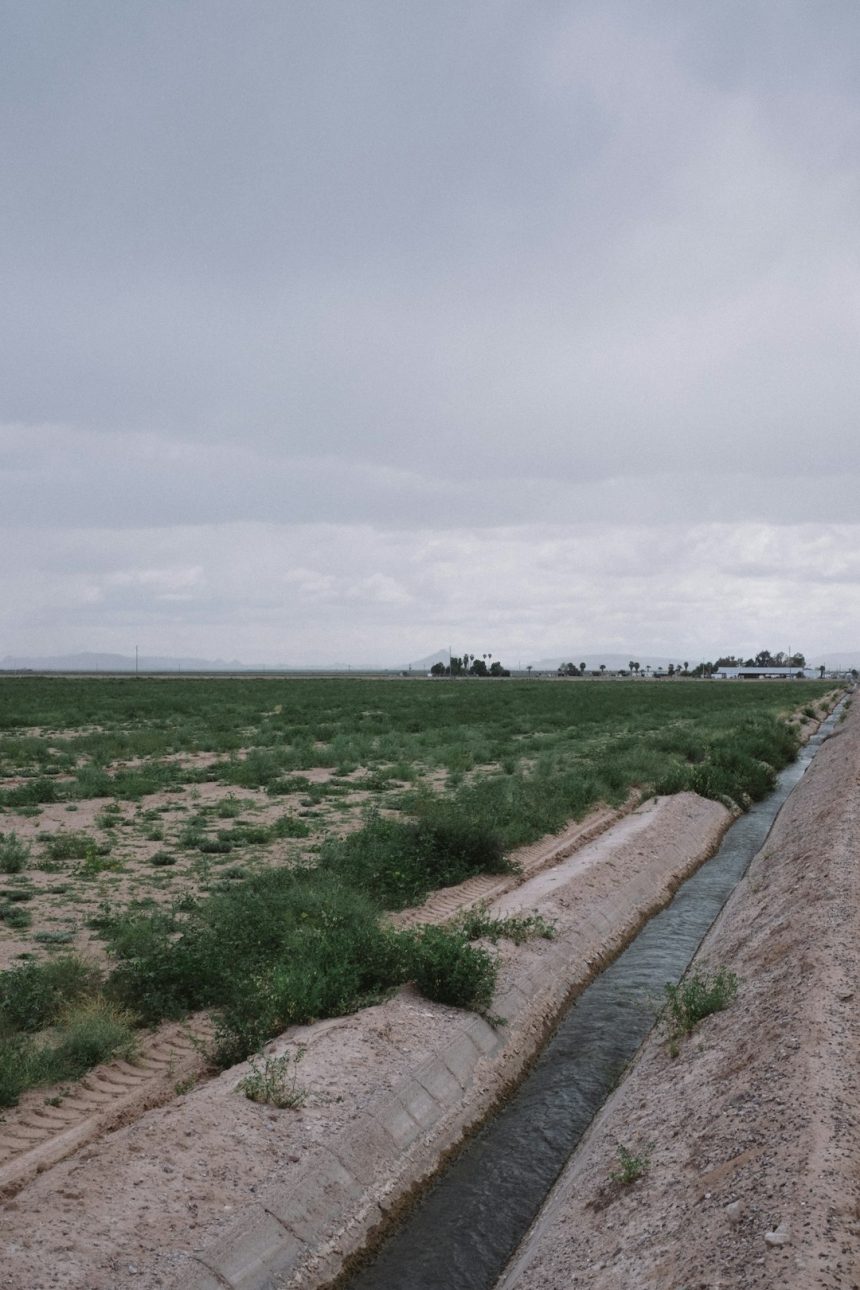


Farm Work Takes an Indoor Turn (Image Credits: Unsplash)
Tulare County – A series of spring storms has shifted daily operations for farmers across this key agricultural region in California’s San Joaquin Valley. Growers now spend rainy days handling paperwork instead of fieldwork, yet their orchards stand to gain from the moisture. Local experts note that while short-term disruptions occur, the precipitation delivers clear advantages for crop health and resource management.[1][2]
Farm Work Takes an Indoor Turn
Farmers in Tulare County adjusted quickly to the wet conditions brought by the latest storm system. Chris Chesser, a grower with C & C Agriculture, used the downtime to tackle administrative tasks. He observed that such weather alters the typical farm rhythm, allowing focus on behind-the-scenes duties.
These interruptions highlight the adaptability required in agriculture. Fields become too muddy for heavy equipment or foot traffic during heavy rains. Still, growers view the pause as an opportunity rather than a setback.[1]
Crops Thrive Under Natural Nourishment
Trees in local orchards absorbed the rainwater effectively during the storms. Chris Chesser explained, “Trees love the rain water.” The precipitation washed away accumulated dirt and dust from leaves, enhancing photosynthesis.
This cleaning process supports larger fruit sizes and better nutrition, according to Chesser. “Cleaning off the dirt and the dust helps for photosynthesis for the tree leaves and to help promote fruit production size and nutrition,” he said. Such benefits prove especially valuable in a region where water management remains critical.[1][2]
Irrigation Costs Drop with Every Inch
The rains offered immediate financial relief by reducing the need for artificial watering. Chesser estimated savings ranging from a few hundred dollars up to thousands, depending on farm size. “It saves us a couple hundred to hundreds of dollars on irrigation costs if not a thousand depending on your acreage size,” he noted.
“So the less I have to irrigate the more we save financially,” Chesser added. The Tulare County Farm Bureau assessed that the storm system would not significantly alter groundwater levels or long-term irrigation needs. These short-term gains help stabilize operations amid fluctuating water availability.[1]
Broader Effects on Air and Visibility
The storms influenced more than just farms. The San Joaquin Valley Air Pollution Control District reported that incoming rain systems, paired with wind, can disperse stagnant air. This action lifts the inversion layer often trapping pollutants in the valley.
Residents enjoyed clearer views of the Sierra Nevada mountains and their fresh snow cover post-storm. Chesser appreciated the visual change: “It clears our skies, it makes the following morning and sunrise so much more beautiful… But you can see the mountains and the snowcapped hills after a rainfall, unlike during the summer months.” Such episodes remind locals of the interconnectedness of weather, agriculture, and environment.
Looking Ahead to Snowpack Support
Valley farmers depend heavily on Sierra snowpack for sustained water through dry summers. Recent storms contributed to that vital reserve, bolstering optimism for the season ahead. Chesser emphasized this reliance as a cornerstone of long-term planning.
While the current rains provided direct aid, the accumulated mountain snow promises steadier supplies later. Growers monitor these developments closely to guide planting and irrigation decisions.
Key Takeaways
- Rainfall cleans tree leaves, boosting photosynthesis and fruit quality.
- Short-term irrigation savings reach hundreds to thousands of dollars per farm.
- Storm winds improve air quality and reveal Sierra snowpack essential for future water needs.
In Tulare County, the latest wet weather underscored the dual nature of precipitation in farming – temporary hurdles offset by enduring gains. As fields dry and operations resume, growers prepare for warmer months with renewed resources. What impacts have recent rains had on agriculture in your area? Share your thoughts in the comments.