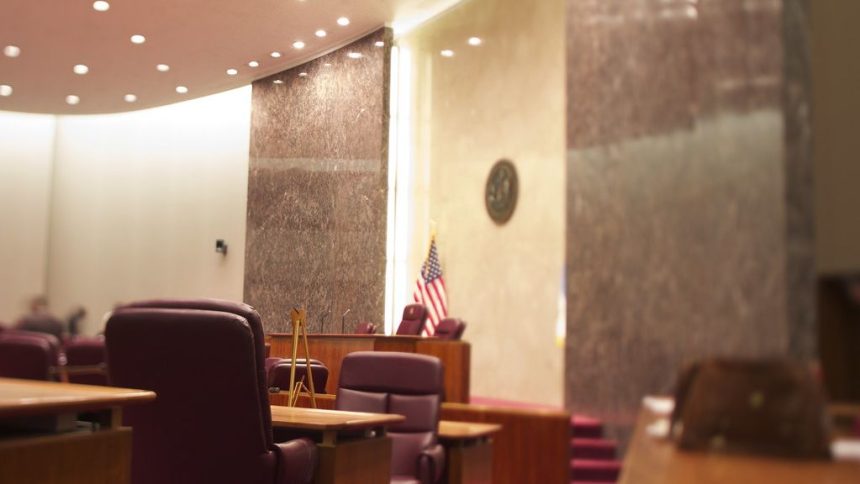
Core Complaints from the Campaign Trail (Image Credits: Flickr)
Reno, Nevada — As the city grapples with rapid expansion, a candidate for City Council Ward 2 has voiced strong reservations about recent development approvals. Matt Johnson, a local brewery owner entering the race, described the council’s approach as a “failure to plan” in a recent opinion piece.[1][2] Residents echo these sentiments, pointing to mounting traffic problems and diminishing open spaces as direct outcomes of those choices. The critique arrives amid a competitive primary for the ward, where planning decisions have emerged as a central issue.
Core Complaints from the Campaign Trail
Johnson’s commentary targets what he sees as shortsighted policies that prioritize growth over infrastructure. He argues that the council has approved projects without adequate foresight, leading to strained roadways and reduced green areas. Local voices have amplified these points, alleging that developer priorities often overshadow community needs.[3]
Such concerns reflect broader tensions in Reno’s southwest neighborhoods, represented by Ward 2. The area has witnessed several high-profile developments that residents claim exacerbate daily commutes and erode recreational lands. Council members faced public pushback during recent meetings on related matters, though no formal changes resulted at the time.
Traffic Congestion Takes Center Stage
Increased vehicle volumes have become a hallmark of Reno’s growth spurt. Drivers report longer travel times on key arterials, particularly during peak hours, as new housing and commercial builds outpace road upgrades. Johnson highlighted this disconnect, suggesting that approvals proceeded without synchronized traffic mitigation plans.
City data underscores the pressure, with some corridors showing notable delays compared to prior years. While officials have discussed expansions, implementation lags behind the pace of construction permits. This gap fuels frustration among commuters who view it as evidence of reactive rather than proactive governance.
Partner offer
Loss of Open Space Sparks Backlash
Open areas cherished for hiking, parks, and quiet respite continue to shrink under development pressure. Ward 2 encompasses terrain valued for its natural appeal, yet subdivisions and commercial sites have claimed portions without equivalent replacements. Critics maintain that the council approved these despite resident appeals for preservation.
Johnson’s platform touches on safeguarding Reno’s “sense of place,” including outdoor access, as essential to resident retention. He advocates for decisions that balance expansion with protected lands, drawing from his business experience in community-oriented ventures.[2]
Questions of Developer Sway
Allegations of outsized developer influence add another layer to the debate. Observers note that campaign contributions and closed-door discussions may tilt outcomes toward private interests. Johnson’s call for greater transparency aims to address perceptions of favoritism in zoning and permitting processes.
The candidate’s site emphasizes rebuilding trust through open deliberations, contrasting with what he terms money-driven choices. While no wrongdoing has been proven, the narrative resonates in a city navigating budget strains alongside boom-time projects.[2]
Broader Context in Ward 2 Contest
The June primary features Johnson alongside Ian Luetkehans, Summer Pellett, and Vanessa Vaupel, vying to succeed term-limited Naomi Duerr.[4] Development remains a flashpoint, intersecting with affordability and infrastructure priorities. Voters in southwest Reno, from Midtown edges to foothill enclaves, weigh these factors heavily.
What matters now: With elections looming, council responsiveness to planning critiques could shape upcoming agendas. Transparent processes and resident input stand as tests for current leaders.
Reno’s trajectory hinges on reconciling growth ambitions with livability. Johnson’s entry signals that voters demand accountability, urging a shift toward sustainable strategies that honor the city’s landscape and pace.
Partner offer
Planning a trip to Vegas?
Compare hotel rates and show tickets on VEGAS.com.