There was a time when playing Las Vegas meant your moment had passed. Rat Pack nostalgia, velvet curtains, showrooms attached to casino floors where gamblers only half-listened. That perception held for decades. Today, it’s almost entirely reversed. Some of the most commercially successful and critically respected performers of the past two decades have chosen Las Vegas not as a career sunset, but as a deliberate creative and financial strategy. The shift didn’t happen overnight. It moved gradually, gained credibility through a handful of landmark residencies, and accelerated with the opening of a new generation of venues that made the Strip genuinely difficult to turn down. Here’s why the Strip now sits at the center of live music’s most interesting conversation.
From “Elephant Graveyard” to the Hottest Stage in Music

For most of the 20th century, Las Vegas held a particular reputation in the music world. In the music world, Las Vegas was known as the place where singers went to “die” – where they could earn a comparatively meager wage in their “twilight” years, entertaining tourists on the Strip alongside magicians and illusionists. It was a last stop, not a career move.
Concert residencies have been the staple of the Las Vegas Strip for decades, pioneered by singer-pianist Liberace in the 1940s and Frank Sinatra with the Rat Pack in the 1950s. The concept was old, but the prestige was low. That changed dramatically in the early 2000s.
Celine Dion’s “A New Day…” from 2003 to 2007 is the most successful concert residency of all time, grossing over 385 million U.S. dollars and drawing nearly three million people to 717 shows. This commercial success was credited with changing and revitalizing Las Vegas residencies, which previously had the negative perception of something that performers resorted to when their careers were in decline.
The Numbers That Changed the Conversation

Celine Dion’s second residency, “Celine,” is the second most successful one, generating 296 million dollars from a total of 427 shows between 2011 and 2019. These two residencies made Dion the highest-grossing resident performer of all time. Those figures rewrote what the industry thought was possible from a fixed-venue engagement.
From 2023 to 2024, U2 staged a residency called “U2:UV Achtung Baby Live at Sphere,” which grossed 244.5 million dollars from just 40 shows. Billboard described it as the “fastest grossing residency in Boxscore history.” That works out to roughly six million dollars per show, a number that makes even the most ambitious world tour look inefficient by comparison.
Lady Gaga’s residency at the Dolby Live Theater grossed 110 million dollars across 72 shows. Her residency was unique for alternating between two distinct shows: “Enigma,” an arena concert featuring her biggest hits, and “Jazz & Piano,” which offered stripped-down versions of her songs alongside covers from the Great American Songbook. The creative range alone made it a template others would study.
A Roster That Signals Legitimacy, Not Decline

Since the 2010s, many other major performers have followed suit and accepted residency offers. This includes a variety of top acts, such as EDM DJs Tiësto and Calvin Harris, pop and R&B performers including Adele, Jennifer Lopez, Diana Ross, Katy Perry, Usher, and Mariah Carey, and rock bands such as Def Leppard and Aerosmith.
By 2017, a tenth of the Forbes Celebrity 100 had signed a residency contract in Las Vegas. That’s not a collection of fading careers. That’s a significant slice of entertainment’s most active and commercially viable names choosing the same destination.
In 2021, Usher brought Las Vegas residencies a new kind of respect. The singer consistently had sold-out shows and many viral moments. Many fans credit the residency with Usher’s career revitalization, leading to him performing at the 2024 Super Bowl halftime show. A Vegas run, in other words, can actually amplify an artist’s mainstream presence rather than dimming it.
The Sphere: A New Category of Venue
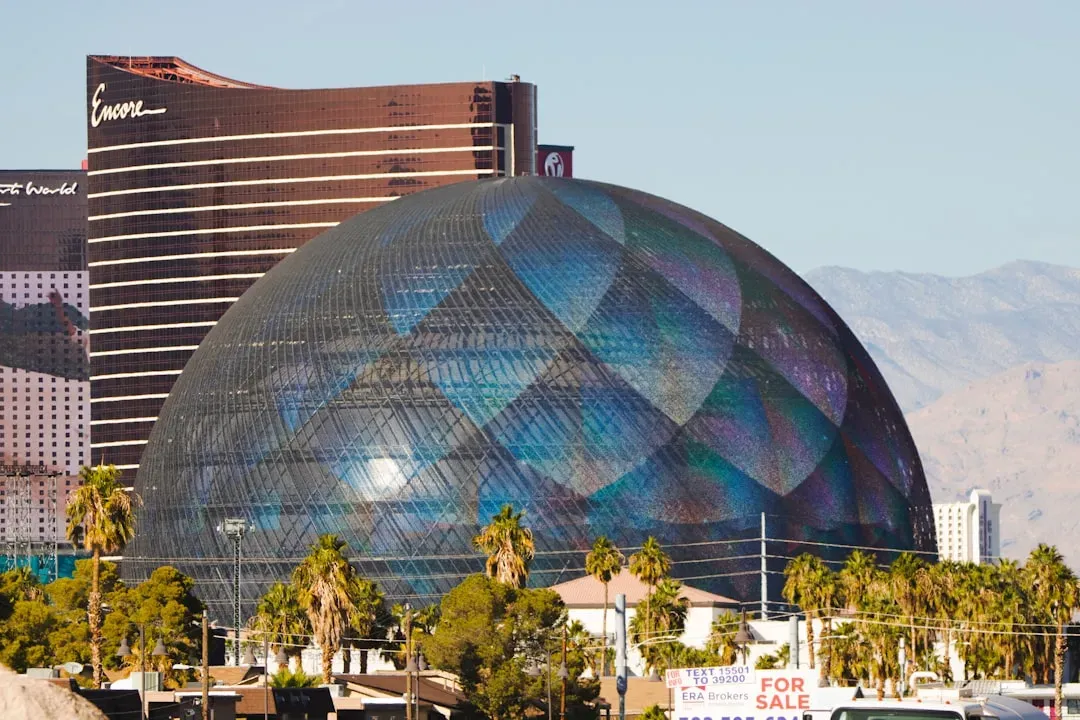
The Sphere at The Venetian Resort in Las Vegas stands 366 feet tall and 516 feet wide, making it the largest spherical structure in the world. Its exterior features a 580,000-square-foot LED display, while the interior features a 160,000-square-foot, 16K-resolution wraparound screen. The venue features a massive audio system with over 1,500 permanent loudspeaker modules, 300 mobile speakers, and 167,000 speaker drivers.
Las Vegas is known for its iconic music residencies, and the new kid on the Strip, the Sphere, is becoming the hot-ticket destination for immersive live music and concerts. Since opening its doors in 2023, the impressive venue has gathered an even more impressive lineup of musical acts.
U2’s prior experiments with elaborate stage productions, including their 360° Tour’s massive claw structure, demonstrated creative ambition aligned with the Sphere’s possibilities. Their residency showcased the venue’s potential through sequences where audiences experienced flying over the Las Vegas Strip at sunrise, standing inside abstract geometric vortexes, and witnessing the band perform against backdrops of Irish coastal cliffs rendered in photorealistic detail. Nothing on a conventional tour itinerary can replicate that.
The Sphere’s Expanding Roster and Genre Range
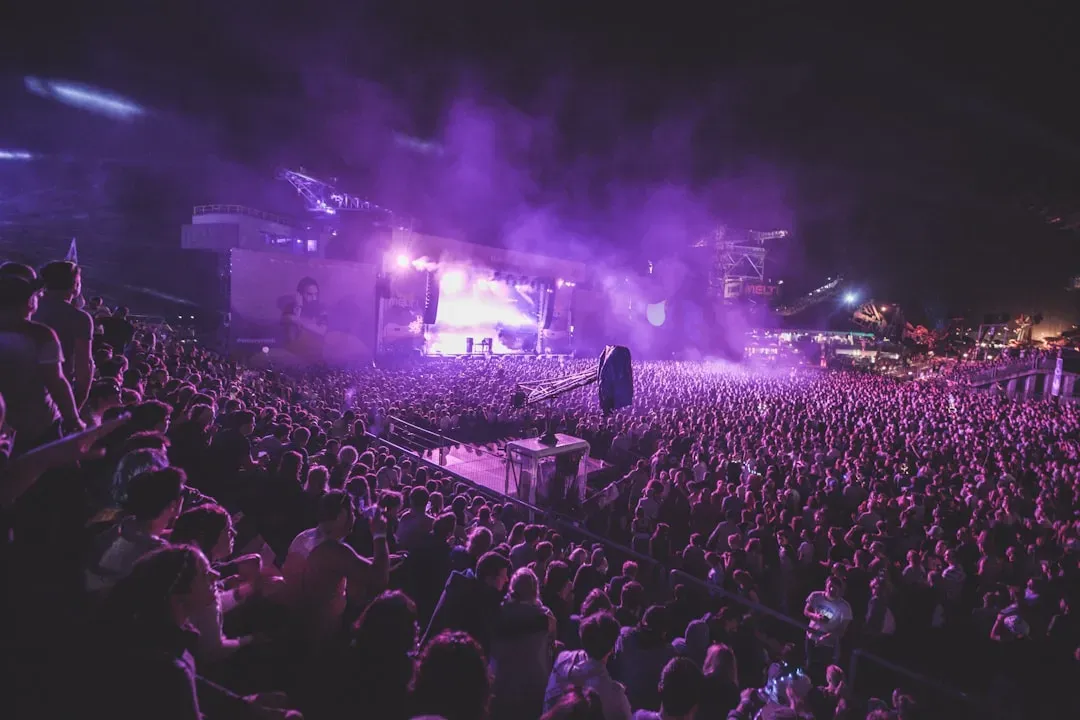
U2 launched the Sphere in September 2023 with a 40-show run that ended in March 2024. The Eagles, Dead & Company, and Phish quickly followed, drawing audiences from around the globe. Even the Backstreet Boys and country star Kenny Chesney have booked multiple dates, proving the venue’s reach goes far beyond classic rock.
In 2026, Eagles, ILLENIUM, Phish, No Doubt, Kenny Chesney, Backstreet Boys, Carín León, and Metallica are all scheduled to perform at Sphere at The Venetian. That lineup spans hard rock, country, pop, EDM, and Latin music. The venue is no longer a niche offering for legacy acts.
When Kenny Chesney plays the Sphere this spring and summer for his Las Vegas residency, he became the first country artist to perform at the famed Sin City venue. Milestones like that tend to open doors for entire genres, not just the individual artist who crosses the threshold first.
Partner offer

Why Artists Prefer the Residency Format

Creatively, some artists argue that residencies best meet their live performance needs. To fulfill their creative vision, artists often want technical aspects that work best in a fixed format as opposed to transporting set components across the boundless expanse of world tours. Even if it might be logistically possible to tour a set element, steep transportation costs make it more financially viable to keep the show in one place.
No longer are residencies a death rattle, but rather a popular alternative for artists, giving them more creative freedom and letting them perform without sacrificing their personal lives and mental health. The touring grind is genuinely brutal, and that reality has become harder to ignore as artists speak more openly about its toll.
Many sources report that the health benefits of a Vegas residency versus standard touring are better for a person’s mental and physical health. Even five-star hotels and private jets can take a toll on a performer’s body. The residency model removes the relentless movement that underlies so much touring-related burnout.
The Financial Architecture of a Residency Deal

Top performers can clear seven figures per show during a Las Vegas residency, thanks to high ticket prices, large venues, and additional revenue from merchandise, concessions, and sponsorships. The per-show ceiling during a residency is comparable to or exceeds what many artists earn on traditional tour dates, with far less logistical overhead.
VIP packages and premium experiences generate additional income streams. The Sphere offers exclusive pre-show venue tours, meet-and-greet opportunities, and luxury suite experiences with revenue sharing negotiated separately from standard ticket splits. These premium offerings can add between fifteen and twenty-five percent to gross per-show earnings.
One advantage of a Las Vegas residency is that artists have more control over their merchandise sales compared to other touring scenarios. They can design and create their own merchandise, ensuring it aligns with their unique brand and artistic vision. This level of control allows them to cater to their fans’ preferences and create a more engaging and personal experience for attendees.
The Fan Experience Has Also Changed

Residencies often feature some of the biggest names in the music and entertainment industry, allowing fans to experience their favorite artists in an intimate, exciting setting. For example, Adele’s shows at the Colosseum in Caesars Palace offer an experience far more intimate than one of her past concerts in a venue like Wembley Stadium.
Expenditure on shows and entertainment in Las Vegas was up by around 8.5 percent from 2024 to 2025, with acts like the Backstreet Boys helping revitalize the city. The band added 21 shows amid continuing demand. Fan appetite for the destination residency format is not leveling off.
Visitor numbers in Las Vegas leaped from 19 million in 2020 to over 41 million in 2024. That scale of audience flow into a single city gives residency artists access to a global fanbase without ever boarding a plane. The fans travel to the show, not the other way around.
Residency as a Career Catalyst, Not a Curtain Call
Mariah Carey’s “The Celebration of Mimi” in 2024 and 2025 started as a 24-show residency, then she added more international shows across Asia, Europe, and Latin America. The residency functioned as a launchpad for a wider global run, demonstrating that a fixed Vegas engagement can generate momentum rather than replace it.
By 2017, a tenth of Forbes Celebrity 100 had signed a residency contract in Las Vegas. That figure likely looks different today, given the pace of new announcements from 2022 onward. The model has moved from exception to strategic norm for artists at the top of their field.
Adele is a prime example of a recent trend in artists choosing to do a residency, usually in Vegas, over touring, as it was a triumph both creatively and financially. Whether artists arrive primarily for financial reasons, creative ones, or personal ones, the destination has become the same.
What 2026 Looks Like From the Strip
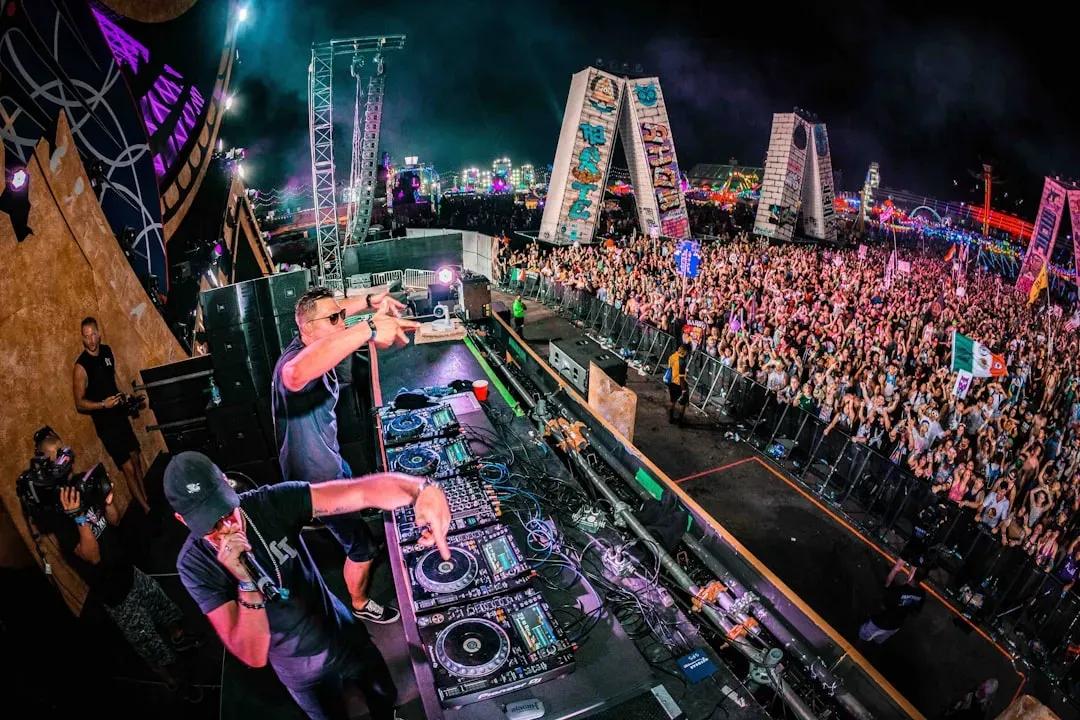
Early 2026 already features several high-profile residencies. Jennifer Lopez kicked off “Up All Night Live” at Caesars Palace’s 4,100-seat Colosseum during New Year’s week and added eight March shows packed with fresh choreography, immersive visuals, and a 14-piece band.
Cyndi Lauper, after a warmly received farewell arena tour, is performing her first-ever Strip residency inside the Colosseum at Caesars Palace. Meanwhile, the allure of the Sphere was strong enough to reunite Gwen Stefani with the rest of No Doubt for a string of shows at the venue. The Strip continues to pull in artists who would not have considered it a generation ago.
Vegas’ 150,000-plus hotel rooms still boasted over 80 percent occupancy in 2025, compared to a U.S. average of around 62 percent. The infrastructure that supports a residency economy, hotels, dining, transport, and entertainment spending, remains unusually strong. For artists, that context matters. Fans who travel specifically for a show tend to spend more, stay longer, and engage more deeply with the experience than a one-night arena crowd passing through.
The story here isn’t simply that Las Vegas got fashionable again. It’s that the economics of live music, the physical demands of touring, and the expectations of what a concert experience can be have all shifted simultaneously, and the Strip happens to sit at the intersection of all three. The “elephant graveyard” framing is not just outdated. It’s been replaced by something the industry is still figuring out how to fully describe.Partner offer
Planning a trip to Vegas?
Compare hotel rates and show tickets on VEGAS.com.