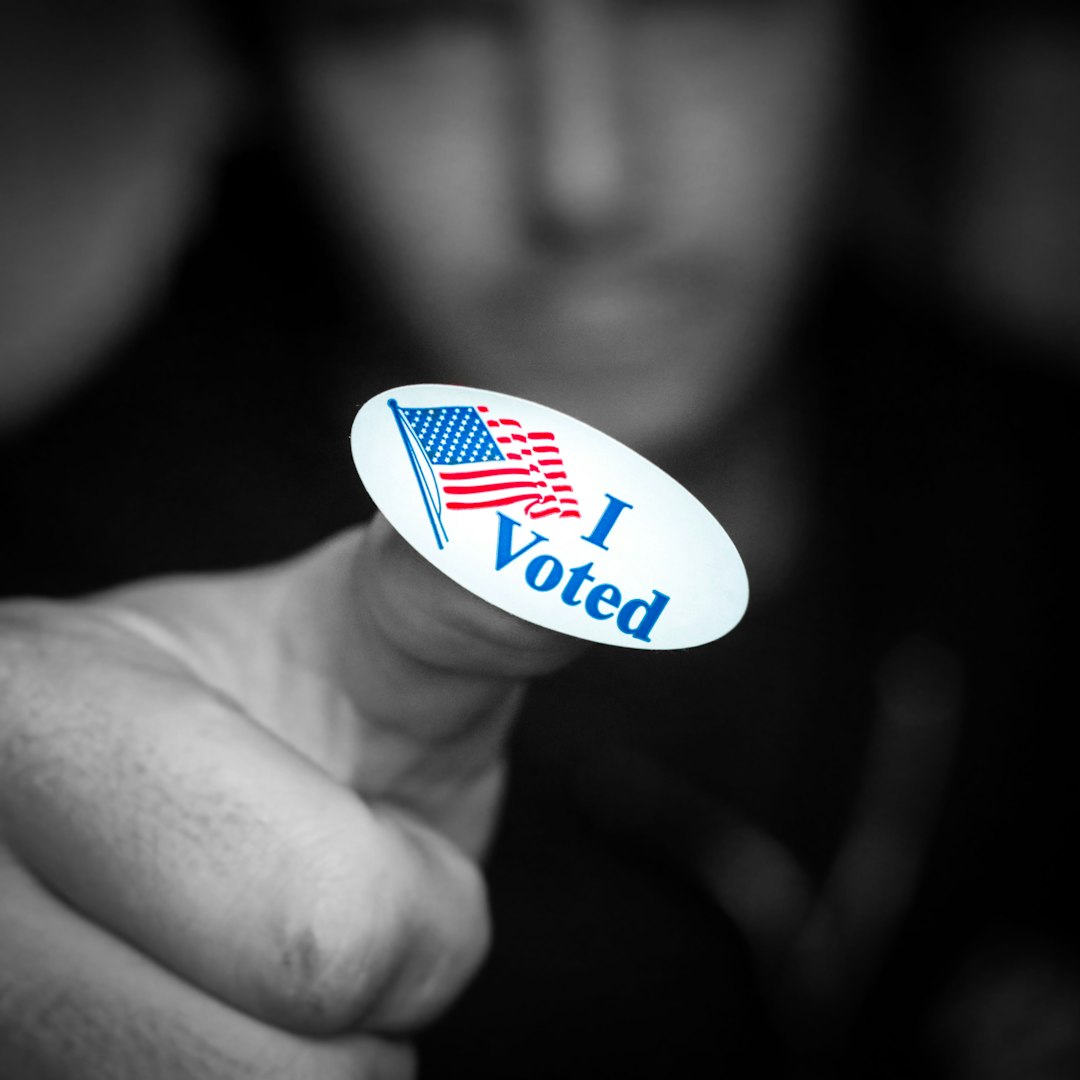
House Delivers Narrow Victory for Election Security Measure (Image Credits: Unsplash)
Las Vegas – A recent letter from a local resident captured national attention on the partisan battle over election reforms as the SAVE Act moved closer to becoming law.
House Delivers Narrow Victory for Election Security Measure
The House passed the Safeguard American Voter Eligibility Act last week in a 220-208 vote.[1]
Only one Democrat, Representative Henry Cuellar, joined Republicans in support of the bill.[2]
The legislation now proceeds to the Senate, where its fate remains uncertain amid a divided chamber.
Proponents hailed the outcome as a step toward bolstering confidence in federal elections.
Key Provisions Target Non-Citizen Voting Risks
The SAVE Act mandates documentary proof of U.S. citizenship for individuals registering to vote in federal elections.
Acceptable documents include passports, birth certificates, or naturalization papers, alongside photo identification.
Supporters argued this addresses potential vulnerabilities in current registration processes.
Federal agencies would update forms to require such verification, aiming to prevent non-citizens from casting ballots.
- Proof of citizenship required at registration.
- Photo ID needed to vote.
- Applies to all federal elections nationwide.
- States must comply with new standards.
Polls Show Broad Bipartisan Appeal
Surveys indicated more than 80 percent of Americans favored the bill’s requirements.
Support extended across demographics, with majorities among Black and Hispanic voters backing voter ID measures.[3]
Recent data reinforced this trend, citing 85 percent approval among white voters and 82 percent among Latinos.[4]
Advocates pointed to these figures as evidence of common-sense appeal beyond party lines.
Democrats Voice Strong Reservations
Nearly all House Democrats opposed the measure, citing risks to voter access.
Critics warned that documentation barriers could disenfranchise eligible citizens, particularly in underserved communities.
Senate Minority Leader Chuck Schumer labeled similar proposals harshly in past remarks, though the current bill drew fresh scrutiny.
Opponents emphasized that non-citizen voting remains exceedingly rare, questioning the need for sweeping changes.
Path Ahead Hinges on Senate Dynamics
The bill’s Senate prospects depend on Republican unity and potential bipartisan breakthroughs.
With midterms approaching, election integrity emerged as a flashpoint issue.
Proponents urged swift action to restore public trust in the process.
| Demographic | Support Level |
|---|---|
| All Americans | >80% |
| Black Voters | Majority |
| Hispanic Voters | Majority |
Key Takeaways:
- The SAVE Act passed the House with minimal Democratic support.
- Public polls reflect widespread approval for citizenship verification.
- Debate centers on security versus accessibility in voting.
The SAVE Act’s journey highlights enduring questions about safeguarding democracy. How should the nation balance election integrity with broad participation? Tell us in the comments.