You’ve just weathered a storm. The winds have passed, the damage is done, and suddenly there’s a knock at your door. A friendly contractor with a truck full of materials offers to fix your roof right now, today, at a price that sounds almost too good to refuse. Here’s the thing: it probably is too good to be true.
Nevada homeowners have been hit hard by a wave of home repair scams over the past few years, and the tactics keep getting more sophisticated. In the wake of natural disasters and severe weather events that have struck Clark and Washoe counties, fraudsters have found their moment. These aren’t just annoyances, they’re serious financial threats that can leave families out thousands of dollars with nothing but shoddy work or empty promises to show for it. Let’s be real, when you’re vulnerable and your home needs urgent attention, it’s frighteningly easy to fall victim.
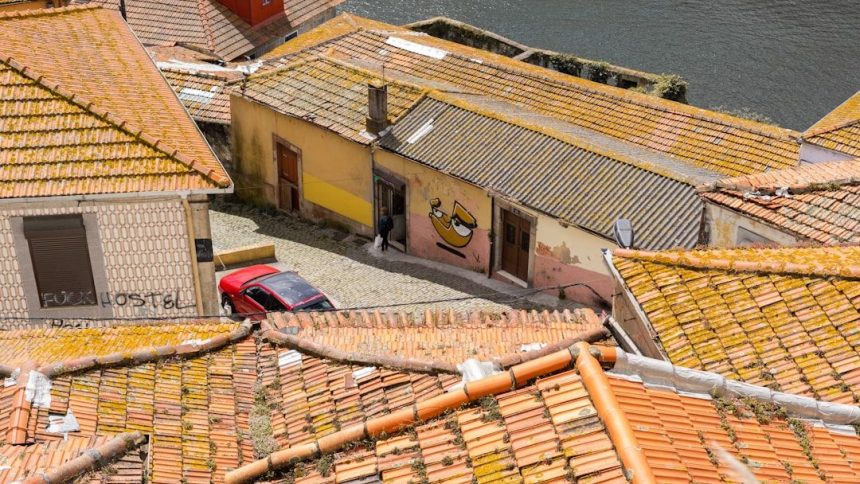
The Storm Chaser Roofing Scam

Transient criminals pose as door-to-door home repair contractors targeting Nevada homeowners with roofing scams, and this has become one of the most prevalent frauds in the state. The Nevada Attorney General’s Office and State Contractors Board warn residents about unlicensed contractors who use dishonest methods to pressure homeowners into unneeded repairs. The pattern is predictable yet effective: after any major weather event, out-of-state operators flood neighborhoods offering immediate roof inspections and repairs.
What makes this scam particularly insidious is how these fraudsters operate. They claim to work with your insurance company, pressure you to sign contracts on the spot, and often use fake licensing numbers that look legitimate but can’t be verified through Nevada’s State Contractor Board. Some even manufacture damage during inspections, deliberately lifting shingles or cracking tiles to justify expensive repairs. The worst part? If you fall for it and they commit insurance fraud, you could be held responsible.
The Nevada State Contractors Board maintains a fund to help victims of shoddy workmanship and abandoned jobs, awarding partial repayments totaling $400,000 to victims in early 2024. That should tell you something about the scale of this problem. These criminals count on your panic and urgency, but legitimate contractors will give you time to think, provide verifiable credentials, and never demand you sign anything before they’ve even looked at your roof.
The Driveway and Concrete Repair Con
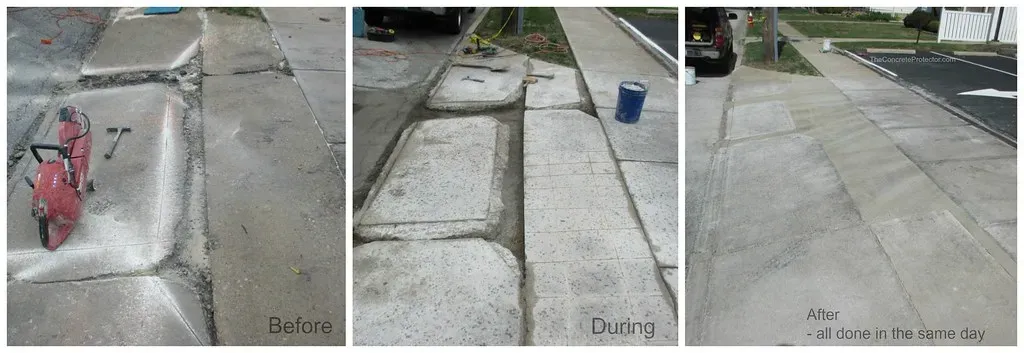
Concrete and driveway scams represent another major threat to Nevada residents, particularly in the Reno area. Roofing and concrete projects are mentioned frequently in scam reports, with roughly four percent of all home improvement scam reports involving paving and concrete work. The setup is classic: someone knocks on your door claiming they have leftover materials from another job in your neighborhood and can give you a great deal on driveway repairs or sealing.
Here’s how it typically plays out. The scammer offers an incredibly low price, demands payment in cash or prepaid cards to make the transaction impossible to trace, and either disappears with your money or does such poor work that you’ll need to hire someone else to fix it properly. In Nevada, home improvement professionals are required to carry a license if they plan on doing any work over $500, so anyone offering to do substantial concrete work without proper documentation is already breaking the law.
Investigations have shown victims often lose substantial amounts because they paid upfront and had no way to recover their money. The fraudsters know exactly what they’re doing, targeting homeowners who see an opportunity to save money. Instead of a bargain, you get substandard materials, work that doesn’t meet code, and no recourse when things go wrong because the “contractor” has vanished.
The Upfront Payment and Abandonment Fraud
This is perhaps the most devastating scam because it crosses all types of home repair work. Alleged contractors demand and take a deposit but never return to complete promised services, or they take a deposit and demand more money after starting the job. One Nevada homeowner paid over $120,000 for solar panels that were never delivered or installed, 18 months after signing the contract and paying half upfront.
The mechanics are straightforward but effective. A contractor presents professional-looking documentation, quotes a reasonable or even attractive price, and then requires a large upfront payment to “secure materials” or “schedule the crew.” Once they have your money, they either never show up, do minimal work and disappear, or keep asking for more funds while making excuses about delays. Warning signs include contractors with extremely low bids, requiring large cash deposits paid directly to the contractor, not offering contracts or insurance, and using high-pressure sales tactics.
What really hurts is that legitimate contractors do need deposits, so it’s not always obvious when you’re being scammed. The difference is that reputable contractors provide detailed written contracts, accept traceable payment methods like checks or credit cards, and have verifiable business addresses and references. They also typically ask for a reasonable percentage upfront, not the entire amount or the vast majority of it.
Protecting Yourself
So what can you do? First, never hire anyone who knocks on your door unsolicited, especially after a storm or disaster. Legitimate contractors don’t need to chase business door to door. Second, always verify licensing through the Nevada State Contractors Board before signing anything or handing over money. Third, get multiple written estimates and take your time reviewing them. Nobody should pressure you into making an immediate decision about major home repairs.
Red flag indicators include unmarked vehicles loaded with construction materials and refusal to provide a contractor’s license number. Trust your instincts. If something feels off, if the price seems unrealistically low, or if someone is pushing you to act immediately, walk away. It’s better to take an extra week finding the right contractor than to lose thousands to a scammer and still need to fix your home properly.
Remember that these frauds spike after natural disasters and weather events for a reason: scammers exploit vulnerability and urgency. The irony is that taking your time and doing proper research is actually the fastest way to get your home repaired correctly. Choose local contractors with established businesses, verifiable histories, and proper insurance. They have reputations to protect and will still be around if something goes wrong.
What surprised you most about how these scams operate? Share your thoughts in the comments, and if you know someone who might be vulnerable to these tactics, pass this information along. The more homeowners who know what to watch for, the harder it becomes for these criminals to succeed.