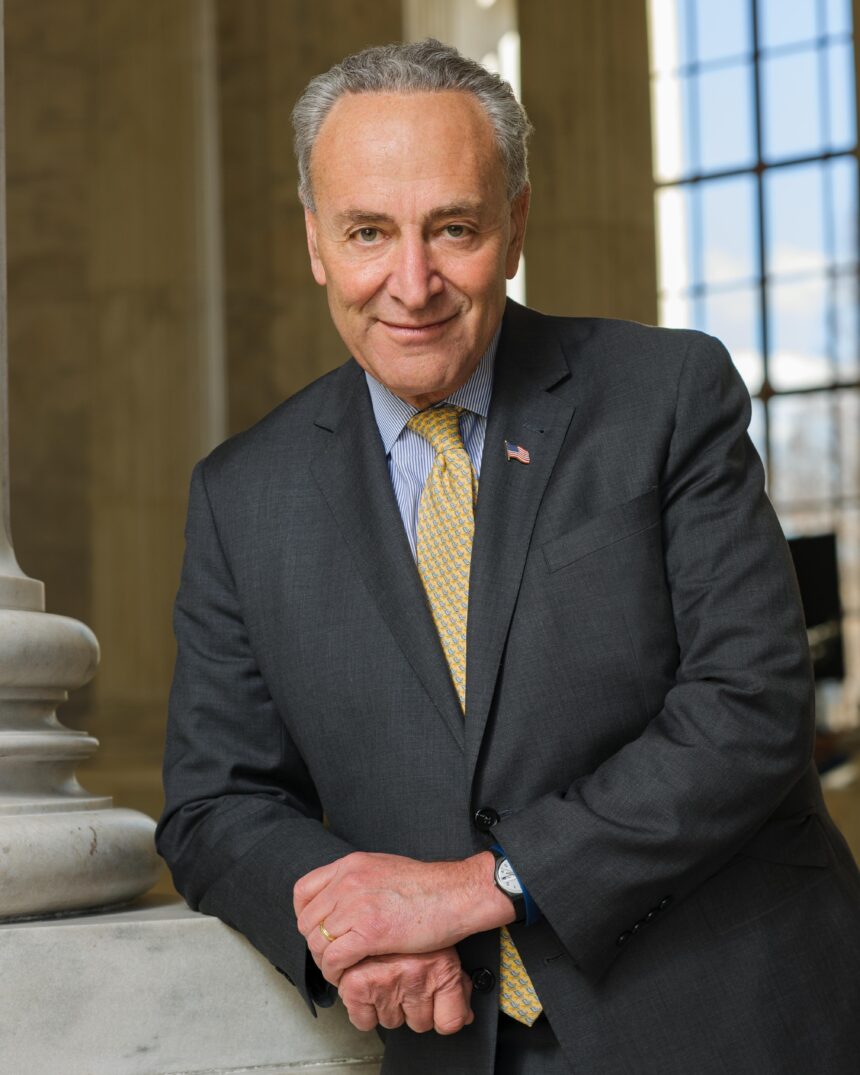
Schumer Demands Swift Removal of RFK Jr.Amid Rising Public Health Concerns
Senate Majority Leader Chuck Schumer has urgently called for the termination of Robert F. Kennedy Jr. from his advisory role at the Centers for Disease Control and Prevention (CDC). This demand follows escalating worries about the confusion and disruption caused by Kennedy’s recent engagements with the agency. Schumer emphasized that Kennedy’s controversial remarks and actions are eroding trust in vaccination campaigns and complicating the nation’s pandemic response efforts.
- Declining vaccine confidence: Kennedy’s influence is linked to a surge in vaccine skepticism.
- Conflicting health communications: Mixed messages during Kennedy’s involvement have sown public uncertainty.
- Threat to CDC’s authority: The agency’s ability to lead national health initiatives is being undermined.
| Area Affected | Main Issues | Possible Outcomes |
|---|---|---|
| Vaccination Rates | Lower uptake, spread of false facts | Potential resurgence of preventable illnesses |
| Public Confidence | Inconsistent facts | Decreased trust in CDC guidance |
| Policy Execution | Implementation delays | Slower recovery from the pandemic |
Schumer’s insistence on immediate action reflects a broader consensus among lawmakers and health experts that restoring clear, evidence-based leadership is critical to safeguarding public health. He stressed that the CDC must recommit to science-driven policies to effectively protect Americans.
CDC Leadership Crisis and Its Impact on COVID-19 Management
The recent turmoil within the CDC’s leadership ranks has raised alarms about the agency’s capacity to effectively manage the ongoing COVID-19 pandemic. Schumer’s public call for RFK Jr.’s removal highlights concerns over inconsistent messaging and internal discord that have hampered the CDC’s ability to provide clear guidance during a critical phase of the health crisis.
Consequences stemming from leadership instability include:
- Confusing public health directives: Contradictory information regarding vaccine effectiveness and mask policies has left both the public and healthcare workers uncertain.
- Slowed implementation of health measures: Delays in rolling out updated testing protocols and tracking new variants have impeded containment efforts.
- Declining public trust: Reduced confidence in CDC recommendations has negatively affected vaccination rates and adherence to safety guidelines.
| Focus Area | Impact | Expected Result |
|---|---|---|
| Communication | Inconsistent messaging | Public confusion and misinformation |
| Policy Rollout | Execution delays | Increased risk of virus spread |
| Public Trust | Falling approval ratings | Lower compliance with health measures |
Political Repercussions of RFK Jr.’s Contentious Remarks
Senator Schumer’s demand for RFK Jr.’s dismissal has ignited a fierce debate across political and public health spheres. Schumer condemned Kennedy’s recent critiques of CDC protocols as “reckless and harmful to public health initiatives.” This rhetoric is seen by many lawmakers and experts as fueling misinformation and weakening trust in federal health agencies during a pivotal moment in pandemic management.
Political commentators note the polarized responses to Schumer’s call:
- Democratic leaders: Advocating for strict accountability measures, including potential ethics probes beyond mere dismissal.
- Republican voices: Some defend Kennedy’s right to free speech, framing the controversy as a challenge to governmental overreach.
- Public health advocates: Urging immediate steps to rebuild trust in the CDC’s science-based guidance.
| Stakeholder Group | Stance | Primary Concern |
|---|---|---|
| Democrats | Push for firing and investigations | Preserving integrity of public health |
| Republicans | Support free speech protections | Guarding against government intrusion |
| Health Advocates | Focus on restoring CDC credibility | Combating misinformation |
Strategies to Rebuild Trust and Stabilize CDC Leadership
Addressing the fractured reputation of the CDC amid political turmoil requires a complete strategy centered on clarity and accountability. Regular, clear communication with the public and stakeholders is essential.This includes frequent press briefings,detailed disclosures of decision-making processes,and swift correction of false information. Establishing an independent oversight body could further ensure impartial evaluation of the CDC’s policies and actions.
Boosting internal morale and reinforcing scientific integrity within the CDC also demands prioritizing expertise over political considerations. Recommended measures include:
- Reaffirming commitment to evidence-based science in all agency directives.
- Implementing leadership development programs focused on crisis management and ethical governance.
- Fostering partnerships with external public health experts to guide policy formulation.
| Recommended Action | Anticipated Benefit |
|---|---|
| Create Independent Oversight Committee | Enhances public trust through unbiased review |
| Mandatory Ethics and Leadership Training | Minimizes politically driven decisions |
| Consistent Clear Reporting | Builds accountability and public confidence |
Conclusion
The intensifying controversy over Robert F. Kennedy Jr.’s involvement with the CDC, coupled with Senate Majority Leader Chuck Schumer’s demand for his removal, underscores the mounting political and public pressure on the agency to regain its credibility and operational stability. This situation reveals deep divisions in public health leadership at a crucial juncture, with the nation closely watching how federal authorities will respond to restore trust and guide the country through ongoing health challenges.