Picture this: it’s Saturday morning, and not a single screen is on in the house. No tablets buzzing, no TikTok sounds bouncing off the kitchen walls, no cartoons at breakfast. To some families, that sounds like a dream. To others, it sounds absolutely chaotic. The truth is, for a growing number of parents across the United States and beyond, that picture is becoming a deliberate weekly reality. They’re calling it Screen-Free Saturday, and it’s quietly turning into one of the most talked-about parenting choices of this decade.
The reasons behind the movement aren’t hard to understand once you look at what the data actually says. From concerns about mental health to the simple desire to sit together at a dinner table without someone sneaking glances at a phone, something is shifting in how modern families relate to technology. Let’s dive in.
The Numbers That Scared Parents Into Action


Let’s be real: when parents first started hearing the statistics, many of them were genuinely shaken. According to the Common Sense Media Census, U.S. teens spend an average of 8 hours and 39 minutes per day on screens for entertainment alone, and that doesn’t even include time spent on schoolwork. That’s nearly a full working day, every single day, just scrolling, streaming, and gaming.
Among teens aged 13 to 18 in the U.S., that average entertainment screen time of 8 hours and 39 minutes was recorded in 2021, already up sharply from 7 hours and 22 minutes pre-pandemic in 2019. The pandemic accelerated everything, and parents are still grappling with the fallout.
A 2023 Pew Research Center survey found that nearly half of U.S. teens say they use the internet “almost constantly,” roughly double the share who said this back in 2014 to 2015. Overall, more than nine-in-ten say they use the internet at least daily. For many parents, that data point alone was the wake-up call they needed.
What the Research Says About Kids and Mental Health

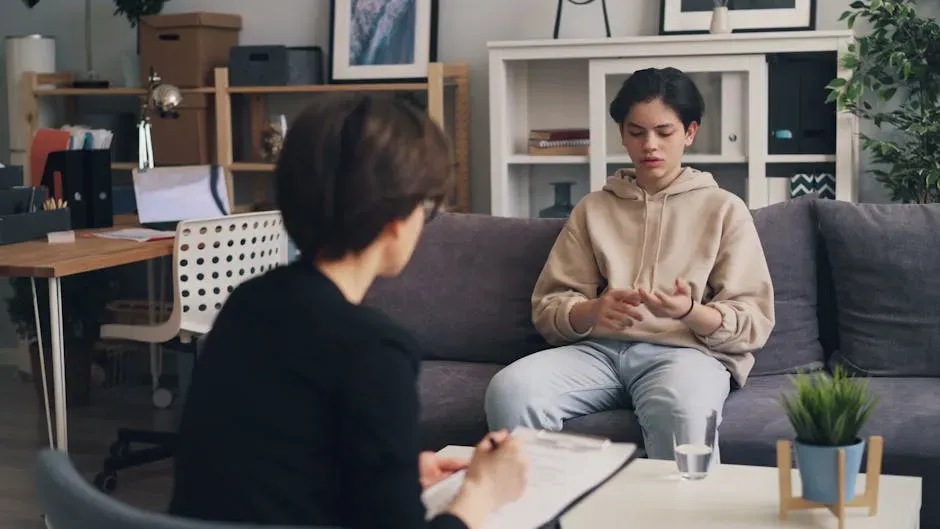
Honestly, the mental health conversation is where things get particularly alarming. As adolescents increasingly use screen-based devices to watch videos, text, use social media, and play games, health care professionals have grown concerned that excessive screen time could contribute to mental health problems such as depression, and research suggests it may also impact sleep duration and brain structural connectivity, which are critical for emotional health.
A CDC data brief from 2024 showed that teens who spent more than 4 hours a day on screens, not including school, were nearly three times more likely to report depressive symptoms than those who spent less than 4 hours. Three times more likely. That’s not a minor correlation. That’s a significant signal.
The U.S. Surgeon General’s 2023 Advisory flagged social media as a significant contributor to teen anxiety, depression, and poor sleep, with girls appearing particularly vulnerable, especially around body image and self-esteem. It’s hard to ignore findings at that level of authority, and many parents stopped trying to.
Sleep, Screens, and the Melatonin Problem

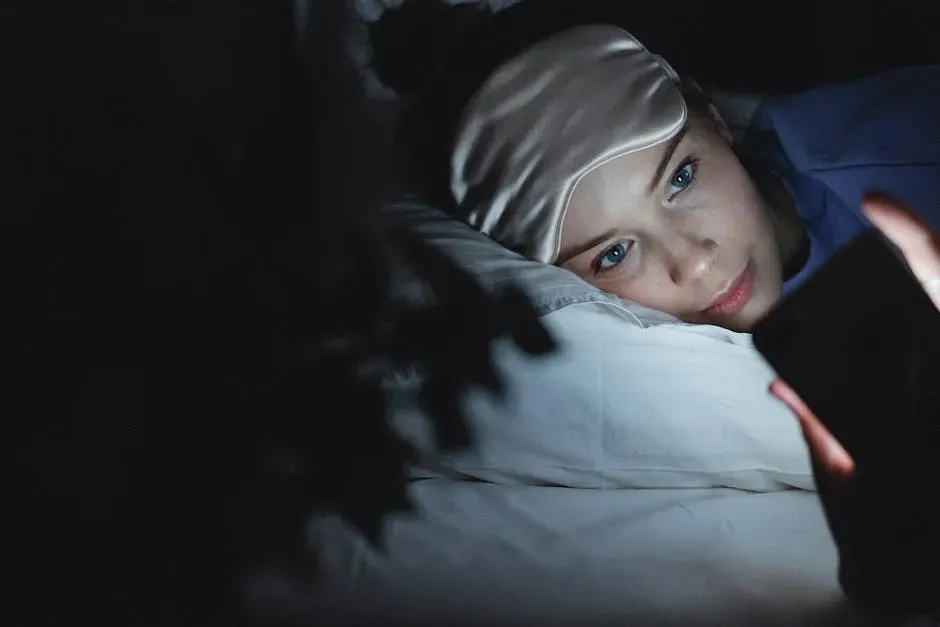
Here’s one of the more surprising aspects of this whole debate: it’s not just about how much time kids spend on screens. It’s about when. Screens can seriously interfere with sleep, one of the most underrated pillars of mental health. Blue light from devices interferes with melatonin production, which can delay sleep onset. Think of it like hitting a dimmer switch at exactly the wrong time each night.
The Sleep Foundation reports that teens using screens within an hour of bedtime get less sleep and lower-quality sleep, leading to mood swings, irritability, and poorer focus the next day. That cycle, tired kids who struggle to regulate emotions and focus at school, is something countless teachers and parents have observed firsthand, often without connecting it directly to late-night phone use.
This is one reason Screen-Free Saturdays resonate with so many families on a practical level. A device-free Saturday creates at least one night, Friday, where the temptation to stay up scrolling naturally decreases. It’s a small structural change, but it tends to have a compounding effect on the whole week’s rhythm.
A Movement Rooted in Community, Not Just Individual Households


Screen-Free Week, an annual initiative that encourages children, families, schools and communities around the world to turn off screens and “turn on life,” invites participants to read, daydream, explore nature, and spend time with family and friends instead of relying on screen-based entertainment. Screen-Free Saturdays takes that same spirit and applies it weekly rather than just once a year.
Parent-led movements to limit children’s use of smartphones and social media have been springing up across the country, with the Phone-Free Schools Movement in Pennsylvania launching in 2023 and Mothers Against Media Addiction starting in New York in March 2024. These aren’t fringe groups. They’re organized, vocal communities of parents who have simply decided enough is enough.
The concerns of these parent-led organizations were also reflected in the best-selling book “The Anxious Generation,” which paints a difficult picture of modern childhood dominated by depression and anxiety brought on by smartphone addiction. The cultural conversation, in other words, has moved well beyond parenting blogs and into mainstream policy and publishing.
How Governments and Schools Are Responding
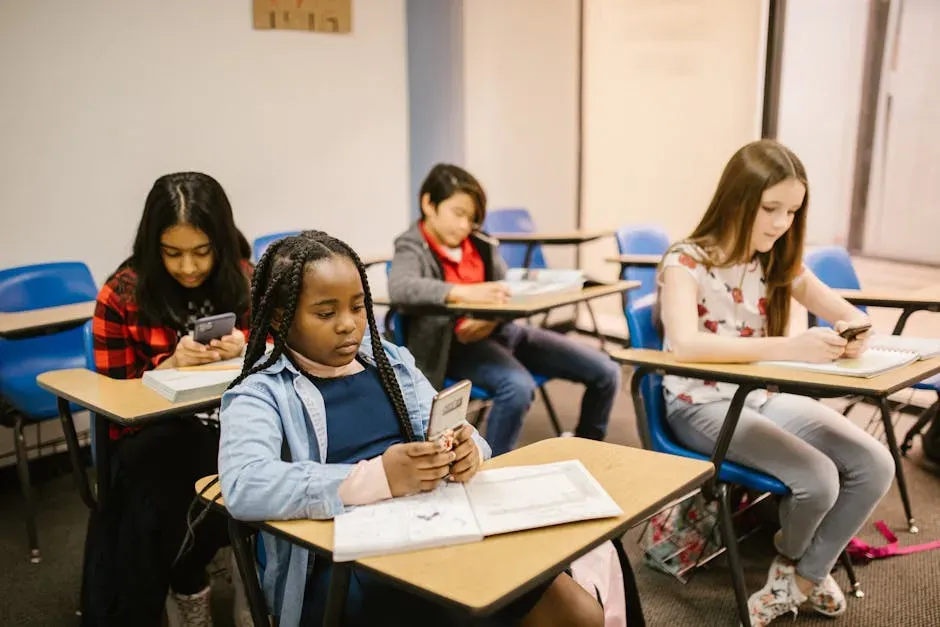
The Screen-Free Saturday trend didn’t emerge in isolation. It’s happening alongside a broader, accelerating push by lawmakers and school districts to push back against device dependency in young people. New York is now the largest state in the U.S. to ban smartphones in public schools. Starting in fall 2025, students are not allowed to use their phones during the school day, including during lunch, recess, or in between classes, a policy that impacts almost 2.5 million students in grades K-12.
Partner offer

Alabama, Arkansas, Nebraska, North Dakota, Oklahoma and West Virginia all passed legislation in 2025 requiring schools to have policies limiting smartphone access, bringing the total to 17 states plus Washington, D.C. that now have phone-free school legislation or executive orders. That’s a legislative wave that would have seemed almost unthinkable just five years ago.
A movement has also been growing in Los Angeles to reduce screen time in and outside the classroom, with the LAUSD school board expected to vote on a resolution to curb screen use after it had already banned cellphones. The line between school policy and home practice is blurring, and Screen-Free Saturdays are filling a gap that schools alone cannot.
The Family Connection Angle: More Than Just Mental Health

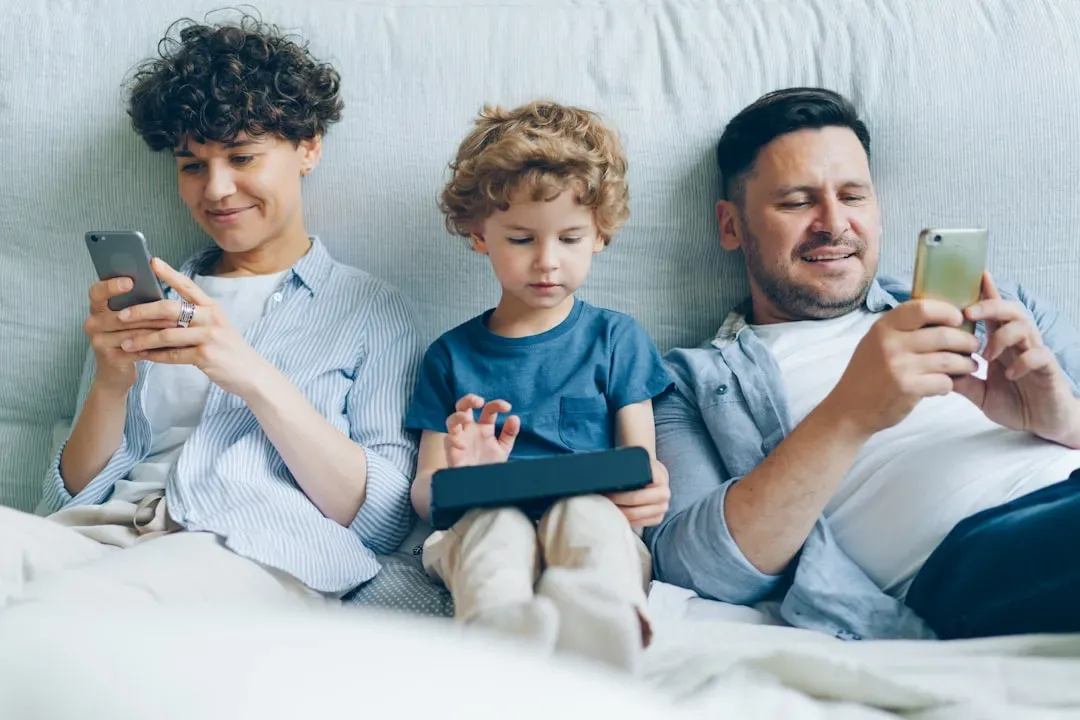
I think this is the part of the story that doesn’t get talked about enough. Screen time isn’t just a mental health issue, it’s a relationship issue. The Harvard T.H. Chan School of Public Health has highlighted that excessive screen use can reduce family interaction time, which researchers consider a key pillar in healthy child development. When everyone is staring at their own device, nobody is really talking to each other. And that absence accumulates.
More teens actually say they spend too much time on their phone or social media than say they don’t spend enough time on them, with 38% of teens in a 2023 Pew Research survey saying they spend too much time on their smartphone. There’s a kind of collective exhaustion setting in, even among the teens themselves.
Most parents are prioritizing the management of phone time, with roughly three quarters of parents saying that managing how much time their teen spends on the phone is an important or top priority. Screen-Free Saturdays offer a concrete, structured way to act on that priority rather than just feeling anxious about it.
What Happens When the Screens Go Off

So what do families actually do on a Screen-Free Saturday? More than you might expect. Instead of relying on screen-related media for entertainment, participants in screen-free initiatives typically read, daydream, explore nature, and spend time with family and friends. It’s a return to a pace of life that many adults remember from their own childhoods, and one that kids often rediscover with surprising enthusiasm.
Research from the CDC has shown that outdoor play and reduced screen time are linked to improved attention spans and better emotional regulation in children. Think of it like resetting a browser with too many tabs open. The brain needs that kind of clearing out. One screen-free day a week won’t fix a chronic problem on its own, but it builds a habit of intentional disconnection that can reshape the whole family’s relationship with technology over time.
Common Sense Media’s 2025 research found that by age 2, roughly two in five children already have their own tablet, and while their screen time remains steady at about 2.5 hours per day, there has been a measurable shift in how that screen time is being used. Starting intentional offline habits early, even one day a week, may help set a different baseline for the next generation entirely.
The Real Challenge: Doing It Consistently
It’s one thing to declare Screen-Free Saturday. It’s another to actually stick to it when your teenager is furious and your toddler is melting down. Honestly, most families who try it admit the first few weeks feel awkward at best, and borderline confrontational at worst. The devices have become comfort objects, and taking them away can feel like a small loss, for everyone in the house, parents included.
In a 2023 Pew Research survey, 72% of U.S. teens said they often or sometimes feel peaceful when they don’t have their smartphone, while 44% say it makes them feel anxious. That split reveals the complexity parents are navigating. The same device that causes stress is also the one kids reach for when they feel stressed. Breaking that cycle requires patience and consistency, not a single Sunday afternoon of willpower.
Advocates for screen-free time note that thirty years into the movement, the problems are more complex than ever. In the past, concerns were largely about children being a captive audience for advertising, whereas today’s children have effectively become the product, with their attention, preferences, connections, and locations all being captured, tracked, bought, and sold between tech giants and brands worldwide. Understanding that dimension helps parents see Screen-Free Saturday as more than just a wellness exercise. It’s a small, weekly act of reclaiming something that has quietly been taken.
Conclusion: One Day Can Change the Whole Week

Screen-Free Saturdays won’t solve every problem that comes with raising children in a hyper-connected world. Nobody is pretending they will. The research, from Pew to JAMA to Common Sense Media, tells a consistent story: screens, in excess and without boundaries, are taking a measurable toll on children’s sleep, mental health, family relationships, and ability to simply be present.
What the movement represents, more than anything, is a shift in mindset. It’s parents saying: we don’t have to accept the default. One day a week, we choose differently. And in 2026, with legislators, school boards, and health organizations all pushing in the same direction, that choice feels less like deprivation and more like wisdom.
The question isn’t really whether Screen-Free Saturdays work. The question is: what would your family do with that time? What would come back into your house if the devices went away for just one day? That answer looks different for every family, and maybe that’s exactly the point.
Partner offer
Planning a trip to Vegas?
Compare hotel rates and show tickets on VEGAS.com.