Hidden Chambers Keep Revealing Themselves
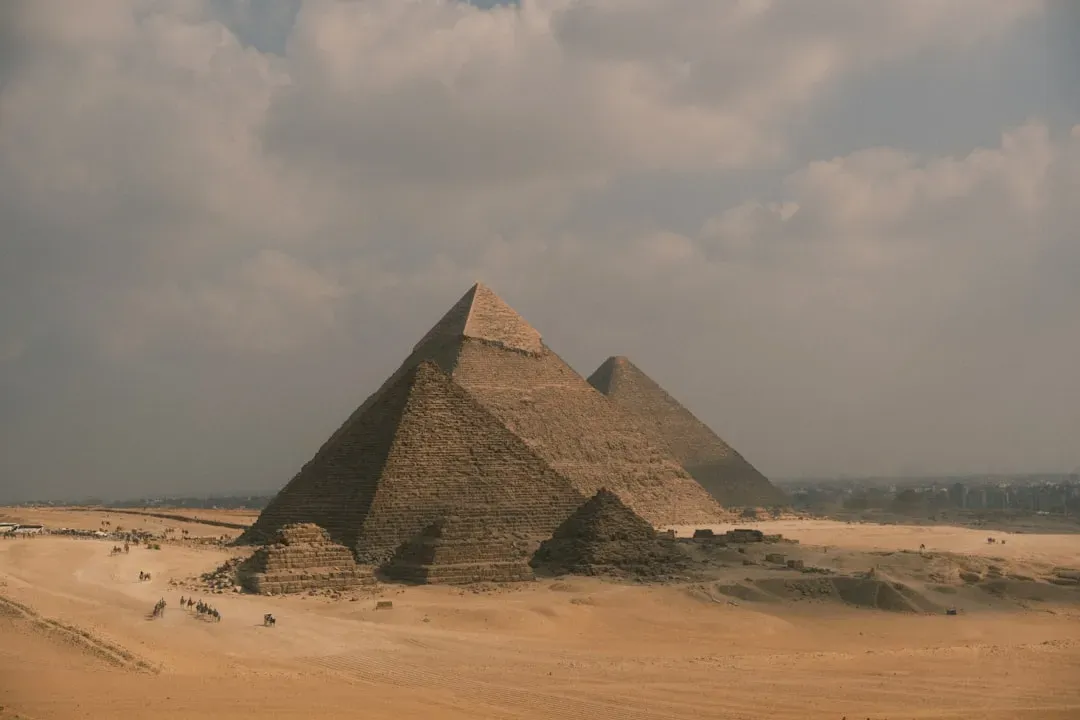
In 2023, ScanPyramids discovered a previously hidden corridor within the Great Pyramid of Khufu, following their 2017 discovery of a massive void. These aren’t dusty textbook discoveries. They’re happening right now, in 2025. In November 2025, researchers from Cairo University and the Technical University of Munich found two air-filled voids behind the eastern face of the Menkaure Pyramid, each measuring around one meter high and positioned just over a meter beneath the surface. Here’s the thing: we’ve been studying these structures for centuries, yet we’re still finding entire rooms and passageways we never knew existed.
A 2025 study using radar, electrical resistivity, and ultrasound techniques revealed that images from a remotely operated camera suggest the void on Menkaure’s east side might contain a hidden second entrance. Imagine that. The smallest of Giza’s three main pyramids might have an entire entrance nobody’s walked through in over four thousand years. Researchers admit that the full extent and purpose of these voids remain undetermined, and they’re calling for additional investigations using muon imaging or endoscopy to gain more information.
The Big Void Nobody Can Explain
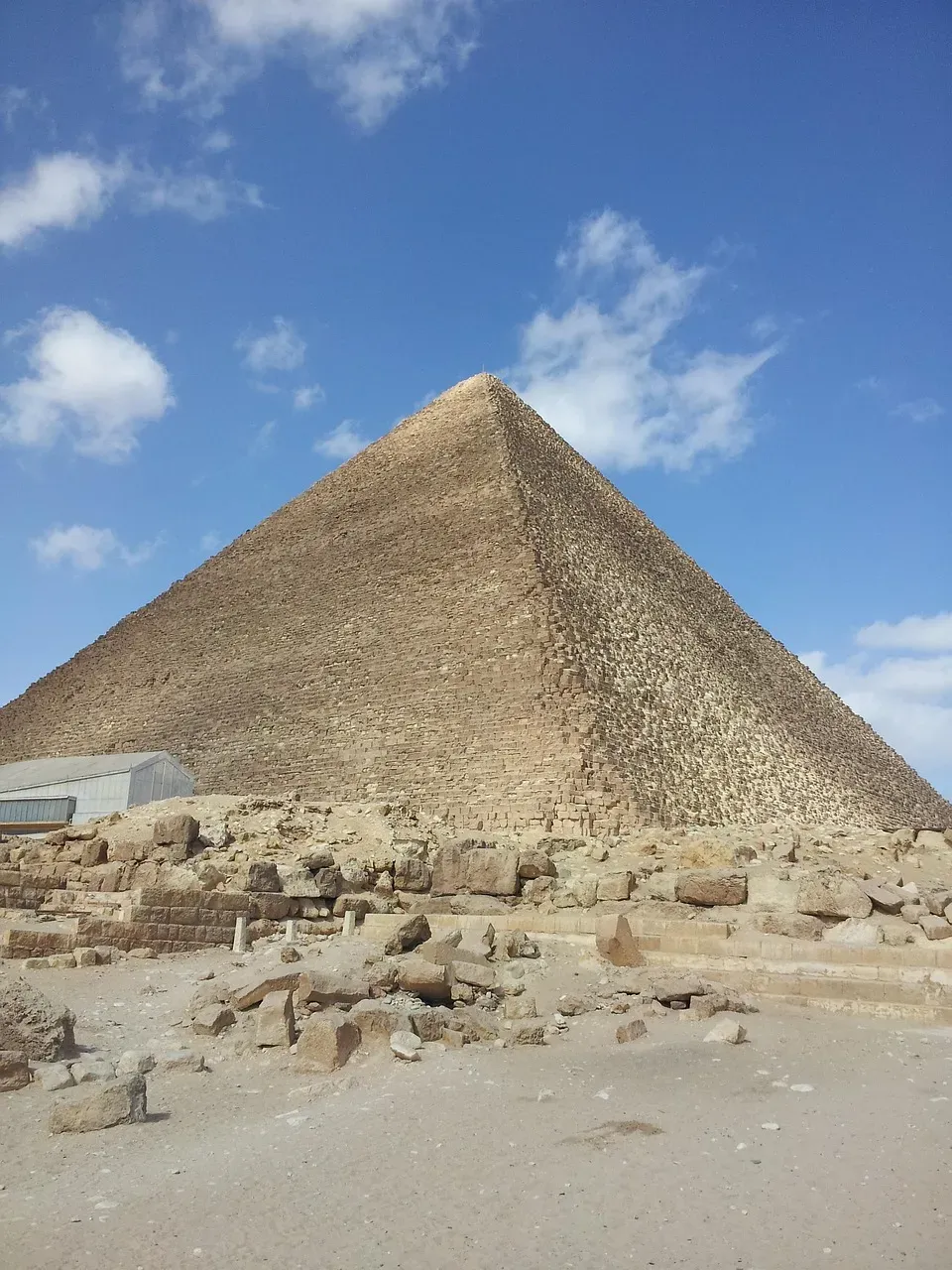
The ScanPyramids Big Void, discovered in 2017, is a massive space located above the Grand Gallery with an estimated length of at least 30 meters and a similar cross-section to the Grand Gallery itself. Let’s be real, that’s enormous. New scans now measure the Big Void at 40 meters in length, and its contents remain a profound mystery. We can detect it, we can measure it, yet we still can’t definitively say what it’s for or what might be inside.
The detection achieved at least a five-sigma level of statistical significance, which means there’s less than a one-in-a-million chance that any one experiment was a fluke – the same level of evidence required when discovering new subatomic particles like the Higgs boson. This isn’t speculation. The void might have served to relieve the weight of stone blocks above the grand gallery to preserve it from collapse, and understanding its detailed structure could help determine how the Great Pyramid was built in the first place.
How They Actually Moved Those Massive Stones
A study published in May 2024 mapped an extinct branch of the Nile called the Ahramat Branch, which once flowed near Egypt’s Great Pyramid and was about 0.5 kilometers wide with a depth of at least 25 meters – crucial for transporting materials and labor for pyramid construction before it likely disappeared due to drought and desertification. For decades, researchers scratched their heads wondering why pyramids were built miles from the current Nile. Turns out, they weren’t. The river moved.
Between 2011 and 2013, fragments of papyri detailing the activities of workers at the Great Pyramid were found at Wadi al-Jarf near the Red Sea, which a professor considers the most important find of his career since they dispel outlandish theories such as aliens being involved and show it was just a large logistical building project. The limestone and granite blocks weighing between one and 40 tons were shaped using soft copper tools, stone hammers, abrasive sand, and wetted wooden wedges to pry slabs from cliff faces. Still, moving blocks weighing as much as eight double-decker buses without modern machinery? That takes serious engineering know-how we’re only beginning to piece together.
The Hydraulic Lift Theory That Changes Everything
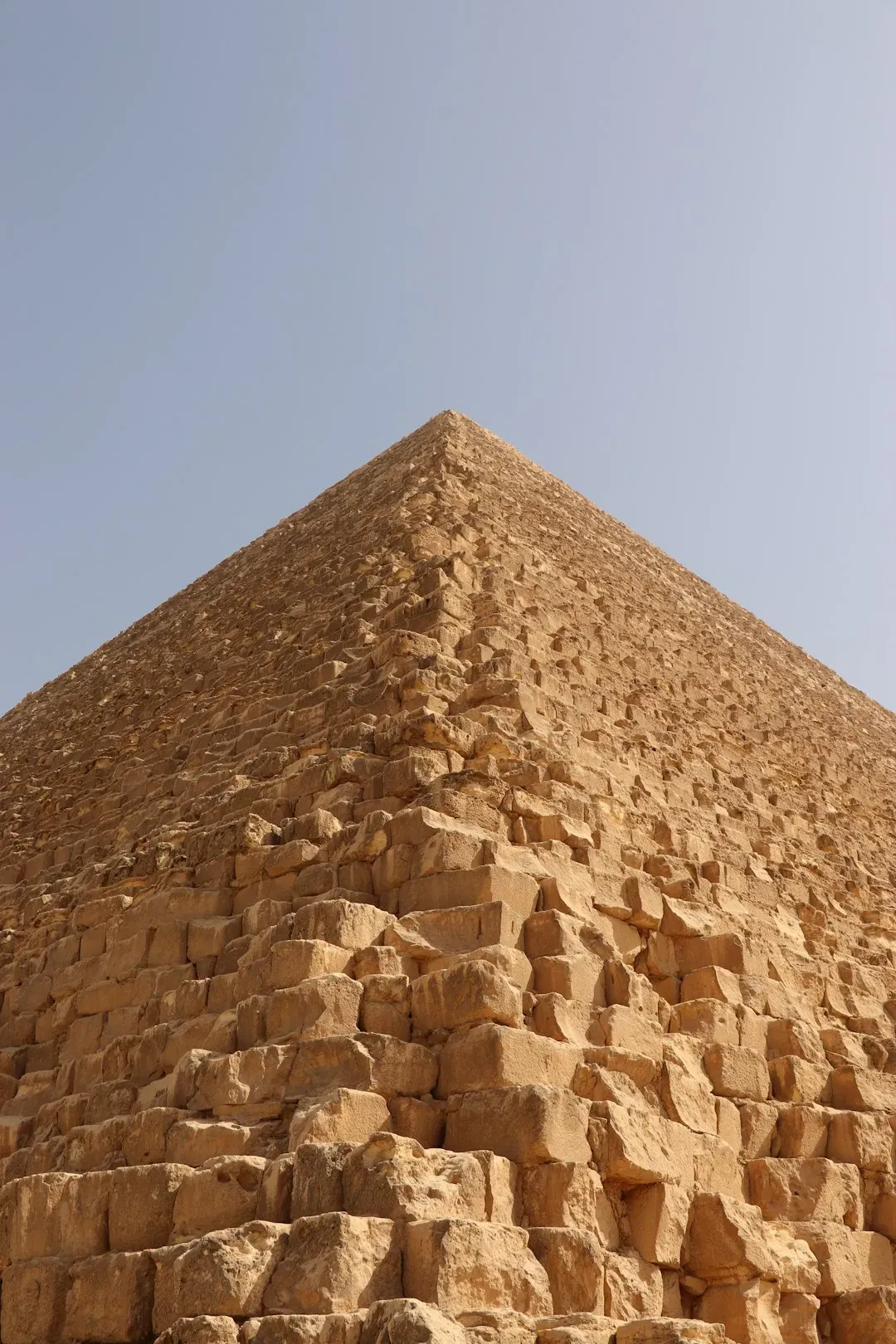
Researchers propose that the Pyramid of Djoser was built using a hydraulic lift mechanism that raised stone blocks through the center of the structure, challenging the long-standing belief that ramps and rollers were the primary methods. This 2024 study published in PLOS ONE isn’t fringe science. The hydraulic lift mechanism seems revolutionary for building stone structures and finds no parallel in our civilization, showcasing excellent energy management and efficient logistics that may have reduced the need for human labor.
The Gisr el-Mudir, a massive rectangular stone enclosure west of the pyramid previously regarded as ceremonial or unfinished, is now interpreted as a check dam built to collect and slow desert runoff, with satellite imagery and elevation data suggesting water from flash floods was diverted into manmade channels and reservoirs. If they’re right, the ancient Egyptians weren’t just advanced builders. They were hydrological engineers operating at a level we’re still trying to comprehend.
The Alignment Precision That Shouldn’t Be Possible
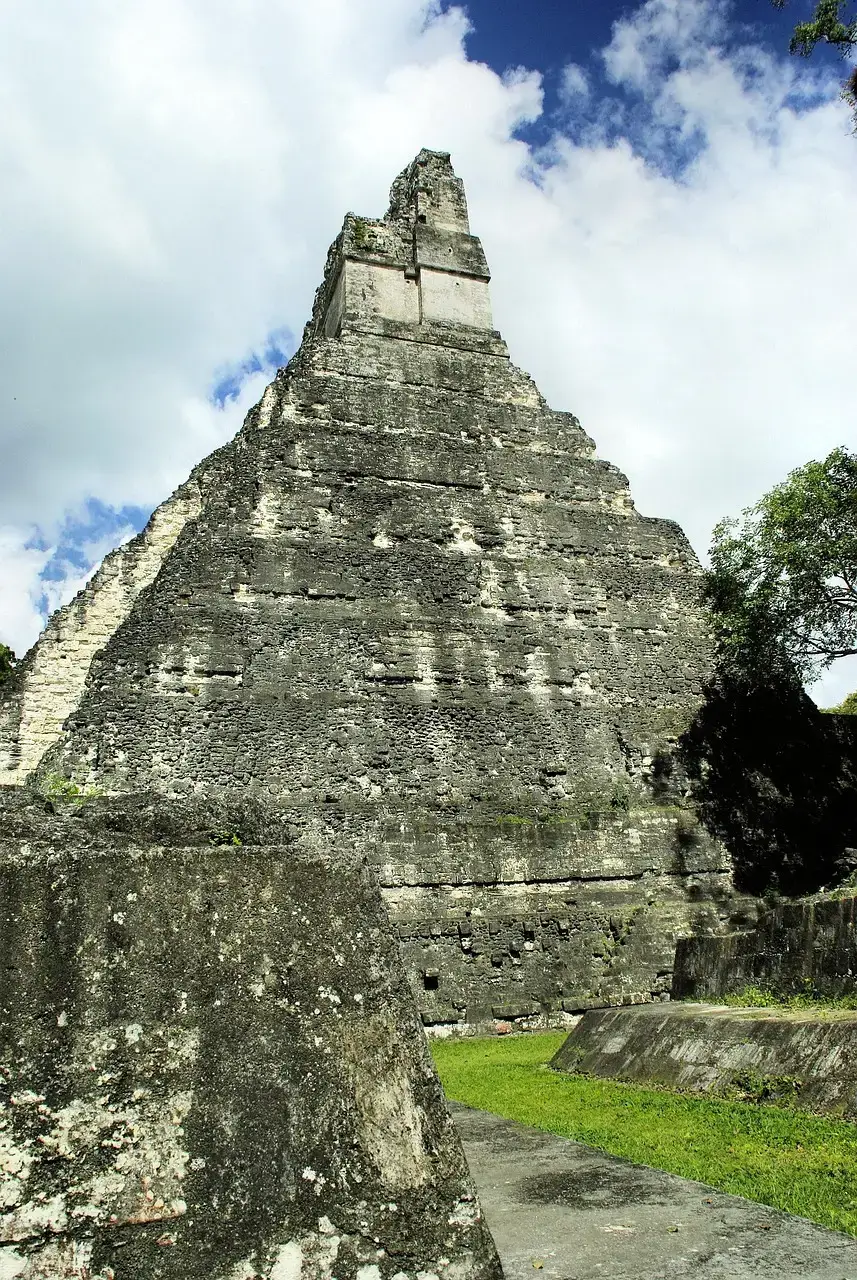
The builders aligned the Great Pyramid of Khufu to the cardinal points with an accuracy of better than four minutes of arc, or one-fifteenth of one degree, and all three pyramids at Giza exhibit the same manner of error – rotated slightly counterclockwise from the cardinal points. Think about that for a moment. The square base of the Great Pyramid is just 3.4 arcminutes off true north, representing a precision of about one millimeter per meter. Without GPS, without compasses, they nailed it.
Egyptian engineers 4,500 years ago used the autumnal equinox to layout the tombs, and a 2016 experiment using a gnomon rod method observed the shadow the Sun made during the equinox to test this theory. Honestly, it’s hard to say for sure whether this was their actual method. The ancient Egyptians left no surviving records that say which methods they used, with no engineering documents or architectural plans found that give technical explanations. The silence is almost as mysterious as the structures themselves.
The Star Alignment Controversy
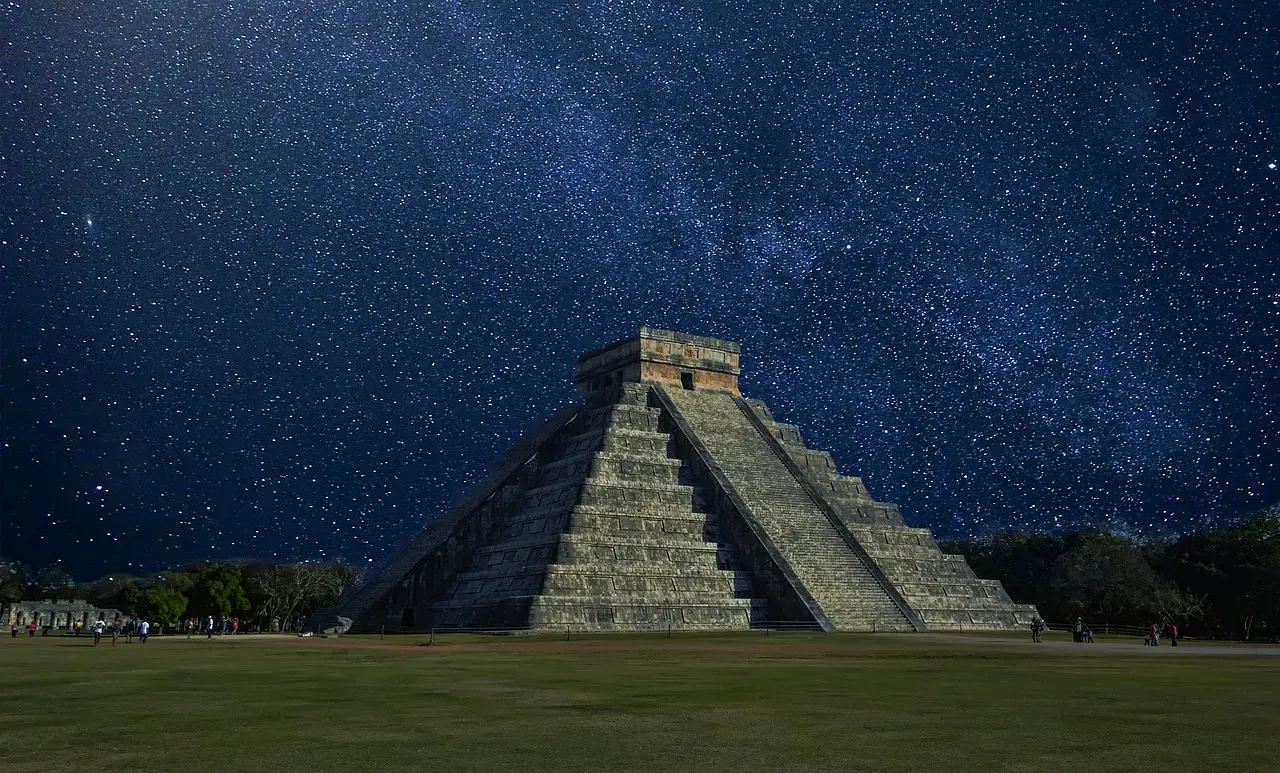
In 1999, astronomers using planetarium equipment exposed serious liberties taken by proponents of the Orion correlation theory – to make the pyramids match Orion’s Belt, you have to invert one or the other, and the stars have moved since the pyramids were constructed. The romantic idea that Giza mirrors the heavens has captivated people for decades. In the 1960s, researchers found that one shaft in the Great Pyramid seems to aim toward where the north star would’ve been when the pyramids were constructed, while another shaft generally points toward Orion’s Belt.
Egyptologist Karen Spence tested whether two stars called Kochab and Mizar could account for pyramid alignments, and this drift in Earth’s axis accounts for the change in pyramid orientation over the years, allowing her to determine the start of construction to within five years. Yet the debate rages on, and honestly, we may never have definitive proof of what celestial calculations the ancient architects actually used.
What Lies Beneath the Sand

In 2025, Italian researchers using deep-penetrating radar mapped a vast city of shafts, tunnels, and chambers 2,000 feet beneath the Sphinx, and while Egyptian authorities rushed to call it fake news, the data suggests a complex urban structure that predates the pyramids themselves. If verified, this discovery could rewrite everything we thought we knew about the Giza plateau. Currently, access to the site is restricted by the Egyptian Ministry of Tourism and Antiquities with no public excavation authorized, fueling conspiracy theories of a cover-up.
The pyramids refuse to give up all their secrets easily. Every answer spawns three new questions. We’ve got the technology to peer inside solid stone with cosmic rays, to map buried rivers with radar satellites, yet fundamental mysteries persist. What really happened on that desert plateau 4,500 years ago remains, in many ways, just beyond our grasp. What do you think is still hiding inside these ancient wonders?