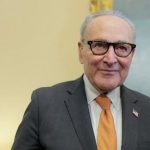


Breakthrough Emerges After Morning Blockade (Image Credits: Unsplash)
Senators struck a bipartisan agreement late Thursday to fund large swaths of the federal government while setting aside contentious Department of Homeland Security measures for further negotiation.[1][2]
Breakthrough Emerges After Morning Blockade
The Senate’s deal materialized hours after Democrats, joined by a handful of Republicans, blocked an initial package of six spending bills that included DHS funding.[1] Lawmakers removed the DHS bill, which covers agencies like the Transportation Security Administration, Federal Emergency Management Agency, Secret Service, and Coast Guard, from the bundle.[3] This left five full-year appropriations bills intact, extending funding for departments such as Defense, Transportation, Housing and Urban Development, Health and Human Services, Labor, and Education through September 30.[3]
President Donald Trump endorsed the arrangement on Truth Social, urging a “very much needed Bipartisan ‘YES’ Vote.”[1] Senate Majority Leader John Thune described the talks as trending positively, though he noted lingering snags on both sides.[2] The compromise followed 24 hours of intense discussions between top Democrats and the White House.[3]
Minnesota Shootings Ignite ICE Reform Push
Recent fatal encounters involving federal agents in Minnesota propelled Democrats to demand operational changes at Immigration and Customs Enforcement and Customs and Border Protection.[2] Border Patrol officers killed Alex Pretti, an ICU nurse, last weekend, marking the second such incident this month after an ICE agent fatally shot poet Renee Nicole Good on January 7 during a protest.[2] Senate Minority Leader Chuck Schumer outlined the demands Wednesday, including an end to roving patrols and stricter warrant requirements.[1]
Senator Dick Durbin, the second-ranking Democrat, stated that the full DHS funding bill would come later, allowing time to address ICE practices nationwide.[1] Proposed reforms also encompassed mandatory body cameras, a ban on agents wearing masks, a uniform code of conduct, and accountability standards aligned with state and local use-of-force policies.[1] These measures aimed to curb what Democrats described as aggressive tactics amid Trump’s immigration enforcement push.
Partner offer

Graham’s Objection Throws Wrench in Momentum
Senator Lindsey Graham emerged as the chief obstacle, objecting after a leadership meeting and declaring the proposal “a bad deal.”[1] He voiced deep offense at criticisms of federal agents, stating, “I’ve never been more offended than I am right now of what’s being said about these folks.”[1] Graham also opposed a provision repealing the “Arctic Frost” measure, which lets senators sue over unauthorized access to their phone records.[3]
His hold prevented a unanimous consent vote Thursday night, prompting lawmakers to adjourn without action.[4] Schumer responded that Republicans needed to “get their act together.”[1] Thune acknowledged the impasse, adding, “Tomorrow’s another day.”[3]
House Delay Raises Shutdown Specter
The agreement now awaits House approval, but Speaker Mike Johnson noted logistical challenges with members scattered during recess.[2] The chamber is not scheduled to reconvene until Monday, likely past the Saturday 12:01 a.m. deadline for the five bills.[1] Johnson predicted a “short shutdown situation,” though impacts would remain minimal over the weekend.[2]
DHS receives a two-week continuing resolution until February 13, shorter than Republicans’ preferred one-to-six weeks.[3] This buys time for ICE talks but risks further stopgaps if unresolved.[1] Seven GOP senators had earlier opposed the original package over spending concerns.[2]
Key Takeaways
- Five spending bills secure full-year funding for major agencies through September.
- DHS gets two-week extension amid Democratic push for ICE accountability reforms.
- Short partial shutdown appears inevitable due to House schedule and Graham’s hold.
This fragile pact underscores deep partisan rifts over immigration enforcement, yet offers a pathway to stability if leaders overcome final barriers. What steps should Congress prioritize next to resolve the DHS standoff? Share your thoughts in the comments.
Partner offer
Planning a trip to Vegas?
Compare hotel rates and show tickets on VEGAS.com.