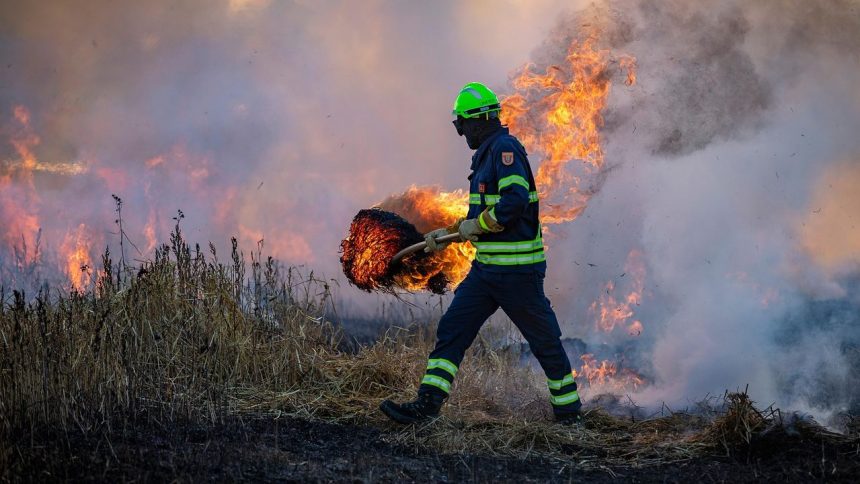
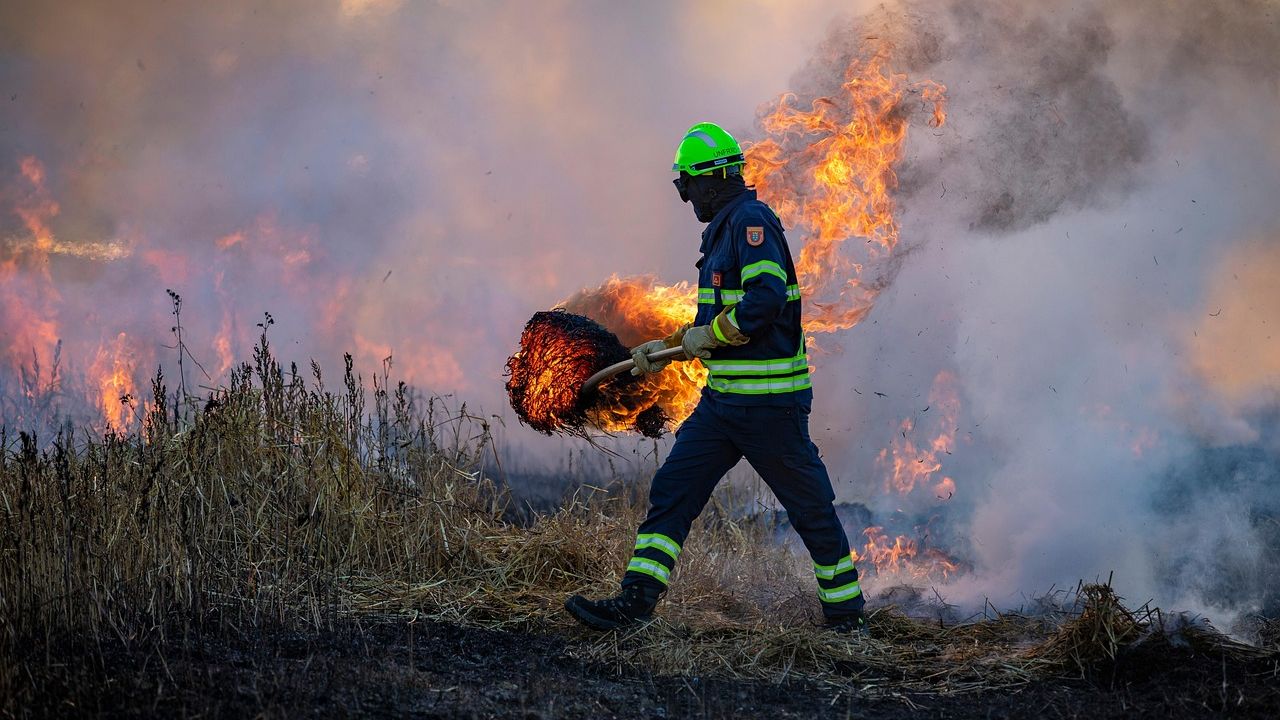

Wildfire Crews Race to Keep Fierce California Blaze From Former Nuclear Reactor Site – Image for illustrative purposes only (Image credits: Pixabay)
West Hills, Calif. – Melissa Bumstead loaded her gray SUV and grabbed a fire-proof bag as soon as smoke began to fill the sky over her neighborhood on Monday. The Sandy Fire, the first major blaze of the season in the region, had already grown large enough to force quick decisions. Shifting winds had turned the flames toward a former nuclear reactor and rocket testing site that sits nearby.
Fire Advances on Sensitive Ground
The change in wind direction placed the old facility directly in the path of the advancing flames. Fire crews responded by focusing resources on containment lines that could keep the blaze from reaching the site. Officials noted that the location had long been a point of local concern because of its past use and the incomplete nature of earlier cleanup work.
Residents who live close by watched the smoke columns rise and wondered how far the fire might travel before crews gained the upper hand. The combination of dry conditions and the sudden wind shift created a fast-moving threat that demanded immediate attention from incident commanders.
Local Families Weigh Past Risks
Many households in the area already knew the history of the site and the questions that remain about how thoroughly it was cleaned after operations ended. That knowledge added extra urgency to evacuation plans for people like Bumstead who decided not to wait for further orders. Parents discussed what the fire could mean for soil and air quality if it reached the former testing grounds.
Community conversations turned quickly to the need for better information about the site’s current condition. Families wanted clear updates on whether any remaining materials could become a secondary hazard if the flames crossed containment lines.
Crews Focus on Containment
Firefighters worked through the day to strengthen defenses around the most vulnerable sections of the perimeter. Their efforts centered on preventing the fire from crossing into the old facility while also protecting nearby homes. The operation required careful coordination because of the site’s location and the sensitive nature of its past activities.
Authorities continued to monitor wind patterns closely, knowing that another shift could change the fire’s direction again. Updates from the incident command post stressed that the priority remained keeping the blaze away from the former reactor area until full containment could be achieved.
What matters now: Fire crews are holding the line against shifting winds while residents stay ready to move. The outcome will depend on how quickly containment holds and whether further weather changes complicate the fight.