Your landline rings. You pick it up. A friendly voice asks, “Can you hear me?” You say “Yes.” And just like that, you may have handed a scammer exactly what they needed. It sounds almost too simple to be dangerous, but the reality of modern phone fraud is stranger and more sophisticated than most people realize. Criminals are no longer just after your credit card number – they’re after your voice, your habits, and your trust.
What follows is a gallery of ten verified facts that reveal just how ruthless this problem has become, who is behind it, and what you can do to protect yourself starting today. Let’s dive in.
The Numbers Are Staggering – and Getting Worse
The Federal Trade Commission reported that consumers lost more than $10 billion to fraud in 2023, marking the first time that fraud losses had ever reached that threshold. That alone should give you pause. Now here’s the kicker: it got worse.
Newly released FTC data show that consumers reported losing more than $12.5 billion to fraud in 2024, representing a 25% increase over the prior year. Think about that for a second. We’re not talking about a slow creep upward – this is a significant jump, year over year.
The increase was not driven by more fraud reports – instead, the percentage of people who reported actually losing money to a scam jumped dramatically, from roughly a quarter of reporters in 2023 to more than a third in 2024. Scammers aren’t just calling more people. They’re getting better at taking money from them.
Phone Calls Remain One of the Most Common Weapons

You might assume that in the age of social media and email phishing, the old-fashioned phone call has become less of a threat. Honestly, that’s exactly what scammers are counting on you to think.
For the second consecutive year, email was the most common way consumers reported being contacted by scammers in 2024, with phone calls ranking as the second most commonly reported contact method, followed by text messages. Second place among all fraud contact methods is still a massive number.
Phone calls were the second most commonly reported contact method for fraud in 2023 as well, following text messages which had briefly held the top spot in 2022 after decades of phone calls being the most dominant. The phone line, whether mobile or landline, remains a favorite gateway for criminals. Old habits die hard – for fraudsters, too.
Billions of Robocalls Every Single Year
Here’s a number that should genuinely disturb you. According to YouMail, robocallers targeted U.S. consumers with 52.8 billion calls in 2024, down slightly from the 55.1 billion robocalls recorded in 2023. That is not a typo. Fifty-two billion calls in a single year.
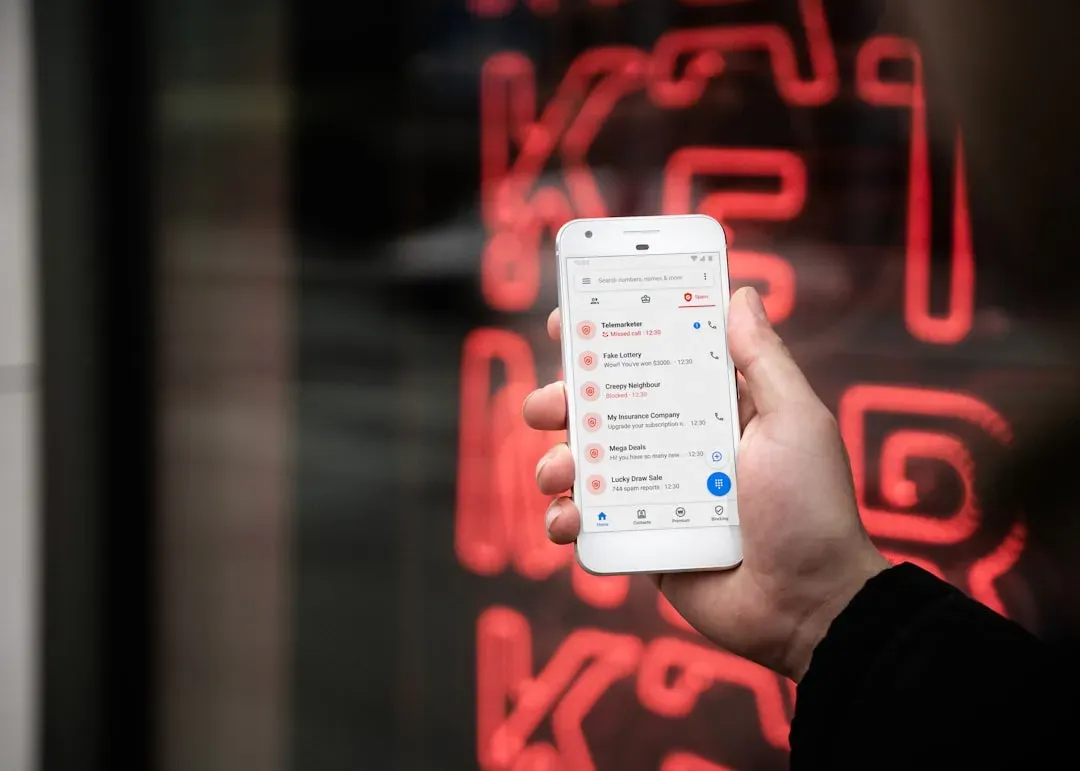
A breakdown of 2024 robocall types shows that scam calls made up roughly 22% of all robocalls – covering everything from IRS fraud and Social Security scams to fake sweepstakes wins – reinforcing the need for vigilance among consumers. Nearly one in four robocalls arriving on your phone is, essentially, an attempt to steal from you.
About one third of Americans say they get at least one scam phone call a day, while about one fifth say they receive one scam text every day, according to the Pew Research Center. For many households, the landline rings constantly – and most of those calls are not worth answering.
The ‘Yes’ Trap: How One Word Can Cost You
Let’s get into the specific danger that gives this article its headline. It is one of the most quietly alarming scam techniques out there, and it works because it targets ordinary human politeness.
The FCC warns that scammers often engineer calls specifically to get a recording of you saying a simple affirmative response. Scammers create a false sense of urgency and leverage technology and information they can find online to sound convincing. A recorded “yes” can potentially be used to authorize fraudulent charges or subscriptions, making the scam harder to dispute later.
The FCC advises consumers not to answer calls from numbers they don’t know, and to hang up right away if someone asks for money or personal information. The word “yes” may seem harmless. In the wrong hands, it is not. Say nothing. Just hang up.
Impersonation Scams Are the Most Reported Fraud Category

There is something deeply unsettling about receiving a call from what appears to be your bank, your government, or your local hospital – only to discover it’s none of those things.
The FTC received over 850,000 reports of impostor scams in 2023, with losses reaching $2.7 billion – scams in which criminals pretend to be government officials, police, major companies like Amazon or PayPal, relatives in trouble, or tech support professionals.
The most commonly reported scam category remained imposter scams into 2024, with losses to government imposter scams alone totaling $789 million – a jump of $171 million from the year before. When someone on the phone claims to be from the IRS, Social Security, or your bank, treat it as a red flag first, not a fact.
Caller ID Spoofing Makes It Almost Impossible to Trust Your Screen

Here’s the thing – even if you check who’s calling before you answer, you still might be fooled. Caller ID spoofing has become so sophisticated that a call can appear to come from your own bank’s verified phone number while actually originating from a scammer in another country.
Caller ID spoofing is when a caller deliberately falsifies the information transmitted to your caller ID display to disguise their identity, and it is often used as part of an attempt to trick someone into giving away valuable personal information.
Scammers often use caller ID spoofing to make their calls appear legitimate so that you are more likely to answer – and if you think the call has been spoofed, the FCC’s advice is simple: don’t hang on, hang up. Think of caller ID like a name badge at a costume party. Anyone can put one on.
STIR/SHAKEN Was Supposed to Fix This – But Scammers Adapt
Governments and regulators have not been sitting idle. There is a system in place – called STIR/SHAKEN – specifically designed to combat spoofed calls. It’s worth knowing what it does, and what it doesn’t.
The STIR/SHAKEN framework is an industry-standard caller ID authentication technology – a set of technical standards and protocols that allow for the authentication and verification of caller ID information for calls carried over internet protocol networks. Essentially, it lets phone companies digitally “sign” legitimate calls.
The FCC mandated that non-gateway intermediate providers implement STIR/SHAKEN from December 2023 onward, though the protocol still has real limitations – not all calls can be verified due to network and device compatibility issues. It’s a step forward, but it is not a wall. Scammers are already finding gaps to slip through.
Older Adults Are Especially Vulnerable – and Lose Far More

It would be easy to assume that only the tech-illiterate fall for phone scams. The data paints a more nuanced picture – and a more sobering one.
New analysis from the FTC shows a more than four-fold increase since 2020 in reports from older adults who say they lost $10,000 or more – sometimes their entire life savings – to scammers who impersonate trusted government agencies or businesses. These aren’t small losses. These are life-altering amounts.
Combined losses reported by older adults who lost more than $100,000 increased eight-fold from 2020 to 2024, and while younger consumers also report these scams, older adults were far more likely to experience these catastrophically high losses. A single phone call. An entire retirement. Gone.
The Global Scale of This Problem Is Almost Incomprehensible
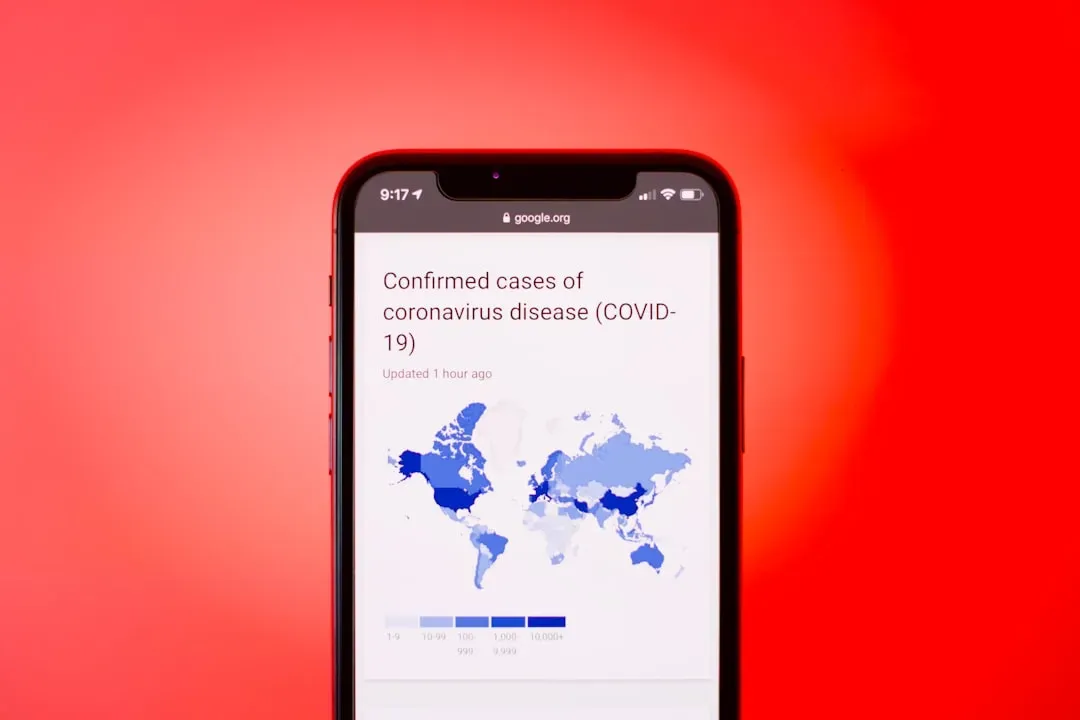
Phone fraud is not just an American problem. It is a worldwide crisis that has reached numbers that are genuinely hard to wrap your head around.
Scam losses worldwide surpassed $1.03 trillion in 2024, according to the Global Anti-Scam Alliance (GASA). One trillion dollars. That is more than the GDP of most countries on Earth, lost to scammers in a single year.
GASA also found that nearly half of consumers encounter scam attempts at least weekly – and among those who fall victim, only 4% fully recover their money. That last figure is haunting. Once the money is gone, it is almost never coming back. Prevention is the only real protection.
What You Should Actually Do When the Phone Rings

So what does sensible, practical self-defense look like? Fortunately, the guidance from regulators is fairly clear and easy to follow.
The FCC advises consumers not to answer calls from numbers they don’t know, and to hang up right away if someone asks for money or personal information. Legitimate organizations do not demand snap decisions over the phone. They leave voicemails. They send letters. They can be called back on verified numbers.
Never share account numbers, Social Security numbers, passwords, PINs, or other important information over the phone – and if someone says they’re calling from a company or government agency, hang up and call back using an official phone number from an account statement or their website. Treat every unsolicited call as suspicious until proven otherwise. That slight inconvenience is a very small price to pay for peace of mind.
Conclusion: Silence Really Is the Safest Answer

We live in an era where a single spoken word – “yes” – can be weaponized against you. Where the number on your screen cannot be trusted. Where fraudsters collectively take home more than a trillion dollars a year from ordinary people around the world. That is the reality of phone scams in 2026.
The good news is that awareness itself is powerful. You don’t need expensive software or a security degree to protect yourself. You need a reflex: unknown number, unfamiliar voice, strange question – hang up, verify, then call back if necessary.
The phone is still a wonderful tool. Just remember that for some callers, it is a tool for theft. Stay skeptical, stay silent when in doubt, and never let politeness cost you everything. What would you do if a stranger called right now and asked, “Can you hear me?”