
Las Vegas runs on small business. From the restaurants and retail shops lining the resort corridor to the service companies, tech startups, and hospitality vendors spread across the valley, the overwhelming majority of the local workforce works for employers with fewer than 100 people on payroll. For most of those owners, offering a competitive retirement benefit always seemed like something for bigger companies with bigger budgets. That calculation is changing. A wave of federal retirement legislation, reinforced now by Nevada’s own state mandate, has restructured the economics of retirement plans specifically in favor of small employers. The savings are real, the rules are in effect, and for Las Vegas business owners paying attention, the timing matters.
What SECURE 2.0 Actually Is


Congress passed the SECURE 2.0 Act in December 2022 as part of a $1.7 trillion omnibus spending package, and the act builds on the original Setting Every Community Up for Retirement Enhancement Act of 2019. Its name is not just a label. The law includes dozens of changes designed to help people put more money away for retirement, make retirement plans more accessible, and simplify the rules for both individuals and their employers.
The comprehensive rule was enacted on December 29, 2022, and many of its provisions apply specifically to small businesses with 100 or fewer employees. Crucially, the law is not a one-time event. Its provisions roll out in stages, with major changes hitting in 2024, 2025, 2026, and beyond. For Vegas entrepreneurs, understanding the timeline is just as important as understanding the rules themselves.
The Tax Credit That Can Cover 100% of Startup Costs


The SECURE 2.0 Act introduced new and enhanced tax credits aimed to support small business owners in establishing affordable retirement plans, and these provisions are designed to encourage employers to offer benefits to their employees by incentivizing retirement savings and alleviating some of the costs associated with starting retirement plans.
The SECURE Act 2.0 provides that eligible employers with 1 to 50 employees are eligible for an increased small employer pension plan startup costs credit of 100% of qualified startup costs. This allows employers to claim 100% of qualified startup costs of up to $5,000, toward starting SEP, SIMPLE, defined benefit, and defined contribution plans, including 401(k) plans. These tax credits can add up to $15,000 over three years.
One of the main barriers for small businesses to establish a retirement plan has been the upfront cost of setting it up, and SECURE 2.0 has addressed that head-on by increasing the startup credit to up to 100% of eligible costs. For a small Vegas restaurant or boutique that previously saw plan administration fees as untouchable overhead, that shift is significant.
An Extra Credit for Employer Contributions


Small business owners who provide employer matching or profit-sharing contributions to company-sponsored retirement plans can now receive a tax credit under the SECURE Act 2.0, and employers with no more than 100 employees are eligible. The maximum credit is equal to the applicable percentage of employer contributions capped at $1,000 per employee.
This tax credit gradually reduces over a period of five years and is further reduced for businesses with 50 to 100 employees. Still, for a small business in its first few years of offering a plan, it represents a meaningful offset against the real cost of helping workers save. These employer tax credits benefit small businesses in several ways, and reducing the out-of-pocket expenses associated with establishing a retirement plan allows employers to offer valuable benefits, boosting employee satisfaction and retention.
The Starter 401(k): A Simpler On-Ramp for New Plans


The Starter 401(k) provides small businesses that lack a 401(k) plan a simpler path to establishing one, with features that include streamlined regulatory and reporting requirements, auto-enrollment for all employees starting at 3% of their pay, a $6,000 annual contribution limit rising with inflation, and a deferral-only structure, meaning the plan does not permit matching employer contributions.
Starting in 2024, employers who don’t already offer retirement plans can offer a starter 401(k) or safe harbor 403(b) plan to employees who meet age and service requirements. The starter plan provides an ideal first step for small businesses since employers are not required to match contributions. With this provision, even the smallest businesses can offer their employees something to help with retirement.
Through this provision alone, the American Retirement Association estimates that 19 million workers will gain access to a workplace retirement plan. For a Las Vegas small business owner who wants to offer something meaningful without taking on too much administrative complexity right away, the Starter 401(k) is a low-friction starting point.
Mandatory Auto-Enrollment Changes the Default

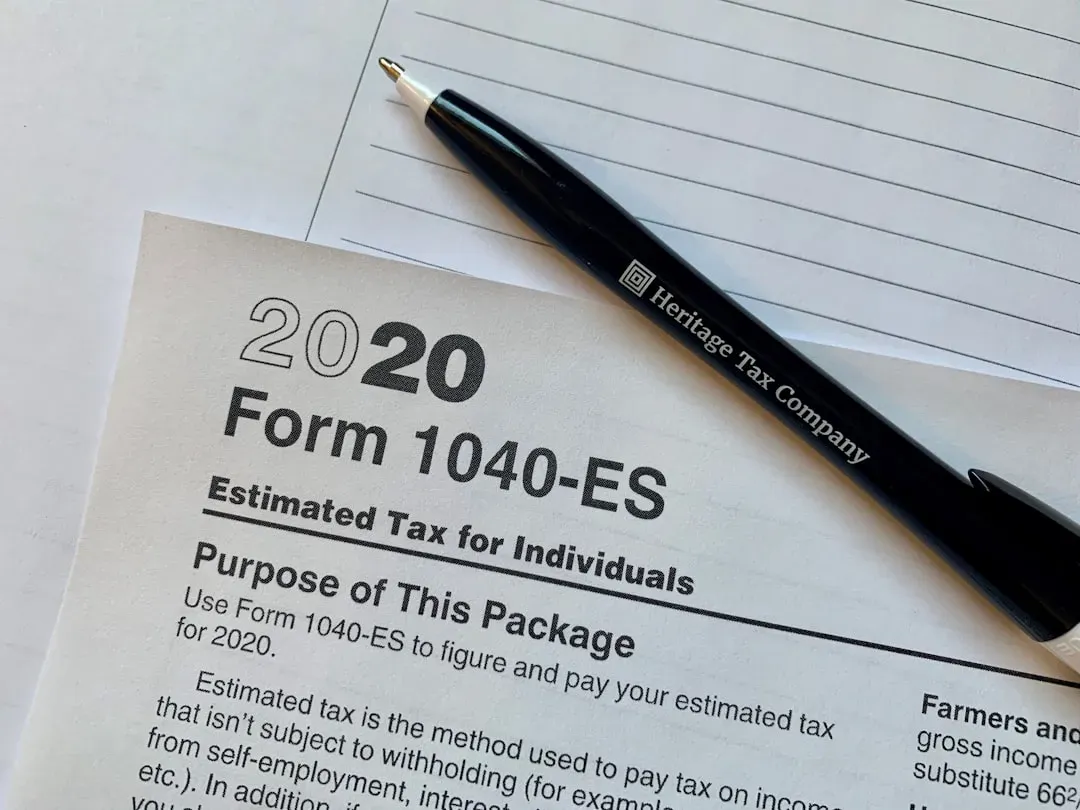
SECURE 2.0 requires automatic enrollment for new 401(k) or 403(b) plans beginning in 2025. The initial default rate must be between 3% and 10%, including annual auto-escalation of 1%, up to at least 10% but not more than 15%. This means employees are saving from day one unless they actively choose not to.
Employees who prefer not to participate can opt out. There is an exception to the requirement for small businesses with 10 or fewer employees, new businesses less than 3 years old, churches, and governmental plans. That carve-out matters in Vegas, where the startup ecosystem is active and many businesses are still in their early years.
The goal of auto-enrollment is to make saving for retirement easier for employees by eliminating the hassle of onboarding and completing enrollment paperwork. It is one of the more practical shifts in the law, because inertia tends to work against retirement savings, and automatic enrollment reverses that tendency with minimal ongoing effort from the employer.
Bigger Catch-Up Contributions for Older Workers


401(k) catch-up contributions allow employees aged 50 and older to contribute beyond standard IRS contribution limits, helping them boost their retirement savings as they approach retirement. SECURE 2.0 expanded this meaningfully. Effective for 2025, the catch-up contribution limit for participants who are ages 60 through 63 will be raised to the greater of $10,000 indexed for inflation, or an amount equal to 150% of the standard catch-up amount.
For 2025 and 2026, the higher limit on catch-up contributions for such participants is $11,250, and $5,250 for SIMPLE plans. The limit on elective deferrals, other than catch-up contributions, is $23,500 for 2025 and $24,500 for 2026. For business owners and long-tenured employees in their early sixties, this is a genuine opportunity to accelerate savings in their final working years.
Partner offer

Part-Time Workers Now Have Faster Access to Retirement Plans


In the past, part-time workers were not eligible to join their employers’ 401(k) plans if they didn’t work at least 1,000 hours a year. That created a gap that hit service industries particularly hard. Las Vegas, with its large base of part-time and seasonal hospitality workers, felt that gap acutely.
As of January 1, 2025, long-term part-time workers are eligible to enroll in their employer’s retirement plan after two years, rather than the previous three-year requirement. According to current law, a long-term part-time employee is anyone who has worked at least 500 hours in each of two consecutive years.
These changes also allow small businesses to support their employees with retirement savings, which can improve their attraction and retention efforts. In a labor market as competitive as Las Vegas, that is not a minor point. Offering retirement access to long-serving part-timers sends a signal about how a business values its people.
The Student Loan Match: A Recruiting Edge for Small Employers


Realizing that paying down education debt and saving for retirement is a delicate balancing act, Congress created a formal process offering employers an approach to help lessen the financial strain of their employees laden with student debt. Under SECURE 2.0, employers can provide for matching contributions on the basis of employees making qualified student loan payments.
Under the rule, if an employee makes payments to their student loan, the employer can match those payments with contributions to the employee’s 401(k). This optional provision became effective as of January 1, 2024, and applies to retirement plans already offering matching contributions. The new student loan matching contribution should serve as an additional way for employers to increase an employee’s financial wellness, as well as attract and retain talent.
For Vegas employers hiring recent college graduates or workers with significant debt burdens, this provision offers a tangible recruiting advantage that larger competitors have already started using. The key word is optional: small businesses can choose to adopt it when they’re ready.
Nevada Adds Its Own Retirement Mandate

The 2023 Nevada Legislature passed SB 305 mandating that most employers automatically enroll all employees in the new Nevada Employees Savings Trust offered by the State of Nevada or in a similar retirement savings program by July 1, 2025. This state-level push runs alongside the federal SECURE 2.0 rules, creating a layered obligation for Vegas business owners.
The Nevada Employee Savings Trust is a state-facilitated retirement savings program targeted to private-sector employers who do not offer an employer-sponsored 401(k) or pension plan, and it aims to provide a way for employees to save for retirement with facilitation support for participating businesses. Employers with six or more employees who have been in business for at least 36 months must register by September 1, 2025, if they don’t already offer retirement benefits.
An employer-sponsored plan has distinct advantages over the proposed state-sponsored plan. For example, an employer-sponsored plan gives you more control over plan design, allowing you to tailor it to your company’s and employees’ needs. Employer-sponsored plans also often have higher contribution limits than state-sponsored IRAs. For Vegas owners subject to the mandate, the SECURE 2.0 tax credits make setting up a qualified plan an economically attractive alternative to the state default.
Plan Amendment Deadline and What to Do Now

Employers must comply with SECURE 2.0 changes as they take effect in 2025, but have until December 31, 2026, to formally adopt the changes by plan amendment. That window provides some administrative breathing room, but it does not mean waiting is advisable. While formal amendments are not required just yet, employers should start applying the SECURE 2.0 Act provisions in accordance with the provision’s effective date.
The IRS has updated Publication 560, Retirement Plans for Small Business, for reporting about the 2025 plan year. It is relevant to SEP simplified employee pension plans, SIMPLE savings incentive match plans for employees, and qualified plans such as 401(k) plans. That publication is a good first reference point for any Vegas owner trying to understand where their current plan stands.
SECURE 2.0’s 2025 changes present a few compliance challenges, but with timely action they are manageable and even beneficial for your business and employees. In summary, key steps include adding automatic enrollment for new plans, including long-term part-timers, and adjusting catch-up contributions for ages 60 to 63. Working with a plan administrator or financial advisor who knows these rules is the most reliable way to capture the available credits and stay compliant at the same time.
The Bottom Line for Las Vegas Business Owners


The combination of federal tax credits, expanded plan options, and Nevada’s own state mandate has made 2025 a pivotal year for small business retirement planning in Las Vegas. The backbone of SECURE 2.0 is enabling small and medium-sized businesses to offer better retirement savings opportunities to their employees. For the first time, the financial math genuinely favors action over inaction for most small employers.
Beyond the tax savings, a retirement plan can help you recruit top talent, reduce turnover, and support your employees’ long-term financial wellness. In a city where talent competition is fierce and loyalty is earned, that combination carries real weight. By embracing these new provisions offered through SECURE 2.0, small businesses can better support workers’ retirement plans.
Vegas was built on calculated risk and smart odds. Right now, the odds strongly favor small business owners who take the time to understand what these new rules offer. The startup costs are lower, the credits are larger, the compliance window is still open, and the workforce expects more. That’s a set of conditions worth acting on.
Partner offer
Planning a trip to Vegas?
Compare hotel rates and show tickets on VEGAS.com.