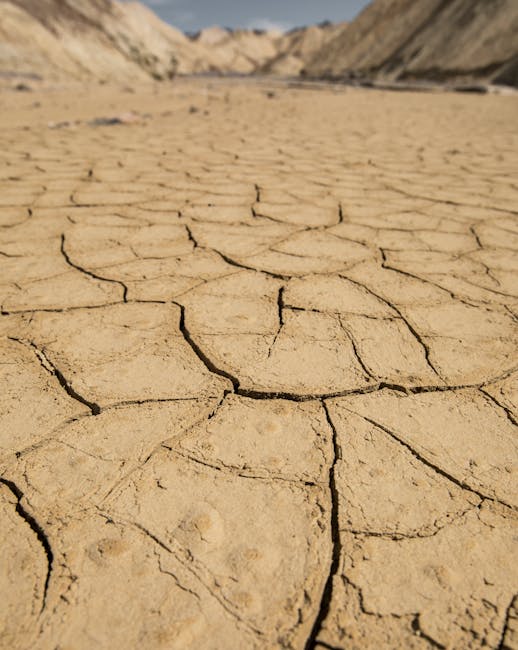
Resident Sounds Alarm on Overdevelopment (Image Credits: Pexels)
Southern Nevada – Residents face mounting pressure from dwindling water supplies as the region grapples with explosive population growth. A recent letter to the editor captured this tension, arguing that water shortages, not federal land policies, pose the true barrier to expansion.[1] Lake Mead, the primary source for 90 percent of the area’s water, continues to decline amid prolonged drought and climate shifts, prompting calls for a development slowdown. Local officials counter that conservation successes allow growth to persist.
Resident Sounds Alarm on Overdevelopment
Thomas Robinson of Las Vegas delivered a stark rebuke to development advocates in his March 18 letter published by the Las Vegas Review-Journal. He targeted a commentary by former Bureau of Land Management employee Mike Ford, who blamed the BLM for restricting land releases and inflating housing costs through minimal parcel auctions.[1][3]
Robinson dismissed such claims. Water scarcity represents the real chokehold, he contended, warning of future rationing on showers, laundry, pools, and toilets if building continues unchecked. Over the past 25 years, phased restrictions have already reshaped daily life, he noted. Local governments prioritize tax revenue over sustainability, according to Robinson. Restricting growth must become the priority.
Lake Mead’s Persistent Decline Defines the Challenge
The U.S. Bureau of Reclamation declared the first-ever shortage on the Colorado River in 2021, a milestone that persists today. Southern Nevada entered 2026 under Tier 1 restrictions, limiting the state’s allocation to 279,000 acre-feet from a baseline of 300,000 – though actual use remains below that at around 198,000 acre-feet.[4] Lake Mead’s elevation stood at 1,062 feet in late 2025, within the Tier 1 range of 1,050 to 1,075 feet.
Since 2000, the reservoir has dropped about 160 feet due to drought, aridification, and upstream demands. Climate projections forecast even warmer conditions in Clark County, with temperatures rising 5 to 10 degrees by century’s end and reduced precipitation. Upper Basin snowpack lags at 69 percent of average, threatening future inflows. Negotiations for post-2026 operations remain unresolved, heightening uncertainty.
Population Surge Tests Water Limits
Clark County’s population neared 2.4 million in 2025 and could reach 3 million by 2045, adding up to 340,000 residents in the next decade alone.[5][6] This boom fuels debates over sustainability. Southern Nevada Water Authority officials insist the crisis will not halt expansion. Aggressive conservation has shrunk per capita use from 235 gallons daily in 1990 to 89 gallons in 2023, with a target of 86 by 2035.[7]
Deputy General Manager Colby Pellegrino emphasized adaptation. “Our goal is to always be ahead from an adaptation standpoint,” she stated. The agency pursues a “growth agnostic” stance, focusing on the water footprint of new projects. Projections suggest the region can stay within supplies through 2075 if goals hold, even with further cuts.[7] Critics, however, see risks in relying on such optimism amid interstate tensions.
Conservation Measures Sustain the Balance
Southern Nevada has pioneered water efficiency amid growth. Per capita use fell 58 percent from 2002 to 2025, even as the population rose by 876,000. The region banks over 2.2 million acre-feet for emergencies and returns treated wastewater to Lake Mead.
- Mandatory seasonal outdoor use restrictions target 60 percent of consumption.
- Water Smart Landscapes rebates replace grass with drought-tolerant plants.
- Bans on nonfunctional turf in new homes and evaporative cooling moratoria cut demand.
- Excessive use fees and waste reporting enforce compliance.
- Contributions to system-wide conservation total 2.03 million acre-feet through 2024.
These steps position Nevada as the Lower Basin’s smallest user. Future plans include desalination, recycling expansions, and rural groundwater – though environmentalists oppose the latter.
Future Outlook Hinges on Collective Action
Pipelines and interstate deals offer hope, but experts warn of bumpy roads ahead. Former SNWA leader Pat Mulroy urged comprehensive solutions like mass recycling. Economic diversification beyond tourism adds pressure, with data centers drawing significant water. Rural pumping proposals have faltered before due to opposition.
Through 2026, Tier 1 persists, but post-2027 rules remain fluid. Federal intervention looms if states fail to agree by February.
Key Takeaways
- Lake Mead shortages reduce Nevada’s allocation by 7 percent, yet use stays low.
- Population nears 3 million by 2045, supported by halved per capita consumption.
- Conservation lists have saved millions of acre-feet, buying time for innovation.
Southern Nevada stands at a crossroads where water realities challenge growth ambitions. Strong conservation provides breathing room, but unchecked development risks tipping the scales. What do you think about balancing expansion and water security here? Tell us in the comments.