Minnesota Takes Center Stage in Defiance (Image Credits: Unsplash)
St. Paul, Minn. – Thousands packed the Capitol lawn on Saturday, March 28, 2026, for the centerpiece of nationwide “No Kings” demonstrations protesting President Donald Trump’s immigration crackdown and the war in Iran.[1][2] Organizers framed the events as a bold stand against authoritarianism, drawing tens of thousands across more than 3,100 rallies in all 50 states and beyond.[1] The third round of protests highlighted growing resistance, building on previous turnouts estimated at 5 million in June 2025 and 7 million in October.[3]
Minnesota Takes Center Stage in Defiance
The flagship rally in St. Paul drew what organizers called the largest crowd in state history, with estimates reaching 200,000.[2] Participants marched from Saint Paul College to the Minnesota State Capitol around noon, chanting “No kings. No ICE. No war.”[2] Signs honored Renee Good and Alex Pretti, two individuals killed by federal agents during a surge of U.S. Customs and Immigration Enforcement operations known as Operation Metro Surge.
Governor Tim Walz addressed the crowd in flannel, praising Minnesotans for standing against what he termed “untrained aggressive thugs.”[2] U.S. Senator Bernie Sanders invoked the Declaration of Independence, declaring, “In America, we the people will rule.”[2] Other speakers included U.S. Representative Ilhan Omar, Lieutenant Governor Peggy Flanagan, and American Federation of Teachers President Randi Weingarten, who noted that Trump “can’t ignore the millions in the streets today.”[1]
Bruce Springsteen’s Anthem Fuels the Fire
Bruce Springsteen headlined the Minnesota event, debuting “Streets of Minneapolis,” a song inspired by the fatal shootings during the ICE operations.[1] He performed to a sea of supporters, stating, “Your strength and your commitment told us that this was still America… And this reactionary nightmare, and these invasions of American cities, will not stand.”[1] The performance underscored the rally’s focus on local resistance that organizers said forced a federal shift in immigration strategy.
Joan Baez and Maggie Rogers joined with renditions of Bob Dylan’s “The Times They Are A-Changin'” and the civil rights anthem “Ain’t Gonna Let Nobody Turn Me Around.”[2] A video message from Robert De Niro congratulated Minnesotans for pushing back against ICE, adding celebrity weight to the gathering.[1] Attendees like high school teacher Gretchen Nesset expressed hope amid fears for students.[2]
Protests Span the U.S. from Coast to Coast
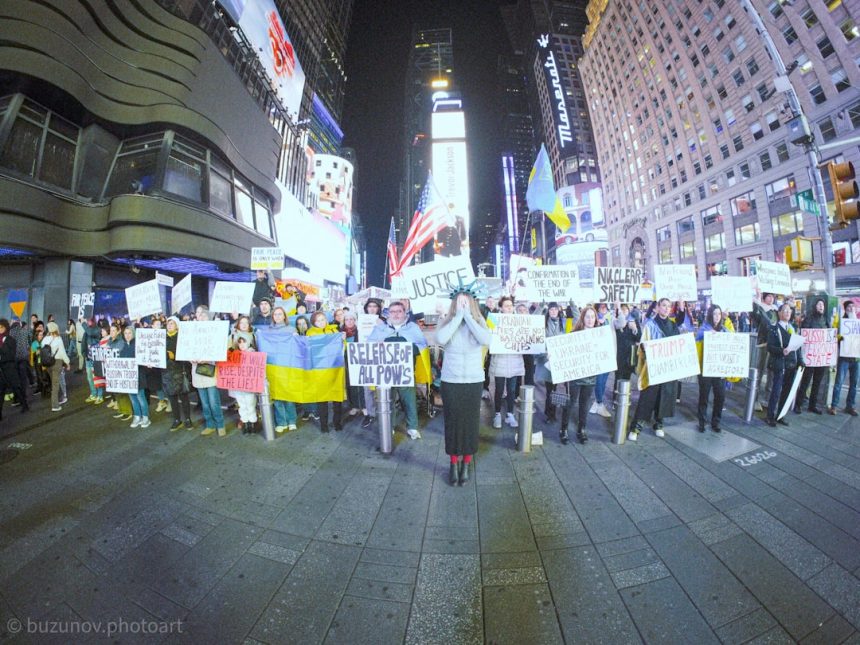
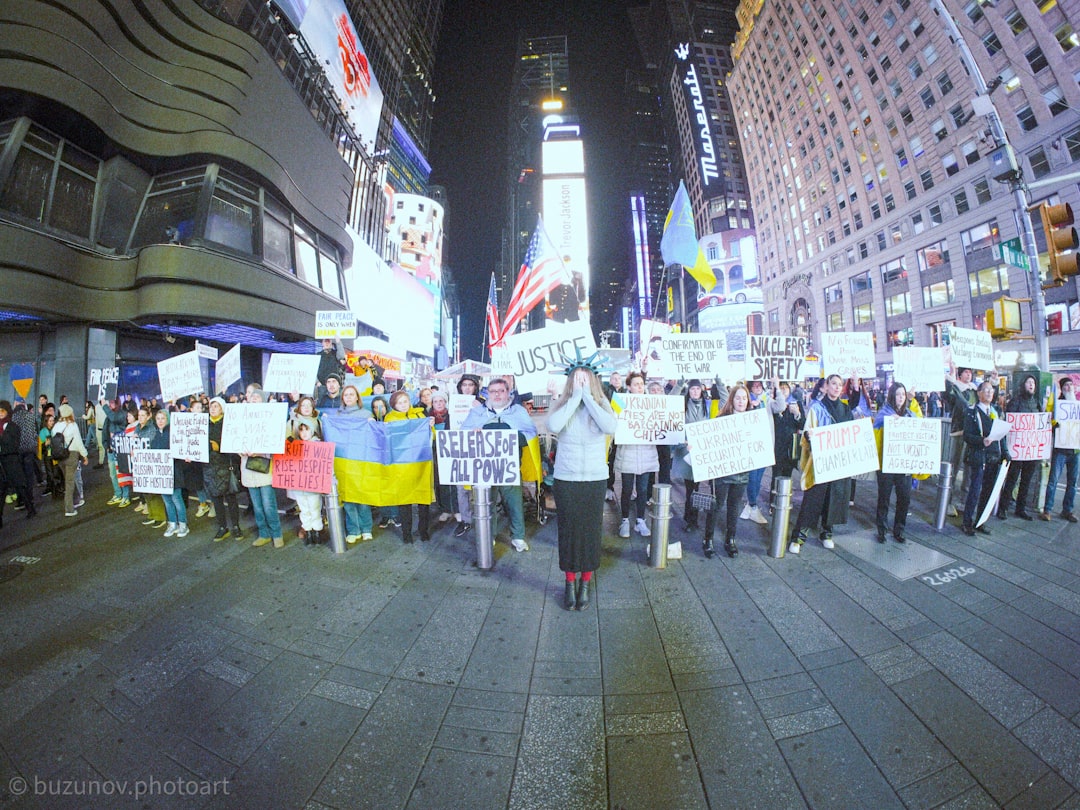
Demonstrations unfolded in cities including New York City, Los Angeles, Denver, Washington, D.C., San Diego, Seattle, Boston, Topeka, Kansas, Driggs, Idaho, and Honolulu.[1][3] In San Diego, police estimated 40,000 marchers.[1] Washington protesters marched past the Lincoln Memorial, some dressed as “LICE” to mock ICE.
- New York: Signs read “Put down the crown, clown,” with New York Civil Liberties Union Director Donna Lieberman asserting, “They are wrong – dead wrong.”[3]
- Los Angeles: Tear gas deployed near a detention center, leading to arrests.[1]
- Denver: Eight arrests for blocking roads and other actions.[1]
- Topeka: Protesters impersonated a frog king and Trump.[3]
Two-thirds of RSVPs came from outside urban centers, including conservative states like Idaho and Wyoming.[3]
Global Reach Extends to Europe and Further
Protests reached more than a dozen countries, including Rome, London, Paris, and Milan.[1] In Paris at the Bastille, organizer Ada Shen decried “Trump’s illegal, immoral, reckless and feckless, endless wars.”[1] London’s banners called to “Stop the far right,” while Rome marchers demanded a world free from wars.[3]
Events also appeared in Latin America and Australia, rebranded as “No Tyrants” in constitutional monarchies.[3] Organizers like Indivisible’s Ezra Levin coordinated the international scope, emphasizing widespread opposition to Trump’s policies.[1]
White House spokesperson Abigail Jackson dismissed the rallies as “Trump Derangement Therapy Sessions” funded by leftists, while the National Republican Congressional Committee labeled them “Hate America Rallies.”[1] Still, the scale signaled deepening divides over immigration, war, and rights rollbacks.
Key Takeaways
- “No Kings” marked the third major protest wave, with over 3,100 U.S. events and international solidarity.[1]
- Minnesota’s resistance to ICE operations inspired national action, shifting federal deportation tactics.[2]
- Celebrity voices like Springsteen amplified calls against authoritarianism and endless wars.[1]
These rallies underscored a persistent movement rejecting unchecked power, from local streets to global squares. As organizers vow continued action, the question remains whether the momentum will influence policy or elections ahead. What do you think about the ‘No Kings’ protests? Tell us in the comments.