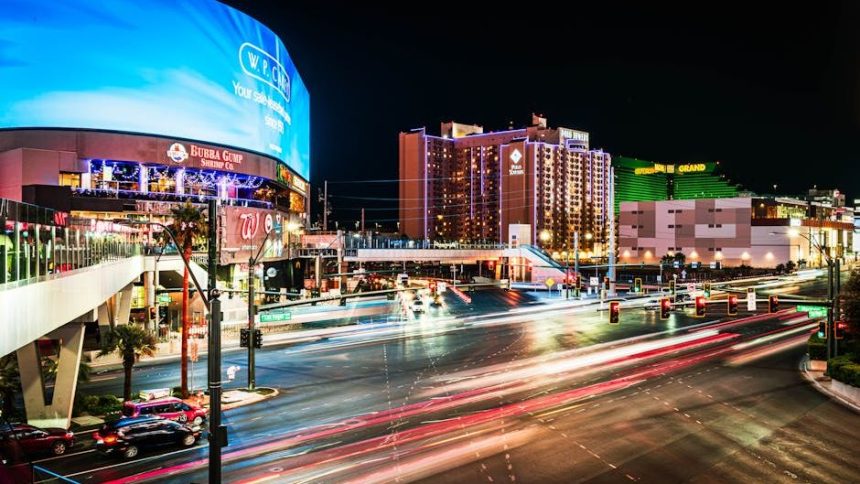
Few cities have turned the performance of wealth into an art form quite like Las Vegas. The neon-lit Strip is famous for its spectacle, but beneath the surface of every nightclub entry line, velvet rope, and perfectly staged bottle presentation, a very deliberate social order is playing out. It’s not just about having a good time. It’s about being seen having a good time in the right place, with the right people, at the right price.
This hierarchy operates quietly but unmistakably, shaping who gets in, where they sit, how much they spend, and how the rest of the room perceives them. Understanding it changes how you see Las Vegas entirely.
The Billion-Dollar Playground That Sets the Stage

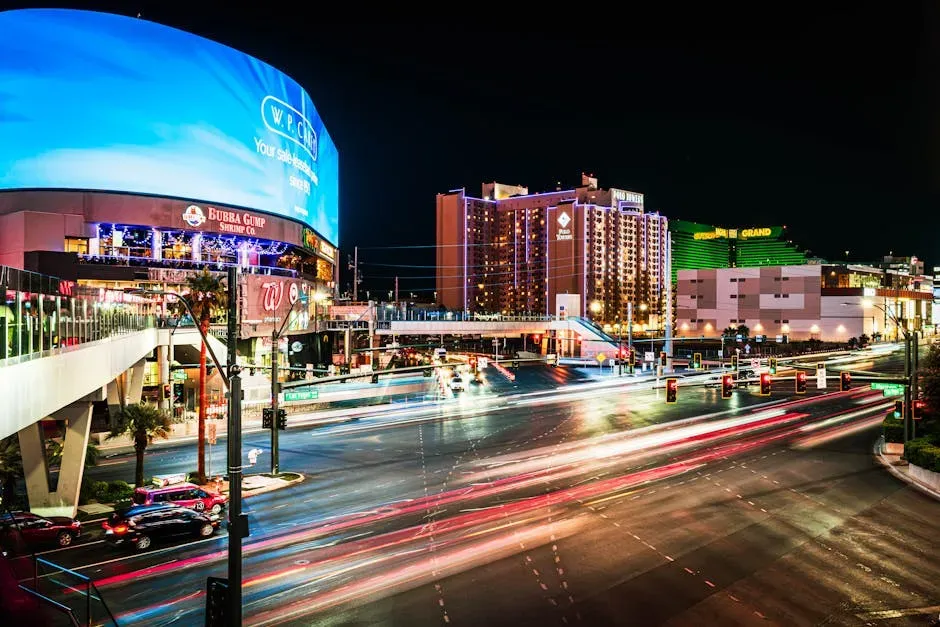
The economic scale of Las Vegas nightlife is genuinely staggering. Las Vegas nightclubs generate over one billion dollars in revenue annually. That figure provides crucial context: this isn’t just nightlife, it’s an industry built around manufactured exclusivity. The global nightclub VIP hospitality market was valued at 7.3 billion dollars in 2024 and is projected to reach 14.8 billion dollars by 2033, growing at a rate of roughly 8 percent per year.
North America remains the dominant region in this market, accounting for roughly 37 percent of global market share in 2024, with cities like Las Vegas and Miami serving as its primary engines. The city’s broader casino economy tells a similar story. Las Vegas drew nearly 41.7 million visitors in 2024, a jump of about 2 percent year over year. With that many people flowing through, clubs compete ferociously for a slice of the high-spending crowd.
The Velvet Rope: Where the Hierarchy Begins

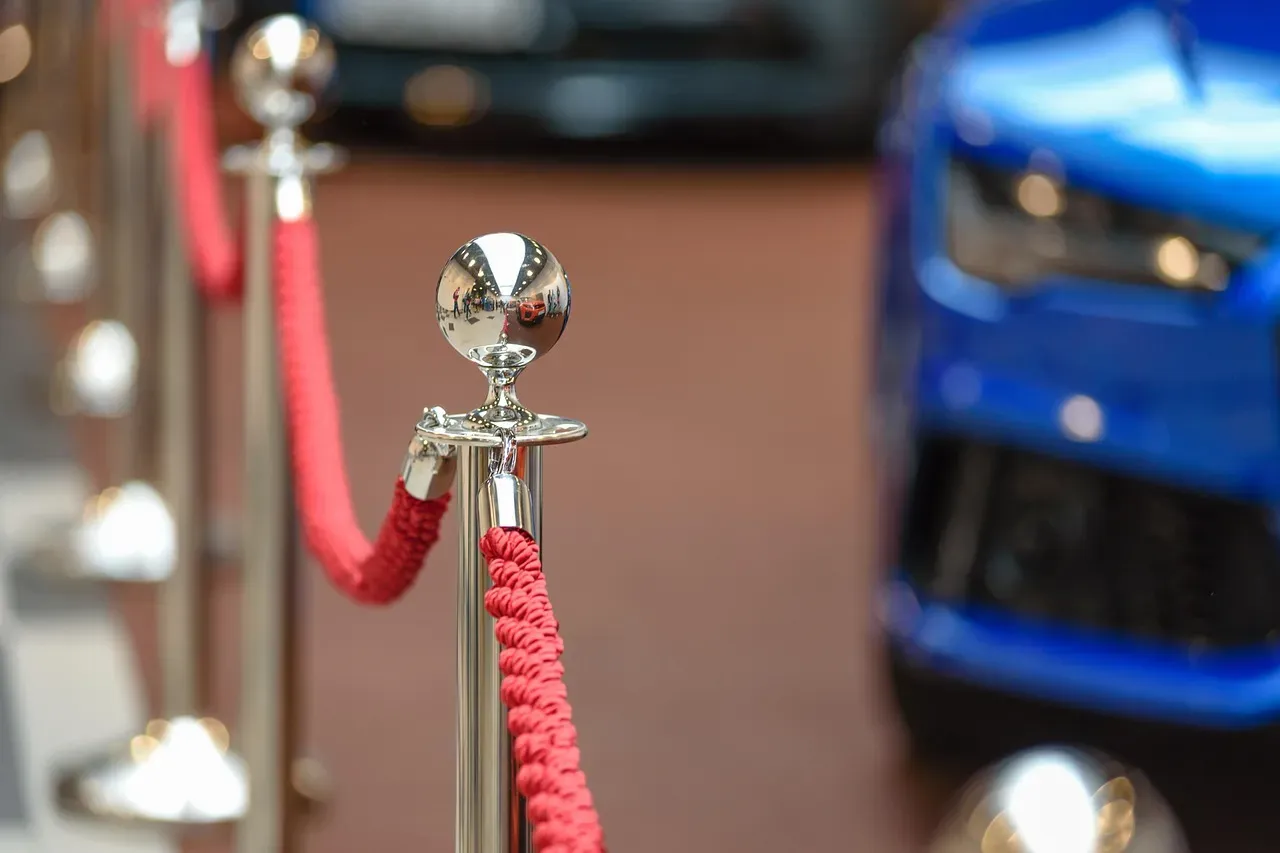
The entrance of any major Las Vegas nightclub is the first and perhaps most visible checkpoint in the social sorting process. Wearing the right outfit to the club can be one of the determining factors of whether you’re allowed inside or whether you’re left outside at the ropes. But dress code is just part of the equation. Knowing the right promoter, holding a reservation, or simply arriving in the right company can shift the outcome entirely.
Two people dressed similarly may get completely different reactions from door staff. That similarly dressed guest who walks straight in could be a high-rolling gambler, a friend of venue staff, or the club owner. The door is not a neutral filter. It’s the first active mechanism by which clubs curate their crowd and signal to everyone inside exactly who belongs.
Dress Code as Social Currency

All major Vegas nightclubs require what they call “upscale casual” attire, meaning well-fitting, clean, on-trend clothing. Sports and athletic attire are never permitted. The rules may sound simple, but their social function is more layered. Dress codes filter out those perceived as lower-status before a single dollar is spent inside. Before you even make it inside a Vegas nightclub, image is everything in Sin City.
Most dress code restrictions in Las Vegas clubs apply to men specifically, with women facing a considerably more lenient standard. This asymmetry is intentional. Clubs want a particular gender balance on the floor, and their door policies reflect it directly. What presents itself as a style requirement is, functionally, a demographic management tool.
The Table System: Paying for Your Place in the Room

Once inside, the real hierarchy becomes spatial. VIP table placement determines how visible you are, how much access you command, and how much deference the staff shows you. Tables located near the DJ booth or dance floor come with a premium price tag, and these prime spots offer the best views and access, making them the most expensive in the venue. Proximity to the performance is proximity to prestige.
Bottle service at a Las Vegas nightclub includes a private table, bottle selection, mixers, a cocktail server, security, and express entry. Prices start at around 600 dollars before tax and tip for smaller tables, but can exceed 2,500 dollars or more for premium locations during big events. During high-demand nights the numbers climb sharply. During busy weekends, holidays, or special events featuring big-name DJs, bottle service can start at 5,000 dollars for a standard table and soar to over 10,000 dollars for the most premium spots.
The Sparkler Procession: Status on Display


Nothing announces a high-spending table quite like the bottle presentation. These attention-grabbing displays featuring sparklers, lights, themed signs, and costumed servers are usually reserved for bigger spends, often tied to premium or large-format champagne orders. Many venues list presentation packages directly on their menus. The spectacle is engineered to be seen by everyone in the room, not just the table receiving it.
This is status theater in its most literal form. The entire club pauses, heads turn, phones rise. VIP table service can account for up to 30 percent of a club’s total revenue, which explains why venues invest so heavily in making those moments theatrical. The sparkler isn’t just a courtesy. It’s a broadcast.
The Role of Resident DJs in Shaping the Pecking Order

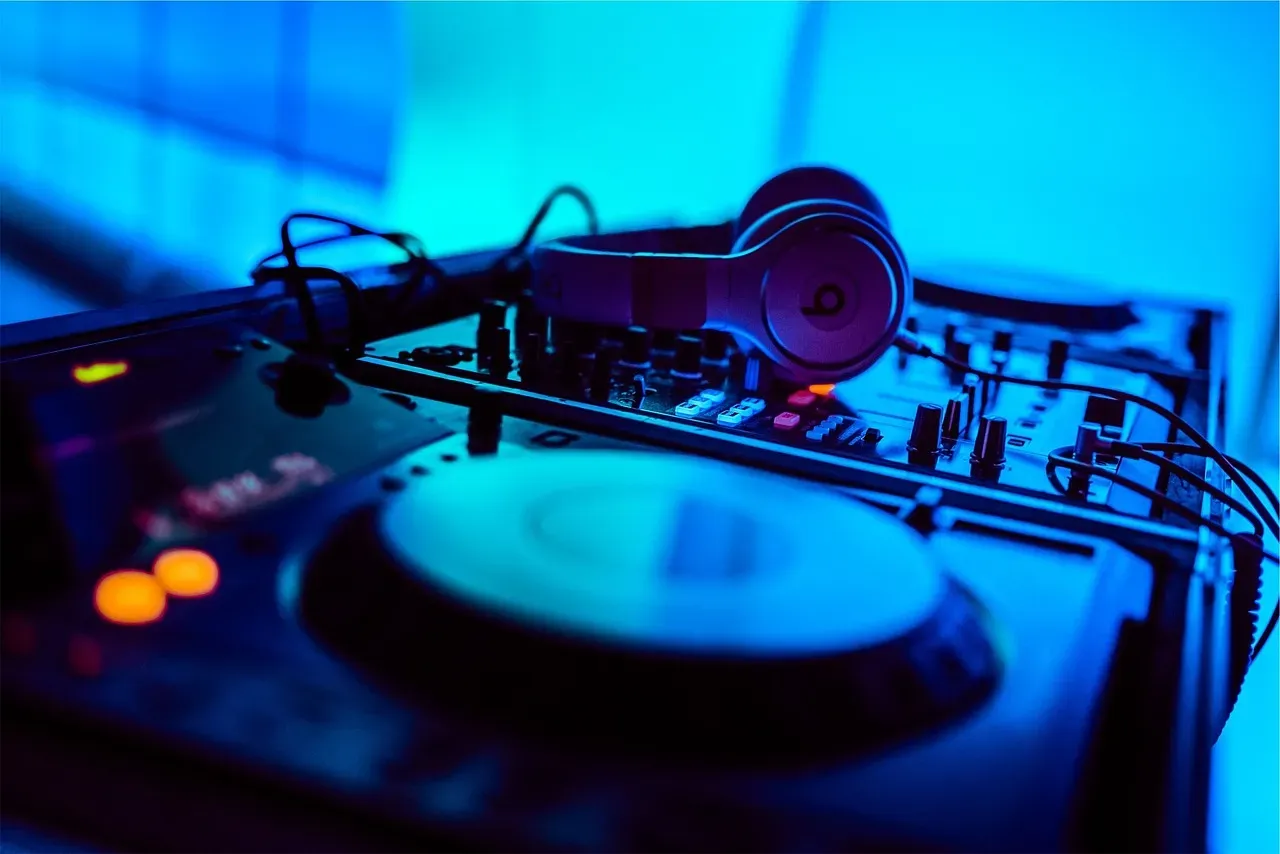
The DJ behind the booth is central to the social architecture of any given night. At the highest-tier venues, the talent roster reads like a who’s-who of global electronic music. From Tiesto and Zedd at Omnia Nightclub to John Summit at LIV Nightclub, some of dance music’s best artists perform in Vegas almost every day of the week. A headliner residency doesn’t just fill the room. It determines which room carries social weight on a given night.
With over 108 nightclub events listed just for January 2026, Las Vegas offers more opportunities to catch world-class talent than anywhere else on the planet. The DJ schedule effectively creates a nightly competition between venues, with partygoers positioning themselves at whichever room is perceived as most desirable. For EDM headliners and high-energy productions, Omnia Nightclub, Hakkasan, and Marquee are the top choices, with major talent also appearing at XS at Wynn Encore and Jewel at ARIA.
The Rise of Unified Membership Networks

A newer layer of the hierarchy is now forming above the table-service tier. The emerging “Sin City Society” concept is not just another VIP program or guest list. It operates as a unified network linking top clubs across the Strip into a single ecosystem where access follows the member, not the venue. This represents a meaningful structural shift: instead of buying prestige one night at a time, members purchase a persistent social identity across multiple rooms.
Promoters at several major venues have privately confirmed that the unified system is being adopted quietly by multiple nightclubs, replacing the old model where each room managed its own guest lists independently. Several managers have indicated the system is designed to ensure smoother nights and a more curated crowd. The appeal is clear for venues. After a turbulent 2025 marked by softer visitation numbers and tighter discretionary spending, operators across the Strip have been searching for ways to stabilize revenue.
The Cost of Social Climbing

The financial pressure on ordinary nightclub-goers has become a genuine friction point. Bottle service that used to run 500 dollars is now well over 1,500 dollars in some spots, and that’s before tax, tip, and the venue fee. Cover charges can hit 100 dollars just to get in the door. For many visitors, the gap between general admission and VIP has widened to the point of feeling unbridgeable.
Cover charges can hit 100 dollars, and once inside, add 25-dollar cocktails and mandatory table minimums, and suddenly one night out costs as much as a weekend trip to another city. This price escalation does something sociologically interesting. It doesn’t just sort by income. It amplifies the visible difference between tiers, making the hierarchy more obvious and, perversely, more desirable to those trying to ascend it.
Social Media and the Performance Economy

Las Vegas nightlife has always had a theatrical quality, but social media has amplified the performative element to an entirely new register. The rise of social media has turned a lot of nightlife into a performance focused less on the music or the moment and more on getting the right shot. People aren’t dancing, they’re filming. VIP tables have become content stages. The bottle presentation that was once a private luxury is now a public broadcast.
Some Vegas-based influencers have been paid to hype spots they don’t actually frequent, posting staged photos and acting like regulars. Tourists arrive expecting a local gem, only to get overpriced drinks and a vibe that doesn’t deliver. It’s marketing theater. The social hierarchy of the club has effectively extended beyond its physical walls and into Instagram feeds worldwide. Status achieved inside the club is status reproduced online, creating a loop that drives the next wave of aspiring guests.
Cracks in the Velvet Rope


Despite the formidable machinery of exclusivity, the model is showing real signs of strain. Travel to Southern Nevada in 2025 has been uniquely impacted by consumer frustration about nickel-and-diming and a growing perception that the value of a Las Vegas vacation is disappearing. Visitor volumes have dipped noticeably, and locals have increasingly migrated toward off-Strip alternatives that feel more authentic and less transactional.
Local forums and Reddit threads are filled with complaints from long-time clubgoers saying the Vegas experience doesn’t match the price anymore. There’s a broader irony at work. The harder venues push the status economy, the more they risk alienating the casual customers who once provided the ambient crowd that made VIP tables feel worth having in the first place. A room full of tables nobody wants to be seen at is just an expensive restaurant.
The social hierarchy of Las Vegas nightlife is real, deliberate, and extraordinarily well-funded. It layers dress codes, spatial geography, spending tiers, DJ prestige, and now cross-venue membership into a system that tells you, at every step, exactly where you stand. Whether that’s exhilarating or exhausting probably depends on which side of the velvet rope you’re standing on, and how much you paid to get there.