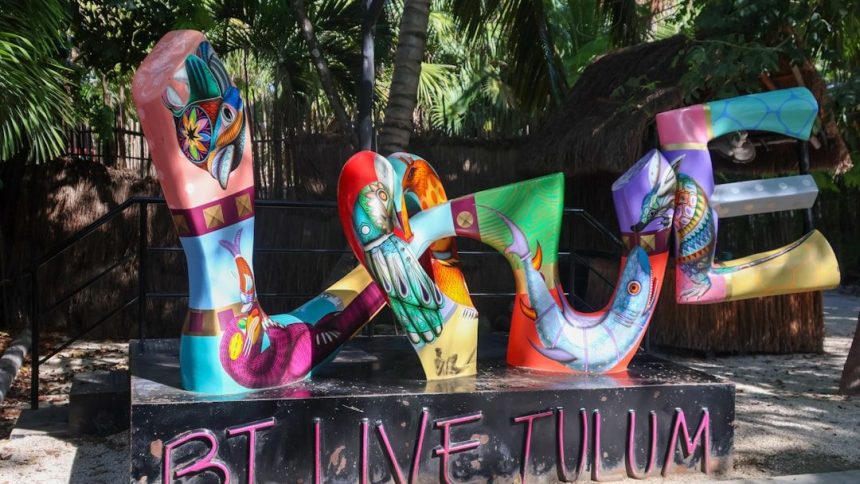
Everyone seems to have Tulum on their vision board. The boho-chic Instagram photos, the jungle yoga retreats, the crystal-clear cenotes. For years, Tulum was the crown jewel of Mexico travel. But honestly, the dream started cracking a while back, and by 2025, the cracks have become full-on craters.
Tulum is grappling with what many call its worst tourism crisis in a decade, facing empty beaches, soaring prices, rising crime, and a struggling economy amid record declines. Meanwhile, just a bus ride or a train journey away, there are destinations that are quieter, cheaper, and far more authentically Mexican. Destinations that most travelers still haven’t heard of. So if you are ready to travel smarter, not louder, let’s dive in.
Why Tulum Has Lost Its Crown

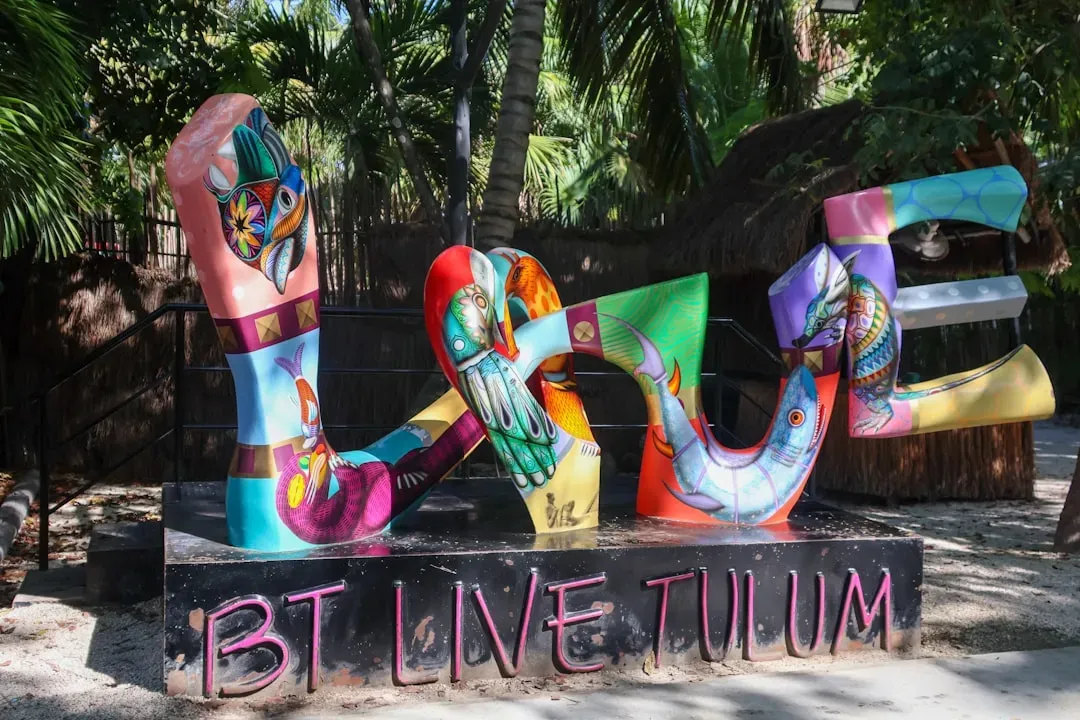
Let’s be real: Tulum sold a fantasy and many people bought it at full price, literally. Hotel occupancy in Tulum has dropped to just 49%, compared to 66.7% during the same period in 2024, painting a grim picture of the region’s tourism industry. That’s not a minor dip. That’s a collapse.
Real-estate and hotel expansion over the last several years has overwhelmed the region’s water, waste, and power systems, causing pollution in cenotes and mangroves. Governance problems, corruption allegations, and rising violence have also severely damaged the destination’s image.
In 2025, Tulum is categorized as a Level 2 “Exercise Increased Caution” destination by the U.S. Department of State. Compare that to some of the alternatives below, where you can walk the streets at night without a second thought. There is a better way to experience Mexico, and it starts here.
1. Mérida: The Safest City in Mexico You Are Probably Ignoring

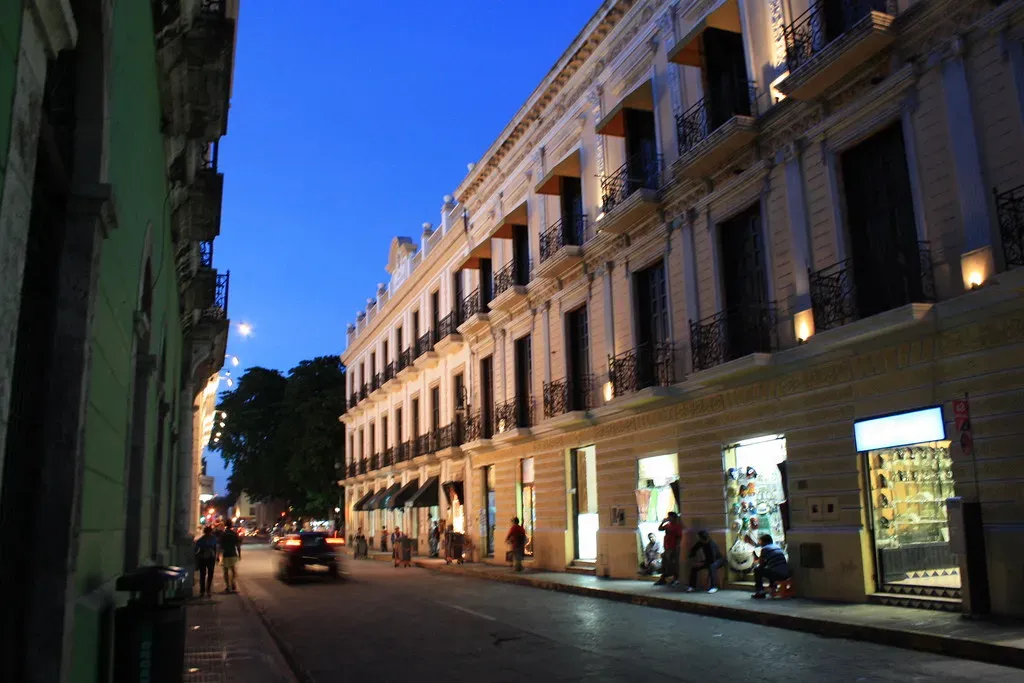
Think about what it would feel like to walk colonial streets at night, alone, without gripping your phone in your pocket. That is genuinely the everyday reality in Mérida. According to data provided by the Executive Secretariat of the National Public Security System, Mérida occupies the first position with the lowest crime incidences in December 2024, with a rate of 186.6 crimes per 100 thousand inhabitants. It also holds the first position with the lowest rate of intentional homicides, at just 1.3 crimes per 100 thousand inhabitants.
CEOWorld Magazine ranked Mérida as the second safest city in the entire Americas in 2024, surpassed only by Quebec City, Canada. That is not a local tourism board claim. That is an independent international ranking.
The U.S. State Department classifies the state of Yucatán as Level 1: “Exercise Normal Precautions,” the lowest risk category, the same classification given to Australia, Japan, Iceland, and Fiji. Only four Mexican states carry this classification, and Yucatán is one of them. So while Tulum sits at a Level 2, Mérida is in the same safety bracket as some of the most secure nations on earth. The cost of living is lower too, making this colonial city one of the most compelling travel decisions you can make in Mexico right now.
2. Bacalar: The Lagoon of Seven Colors That Costs a Fraction of Tulum

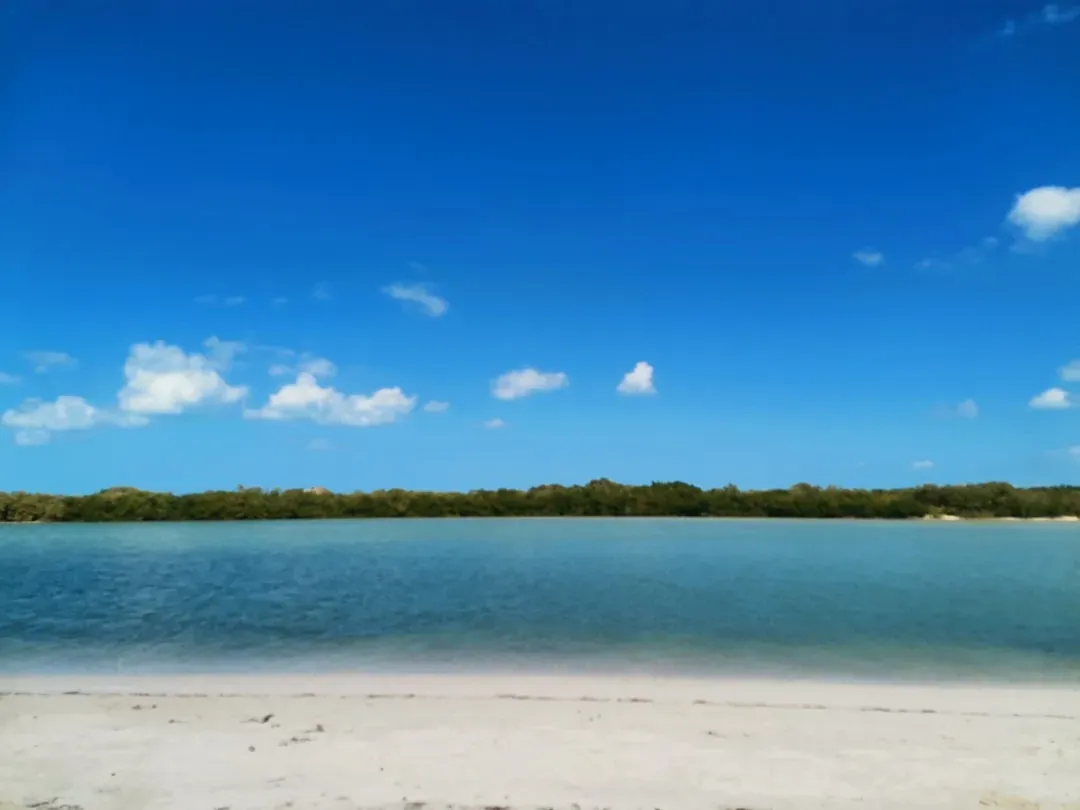
If you close your eyes and picture a turquoise lagoon with no ocean salt, crystal-clear water reflecting seven shades of blue, and a slow pace that practically forces you to relax, that is Bacalar. Instead of a beach, Bacalar’s main draw is its Lagoon of Seven Colors, a massive freshwater lagoon with calm, crystal-clear water perfect for swimming, kayaking, and floating the day away.
For travelers on a budget, Bacalar is considerably less expensive than other popular destinations in Quintana Roo such as Cancun, Playa del Carmen, and Tulum. In Bacalar, you simply won’t find sprawling all-inclusive resorts or super-expensive restaurants charging what you’d pay in New York City. Think budget-friendly guesthouses, local fish tacos, and kayak rentals that won’t wreck your wallet.
Bacalar is also one of the safest places in Mexico, with a very low crime level. Reports from 2023 show that Bacalar experienced an explosive 20% increase in tourists compared to the previous year, yet it still retains a sleepy, unhurried charm. Go now, before the world fully catches on.
3. Valladolid: Colonial Charm at a Backpacker’s Price

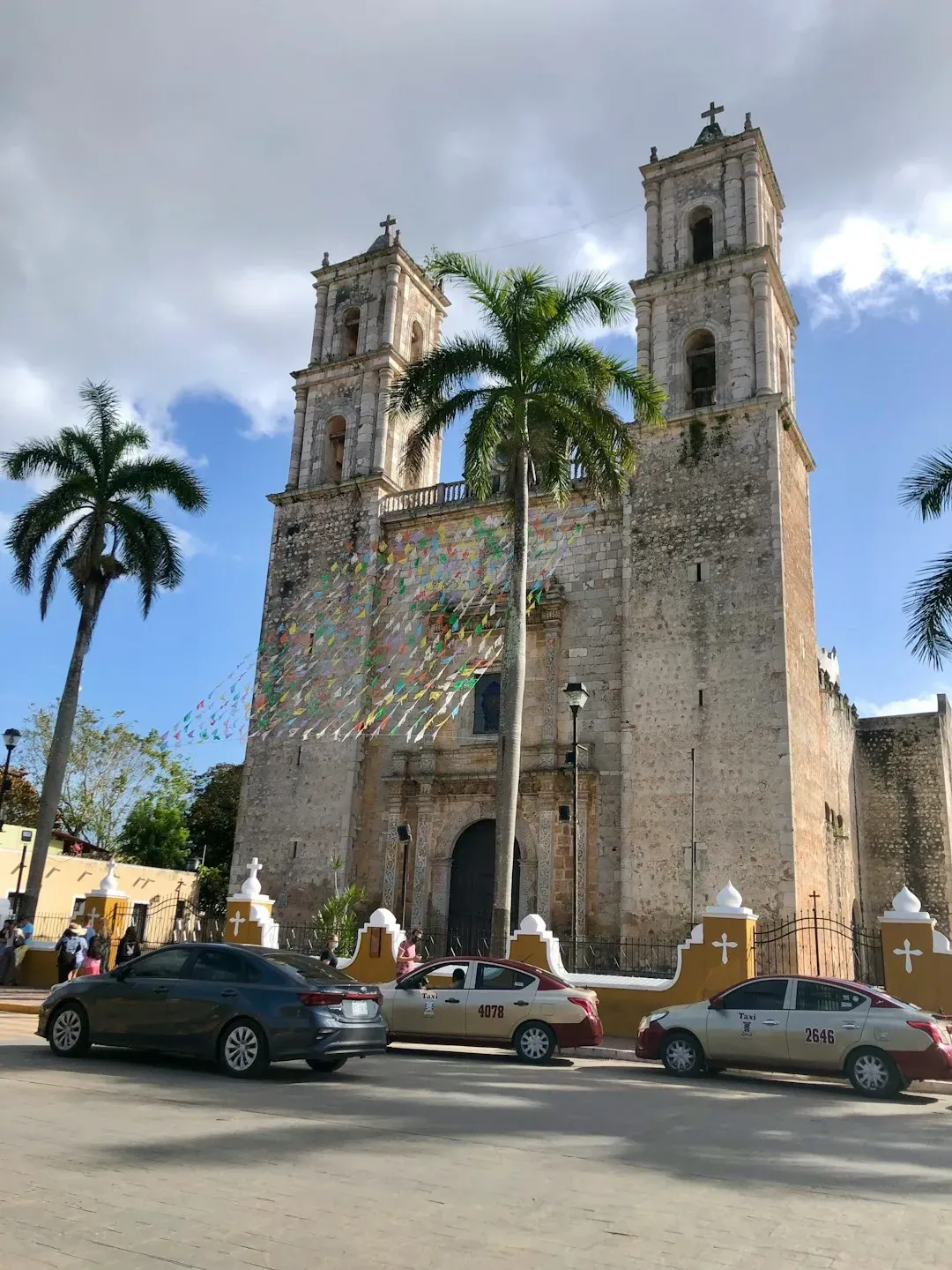
Valladolid is the kind of place that makes you wonder why you ever booked a beach resort in the first place. Nestled in the heart of Mexico’s Yucatán Peninsula, Valladolid seamlessly blends colonial charm with Mayan history. This quaint town, with its pastel-colored buildings and cobblestone streets, offers a peaceful retreat away from the bustling tourist hubs. Valladolid’s central location makes it an ideal base for exploring nearby cenotes, ancient ruins, and the vibrant culture of the region.
The cheapest hostels in Valladolid average just about $11 per night, making it one of the most affordable sleep options anywhere in the country. That’s the kind of number that changes a trip budget dramatically. I think a lot of travelers skip Valladolid because it sounds like a stopover town rather than a destination. That is a serious mistake.
Getting there has also never been easier. The Chichén Itzá railway station opened in February 2024, and the Valladolid railway station was also included in the Tren Maya rollout, meaning you can now glide into this colonial gem by train from Cancún or Mérida, no rental car needed. Authentic, affordable, and genuinely beautiful. Valladolid checks every box.
4. San Cristóbal de las Casas: Culture-Rich, Budget-Friendly, and Totally Underrated

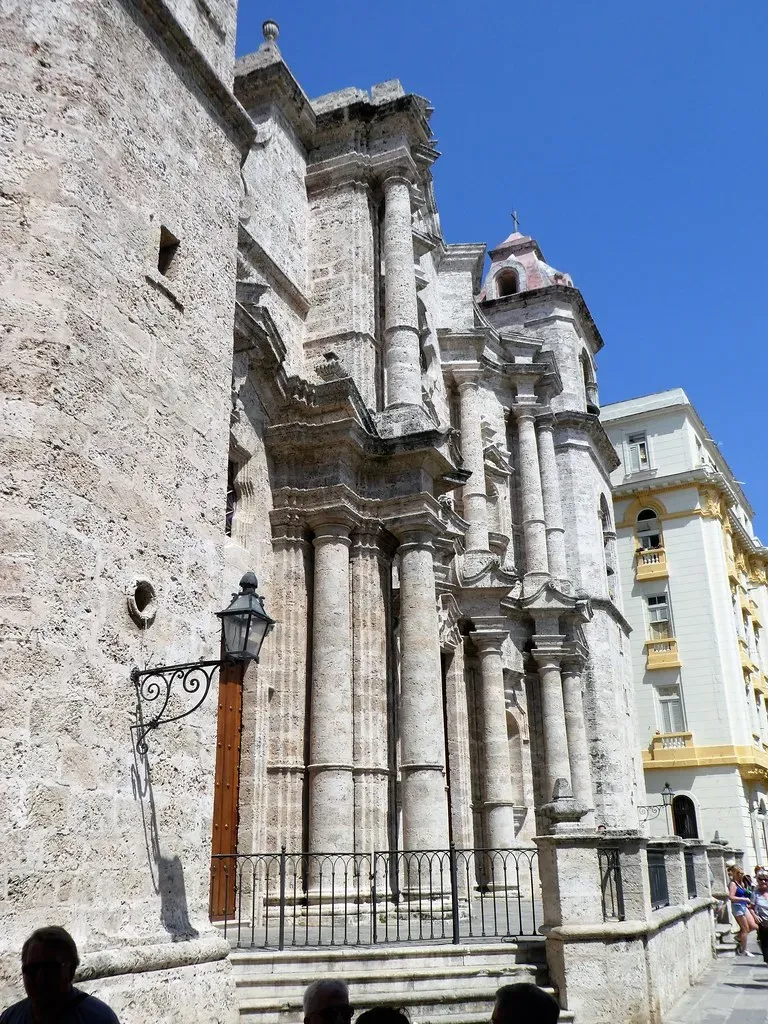
There is something almost magical about San Cristóbal de las Casas. It sits up in the highlands of Chiapas at over 2,100 meters elevation, which means it actually gets cold at night, a wild concept when you think of Mexico. The cobblestone streets, the indigenous market culture, the cathedral-dotted plazas, it feels like a different world entirely.
San Cristóbal de las Casas is a great home base for a few weeks or even a few months, with great food, amazing coworking spaces, a cool climate, and an endless amount of attractions and activities to explore nearby. Accommodation prices can be as low as $300 per month for a basic apartment and up to $1,000 for something more stylish. Compare that to what you’d spend on a single week in Tulum.
Many budget-savvy backpackers specifically head to San Cristóbal de las Casas for the combination of low costs, high culture, and accessibility. The Tren Maya was conceived as a means to redistribute tourism wealth beyond Cancún’s hotel zones to forgotten corners of southeastern Mexico, and San Cristóbal sits at the western end of that vision. The infrastructure is improving, the prices are still honest, and the authenticity is everything Tulum used to be but no longer is.
5. Oaxaca City: Mexico’s Most Delicious and Affordable Cultural Capital

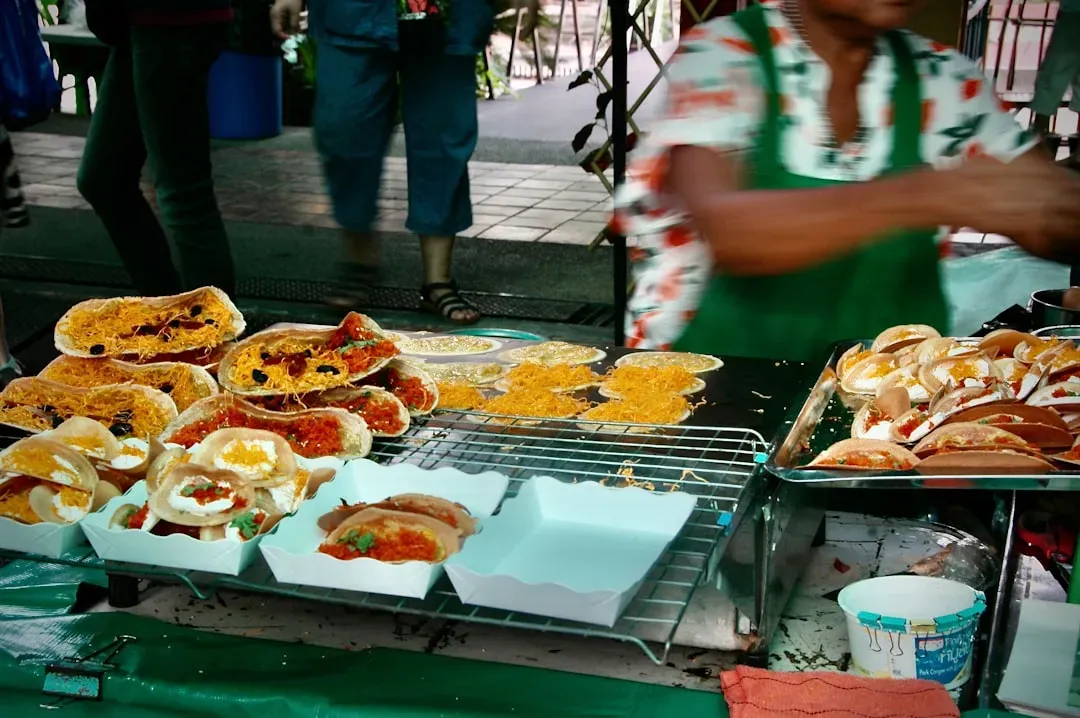
Honestly, if you have never eaten your way through Oaxaca, you are missing one of Mexico’s greatest gifts to the world. Mole negro, tlayudas, mezcal sipped from clay cups, Oaxacan cheese pulled fresh from the market. The vibrant markets like 20 de Noviembre and Mercado de la Merced are a treasure trove of local flavors and cultural experiences, where you can find delicious home-cooked meals for around $3.
It’s hard to say for sure just how much cheaper Oaxaca is compared to Tulum at any given moment, since prices shift, but the data consistently points in one direction. Among more affordable travel options in Mexico, Oaxaca de Juarez consistently ranks as one of the budget-friendly destinations, especially for food and daily living costs. That gap is significant when multiplied across a full week of meals, tours, and accommodation.
Oaxaca also carries a cultural depth that no amount of beachfront yoga retreats can replicate. It is a UNESCO-recognized city with pre-Columbian ruins, vibrant indigenous crafts, and a food scene that international chefs fly in specifically to study. The real kicker? The Tren Maya railway, which begins in Cancún and travels southwest toward Palenque in Chiapas, specifically aims to connect tourist destinations in the Caribbean with lesser-known sites inland. Mexico’s own government is investing in making these hidden gems more reachable. The message is clear: there is so much more to explore.
The Bigger Picture: Mexico Is More Than One Overpriced Beach Town

Here’s the thing about travel in Mexico right now. The country welcomed over 42 million international tourists in 2023, according to UN World Tourism Organization data, making it one of the most visited nations on earth. Yet nearly everyone flows to the same narrow coastal corridor. That bottleneck drives prices up, strains local infrastructure, and dilutes the very experience people came for in the first place.
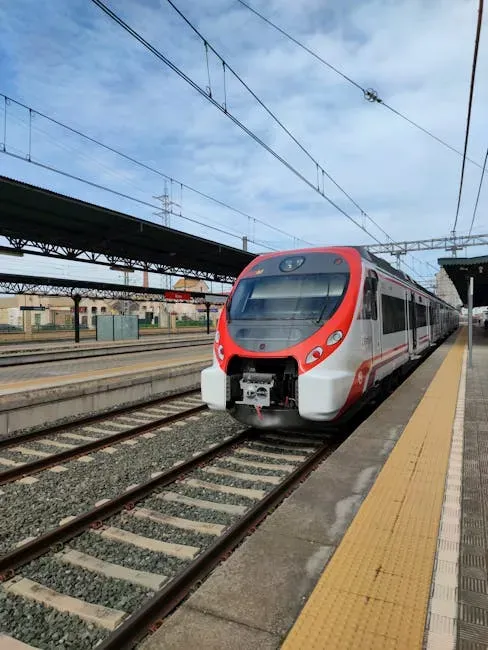
The Tren Maya is a 1,554-kilometer inter-city railway that traverses the Yucatán Peninsula. Construction began in June 2020, with the full route completing its final segment from Escárcega to Chetumal in December 2024. That new rail network is physically reshaping how travelers can move through the region, opening doors to destinations that once required a rental car and nerves of steel on highway roads.
The train passes through 23 Pueblos Mágicos, government-designated “magical towns,” connecting major tourist destinations across the area. The infrastructure, the safety data, and the price comparisons all tell the same story. Mexico’s best travel experiences in 2025 and beyond are not in the places you already know. They are in the places you haven’t booked yet.
Conclusion: The Best Version of Mexico Is Waiting Somewhere Else

Tulum had its moment. A beautiful, photogenic, genuinely special moment. But the data tells us that moment has passed, at least for now. Soaring prices, environmental issues, and a decline in safety have driven away tourists, leaving local businesses shuttered and the economy in turmoil, leading to what many describe as the devastating decline of what was once one of Mexico’s most popular tourist destinations.
The five destinations in this article, Mérida, Bacalar, Valladolid, San Cristóbal de las Casas, and Oaxaca, are not consolation prizes. They are upgrades. Safer in many cases. Cheaper across the board. And far more connected to the real Mexico that most travelers say they want but rarely find.
Mexico is a vast, layered, extraordinary country. It deserves to be experienced beyond one stretch of coast. The train is running, the prices are right, and the crowds haven’t arrived yet. What are you still waiting for? Tell us in the comments which of these destinations you’d visit first.