There is something almost unfair about a great last line. You spend days, maybe weeks, inside a world an author built for you. You’ve followed characters through grief and joy and everything in between. Then, in a single sentence, the door closes. And somehow, that one line does something remarkable – it refuses to leave you.
Honestly, I think the final line of a novel is the hardest thing a writer ever has to write. The closing line is an author’s final opportunity to leave the reader with a lasting impression, and the best ones stay with a reader long after they’ve turned the final page. These twelve are in a class of their own. Let’s dive in.
1. “He Loved Big Brother.” – George Orwell, 1984 (1949)
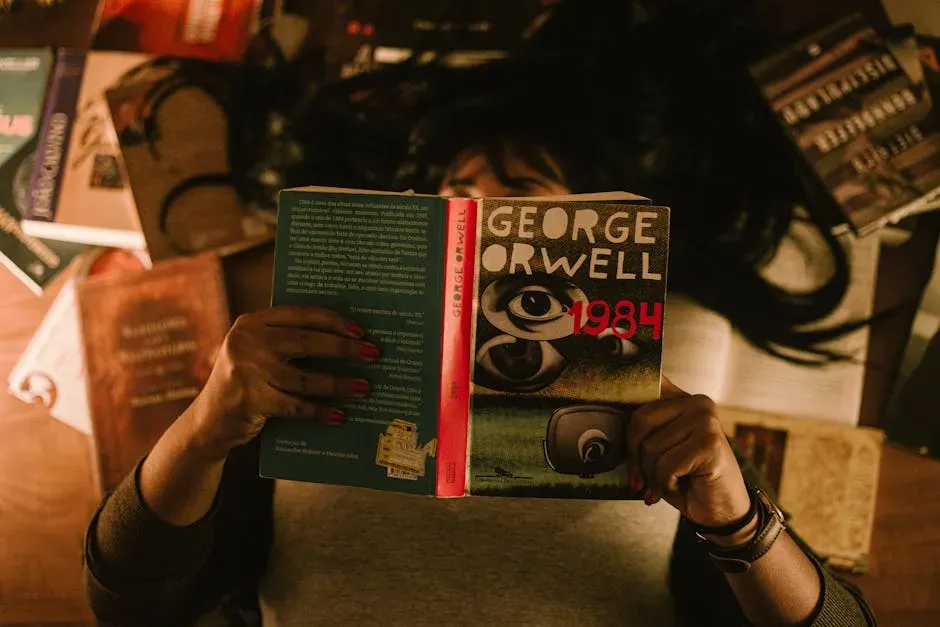
Here’s the thing – three words. That’s all it takes to make your stomach drop. The novel’s final scenes of physical torture are undeniably terrifying, but what is most chilling is the government’s success at twisting the very minds of its subjects. In that haunting last line, we see the ultimate success of Big Brother’s deception, and we feel the full atrocity of what has been done to Winston.
This brief, powerful final sentence establishes the inevitability of Winston’s life. He fought and loved and became truly free, but in the end it was all for nothing. His memories are not his own, his personality is stripped from him, and he is one more rote cog in The Party’s plan for Oceania. No novel has ever ended on a more quietly devastating note. It doesn’t scream at you. It just closes the door.
2. “So We Beat On, Boats Against the Current, Borne Back Ceaselessly Into the Past.” – F. Scott Fitzgerald, The Great Gatsby (1925)
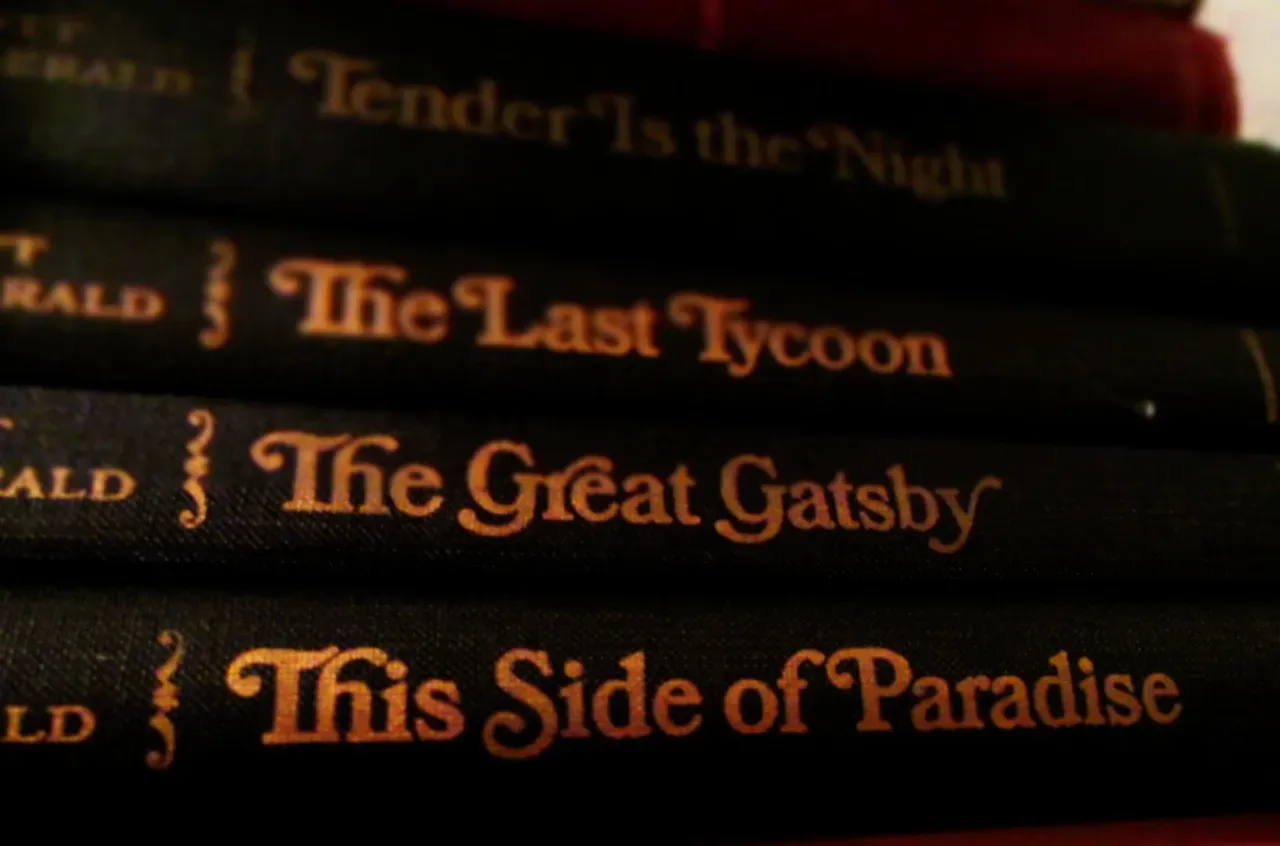
Perhaps one of the most famous last lines, the closing sentence in F. Scott Fitzgerald’s 20th century masterpiece is profound and melancholic, perfectly encapsulating his story about the elusive American Dream. It works like a tide pulling at your ankles, beautiful and relentless at the same time.
The line encapsulates the American Dream in 14 words – and it’s a heartbreaker, poetic, memorable, and as deep as the pool in which Gatsby meets his sorry end. Fitzgerald somehow managed to make the tragedy feel universal rather than personal. You close the book feeling like the line was written about you, too.
3. “He Was Soon Borne Away by the Waves and Lost in Darkness and Distance.” – Mary Shelley, Frankenstein (1818)
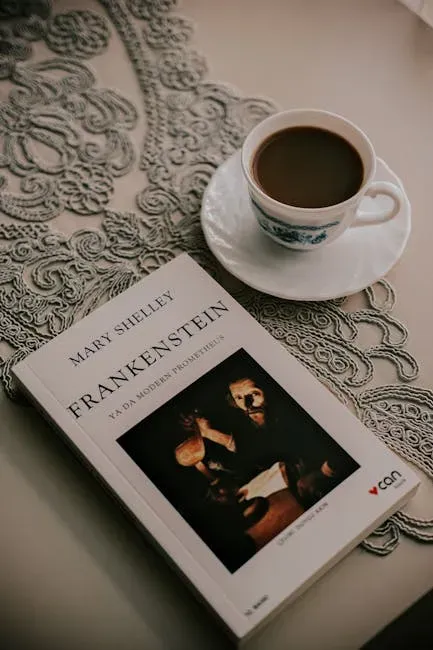
Frankenstein is a dark fairy tale, a Gothic romance that was far ahead of its time in terms of its horror and science fiction components. The final line is momentous and melodic, sad yet beautiful. The death of Frankenstein’s monster is sad, yet perhaps in death, that unhappy creature can finally find peace. It is an ending that refuses to judge. It simply watches.
Of course a man-made monster can’t live a good life among humans – especially not one that is eight feet tall with watery white eyes. The tragedy is that The Creature knows it, so he chooses to give back the gift of life and drift off, alone, to his death. These haunting last lines complete The Creature’s tragic circle of life. It is loneliness rendered in prose, and it cuts deeply every single time.
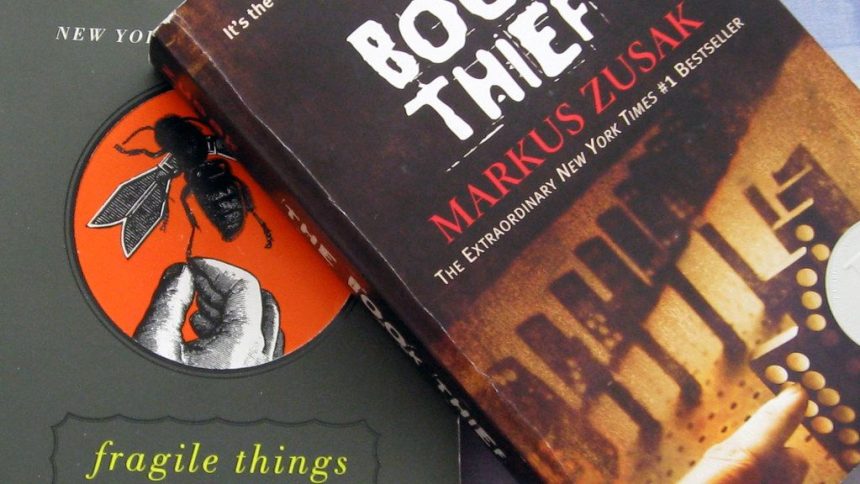
4. “I Am Haunted by Humans.” – Markus Zusak, The Book Thief (2005)
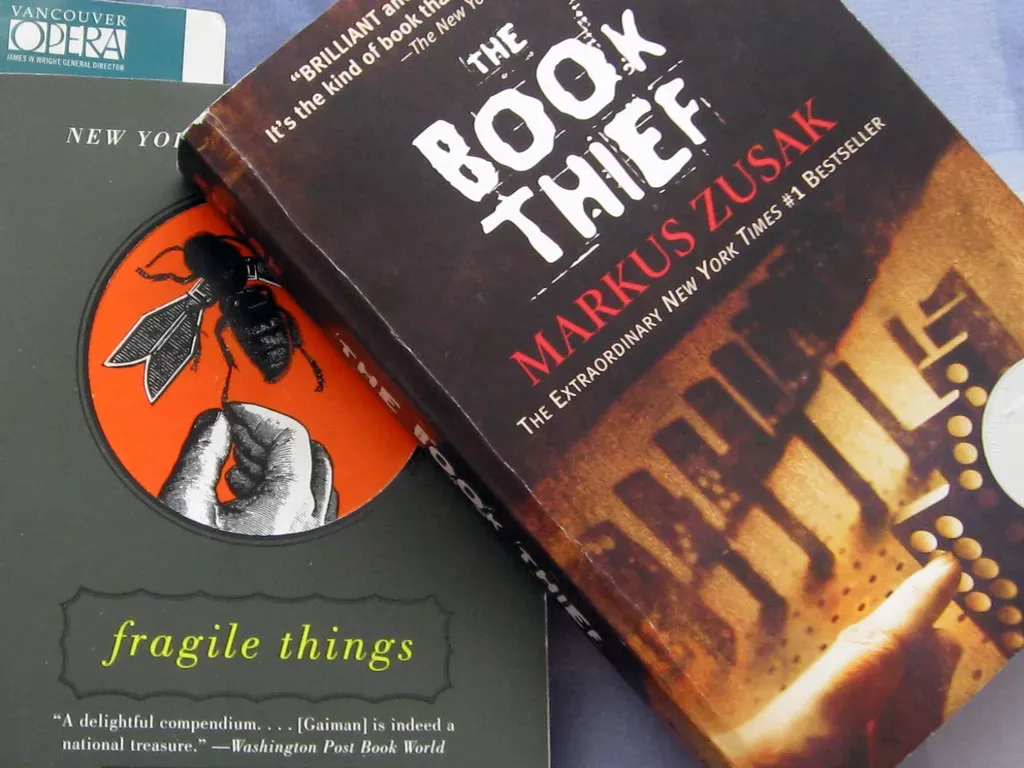
The final line in Markus Zusak’s modern classic, The Book Thief, is powerful and haunting – even more so when you consider that the novel is narrated by Death. Think about that for a moment. Death itself, the entity that has witnessed every human atrocity and every act of grace, says it is haunted by us. That reversal is stunning.
The line flips the entire premise of the book on its head. We spend the novel fearing death, and then Zusak reminds us that the feeling runs both ways. Whilst the beginning of a book may get all the glory, it is the ending that really stays with you. A vague last line casts a shadow over the entire novel, whereas a powerful and poignant one will keep you wondering for weeks to come. This one kept me wondering for months.
5. “After All, Tomorrow Is Another Day.” – Margaret Mitchell, Gone with the Wind (1936)
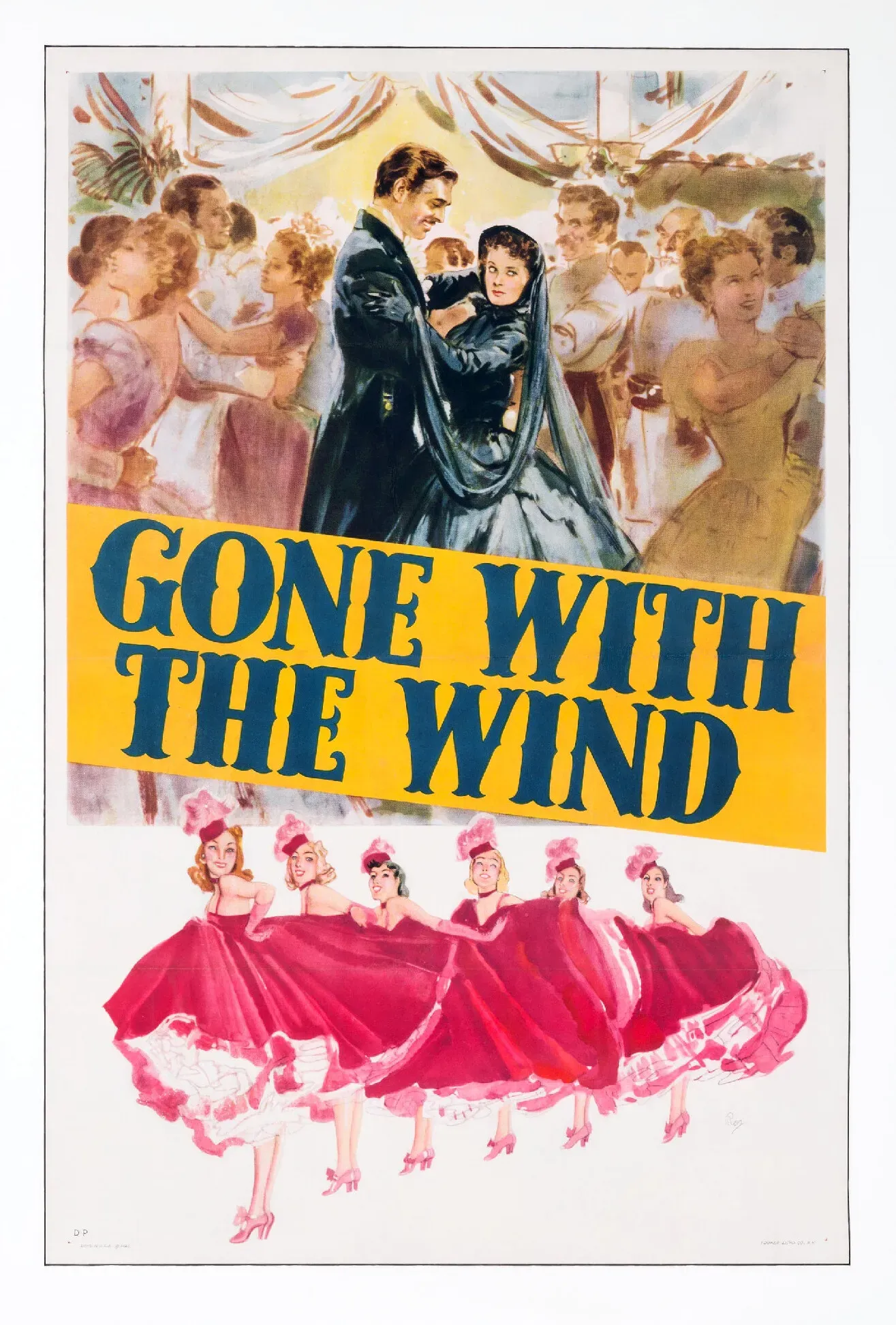
Scarlett’s constant refrain of “Tomorrow is another day” speaks to the sheer stubbornness and blind optimism that helped this fierce creature not only survive but thrive through the Civil War, Reconstruction, and countless deaths. It is survival as defiance. Scarlett O’Hara has lost nearly everything, and she responds by refusing to feel it yet.
Americans have consistently called Mitchell’s Pulitzer Prize-winning novel one of their very favorites. It was a bestseller when it was published during the Great Depression. No one can forget Vivien Leigh – or rather, Scarlett O’Hara – uttering that blithely optimistic line, which has since slid away from its source and entered our vernacular as an expression of gallows humor. Few fictional phrases have ever made a cleaner escape into everyday language.
6. “It Was the Devious-Cruising Rachel, That in Her Retracing Search After Her Missing Children, Only Found Another Orphan.” – Herman Melville, Moby-Dick (1851)
Let’s be real – most people know Moby-Dick as the whale book they were supposed to read in school. Few people reach this final line. Those who do understand why it matters so much. It was the devious-cruising Rachel, that in her retracing search after her missing children, only found another orphan, as Melville wrote to close his 1851 masterpiece. The image of a ship named after a grieving biblical mother, searching and finding only more loss, is almost unbearably poignant.
Melville packs an entire philosophy of tragedy into one sentence. Ishmael, the sole survivor of the Pequod, is pulled from the sea by a ship that was already looking for someone else. Nobody comes to save you on purpose. Sometimes rescue is just an accident. That idea lingers far longer than any whale ever could.
7. “The Old Man Was Dreaming About the Lions.” – Ernest Hemingway, The Old Man and the Sea (1952)
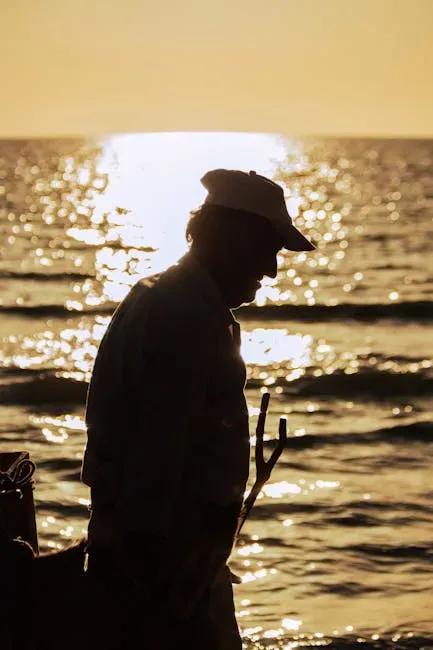
The final line of Hemingway’s The Old Man and the Sea is simply: “The old man was dreaming about the lions.” It sounds almost gentle. After everything Santiago endures – the brutal days at sea, the great marlin, the sharks, the humiliation of returning with only bones – he dreams of lions on a beach in Africa. Young, strong, beautiful lions. Not what he lost. What he once was.
Hemingway was the master of saying enormous things in the smallest possible words. This line is perhaps his finest trick. The entire novel is about endurance and dignity in the face of defeat, and the ending doesn’t resolve that tension. It transcends it. Santiago is at peace, not because he won, but because he remembers what it felt like to be alive and whole. That is both heartbreaking and quietly magnificent.
8. “Beloved.” – Toni Morrison, Beloved (1987)
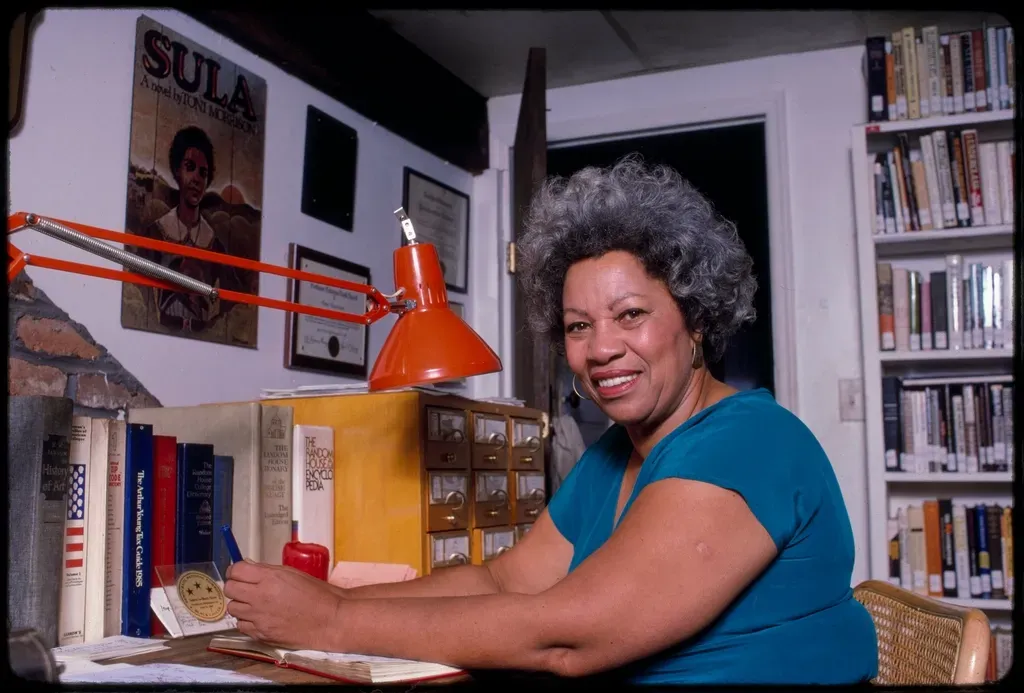
Morrison’s classic novel about slavery begins with the enigmatic line: “124 was spiteful.” We come to understand that animus slowly, as the story of a murdered baby moves backward and forward in time, before and after the Civil War. After so much trauma and the exhausting exorcism that concludes the novel, what other ending would do but a final invocation of that child who represents so many snuffed out by our nation’s foundational sin?
Finally, after Sethe exorcises the demonic baby from her life and finds some sort of closure, we are left with a final, grieving word, Beloved – an epitaph not just for the baby Sethe killed to save her from a life of servitude, but one for all the victims of America’s own original sin. A single word as a final line. A name. A prayer. A wound that refuses to close. Morrison wrote it knowing that some things cannot be summed up, only named.
9. “I Lingered Round Them, Under That Benign Sky… and Wondered How Anyone Could Ever Imagine Unquiet Slumbers for the Sleepers in That Quiet Earth.” – Emily Brontë, Wuthering Heights (1847)
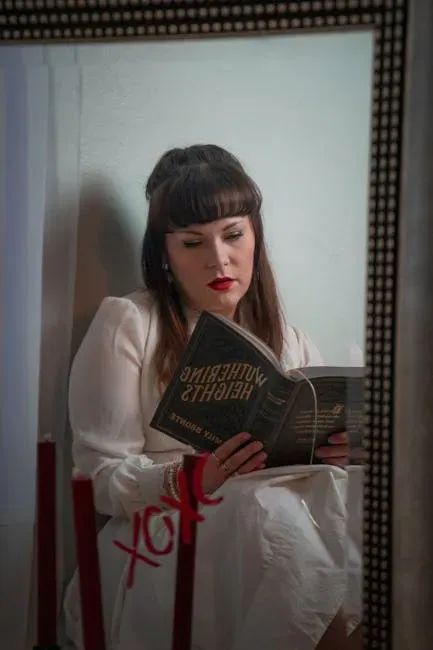
This final passage allows the reader to linger in the quiet aftermath: Catherine, Edgar, and Heathcliff lived tumultuous, tragic lives. They never lived in harmony during their turbulent youth, but now, they truly rest in peace. After four hundred pages of obsession, revenge, cruelty, and anguish, Brontë offers this. Stillness. Birdsong. Heather.
It is one of literature’s most elegant ironies. A novel famous for its emotional violence ends with one of the most peaceful images in all of fiction. Some of the greatest final lines leave you cursing the author for not giving you firm resolve and neatly wrapped-up lives, while others are the equivalent of a good dessert at the end of a satisfying meal – the stuff you wish you could linger on for far longer than it physically lasts. Brontë’s ending is absolutely the latter.
10. “It Is a Far, Far Better Thing That I Do, Than I Have Ever Done; It Is a Far, Far Better Rest That I Go to Than I Have Ever Known.” – Charles Dickens, A Tale of Two Cities (1859)
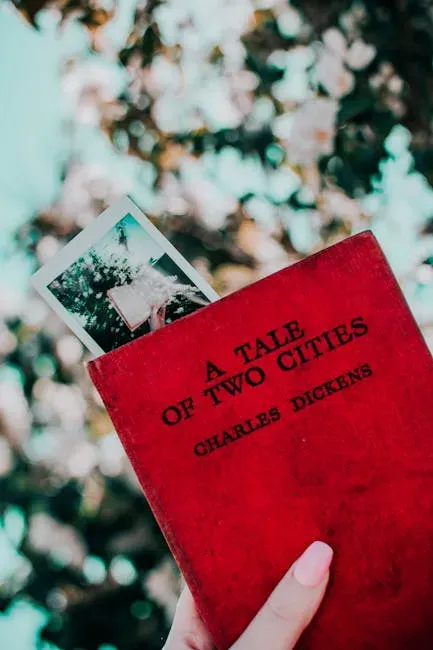
Sydney Carton spends much of the book as a wastrel – brilliant but self-indulgent. He finally learns the true meaning of sacrifice as he offers his life in order to save that of the brave Charles Darnay, and he realizes that this sacrifice is the single best thing about him. In his final moments, he at last becomes worthy and has no fear of death because his death means something.
Dickens’ words have been the symbol of self-sacrifice for centuries. It helps that they rhyme, too. There is something almost musical about the rhythm of that line, the repetition building like a cathedral organ. Carton was never the hero of the story until the very last moment he could be one. That transformation, compressed into a single sentence, is what makes this ending so persistently devastating.
11. “Once There Were Brook Trout in the Streams in the Mountains… In the Deep Glens Where They Lived All Things Were Older Than Man and They Hummed of Mystery.” – Cormac McCarthy, The Road (2006)

McCarthy closes The Road with an image of brook trout in mountain streams, their fins moving softly in the amber current, smelling of moss, polished and muscular, with vermiculate patterns on their backs that were maps of the world in its becoming – maps and mazes of a thing which could not be put back. Not be made right again. In the deep glens where they lived all things were older than man and they hummed of mystery.
It is a breathtaking pivot. The entire novel is ash and violence and the desperate animal love of a father for his son. Then McCarthy ends not with the characters but with the memory of the world before it all burned. It is an elegy for nature, for innocence, for everything humanity managed to destroy. I think about this ending more than almost any other. It is grief written as landscape.
12. “He Turned Out the Light and Went into Jem’s Room. He Would Be There All Night, and He Would Be There When Jem Waked Up in the Morning.” – Harper Lee, To Kill a Mockingbird (1960)

He turned out the light and went into Jem’s room. He would be there all night, and he would be there when Jem waked up in the morning. After a trial that laid bare the ugliness of racial injustice in Depression-era Alabama, after a midnight attack on two children, after a childhood stripped of its innocence, Atticus Finch simply sits in the dark next to his son. That’s it. That’s the whole ending.
There is no grand resolution. No justice delivered, no society transformed. Just a father keeping watch. Novelists face a demand for a perfectly choreographed last move. We follow them across hundreds of thousands of words, but the final line can make or break a book – it determines if parting is such sweet sorrow or a thudding disappointment. Lee’s final line is neither triumphant nor despairing. It is simply human. And that, somehow, is the most haunting thing of all.
What these twelve endings share is not sadness or joy or even beauty, exactly. It is precision. Each one knows exactly what it needs to do and does only that. No extra words. No false comfort. Just the right note, held until the reader finally exhales. As one observer put it, there are rare novels that conclude with such gracefully calibrated language that we close the back cover and feel physically imprinted, as though the words were pressed into us by a weight we can hardly fathom. These twelve lines are that weight.
Which one hit you hardest? Tell us in the comments – because honestly, everyone has a different answer, and every answer says something true about who they are as a reader.