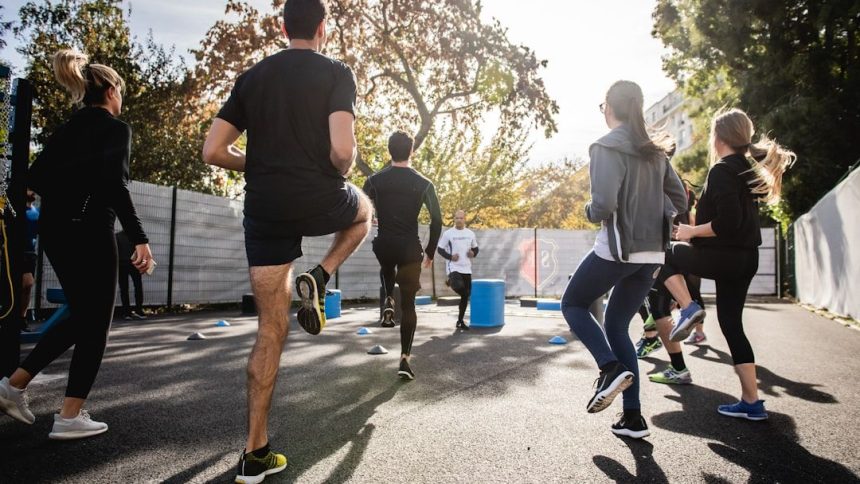
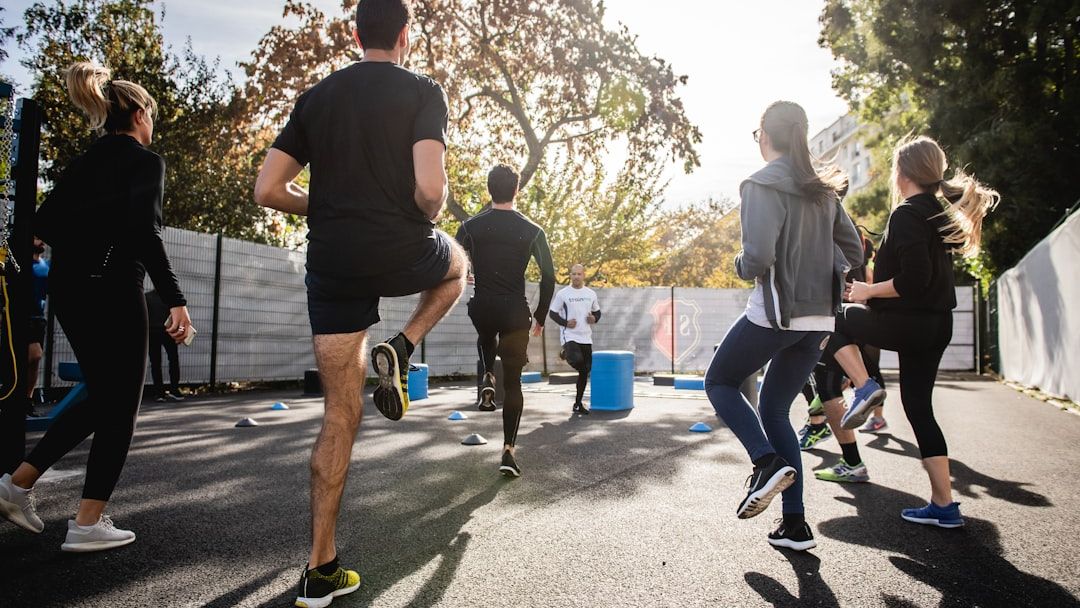
Key to longevity? Experts say it’s these 2 factors – Image for illustrative purposes only (Image credits: Unsplash)
In the bustling energy of a recent fitness festival panel, four leading voices in wellness converged on a singular insight. They identified two straightforward habits as the cornerstones of longevity, rising above the noise of fleeting trends. These practices, grounded in robust research, offer a clear path to healthier aging for anyone willing to prioritize them.
Why Strength Training Stands Out
Experts emphasized strength training as a non-negotiable for preserving vitality as years accumulate. Muscle and bone density naturally decline with age, increasing risks of falls, fractures, and loss of independence. Regular resistance work counters this by building resilience, enabling people to stay active and self-sufficient well into later decades.[1]
Research supports this focus sharply. A large-scale study of over 115,000 adults aged 65 and older showed that incorporating strength training twice weekly alongside 2.5 hours of aerobic exercise reduced mortality risk by 30 percent.[1] Personal trainer Kenny Santucci, founder of Strong New York, captured the simplicity: “We’ve overcomplicated a lot of stuff, but if I could give people one tip when it comes to health, it’s to get up and lift weights.” He advocated pairing it with loved ones to amplify benefits.
The Vital Role of Social Connections
Community emerged as the second pillar, equally vital for long-term health. Strong relationships sharpen the mind, buffer stress, and foster emotional resilience, much like physical exercise fortifies the body. Isolation, by contrast, accelerates decline, making purposeful bonds a survival strategy.
A comprehensive meta-analysis of 148 studies involving more than 300,000 participants revealed that robust social ties boost survival odds by 50 percent.[1] Sean Hoess, CEO of Eudemonia Summit, highlighted social wellness through shared healthy pursuits, such as group saunas common in cultures like Finland and Japan. Santucci echoed this, noting, “Training your brain is as important as training your body,” and urged lifting weights “with as many people you love as you can.”
Partner offer
Insights from the Experts Themselves
The consensus arose from diverse perspectives. Dr. Caleb Moore, medical director at Atria Health and Research Institute, brought clinical rigor, stressing science over hype. Brandon Kaplan, CEO of Maxwell Club, focused on healthspan – the quality years of life – while Hoess drew from longevity ventures and Santucci from hands-on training.
During the District Fit Festival panel in West Palm Beach, sponsored by Cleveland Clinic, they dissected wellness amid rising trends like supplements and biohacks. Santucci dismissed the chase for novelty: “Everyone tries to figure out what’s going to be the next big thing. Strength and community are tried and true.” Their alignment underscores timeless priorities amid a crowded field.
Foundational elements like nutrient-rich eating, sufficient sleep, and stress management remain essential. Yet these leaders elevated strength and community for their outsized impact. They also recommended routine checkups, blood pressure control, cholesterol monitoring, and managing conditions such as diabetes or obesity.
Steering Clear of Wellness Pitfalls
The panel warned against “well-washing,” where unproven ideas masquerade as miracles. Social media amplifies fads – mouth taping drew skepticism, while practices like Japanese walking earned cautious nods. Experts advised scrutinizing data: theories must evolve into evidence before adoption.
Practical steps make integration feasible. Start strength sessions modestly, twice weekly, with bodyweight or free weights. Cultivate community via group classes, walks, or shared rituals. Consistency trumps intensity, building habits that endure.
Quick Implementation Guide
- Lift weights 2x/week alongside cardio.
- Join a fitness group or schedule regular meetups.
- Track progress with annual health screenings.
- Verify trends against peer-reviewed studies.
These habits promise not just added years, but vibrant ones. As research affirms their potency, individuals hold the power to weave them into daily rhythms, defying age’s typical toll.
Partner offer
Planning a trip to Vegas?
Compare hotel rates and show tickets on VEGAS.com.