When we think about legendary albums, we picture high-tech studios in Los Angeles or New York. Massive mixing boards, pristine acoustics, endless equipment. That’s how magic is made, right? Turns out, some of the most influential records in music history were born in places you’d never expect. Garages, living rooms, abandoned buildings, even a literal castle. These weren’t plan B locations. They became the secret ingredient.
The environment shapes the sound in ways we rarely consider. A cramped basement creates raw energy. An empty church adds haunting reverberations. Sometimes constraints breed creativity better than unlimited resources ever could. Let’s dive into twenty albums that prove the studio doesn’t make the music – the vision does.
1. The Beach Boys – “Pet Sounds” (Brian Wilson’s Living Room)
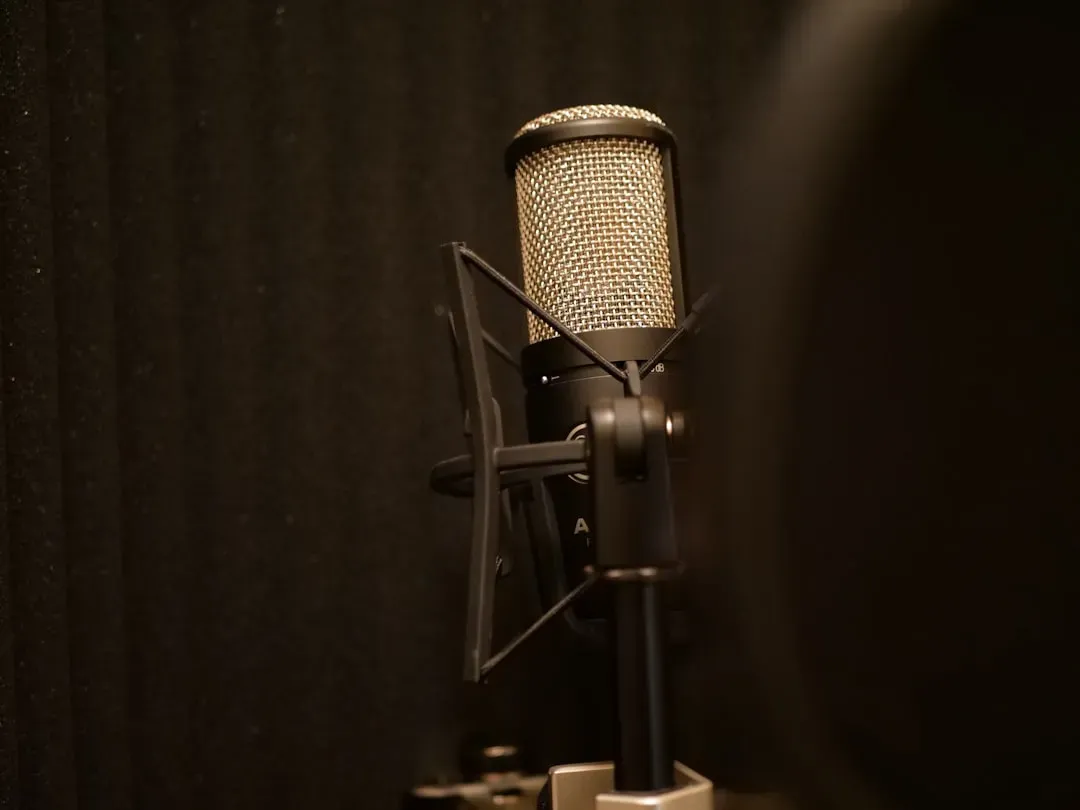
Brian Wilson essentially turned his California home into a recording lab during one of pop music’s most ambitious projects. While Capitol Studios handled some tracking, Wilson brought the Wrecking Crew musicians to his house for countless sessions. He’d set up microphones in unconventional spots, testing how different rooms affected the sound. The living room became his laboratory for perfecting those intricate vocal harmonies.
Wilson’s deteriorating mental health meant he felt safer working at home. That domestic setting somehow channeled into the album’s intimate, vulnerable quality. You can almost hear the walls closing in on tracks like “I Just Wasn’t Made for These Times.” The space limitations forced creative microphone placement that became part of the sonic signature. What seemed like a compromise became an advantage.
2. Joy Division – “Unknown Pleasures” (Strawberry Studios, Stockport)
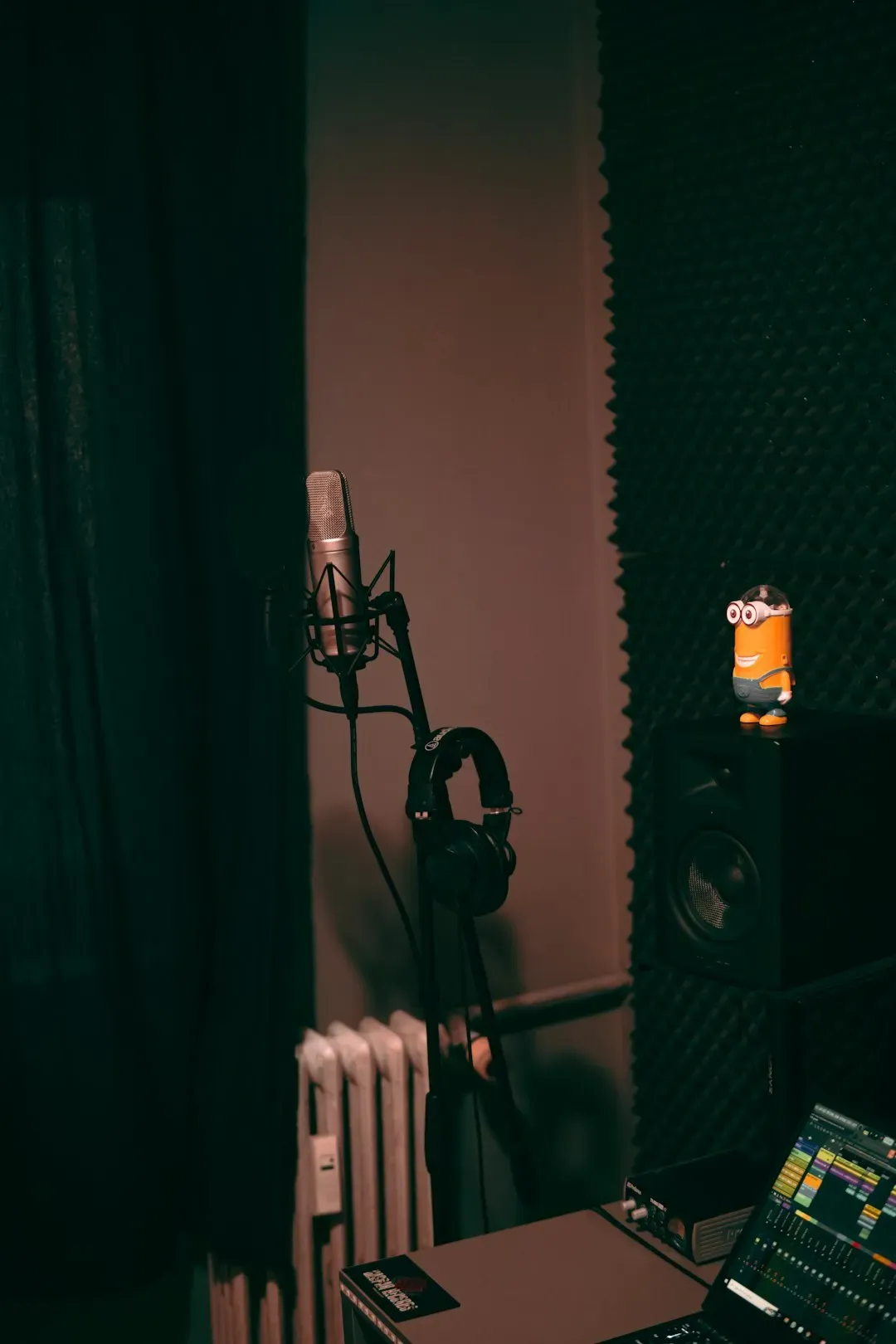
Strawberry Studios wasn’t in Manchester’s city center or London’s music district. This converted Victorian house sat in a working-class Stockport neighborhood, surrounded by terraced houses and corner shops. Producer Martin Hannett used the studio’s odd dimensions and makeshift equipment to create that signature cold, spacious sound. He’d record drums in the studio bathroom for natural reverb.
The band recorded the entire album in just three weekends. That rushed timeline and humble setting created urgency you can feel in every track. Hannett placed microphones in doorways and hallways, capturing the building’s inherent atmosphere. The result sounded nothing like typical rock records of 1979. Sometimes the “wrong” studio gives you exactly the right sound.
3. Bon Iver – “For Emma, Forever Ago” (His Father’s Hunting Cabin)
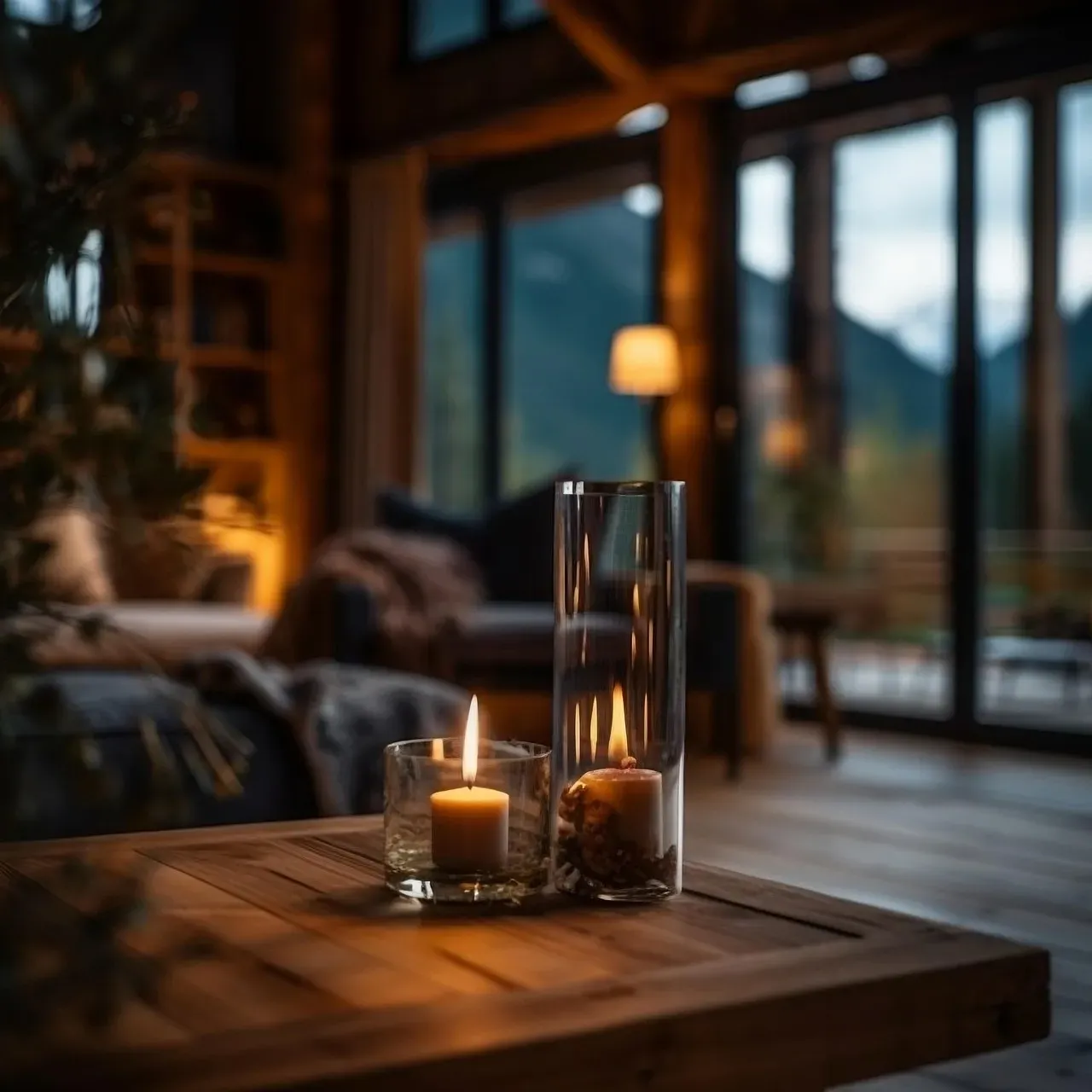
Justin Vernon retreated to his dad’s remote Wisconsin cabin after his band broke up and a relationship ended. No professional equipment, just a couple microphones and a laptop. He recorded through a brutal winter, alone, dealing with a liver infection. The cabin had no insulation, so you can literally hear the cold in those recordings.
That isolation seeped into every note. The creaking floorboards, the room’s natural reverb, even Vernon’s illness affecting his voice – it all became part of the album. He used the cabin’s acoustic properties instead of fighting them. The result felt achingly intimate, like eavesdropping on someone’s private grief. Professional studios would have polished away exactly what made this record special.
4. Portishead – “Dummy” (Coach House Studio, Bristol)
Geoff Barrow converted a literal coach house into a studio on the cheap. The building had housed carriages in the 1800s, and that history lingered in its bones. Stone walls, uneven floors, weird acoustic dead spots. Instead of “fixing” these quirks, Portishead made them foundational to their sound. They’d record in the middle of the night when traffic noise disappeared.
The cramped space meant everyone worked inches apart, creating this claustrophobic intensity. They’d sample their own recordings, then manipulate them until the original source became unrecognizable. That repurposed building gave birth to trip-hop’s defining album. The coach house’s limitations became Portishead’s signature aesthetic.
5. Led Zeppelin – “Physical Graffiti” (Headley Grange, Hampshire)
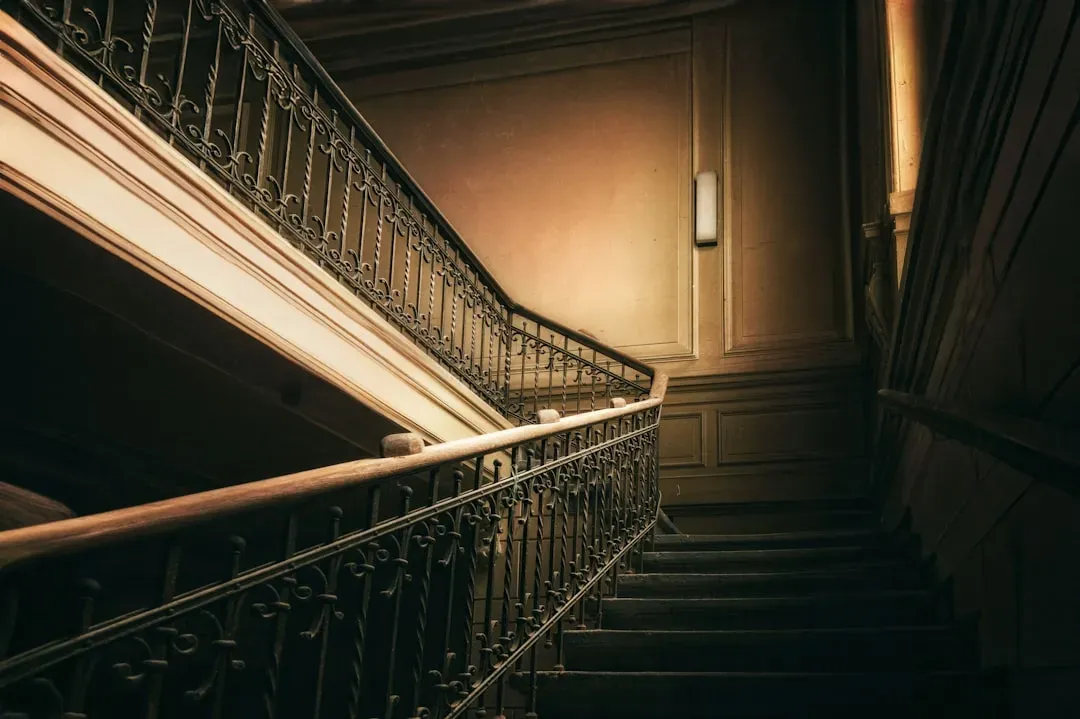
Headley Grange was a decrepit Victorian poorhouse when Led Zeppelin’s mobile recording truck pulled up. No heating, barely any electricity, just empty rooms with massive natural reverb. John Bonham set up his drums at the bottom of a three-story stairwell for “When the Levee Breaks.” That iconic drum sound came from pure architectural accident.
The band lived in the building while recording, turning it into this temporary rock commune. They’d jam in different rooms, experimenting with the space’s natural acoustics. The building’s decay and history infected the music with this ancient, mystical quality. Engineer Andy Johns would position microphones on different floors of the stairwell. Sometimes the best studio is a building that was never meant to be one.
6. Aphex Twin – “Selected Ambient Works 85-92” (Richard James’ Bedroom)
Richard D. James made these tracks as a teenager in his Cornwall bedroom. Just a bunch of used synthesizers and a four-track recorder. No acoustic treatment, no professional monitoring, just a kid messing around with sound. The bedroom’s natural resonance became part of the aesthetic. He’d record late at night when the house went quiet.
That amateur setup gave the album its distinctive lo-fi warmth. Professional studios would have eliminated the tape hiss and room noise that makes this record breathe. The limitations forced James to be creative with what little he had. His bedroom walls absorbed and reflected frequencies in ways he learned to manipulate. The result redefined electronic music despite – or because of – its humble origins.
7. Springsteen – “Nebraska” (Four-Track Portastudio at Home)
Bruce Springsteen recorded these demos on a Tascam four-track in his New Jersey bedroom, intending to flesh them out later with the E Street Band. When he and the band tried re-recording them properly, something essential got lost. Those rough bedroom takes captured a desolate honesty the studio versions couldn’t match. The tape hiss and lo-fi quality became the point.
His bedroom’s modest acoustics made the songs feel uncomfortably intimate. You can hear his fingers on the guitar strings, his breathing between words. The E Street Band’s full studio productions sounded too polished, too safe. Sometimes a demo recorded on consumer-grade equipment in your bedroom IS the final version. Springsteen’s label initially resisted releasing it, thinking it sounded “unfinished.”
8. Fleetwood Mac – “Tusk” (Someone’s Empty House in Los Angeles)
Lindsey Buckingham insisted on recording parts of this album in an empty house rather than a traditional studio. He wanted to escape the slick production that defined “Rumours.” The vacant rooms provided unpredictable acoustics that made the album sound restless and experimental. Buckingham would set up equipment in different rooms, chasing specific reverb characteristics.
The house recordings gave “Tusk” its signature weirdness. Professional studios felt too controlled for the chaotic energy Buckingham wanted. He’d use hallways and bathrooms for their natural echo. The band’s interpersonal drama somehow channeled into this unconventional recording environment. What started as Buckingham’s eccentric demand became the album’s defining characteristic.
9. Nick Drake – “Pink Moon” (Sound Techniques Studio, Done in Two Nights)
Nick Drake walked into Sound Techniques Studio unannounced with just his guitar and a box of songs. Engineer John Wood recorded the entire album in two four-hour sessions. Barely any overdubs, minimal production, just Drake and his guitar in a small room. The haste and simplicity created this ghostly, ethereal quality. Drake seemed almost uncomfortable being there.
The studio’s tiny live room forced an intimacy Drake probably didn’t even intend. You can hear room reflections that a bigger studio would have absorbed. That rushed recording schedule meant there was no time for second-guessing or perfectionism. The result sounds like Drake is playing in your living room. Sometimes less time in the studio means more honesty on tape.
10. Sufjan Stevens – “Illinois” (Various Apartments and Houses)
Stevens recorded this sprawling concept album in multiple apartments across New York. He’d set up temporary recording spaces wherever he lived at the time. Friends’ apartments, his own cramped living room, basically anywhere he could plug in equipment. Each location added its own acoustic fingerprint to different songs. The album’s sonic variety partly came from these constantly changing environments.
That nomadic recording process gave “Illinois” this restless, searching quality. Stevens would arrange elaborate orchestral parts in rooms barely big enough for a couch. The domestic settings created warmth that balanced the album’s ambitious arrangements. Professional studios would have homogenized the sound, but these rotating locations kept things unpredictable. The album sounds exactly like it was made – pieced together in temporary spaces, constantly moving.
11. Funkadelic – “Maggot Brain” (United Sound Systems, Detroit)
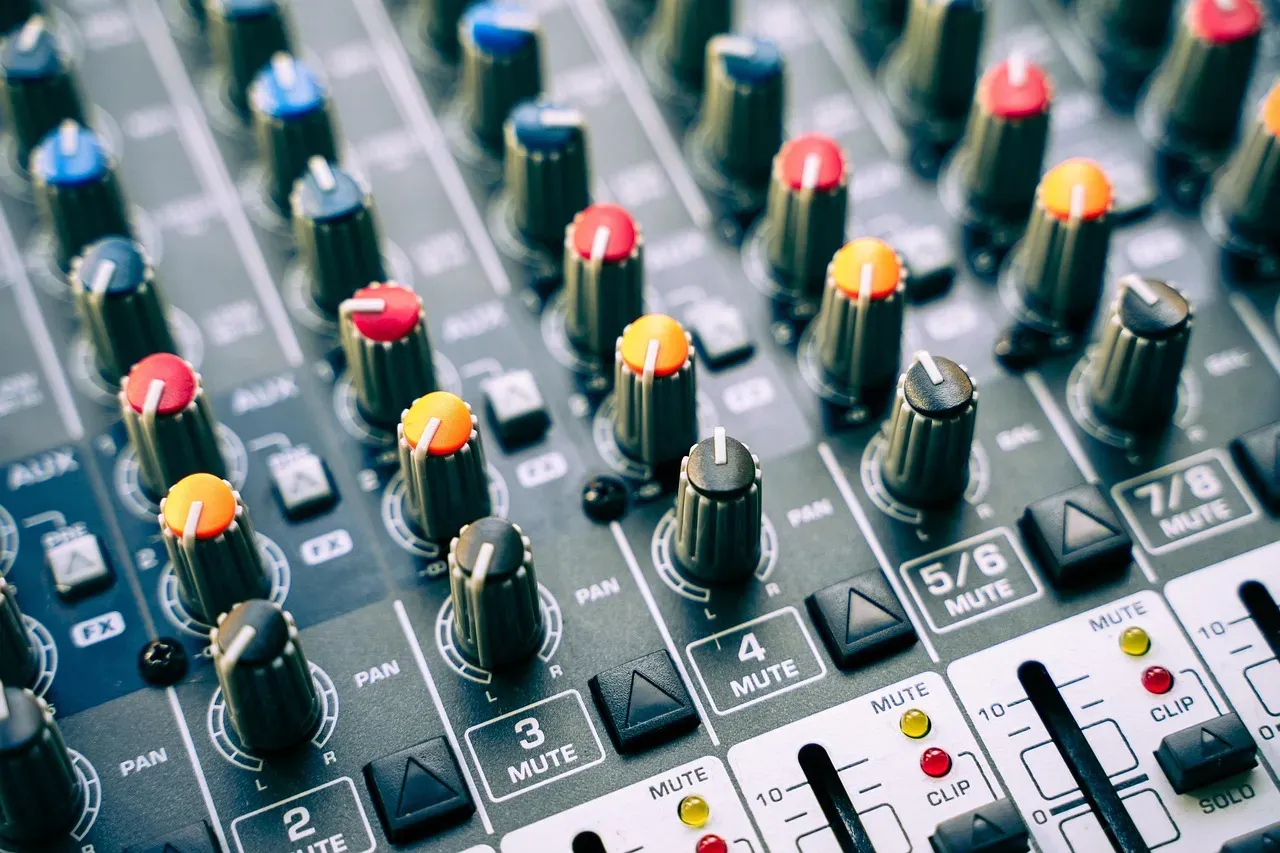
United Sound Systems was a legendary but modest studio in Detroit’s inner city. Nothing fancy, just a working-class facility where local bands could afford to record. George Clinton brought Funkadelic there during Detroit’s economic decline in the early seventies. The building’s age and location gave recordings this gritty, urban quality. Clinton would create entire sonic universes in this unassuming space.
That title track’s guitar solo happened largely in one take in a small tracking room. Eddie Hazel played for over ten minutes while Clinton directed him to “play like your mother just died.” The studio’s modest equipment somehow captured that raw emotion perfectly. Bigger studios might have sanitized that performance. United Sound’s limitations became Funkadele’s strength.
12. Radiohead – “In Rainbows” (Tottenham House, Wiltshire)
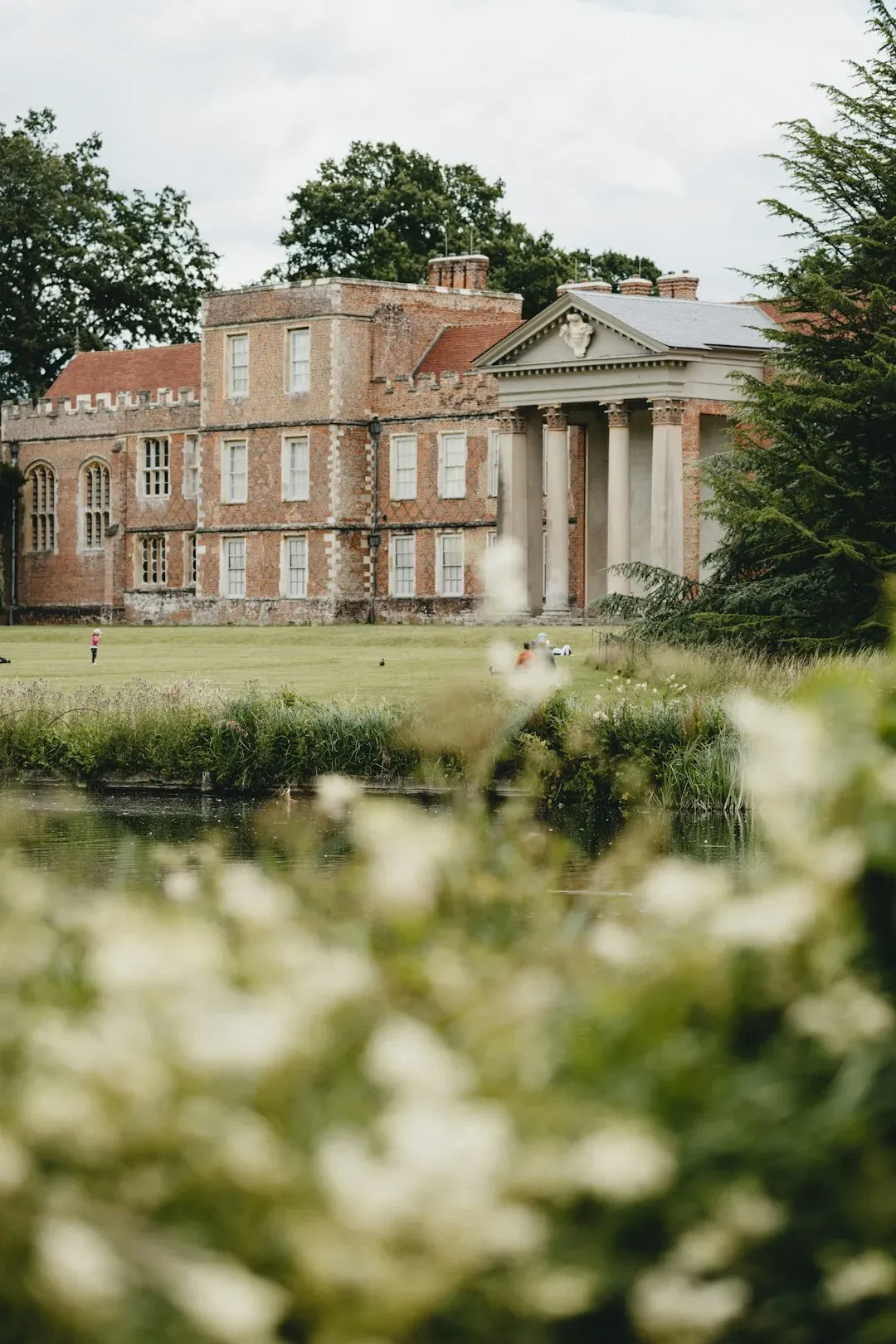
Radiohead rented this massive English country mansion, turning its various rooms into makeshift recording spaces. They’d set up in the ballroom, the library, random bedrooms – wherever the mood struck. The building’s centuries-old architecture provided unpredictable acoustics. Different rooms offered different reverb characteristics, so they’d match spaces to specific songs.
Working in this unconventional environment freed the band from studio clock-watching. They could experiment endlessly without worrying about hourly rates. The house’s history and grandeur infected the album with this timeless quality. Professional studios feel designed for efficiency, but Tottenham House encouraged exploration. That freedom helped Radiohead create their most organic-sounding record in years.
13. Nine Inch Nails – “The Downward Spiral” (10050 Cielo Drive, Los Angeles)
Trent Reznor rented the house where the Manson Family murders happened, converting it into a studio he called “Le Pig.” He claimed not knowing the history initially, but that dark past permeated the recordings. The house’s malevolent energy became part of the album’s oppressive atmosphere. Reznor later said working there deeply affected his mental state.
Those rooms held decades of bad energy, and you can hear it. The album sounds genuinely disturbed, not just artfully dark. Reznor used the house’s natural acoustics and its psychological weight. Professional studios have no history, no ghosts. This house had too much history, and it seeped into every track. Sharon Tate’s bedroom became the main recording room.
14. Elliott Smith – “Either/Or” (Various Houses and a Studio Basement)
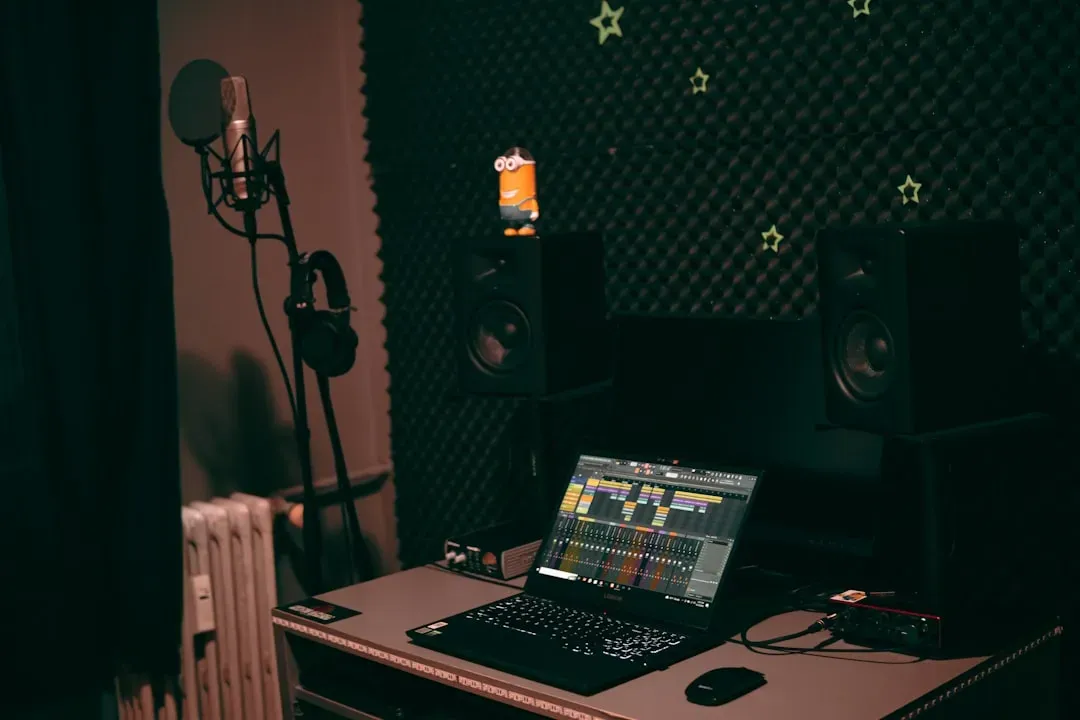
Smith recorded much of this album in friends’ houses around Portland, setting up equipment in living rooms and bedrooms. Some tracks came from a commercial studio’s basement that he could access cheap during off hours. That patchwork recording environment gave the album its intimate, vulnerable quality. Each location added subtle texture differences.
The domestic settings matched the album’s confessional tone perfectly. You can hear ambient house sounds – creaking floors, distant traffic. Those imperfections made Smith’s whispered vocals feel even more personal. Bigger studios would have stripped away that sense of place. The various houses became characters in the album’s emotional landscape.
15. The Velvet Underground – “The Velvet Underground & Nico” (Scepter Studios, Manhattan)
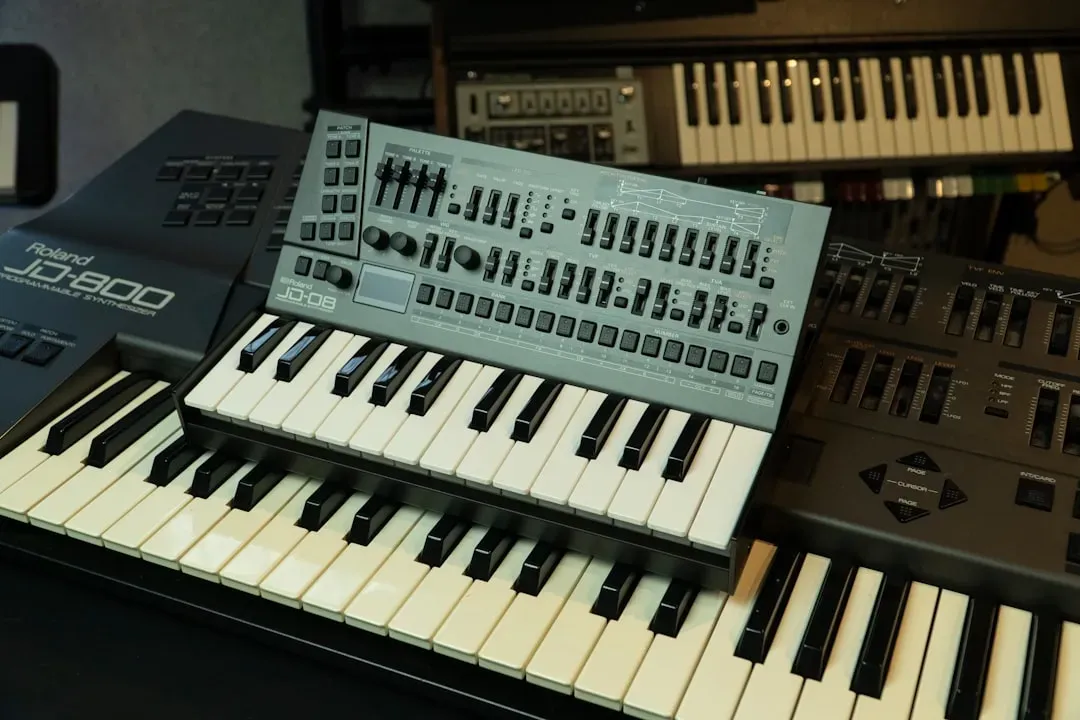
Scepter Studios primarily served pop and soul acts, making it an unlikely home for the Velvet Underground’s abrasive sound. The studio’s modest size and basic equipment couldn’t tame the band’s raw energy. Engineer Norman Dolph had never recorded anything like this before. The studio’s limitations meant he couldn’t polish the rough edges even if he wanted to.
Those four days of recording captured the band’s live intensity perfectly. A fancier studio might have made them sound too controlled. Scepter’s unpretentious setup let the chaos breathe. The building’s basic acoustics added this garage-band immediacy to experimental art-rock. Sometimes the “wrong” studio is exactly right.
16. Burial – “Untrue” (Bedroom, South London)
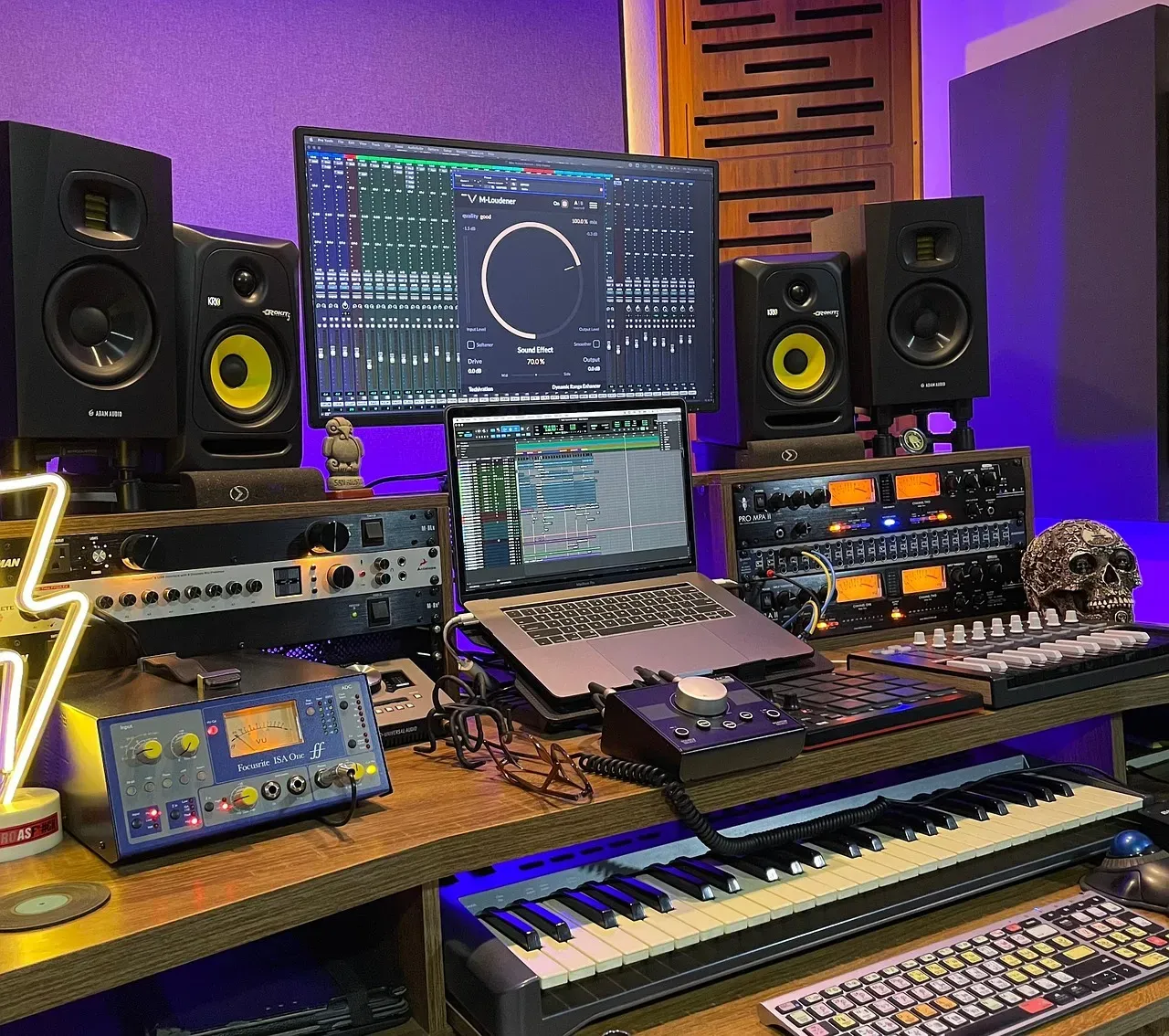
William Bevan made this entire album alone in his bedroom using SoundForge, a basic audio editor. No fancy production software, no hardware synthesizers, just samples manipulated on a computer. His bedroom’s isolation created the album’s signature loneliness. He’d work through the night, channeling South London’s urban desolation into sound.
That amateur setup gave “Untrue” its distinctive lo-fi crackle. Professional studios would have cleaned up the intentional vinyl noise and digital artifacts. Bevan’s bedroom became an instrument itself – its silence and solitude audible between the beats. The limitations of his equipment forced creative solutions that defined dubstep’s future. His bedroom walls heard every vulnerable moment.
17. Johnny Cash – “American Recordings” (Rick Rubin’s Living Room)
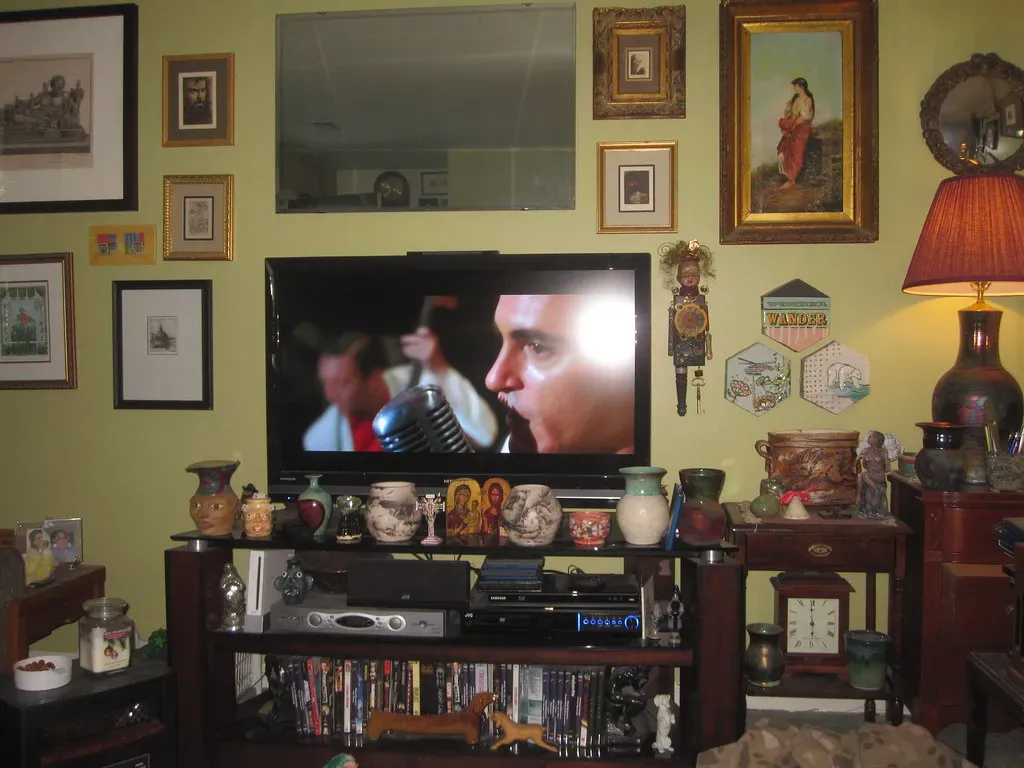
Rick Rubin recorded Cash singing alone in his Encino living room, just voice and guitar. No backing band, minimal production, pure presence. The living room’s intimate acoustics made Cash’s weathered voice sound even more powerful. Rubin positioned microphones to capture room reflections, not eliminate them. That domestic setting brought out vulnerability Cash rarely showed.
Professional studios would have felt too formal for what Rubin wanted. Cash was nearing the end of his life, and singing in a living room felt appropriately human-scaled. You can hear the room breathing around his voice. Those imperfect acoustics made the recording feel like a private performance. The greatest country singer of all time, recorded in someone’s house.
18. Bat for Lashes – “Two Suns” (An Old Church, Brighton)
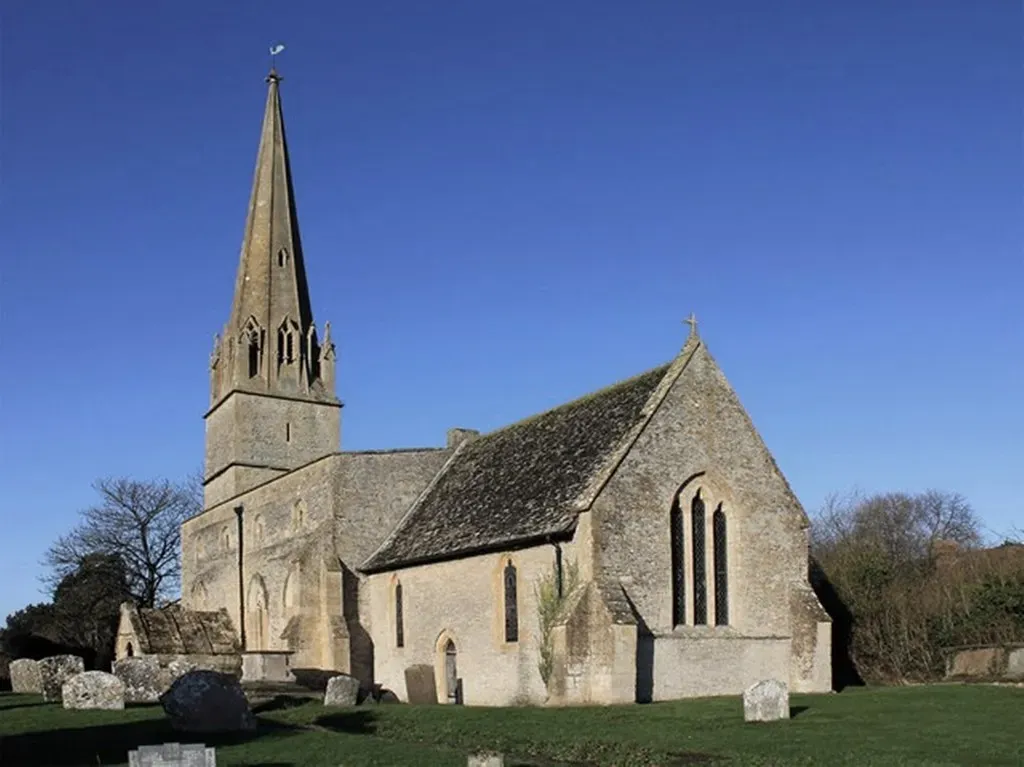
Natasha Khan rented a deconsecrated church in Brighton, using its massive reverb for much of this album. The building’s religious history added this mystical quality to her already ethereal sound. She’d sing in the main hall, letting her voice bounce off stone walls. That natural cathedral reverb became foundational to the album’s otherworldly atmosphere.
Recording in a former church felt spiritually appropriate for Khan’s mystical lyrics. The space’s acoustics created effects no studio reverb plugin could replicate. Professional studios try to control sound, but this church let sound behave naturally. That unpredictability forced Khan to adapt her performances to the building’s character. The church itself became a band member.
19. Ariel Pink – “Pom Pom” (His Los Angeles Bedroom)
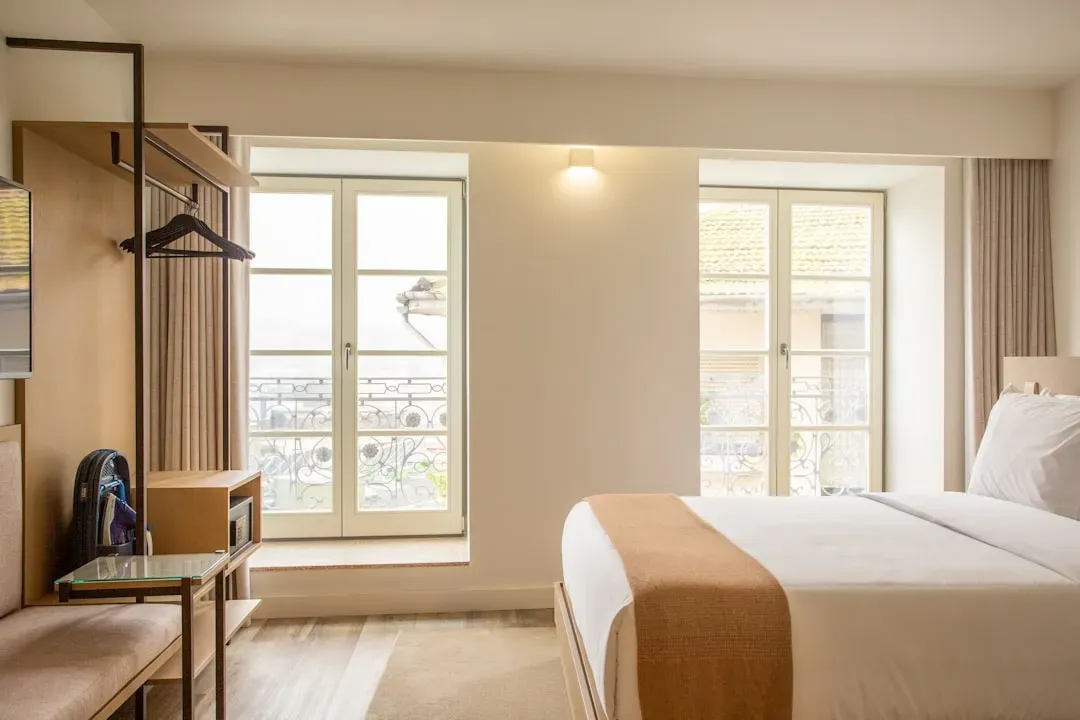
Pink recorded this sprawling double album primarily in his bedroom on an eight-track recorder. The lo-fi aesthetic that defined his earlier work evolved but never disappeared. His bedroom’s cramped space created this claustrophobic psychedelia. Equipment limitations forced him to bounce tracks creatively, adding layers of tape noise and degradation.
That bedroom intimacy gave “Pom Pom” its warped nostalgia. Professional studios would have cleaned up the glorious messiness that makes Pink’s music distinctive. His bedroom became this feedback loop of creation and revision. Working alone in a small space encouraged the hermetic weirdness that defines his sound. The room’s constraints became Pink’s signature.
20. D’Angelo – “Voodoo” (Electric Lady Studios, But Recorded Like a Live Room)
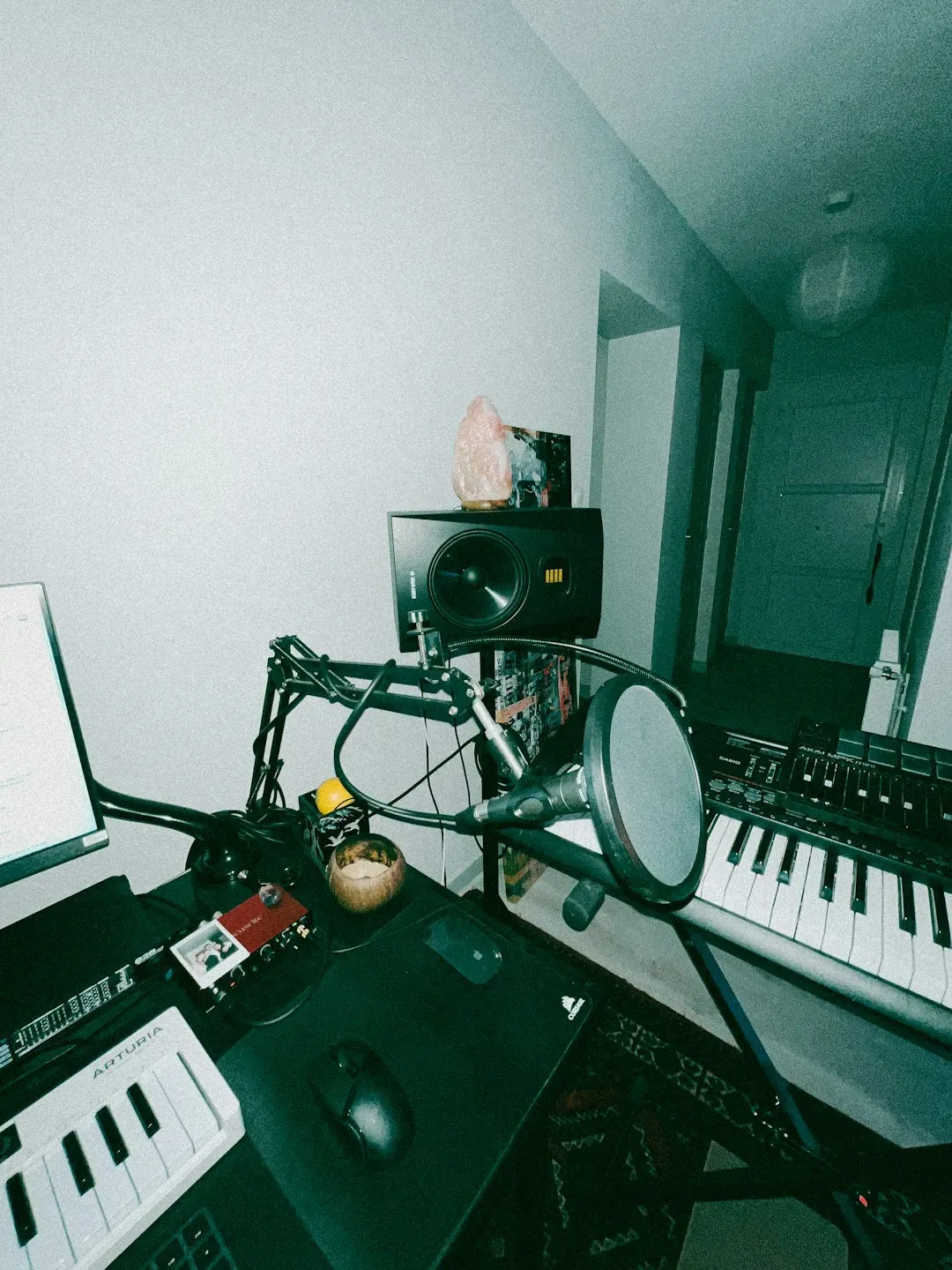
Okay, Electric Lady is a professional studio, but D’Angelo and Questlove transformed it into something else entirely. They removed baffles and separation, creating one massive live room. Everyone played together simultaneously, like a jam session, not a clinical recording. That approach was wildly unconventional for a major-label R&B album in 2000.
The live recording method gave “Voodoo” its organic, human feel. Modern R&B happened in isolated booths, each instrument recorded separately. D’Angelo rejected that sterile approach, insisting everyone play in the same space. The studio’s history and vibe mattered more than its technical capabilities. They turned a professional facility into something resembling a basement jam session.
Conclusion: Where Magic Really Happens
These twenty albums prove that legendary recordings don’t require legendary studios. A bedroom, a church, even a house with a horrifying past – sometimes these “wrong” places provide exactly the right atmosphere. The environment shapes the music in ways we can hear but rarely articulate. Professional studios offer control and precision, but sometimes control is the enemy of inspiration.
The best recordings capture a moment, a feeling, a specific combination of people and place. That might happen in Capitol Records’ famous chambers, or it might happen in your dad’s hunting cabin. The studio doesn’t make the music – vision, talent, and sometimes happy accidents do. Next time you put on a favorite album, consider where it was actually made. The answer might surprise you.
What do you think? Did any of these unexpected recording locations catch you off guard? Let us know in the comments.