
There’s a certain irony at play when you realize that thousands of families each year are choosing to plant their roots just a short drive from the world’s most famous gambling strip. Las Vegas has long been typecast as a place you visit, not a place you settle. The suburbs tell a different story entirely. Summerlin and Henderson have quietly become two of the most sought-after residential communities in the American West, drawing educated professionals, young families, and retirees who want modern infrastructure, low taxes, and room to breathe. The numbers behind this migration are striking, and they’re only getting harder to ignore.
A City Within a City: What Summerlin Actually Is
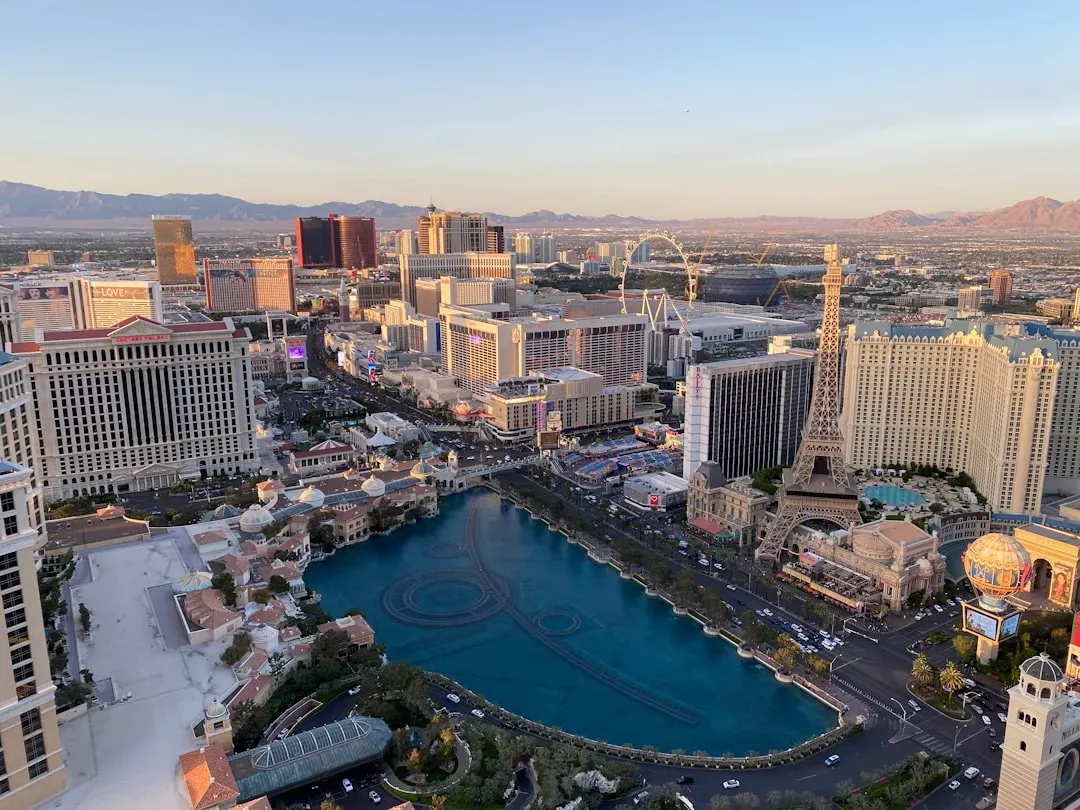
Most people outside Nevada are surprised to learn that Summerlin is not a city at all. It’s a master-planned community developed by Howard Hughes Holdings, stretching across 22,500 acres along the western rim of the Las Vegas Valley. Summerlin began to take shape in 1990 and has ranked in the country’s top 10 best-selling master-planned communities for nearly two decades, encompassing 22,500 acres with approximately 5,000 gross acres still remaining to accommodate future growth.
The community is currently home to nearly 127,000 residents who enjoy an unparalleled list of amenities, including more than 300 neighborhood and village parks, more than 200 completed miles of trails, 26 public and private schools, 14 houses of worship, and ten golf courses. That’s not a resort brochure. That’s daily life for residents here.
Now entering its 36th year of development, Summerlin continued its remarkable, decades-long trajectory in 2025, with the residential sector seeing the opening of 10 new neighborhoods offering dozens of new floorplans. The community shows no signs of slowing down, with 2026 already lined up for further expansion.
Henderson’s Rise: From Factory Town to One of America’s Fastest-Growing Cities

Henderson’s trajectory has been one of the more remarkable urban stories of the past decade. Henderson is the third-fastest growing city in the country per capita over the past decade, with its population growing 22 percent to 324,523 through the end of 2023, ranking it third in the country for cities with more than 250,000 people, bested only by Orlando, Florida and Irvine, California.
The 2025 projected population for Henderson is 361,139, assuming an annual rate of change of 3.2 percent, consistent with the population change from 2023 to 2024 according to the U.S. Census Bureau’s Population Estimates Program. That kind of growth doesn’t happen by accident.
With 350,039 people, Henderson is the second most populated city in the state of Nevada out of 125 cities, according to the most current U.S. Census data. It has its own civic infrastructure, its own economy, and increasingly its own identity, separate from Las Vegas.
The Tax Equation: Why the Math Moves People
Perhaps nothing drives the relocation calculus more sharply than Nevada’s tax structure. Nevada has no state income tax, constitutionally prohibited under Article 10, Section 1. For families relocating from California, New York, or Illinois, that single fact represents a life-changing financial shift.
The Nevada versus California tax comparison is stark: California’s top earners pay over 13 percent, while Nevada residents pay nothing. For many relocating professionals, this single factor justifies the move. Add to that a very low property tax burden, and the financial case becomes even clearer.
Nevada property taxes average approximately 0.55 percent of assessed value, among the lowest in the nation. Combined with no state income tax, Las Vegas offers significant tax advantages versus high-tax states like California, Illinois, and New York, making it attractive for buyers relocating from those areas. For many families, the move essentially pays for itself within a few years.
Safety Rankings That Genuinely Back Up the Hype

The idea of settling near Sin City raises natural questions about safety. The data cuts through that perception quickly. Henderson is consistently ranked among Nevada’s safest cities, with violent crime rates well below the national average, and families and retirees are drawn to its master-planned communities, quality schools, and proximity to the Las Vegas metro.
Henderson’s violent crime rate is 1.6 per 1,000 residents, well below the national average of 4. Boulder City and Mesquite also score below 2, making them excellent choices for families. For context, that’s a meaningful margin of safety compared to most comparable U.S. cities of similar size.
Henderson has been named the second safest large city in the U.S. by Advisor Smith, based on data provided by the Federal Bureau of Investigation’s Uniform Crime Reporting Data. Henderson and Las Vegas have both seen decreases in violent crime for the past two years. The trend line is moving in the right direction.
What Families Actually Get for Their Money
The amenity infrastructure in both communities is genuinely hard to replicate elsewhere at comparable price points. Summerlin delivers more amenities than any other community in Southern Nevada, including over 300 parks, over 200 miles of interconnected trails, ten golf courses, 26 public, private and charter schools, a public library and performing arts center, and Summerlin Hospital Medical Center. Downtown Summerlin includes the Red Rock Casino Resort and Spa, City National Arena, home of the Vegas Golden Knights practice facility, and Las Vegas Ballpark, a world-class Triple-A baseball stadium.
Henderson is known for its outdoor spaces and leisure-driven lifestyle. Parks like the expansive Cornerstone Park, a 100-acre oasis with trails circling a serene lake, and Lake Las Vegas offer water activities like kayaking and paddleboarding. These aren’t amenities you’d associate with a desert suburb, which is part of what makes these communities so surprising to newcomers.
For outdoor lovers, Henderson features 37 miles of scenic hiking trails. The Sloan Canyon National Conservation Area and the Henderson Bird Viewing Preserve are among these, with the latter hosting special events throughout the year. Nature, as it turns out, is one of the unexpected selling points.
Partner offer
Housing Prices: Premium, But Still Competitive
Both Summerlin and Henderson command premium prices by Nevada standards, though they remain accessible compared to many coastal markets. After years of fast price growth during the pandemic, the Las Vegas market cooled and balanced out in 2025, with inventory up, buyers having more choices, and interest rates around the mid-6 percent range shaping what people can afford. Median prices sit at roughly $805,000 in Summerlin South and $832,000 in Summerlin West.
Henderson has a median home price of $546,006, offering master-planned communities and quality schools near Las Vegas. That gap between the two communities is meaningful for buyers on different budget timelines. Henderson gives younger families a real entry point that Summerlin’s premium positioning doesn’t always offer.
The luxury production home market saw a significant jump in sales in 2025 and is poised to keep building off that momentum in 2026 with high-end communities in Summerlin. A 3,500-square-foot home in a top Summerlin or Henderson community typically costs less than an 1,800-square-foot home in coastal California, and that price gap, combined with the elimination of state income tax, often allows families to pay cash or significantly reduce their mortgage when they move.
Income Levels and Education: The Demographic Profile
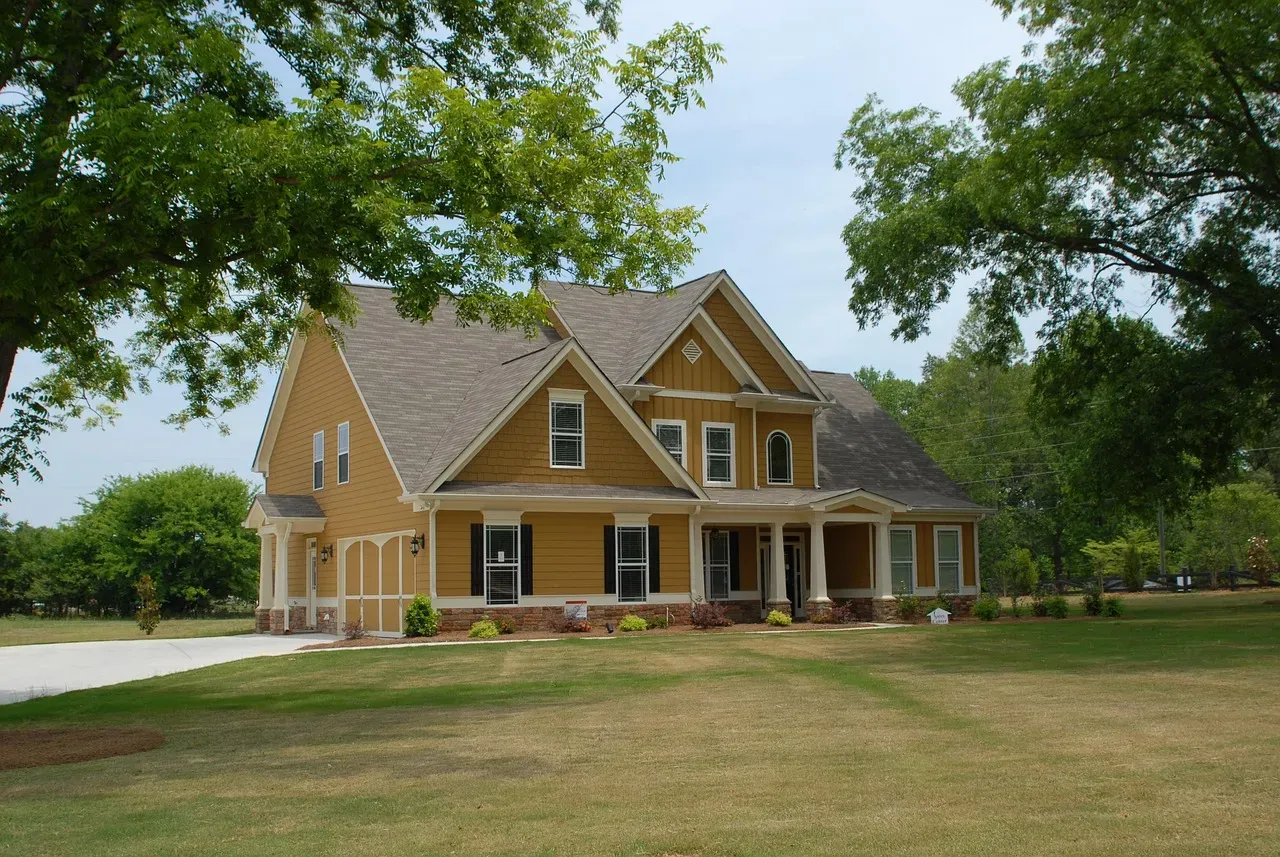
These aren’t transient communities. The people moving here are educated, employed, and planting long-term roots. The average annual household income in Summerlin was $95,404 in 2024, according to the U.S. Census Bureau. In Summerlin South specifically, the median household income of households was $117,035 in 2024.
Specific suburban areas like Henderson and Summerlin show bachelor’s degree attainment rates approaching 40 to 45 percent, as educated professionals and families concentrate in these communities. That’s significantly above the broader Clark County average and in line with some of the most well-educated suburbs nationwide.
Summerlin has 19,905 households with an average of 3 members in each. Of these, 62.6 percent are families, while the remaining 37.4 percent are made up of individuals living alone or with non-relatives. The family composition of the community isn’t accidental. It reflects deliberate planning that prioritizes schools, parks, and stability.
Sustainability: Going Green in the Desert

One unexpected dimension of Summerlin’s appeal is its commitment to environmental performance, surprising for a desert community. In August 2024, Summerlin achieved LEED precertification by the U.S. Green Building Council, becoming Nevada’s first master-planned community to achieve this distinction.
Summerlin voluntarily became the first community in the Las Vegas Valley to implement strict Water Smart conservation guidelines. As of March 2024, Summerlin has removed 638,100 square feet of decorative grass, saving approximately 35 million gallons of water annually.
According to energy and sustainability consulting firm Servidyne, the community boasts a carbon footprint of only 3.3 metric tonnes per person per year, which is 78 percent less than the national average. One contributing factor is that the average work commute for Summerlin residents is less than 10 minutes. In an era of rising environmental awareness, that kind of data point matters to families making long-term decisions.
The Remote Work Factor: Why Location Flexibility Changed Everything
The rise of remote and hybrid work over the past several years changed the calculus for suburban relocation nationwide, and the Las Vegas suburbs benefited more than most. Nevada is a top destination for individuals relocating from high-tax states, and the absence of a state income tax can result in substantial annual savings, particularly for high-income earners, retirees, and investors.
For entrepreneurs, investors, and self-employed professionals, Nevada’s tax structure can be a game-changer. This is especially appealing for remote workers and digital entrepreneurs who want to relocate to a tax-friendly state while enjoying modern communities like Downtown Summerlin or the Urban Core of Summerlin West.
The metro area has matured significantly over the past decade and now competes with Phoenix and Austin as a true relocation destination, not just a vacation city. That shift in perception has been real and measurable, reflected in both population data and housing demand across both communities.
What’s Coming Next: 2026 and Beyond

Neither community is close to finished. The development pipeline for both Summerlin and Henderson heading into 2026 is substantial, with new neighborhoods, commercial anchors, and infrastructure all moving forward. Looking ahead to 2026, Summerlin is positioned for another strong year with the opening of 11 new neighborhoods that will expand its diverse housing options, supported by new parks and open spaces. Additional retail and prominent office tenant announcements are anticipated, reinforcing Summerlin’s role as the premier community in Las Vegas.
New phases in Summerlin West bring more homes and mixed-use spaces, and a Sony movie studio and Urban Core project are expected to create jobs and attract businesses. These aren’t just residential additions. They’re full ecosystem expansions that reduce the need to leave the community for work or entertainment.
Both Summerlin and Henderson should see stable growth in 2026, with inventory up so buyers have more room to negotiate. Long term, population growth and new infrastructure will keep driving demand in both areas. The trajectory points in one consistent direction.
Conclusion: The Suburbs That Rewrote the Script

Partner offer
Planning a trip to Vegas?
Compare hotel rates and show tickets on VEGAS.com.