
Turn on the evening news and you’d think the story is simple: crime in America is falling. The headlines track plummeting murder rates, record-low property crime, and cities that finally feel like they’re getting a handle on violence. It’s a genuinely good news story, mostly.
Except it isn’t the whole story. Quietly, in the cul-de-sacs and country roads that millions of Americans moved to during the pandemic, something different has been unfolding. The crime map is being redrawn, and the picture it paints is one that national statistics tend to gloss over. Let’s dive in.
The National Numbers Look Great – Until You Look Closer

The FBI’s crime statistics estimates show that national violent crime decreased an estimated 3.0% in 2023 compared to 2022, with murder and non-negligent manslaughter recording a nationwide decrease of 11.6%. Then in 2024, the improvements kept coming. Overall violent crime declined by 4.5% from 2023 to 2024, reaching the lowest recorded rate since 1969, while overall property crime declined by 8.1%, the lowest recorded rate since 1961.
That sounds extraordinary, and it is. The FBI confirmed that the overall rates of violent and property crime in the United States declined in 2024, recording the lowest property crime rate and lowest violent crime rate since at least 1969, supporting a trend of sustained and historic declines since 2022.
Here’s the thing, though. National averages are a bit like checking the average temperature of your house while one room is on fire. The aggregate looks fine, but the details tell a very different story.
Small Towns Are Not Sharing the Good News

Smaller and extra-small cities like Birmingham, East Point, Tukwila, and Emeryville had rates far above the national average, proving that crime is not just a “big city” problem. That framing matters enormously. For decades, the public conversation around crime has been essentially urban. While big city crime may be falling, suburban crime may be rising. More surprising still, crime in rural areas appears to be rising even faster, and a much higher share of this crime involves strangers and guns.
The National Crime Victimization Survey shows that the traditional boundaries between urban and non-urban violence are dissolving. Suburban and rural areas, once considered safe havens, are now confronting a jump in non-fatal violent crime, fundamentally changing the geography of public safety. Think about what that actually means for ordinary people who packed up and left cities precisely because they believed they were trading danger for peace.
The Pandemic Migration Effect

It’s hard to overstate just how dramatically the COVID-19 pandemic reshuffled where Americans live. It was the movement of residents within the U.S., from cities to suburbs and away from large metro areas, that made the biggest impact on urban areas’ population declines. Such movement was prompted by a fear of proximity to others in dense urban centers and, for some, the ability to work virtually.
The pandemic, remote work, and rising housing costs pushed millions of people from city blocks to suburban cul-de-sacs and country roads. But they didn’t leave big-city problems behind. This is the part nobody wants to talk about. When large numbers of people relocate rapidly into communities that weren’t built, staffed, or funded to absorb them, stress fractures appear. Federal data shows violent victimizations in nonurban areas increased during the pandemic even as urban violence declined. This rapid population growth has outpaced local institutions.
The Data Gap Nobody Is Talking About

Here’s a frustrating layer to all of this: we may actually be undercounting the problem. Of the 16,000 agencies that reported crime data to the FBI in 2023, less than half (just 7,349) were local law enforcement agencies. This presents a challenge for understanding safety trends given the localized nature of crime, and an even more significant challenge for rural law enforcement agencies with less capacity for crime reporting.
Low rates of reporting among rural towns and suburbs run the risk of outsized attention to crime in large urban areas, while under-resourcing crime reduction efforts in smaller localities. It’s a vicious cycle, honestly. The places least equipped to track crime are also the places where crime trends may be shifting the fastest. The result is policy built on incomplete information, and communities left without the resources they need.
Police Staffing Crises Hit Smaller Departments Hardest
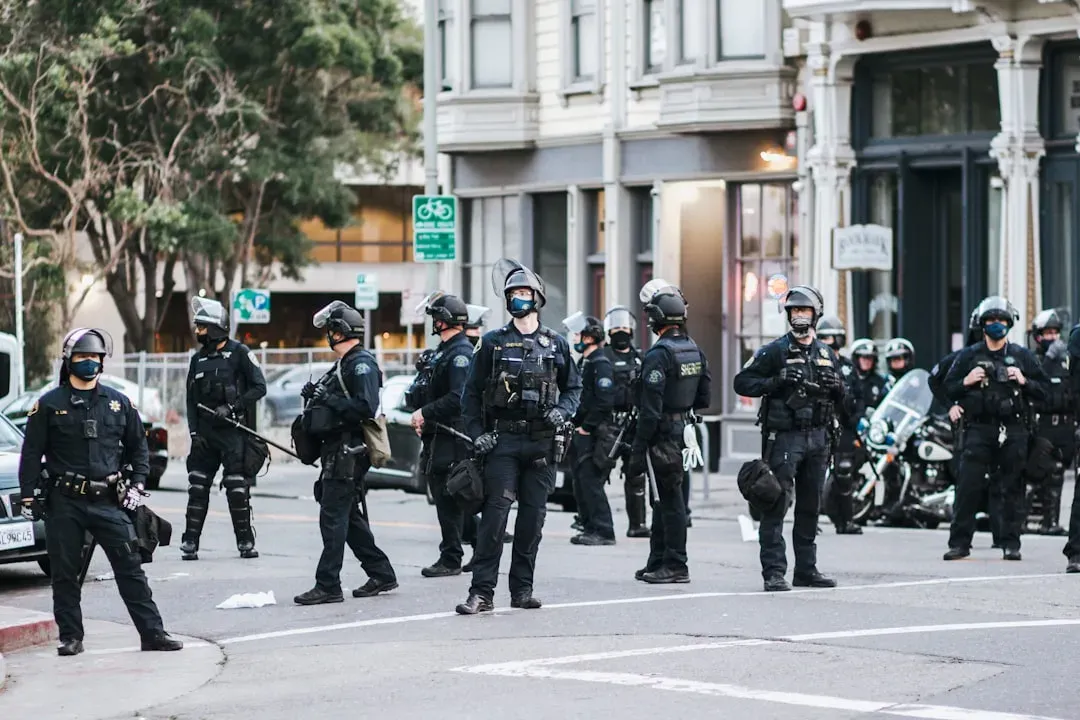
Staffing shortages in policing aren’t new, but their geography has shifted in ways that directly affect small towns. In some small towns, such as Morris, Minnesota, and Washburn, Illinois, shortages have forced entire departments to disband, leaving communities reliant on county sheriffs. Let that land for a second. Entire police departments ceasing to exist.
A police staffing crisis can have significant adverse effects on the public. Low staffing levels have been associated with slower response times, higher crime rates, diminished officer morale, and increased job burnout due to excessive overtime. Meanwhile, police departments, especially in small towns, are struggling to stay staffed. Since 2020, resignations shot up 82% as retirements nearly tripled in forces with fewer than 50 officers. The math simply does not work in favor of small-town safety right now.
Perception Versus Reality: A Nation Confused

One of the strangest subplots of the modern American crime story is how dramatically public perception has diverged from reality. In 2023, according to Gallup, roughly three quarters of Americans believed crime was rising, the highest point since 1995. In 2024, nearly two thirds of Americans believed that crime was increasing.
This disconnect has real consequences. Public sentiment used to reflect crime conditions, but for the past several years, it has grown increasingly partisan. When people believe their neighborhood is dangerous regardless of what the data says, they make decisions based on fear rather than fact. They push for reactive policies, demand increased spending in the wrong places, and overlook the quiet suburban surge that’s actually happening right under their noses. Although national data suggests an overall major decrease in crime across the country, some crime data experts caution that that isn’t necessarily the case in individual cities and neighborhoods.
Property Crime Remains the Silent Driver in Suburban Areas
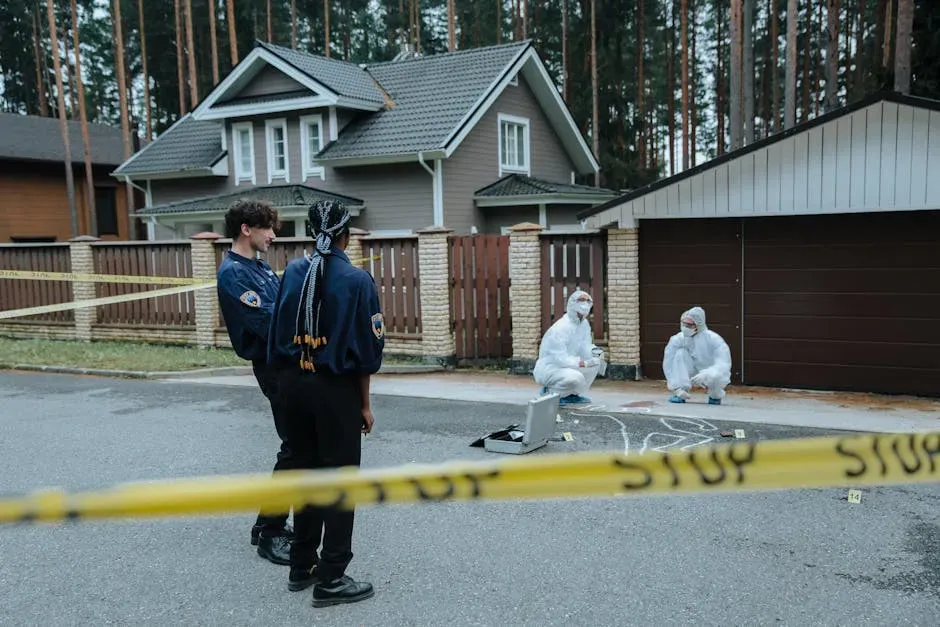
While violent crime grabs headlines, the most persistent and widespread crime issue in suburban and small-town America tends to be something far less dramatic. Property crime, things like theft, burglary, and vehicle theft, has quietly taken root in communities that didn’t used to think much about locking their cars. Motor vehicle theft saw a significant jump, up 12.6% in 2023 compared to 2022.
Motor vehicle theft, a crime that has been on the rise since the summer of 2020, continued its upward trajectory through 2023. There were 29% more reported motor vehicle thefts in 2023 than in 2022. For small towns, a spike in car theft or residential burglary isn’t just a statistic. It fundamentally changes how safe people feel in a place they specifically chose because it felt safe. Understaffing increases officer burnout, turnover, and response times while limiting crime prevention efforts. Budget constraints further hinder agencies from offering competitive salaries, particularly in rural regions with limited funding. This imbalance leads to uneven law enforcement effectiveness across the country.
Conclusion: The Story Within the Story
The national narrative on crime is genuinely positive. Murder rates are at historic lows, violent crime is falling, and cities that spent years in crisis are finally seeing relief. That is real, and it matters. Still, the story within that story, the one unfolding in suburban neighborhoods, small towns, and rural communities, demands equal attention.
While big city crime may be falling, suburban crime may be rising. More surprising still, crime in rural areas appears to be rising even faster, and a much higher share of this crime involves strangers and guns. For millions of Americans who moved away from cities in search of quiet streets and unlocked doors, that is not a footnote. It is the headline.
The next time you hear that crime is falling across America, ask which America they mean. The answer might surprise you. What do you think, could your own community be part of this underreported trend? Share your thoughts in the comments.