A Relic of Print Media’s Past Faces Modern Scrutiny (Image Credits: Unsplash)
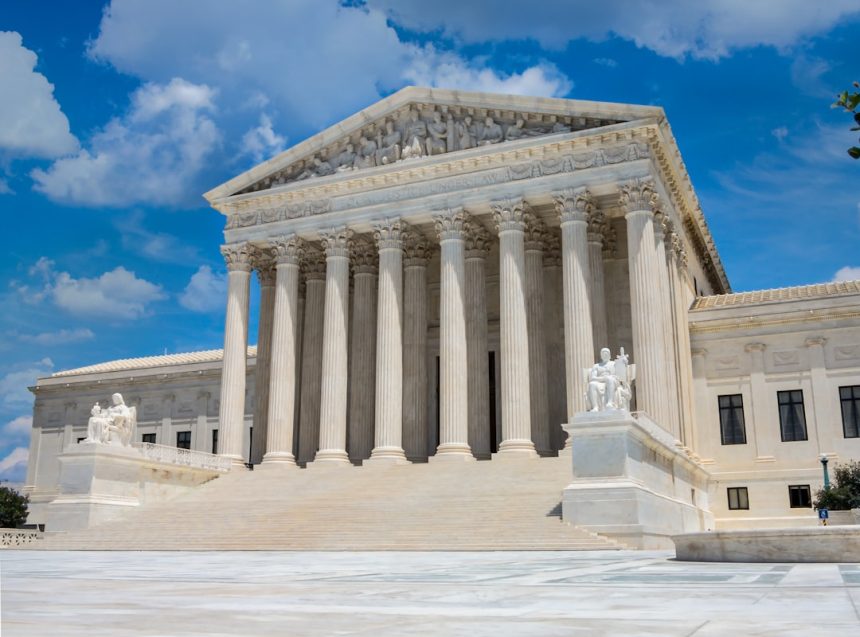
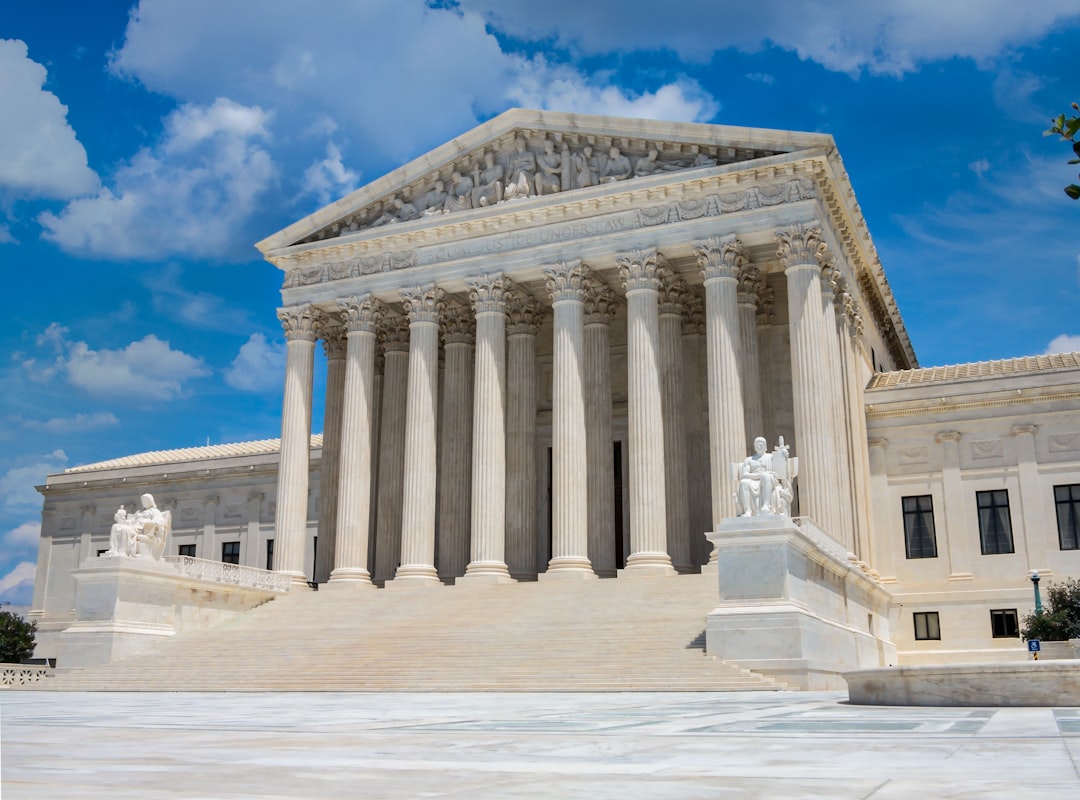
Las Vegas – The U.S. Supreme Court declined to hear an appeal from the Las Vegas Sun on Monday, letting stand a federal appeals court ruling that invalidated the newspaper’s longstanding joint operating agreement with the Las Vegas Review-Journal.[1][2]
A Relic of Print Media’s Past Faces Modern Scrutiny
Joint operating agreements once saved struggling newspapers across America by allowing rivals to share business operations while preserving separate editorial voices. Congress passed the Newspaper Preservation Act in 1970 to encourage such arrangements, requiring U.S. Attorney General approval for those formed afterward to grant antitrust immunity.[1]
The Las Vegas pact stood as the nation’s final example. The Sun, founded over 75 years ago by the Greenspun family, partnered with the Review-Journal in 1989 when financial woes threatened its survival. That deal shifted the Sun to afternoon editions on weekdays while inserting it into the Review-Journal on weekends. A 2005 update made the Sun a daily section within its partner, but the change never secured the required federal sign-off.[1][2]
Decades-Old Deal Sparks Bitter Legal Feud
Tensions ignited in 2019 after the Review-Journal’s new owners, the family of the late casino magnate Sheldon Adelson, accused the Sun of breaching quality standards in its printed section. The Review-Journal sought to terminate the partnership, prompting the Sun to file an antitrust lawsuit claiming monopolization attempts.[1]
Discovery revealed the 2005 agreement’s lack of approval. U.S. District Judge Anne R. Traum denied the Review-Journal’s bid to dissolve a preliminary injunction upholding the deal. A three-judge Ninth Circuit panel reversed that in August 2025, declaring the pact unlawful and unenforceable for missing Attorney General consent. The Sun’s bids for rehearing failed, leading to its Supreme Court petition.[1][3]
- 1989: Original JOA forms amid Sun’s financial crisis.
- 2005: Amendment restructures distribution without federal nod.
- 2015: Adelson family acquires Review-Journal.
- 2019: Sun sues over termination notice.
- 2025: Ninth Circuit voids the deal.
- 2026: Supreme Court denies review.
Courts Draw Line on Federal Approval Requirement
The Ninth Circuit panel, including Judges Daniel P. Collins, Lawrence VanDyke, and Salvador Mendoza Jr., ruled unanimously that the Newspaper Preservation Act bars performance of unapproved post-1970 JOAs. This stance created tension with other circuits but held firm.[1]
The high court’s refusal to intervene on February 23 returned the case to Las Vegas district court. Observers noted JOAs’ obsolescence in a digital era, with no new ones formed in over 30 years amid competition from online platforms and social media.[1]
Opposing Camps Dig In for Next Round
Review-Journal executives hailed the outcome. Chief legal officer Ben Lipman stated, “We never thought there was any basis for the Sun to ask the Supreme Court to review and overturn the 9th Circuit’s well-reasoned opinion.” Counsel David Singer added, “The Sun’s entire case was premised on claims that the RJ breached the 2005 JOA. Now it is finally settled that the 2005 JOA is void.” Publisher Keith Moyer emphasized shifting media landscapes: “JOAs began at a time when print newspapers had little if any competition other than each other. Those days… are long gone.”[1]
The Sun vowed persistence. Attorney Leif Reid said, “We’re disappointed… Today, the Sun will file a motion for a temporary restraining order to prevent the Review-Journal from ceasing to print and distribute the Sun.” Owner Brian Greenspun affirmed, “The central issue of the Review-Journal engaging in a multiyear campaign to silence the Sun remains very much alive.” The paper argues the 1989 JOA endures, demanding fresh Justice Department review for later changes.[2]
Key Takeaways
- The 2005 JOA lacks validity, paving the way for potential dissolution by 2040.
- Antitrust claims persist, with the Sun eyeing a restraining order.
- Las Vegas loses its final print-era newspaper collaboration amid digital shifts.
This ruling marks the twilight of a unique media safeguard, thrusting two historic voices into uncharted competition. What impact will it have on local journalism? Tell us in the comments.