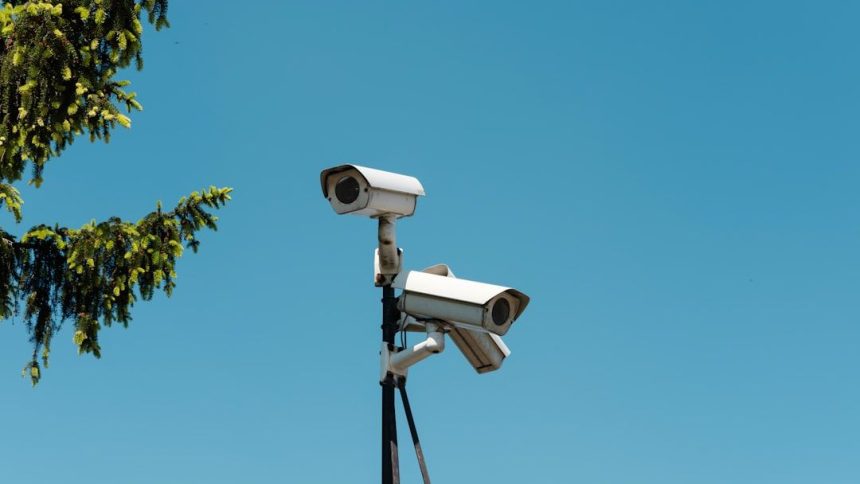
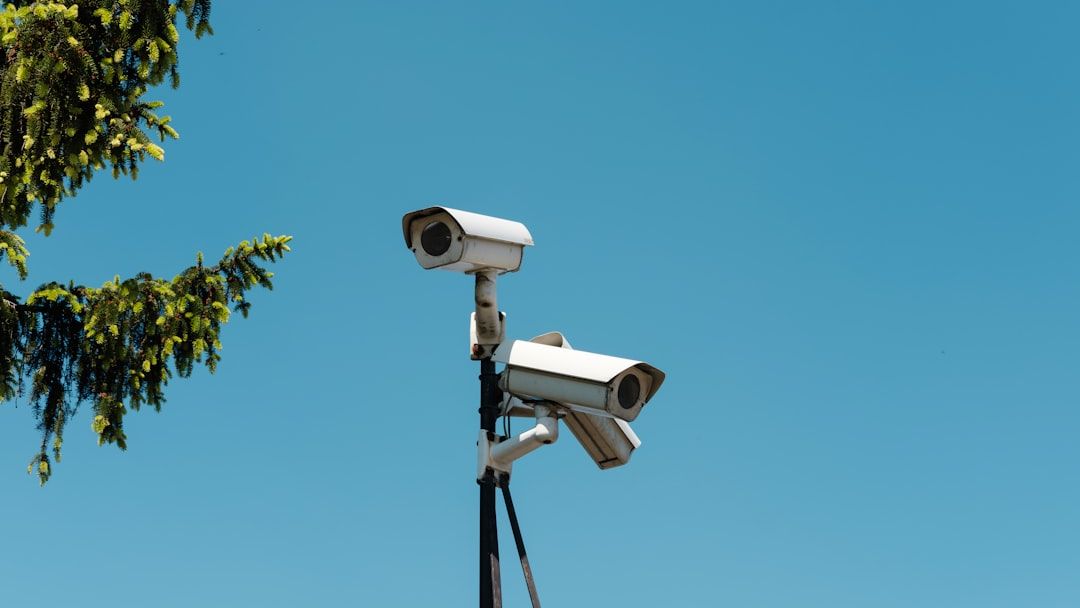

Privacy vs. Protection: Where Should We Draw the Line on Security Cameras? – Image for illustrative purposes only (Image credits: Unsplash)
Burglary rates across the United States have dropped sharply in recent years, a trend many experts attribute in part to widespread adoption of security cameras at homes and businesses. These devices offer crystal-clear footage accessible via smartphone apps, enabling quick responses to potential threats. Yet as their presence multiplies, questions arise about where protection ends and intrusion begins, prompting debates in local forums nationwide.
Cameras as Effective Crime Deterrents
Security cameras have transformed how properties defend against break-ins. Homeowners now monitor their premises remotely, receiving instant alerts that deter would-be thieves before they act. Businesses, too, benefit from these systems, which have contributed to fewer successful burglaries compared to past decades.
The technology behind modern cameras impresses with its clarity and reliability. Videos capture fine details, making it easier for authorities to identify suspects. Communities often share such images through newsletters or alerts, leading to swift arrests in cases of random violence or stranger assaults.
Emerging Backlash Over Privacy
Public unease with surveillance has intensified, reaching county commissions, city councils, and school boards. Residents express fears that cameras, intended for safety, now encroach on personal privacy. This sentiment varies by community, but a common thread demands clearer guidelines on their deployment.
Without federal intervention, states and localities bear the responsibility for establishing boundaries. Current gaps in regulation leave room for misuse, fueling calls for defined protocols on camera usage. These rules would outline permissible scopes, ensuring systems serve public safety without overreach.
Risks Posed by Private Surveillance Contracts
Many governments partner with private firms to manage surveillance networks, granting these companies broad data access. While designed to enhance response times and crime resolution, the data often serves additional purposes beyond initial agreements. This arrangement raises concerns about accountability and unintended applications.
Private operators excel at core functions like rapid incident detection and evidence collection. Countless cases once deemed unsolvable now yield results thanks to high-quality footage. However, the lack of oversight on data handling creates vulnerabilities, as firms may retain or repurpose information in ways officials did not anticipate.
Stakeholders affected include residents, whose daily movements could be tracked, and businesses reliant on these partnerships for efficiency. Practical consequences emerge when data leaks or gets commercialized, eroding trust in both public and private entities. Over time, unresolved issues could slow adoption of beneficial tech or spark legal challenges.
Creeping Intrusion into Everyday Life
Apartment complexes represent a stark example of surveillance extending into private spheres. Large properties increasingly install cameras to observe tenants’ routines, often without state-level restrictions. As private land, these sites fall outside typical public oversight, allowing owners significant leeway in footage use.
Such practices disturb many, evoking fears of constant monitoring. Technology advances, including AI integration, accelerate this trend, outpacing legislative responses. Without intervention, normalized surveillance risks normalizing privacy erosion in housing and beyond.
Charting a Course for Balanced Regulation
Communities must engage proactively with local leaders to shape camera policies. City councils and state legislators hold the power to enact measures protecting civil liberties while preserving safety gains. Defining the line requires input from affected parties, ensuring tools remain beneficial.
This balance proves challenging yet essential. Clear rules at state and local levels offer the most feasible path forward, preventing a slide from protection to overreach. As surveillance evolves, deliberate governance will safeguard both security and individual rights.