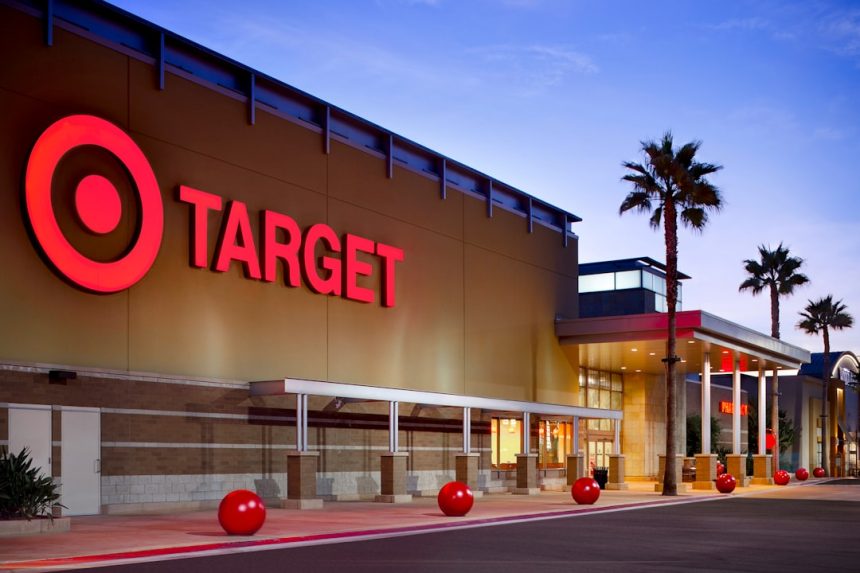
From Commitment to Cutbacks (Image Credits: Unsplash)
Target Corporation scaled back its diversity, equity, and inclusion initiatives last year, prompting a wave of customer discontent that lingers into 2026. The retailer, which operates more than 2,000 stores nationwide, aimed to adapt to changing political and economic pressures following President Donald Trump’s executive order on federal DEI programs. Yet these adjustments fueled boycotts from advocates who saw them as an abrupt reversal of long-standing pledges, complicating the company’s recovery amid slumping sales.[1][2]
From Commitment to Cutbacks
Target launched its Racial Equity Action and Change (REACH) program in 2020, in the wake of George Floyd’s murder. The initiative emphasized anti-racism training for employees, career advancement opportunities for Black workers, support for Black-owned businesses, and expanded sourcing from Black suppliers. Company leaders positioned these efforts as core to fostering an inclusive culture.[1]
Pressure mounted in early 2025. Target discontinued REACH, withdrew from the Human Rights Campaign’s survey on LGBTQ+ policies, and eliminated its three-year DEI goals. The timing aligned closely with Trump’s January executive order dismantling federal DEI efforts. Civil rights activist Rev. Al Sharpton, president of the National Action Network, decried the shift. “You can’t have an election come and all of a sudden, change your old positions,” he stated during a CNBC interview in April 2025. “If an election determines your commitment to fairness then fine, you have a right to withdraw from us, but then we have a right to withdraw from you.”[2]
New CEO Charts a Course for Trust
Michael Fiddelke assumed the role of CEO on February 1, 2026, succeeding Brian Cornell, who had led the company since 2014. Fiddelke addressed employees in a memo, acknowledging the need to rebuild shopper confidence. He outlined priorities including enhanced guest experiences, faster technology adoption, stronger merchandising decisions, and greater investments in staff and local communities.[1]
“In the weeks ahead, my focus is simple: listen closely, move with clarity and urgency, and lead with purpose,” Fiddelke wrote. “We will make clear choices, invest where it matters most and bring this strategy to life through our stores, our digital experiences, and – most importantly – our people.” Target’s spokesperson echoed this commitment, noting the company’s role as a trusted neighbor in over 2,000 communities.[2]
Steps Forward Amid Mixed Results
Target notched a partial win last week when the Target Fast boycott concluded at a press conference. Rev. Jamal Bryant, the Atlanta pastor who initiated the faith-based campaign, declared victory after dialogues with executives. The retailer highlighted ongoing investments, such as nearing completion of a $2 billion pledge to Black-owned businesses – 97% finished by April – and $100 million in grants and scholarships to Black-led groups.[2]
Partner offer
Additional contributions included $10 million to Pensole Lewis College of Business and Design, $18 million to the United Negro College Fund, and $8 million for Target scholars. The company also introduced its Belonging program last January, boosting minority representation on its board to 13%. These actions helped end one protest, yet broader challenges persist.[2]
The Lingering National Boycott
Not all campaigns have subsided. The National Target Boycott, launched February 1, 2025, in Minneapolis by organizer Nekima Levy Armstrong, presses on without concessions. Participants demand a full reversal of the DEI reductions and greater corporate accountability. “Let’s be clear: the Target boycott is not over,” organizers stated in a recent press release. “This is a grassroots movement led by communities demanding corporate accountability, and we will not stop until Target reverses its retreat from diversity, equity, and inclusion.”[2]
Bryant noted remaining gaps, such as the absence of a partnership with a Black-owned bank to bolster homeownership and entrepreneurship among Black communities. This holdout represents the major snag in Target’s reconciliation drive, underscoring divisions over the company’s policy pivot.[2]
Sales Slump Highlights Broader Risks
Comparable sales at Target fell 2.6% year-over-year in 2025, per the latest earnings report. Foot traffic dropped steadily from October through December, according to Placer.ai data. These trends reflect the toll of boycotts alongside economic headwinds.[1]
A LendingTree survey revealed heightened consumer sensitivity: 45% of Americans check a company’s politics before purchasing, 31% have boycotted over discrimination or political stances, and 37% target large corporations more readily. The findings signal growing perils for retailers entangled in cultural debates.[2]
| Boycott Status | Details | Outcome |
|---|---|---|
| Target Fast | Faith-based, led by Rev. Jamal Bryant | Ended last week |
| National Target Boycott | Grassroots, started in Minneapolis | Ongoing |
Key Takeaways
- Target advanced DEI investments but faces demands for policy reversal.
- New CEO Fiddelke prioritizes trust-building through operations and community ties.
- Politics increasingly shapes consumer choices, per surveys.
Target’s experience illustrates the tightrope retailers walk in polarized environments, where policy shifts invite scrutiny from multiple sides. Fiddelke’s leadership will test whether targeted investments and engagement can fully restore loyalty. What do you think about Target’s strategy? Tell us in the comments.
Partner offer
Planning a trip to Vegas?
Compare hotel rates and show tickets on VEGAS.com.