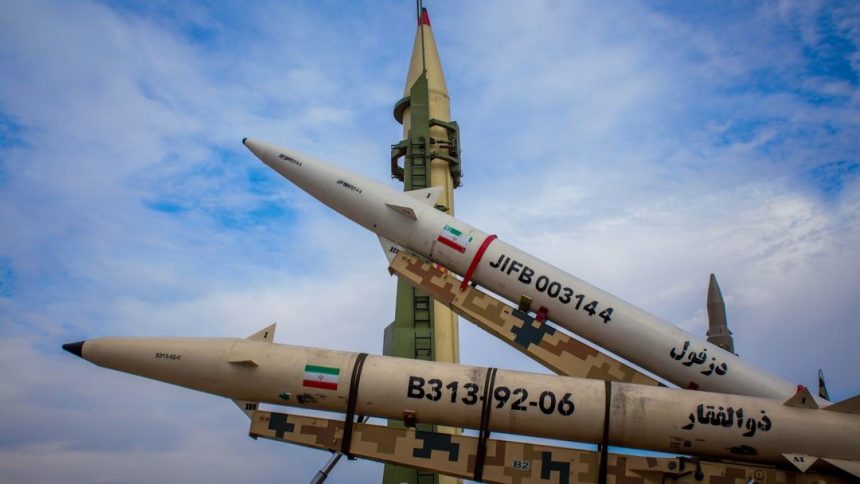
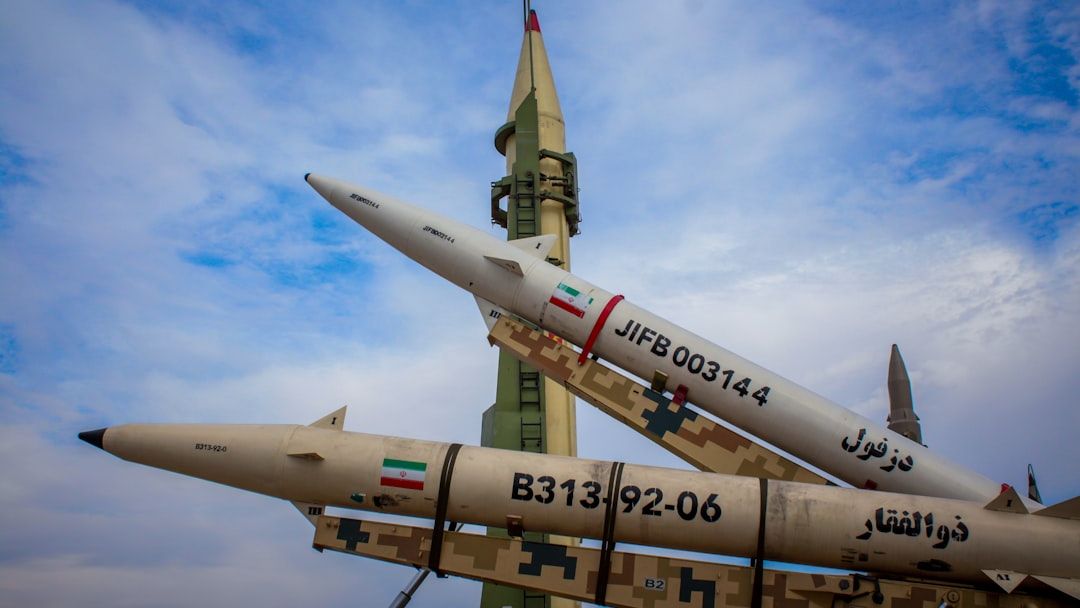

In Iran’s capital, weapons demonstrations send a signal at home and abroad as threat of war remains – Image for illustrative purposes only (Image credits: Unsplash)
Tehran has seen a steady rise in public weapons demonstrations that blend military drills with everyday city life. Residents now encounter Kalashnikov-style rifles at evening classes and Soviet-era machine guns mounted on parade vehicles rolling through central streets. These displays come at a moment when economic pressures and political uncertainty weigh heavily on daily routines.
Training Sessions Draw Everyday Participants
Recent evenings in the capital have featured organized classes where men and women learn basic handling of folding-stock rifles. Trainers from the Revolutionary Guard’s Basij force walk groups through loading procedures and safety rules, though some sessions reveal the rudimentary nature of the instruction. One participant struggled to seat a magazine correctly and briefly pointed an unloaded barrel toward others nearby. Ali Mofidi, a 47-year-old resident who attended one such session, described the need for readiness. “This is necessary for all our people to get trained because we are in a war situation these days,” he said. “If necessary, everyone should be available and know how to use a gun.” Completion earns participants a card labeled “Janfada,” marking basic preparedness for potential national emergencies.
Displays Serve Multiple Audiences at Once
The visible presence of weapons offers reassurance to hard-line supporters while projecting strength beyond Iran’s borders. Parades and public events now regularly feature ballistic missiles, including one displayed at a mass wedding that resembled systems previously used in regional strikes. Officials have promoted volunteer sign-ups through state media and text messages, claiming more than 30 million people have registered to defend the country. Critics see a different message. Nobel laureate Shirin Ebadi has pointed to footage of young boys handling assault rifles and compared the scenes to practices condemned in other conflict zones. The government maintains that such training builds national resilience during an unsteady ceasefire period.
Contrast With Earlier Traditions
Weapons handling once appeared mainly in rural areas where families kept rifles for personal use. Current efforts concentrate on urban Tehran, turning what was once unusual into a recurring public activity. Nomad demonstrations elsewhere still feature older firearms such as Lee-Enfield rifles and even antique blunderbusses, yet the capital’s focus remains on modern assault weapons and organized drills. State television has reinforced the shift by airing armed presenters and repeated calls to join volunteer ranks. These broadcasts aim to sustain public commitment without evidence of large-scale mobilization comparable to other recent conflicts.
Looking Ahead Under Continued Pressure
The combination of economic hardship and visible military preparation leaves many residents balancing daily survival with official messaging about defense. Training programs continue to expand, yet questions remain about how far the current approach will extend. Observers note that the public nature of these events now forms part of Tehran’s evolving landscape rather than isolated spectacles.