Stephen King has held dominion over the landscape of horror since the publication of his first novel, Carrie, fifty years ago, and it’s his third published novel and first hardcover bestseller that firmly established him as a preeminent author in the horror genre. His books have sold more than 400 million copies, and many of them have been adapted into feature films, television movies, and comic books. Picking just ten of his best works feels like trying to choose your favorite nightmare. Some burrow under your skin slowly, others hit you like a freight train, yet all of them leave marks that don’t fade. Let’s dive into the cream of the crop.
The Shining

Here’s the thing about The Shining: it’s not just scary, it’s suffocating. Published in 1977, it is King’s third published novel and first hardcover bestseller; its success firmly established King as a preeminent author in the horror genre. The Shining has sold between 500,000 and 700,000 copies to date. The story follows Jack Torrance as he becomes the off-season caretaker of the isolated Overlook Hotel in Colorado, bringing his wife Wendy and young son Danny along for what should be a quiet winter. The setting and characters are influenced by King’s personal experiences, including both his visit to The Stanley Hotel in 1974 and his struggle with alcoholism, with the character of Jack Torrance being inspired by King’s history with addiction. What starts as a fresh beginning transforms into a descent into madness as the hotel’s malevolent forces awaken. Danny possesses psychic abilities called “the shining,” allowing him to see the hotel’s horrific true nature. Honestly, the claustrophobia King creates here is unmatched – you feel every snowflake trapping this family further from help.
It
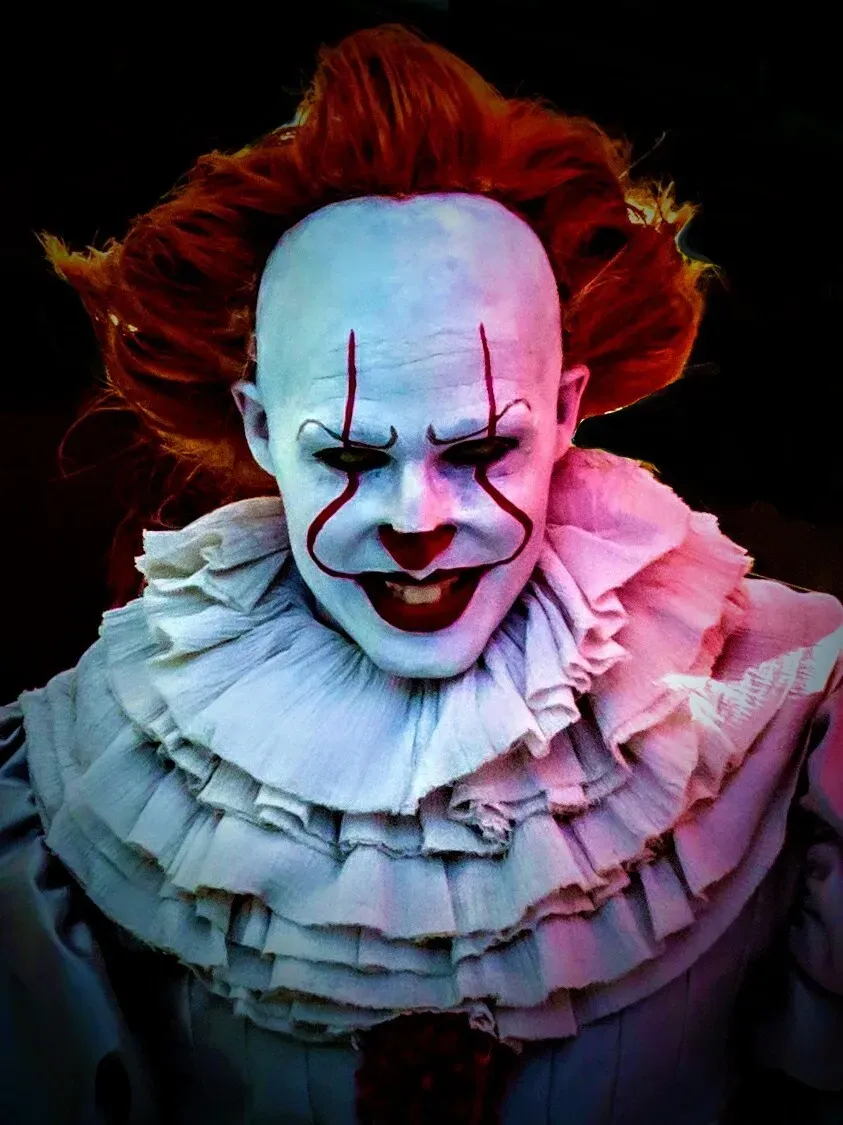
Published in 1986, It became the best-selling hardcover fiction book in the United States for 1986. It is King’s number one lifetime seller with 28.5 million copies sold, boosted by the 2017 film trilogy. The story follows seven outcast children in the fictional town of Derry, Maine, during the late 1950s as they’re terrorized by an ancient, shapeshifting predator that primarily appears as Pennywise the Dancing Clown. The Losers discover they are being hunted by an ancient, trans-dimensional evil that awakens every 27 years to feed on the town’s children. The narrative alternates between two time periods, showing the Losers as children and then as adults returning to face their nightmare once more. The book explores themes of memory, childhood trauma, the loss of innocence, and the power of unity and belief, though critical discussion surrounded its length, graphic violence, and a sexually explicit scene involving the child protagonists. Let’s be real – Pennywise has become more than just a character; he’s a cultural icon that haunts Halloween every single year.
The Stand

This one’s epic in every sense of the word. The Stand is King’s longest book at 1,154 pages in the uncut edition. The Stand is an epic post-apocalyptic tale that begins with the accidental release of a deadly flu virus, wiping out 99% of the world’s population, and the survivors are drawn into a cosmic battle between good and evil, represented by Mother Abagail, a 108-year-old woman leading the forces of good, and Randall Flagg, a demonic figure gathering an army of darkness. The Stand is King’s best-selling ebook. The 1990 unabridged edition restored over 400 pages of material cut from the original publication. The sprawling narrative follows a diverse cast of characters as they navigate the ruins of civilization and confront profound moral dilemmas. It’s hard to say for sure, but this might be King’s most ambitious work – a true examination of humanity when everything falls apart.
Misery
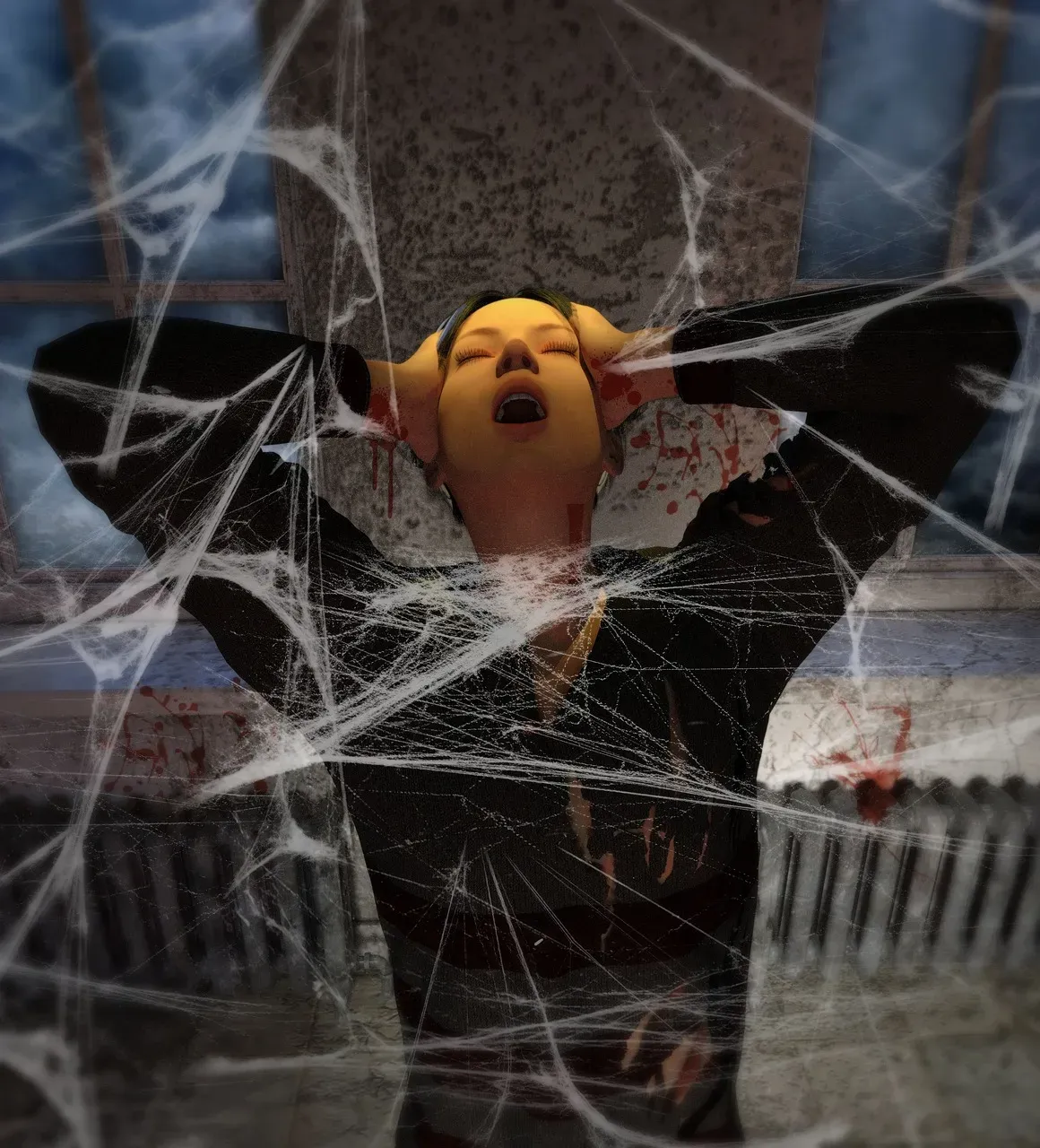
Talk about tension. Misery is psychological horror stripped to its core – no supernatural elements, just pure human terror. The story centers on Paul Sheldon, a successful romance novelist who’s rescued after a car accident by his “number one fan,” Annie Wilkes. What begins as gratitude quickly transforms into a nightmare when Annie discovers Paul has killed off her favorite character in his latest manuscript. She holds him captive, forcing him to resurrect the character and write a new novel just for her. The Shining and Misery remain staples in pop culture. King explores the dangerous obsession between creator and consumer here, and honestly, it’s disturbing how realistic Annie’s unhinged devotion feels. There’s something uniquely claustrophobic about being trapped in a single location with no escape, knowing your captor could snap at any moment.
Pet Sematary
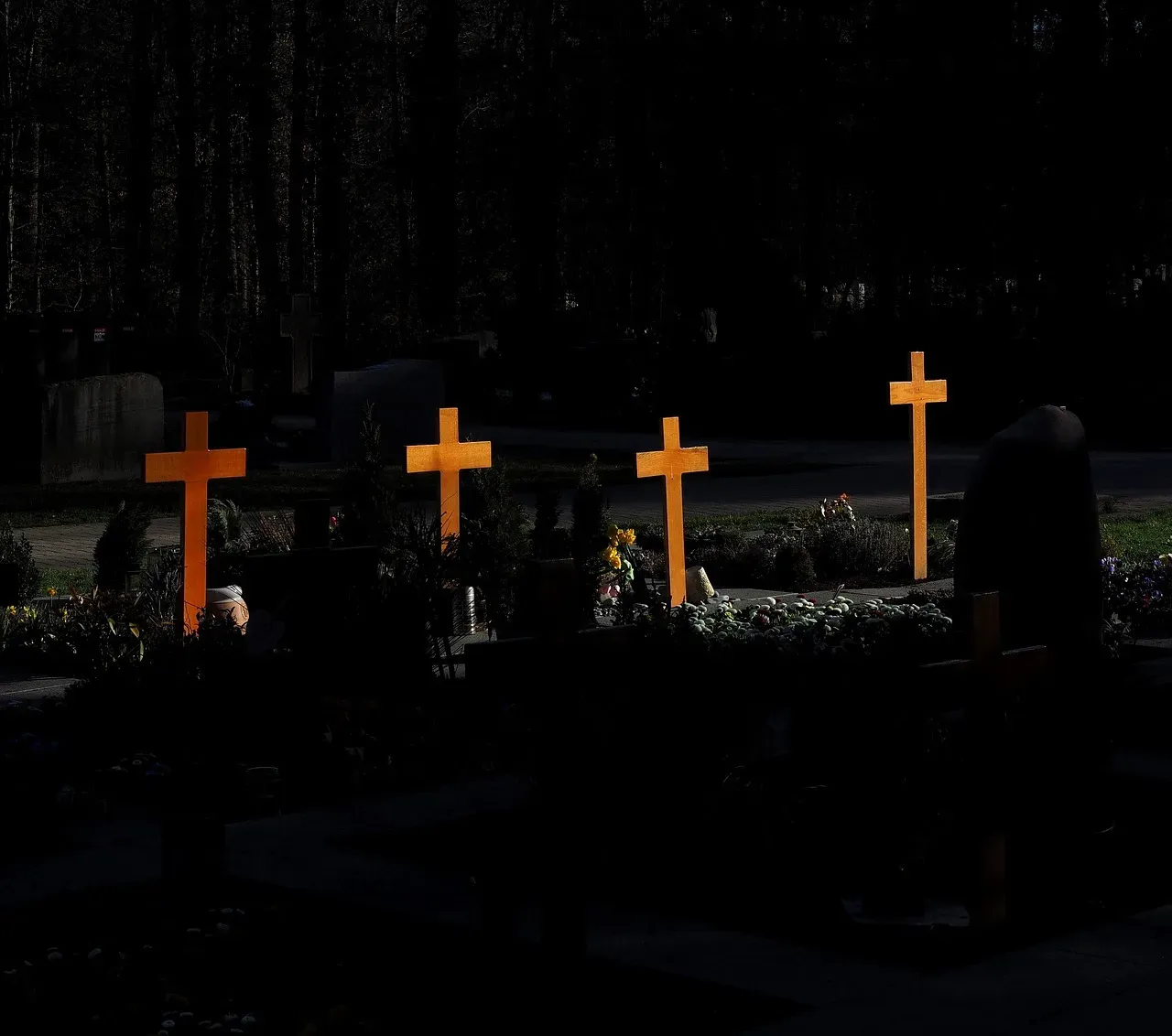
If you want pure dread, this is it. King initially considered Pet Sematary too dark to publish and only released it to fulfill a contractual obligation. The story follows the Creed family after they move to rural Maine, where they discover an ancient Micmac burial ground that has the power to bring the dead back to life – with horrifying consequences. When the family cat, Church, is killed by a truck, Louis buries it in the burial ground, but tragedy strikes again when Louis’s young son, Gage, is killed, leading Louis to make a fateful decision that unleashes unimaginable horror. The phrase “Sometimes dead is better” has become synonymous with the story. The novel was inspired by real-life events, including King’s daughter’s near-miss with a truck and his time living near a busy road in Maine. This book doesn’t just scare you – it makes you question how far you’d go for the people you love.
Salem’s Lot

Salem’s Lot is King’s second novel. The main character, Ben Mears, returns to the small town of Jerusalem’s Lot to explore a historic old house, only to witness the aftermath of a deadly event involving two young boys that launches a harrowing tale of something evil lurking in this seemingly idyllic New England town. This is King’s take on the classic vampire story, yet he makes it entirely his own by setting the terror in small-town America. As residents begin disappearing and strange occurrences multiply, Ben realizes the town is being systematically turned into vampires. The isolation and paranoia that build throughout the narrative create an atmosphere of inescapable doom. It’s a slow burn that rewards patient readers with genuine terror.
11/22/63
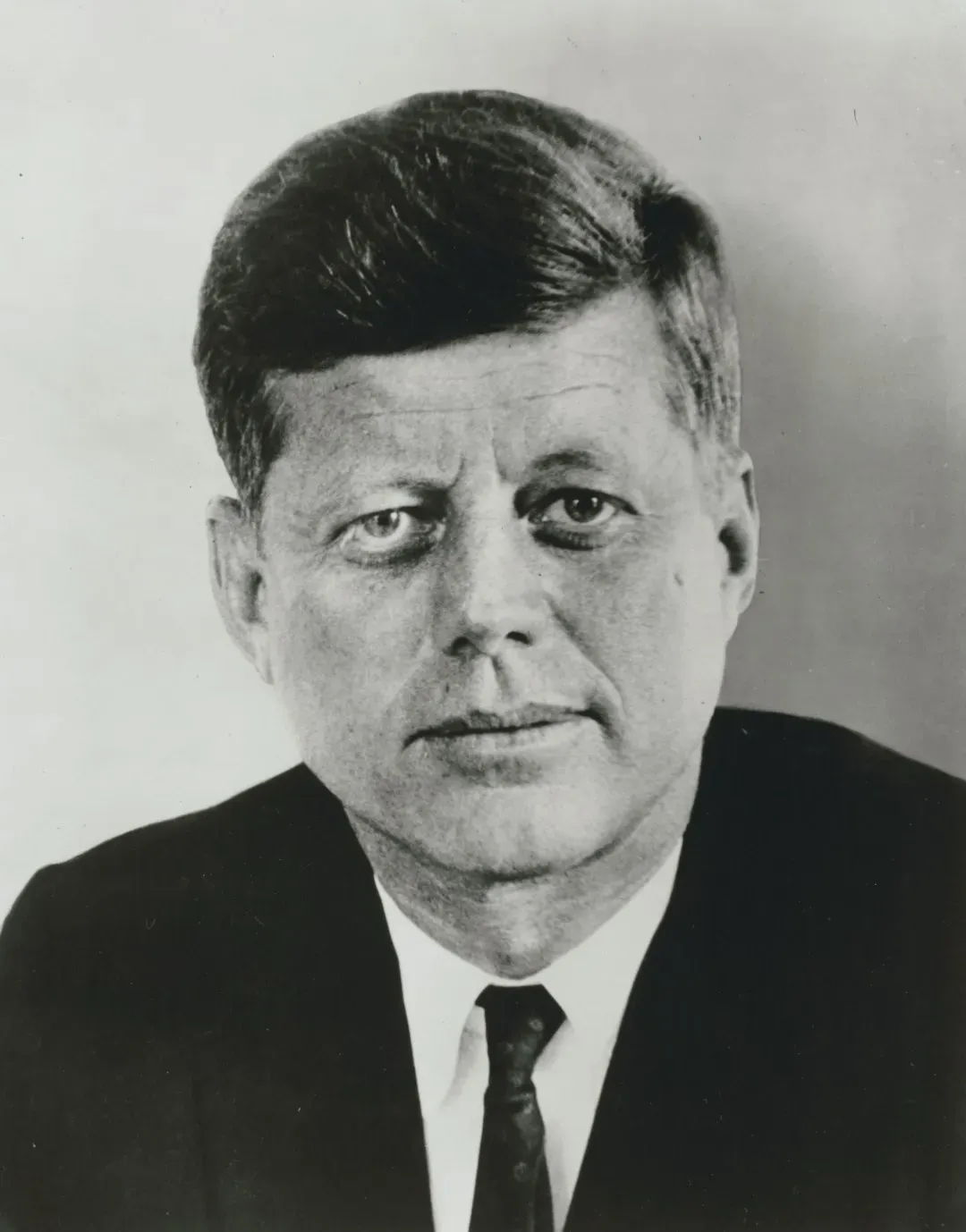
11/22/63 is the best Stephen King book that’s not horror. It’s a historical narrative fiction book with elements of time travel centered on the assassination of United States President John F. Kennedy, Jr., where Jake Epping, a high school English teacher in Maine, gets the opportunity to travel back in time to prevent the killing through a portal to the past, hidden in a local diner, that transports Jake into the late 1950s and early 1960s. The novel was named a top ten book of 2011 by The New York Times Book Review and won the Los Angeles Times Book Prize for Mystery/Thriller. He finds unexpected love and faces dilemmas surrounding the alteration of history. The book explores whether the past should be disturbed, even with the best intentions. King’s attention to period detail is meticulous, immersing you completely in another era while building suspense around whether Jake can actually change history – and whether he should.
The Green Mile

Originally published as a serial novel in six parts, The Green Mile tells the story of Paul Edgecombe, a death row corrections officer at Cold Mountain Penitentiary during the Great Depression. Everything changes when John Coffey, a massive Black man convicted of murdering two young girls, arrives on death row. Coffey possesses mysterious healing powers that force Paul to question whether this gentle giant is truly guilty. Works like The Green Mile showcase King’s genre versatility beyond horror into fantasy. King tackles themes of justice, mercy, and the supernatural with remarkable emotional depth here. The story’s exploration of humanity in the face of death is profoundly moving, proving King isn’t just a master of horror – he’s a master storyteller, period.
Carrie

King’s first published novel was 1974’s Carrie. Carrie has sold 4 million copies and inspired multiple adaptations. The story follows Carrie White, a teenage outcast with a fanatically religious mother, who uses telekinesis to exact revenge on her tormentors after a cruel prank at the senior prom pushes her too far. What makes Carrie so powerful isn’t just the horror of the climactic prom scene – it’s the buildup of relentless bullying and abuse that Carrie endures. King presents the story through a collage of news articles, memoirs, and testimony, creating a documentary-like feel that makes the tragedy feel uncomfortably real. Carrie may feel tame compared to many modern novels, but that does not negate its impact on the horror and terror genre. This book launched King’s career and established many of the themes he’d explore throughout his work: the cruelty of adolescence, the power of the outcast, and the consequences of pushing someone too far.
The Dead Zone

Johnny Smith wakes from a coma after a car accident to discover he’s developed psychic abilities – he can see the past and future of anyone he touches. While this gift allows him to help solve crimes and prevent tragedies, it also burdens him with terrible knowledge. When he shakes hands with a political candidate and sees a vision of nuclear apocalypse, Johnny faces an impossible moral question: should he assassinate a man for crimes he hasn’t yet committed? Significant examples of King’s work with paranormal mental abilities include Carrie, Firestarter, and perhaps King’s finest work in this genre, The Dead Zone. King crafts a political thriller that feels disturbingly prescient, exploring free will, destiny, and the weight of responsibility. The pacing is relentless, and Johnny’s dilemma is genuinely heartbreaking – he’s a good man forced to consider doing something terrible to prevent something worse.
What’s clear across all these works is that King understands fear on a fundamental level. He knows that the scariest monsters are often human, that isolation breeds terror, and that our greatest horrors often spring from the most ordinary circumstances. Did you expect to see your favorite on this list? Tell us in the comments.