There’s a moment, if you’ve listened to enough albums all the way through, where the music doesn’t just stop. It settles. It breathes. It does something with the silence it leaves behind. That moment is the outro, and for decades it was treated with the same care a novelist might give to a final page.
The first and last songs of every album hold special importance. These are the tracks that introduce the listener to the artist’s world and compel you to come back again. Yet in a streaming era built for skipping, has quietly slipped out of the cultural conversation. What follows is a look at what made it so powerful, and why it still matters.
What an Outro Actually Does
Outro music is a musical piece or segment that signals the end of a song or a show. It is the opposite of an intro, which is played at the beginning. Outros are typically shorter than intros and are designed to provide a sense of closure or resolution to the listener.
Just as a book needs a final chapter to wrap up the story, a song requires a structured ending to feel complete. The outro helps resolve any musical tension, ensuring that listeners feel satisfied when the song ends. On an album level, this function becomes even more consequential, because it’s the last emotional impression the entire record leaves on you.
The Track Order Is Never Random

It’s no secret that albums have structures. Songs rarely play in a randomly determined order; artists and bandmates often agonize over the playlist for weeks or months. The placement of a closing track isn’t an afterthought. It’s the result of deliberate, often agonizing decisions about how a body of work should feel when it ends.
Think of an album like a movie or a book. Directors and writers order their scenes and chapters in a very specific way to illuminate narrative and thematic content, and in any good film or piece of literature, each section builds off the others so that there’s a satisfying conclusion. is where that logic reaches its peak. It either earns the journey or undermines it.
Pink Floyd and the Heartbeat That Never Leaves
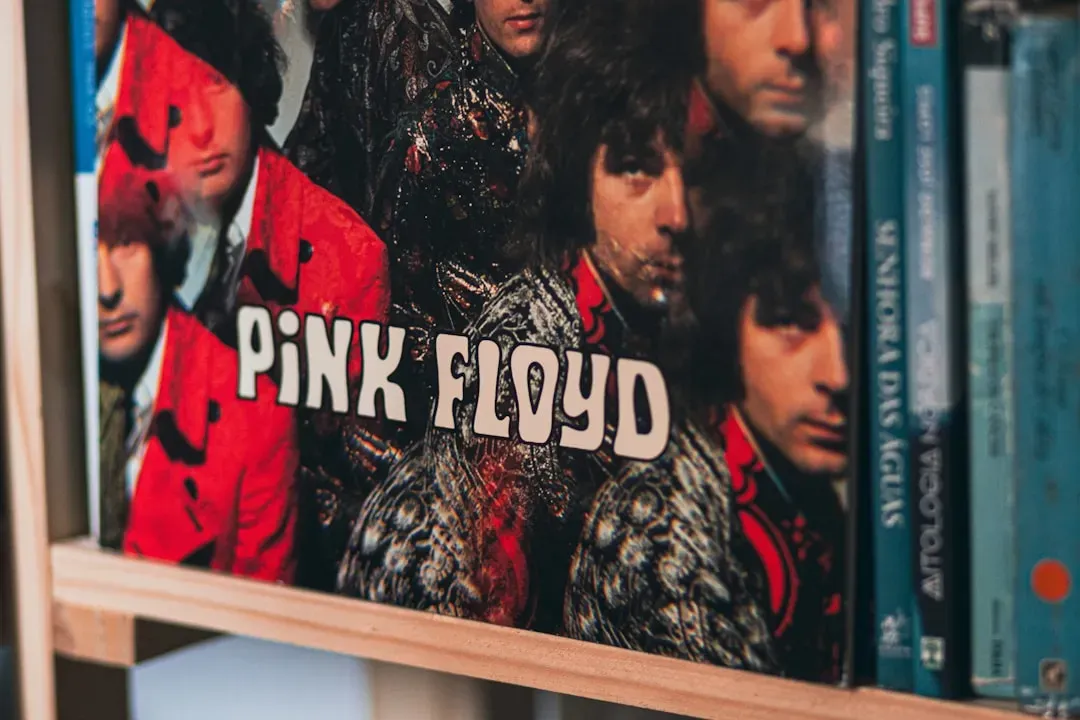
The heartbeat is most prominent in the intro and the outro to The Dark Side of the Moon, but it can also be heard sporadically on “Time” and “On the Run.” That repetition of a single physical sound, the human heartbeat, across the full arc of the album was deeply intentional. It made the record feel like a living, breathing thing with a beginning and an end.
Each side of the vinyl album is a continuous piece of music. The five tracks on each side reflect various stages of human life, beginning and ending with a heartbeat, exploring the nature of the human experience. The outro track “Eclipse” doesn’t just close the album. It completes a philosophical argument that Pink Floyd had been building since the very first second of the record.
The Beatles and the Art of the Surprise Ending
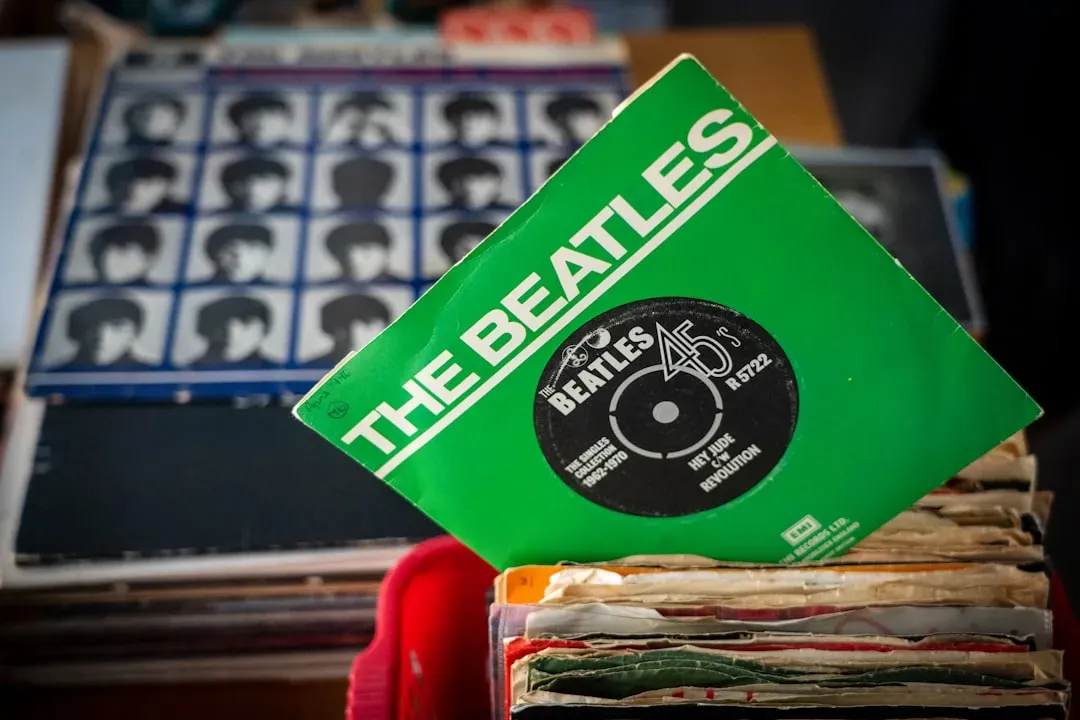
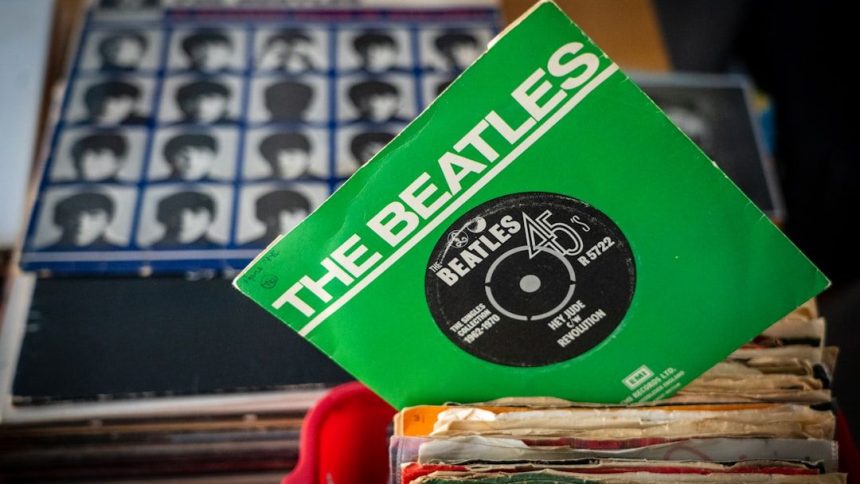
A well-known example of a lengthy song outro is at the end of “Hey Jude” by The Beatles. The song’s outro covers about the entire second half of the song and lasts for four minutes. “Hey Jude” is an example of a song that ends by gradually fading out. That extended fadeout became one of the most recognizable closings in pop history, precisely because it was so unapologetically long.
No matter the medium, artists have always found a way to rebel against the confines of commercial music packaging. The trend famously started with The Beatles. A brief acoustic piece by Paul McCartney didn’t fit on Abbey Road and he ordered engineer Geoff Emerick to cut it. But Emerick had other ideas and he tacked it onto the end of the album after a few seconds of silence. The first “hidden track” was born.
A Day in the Life: The Outro as a Monument
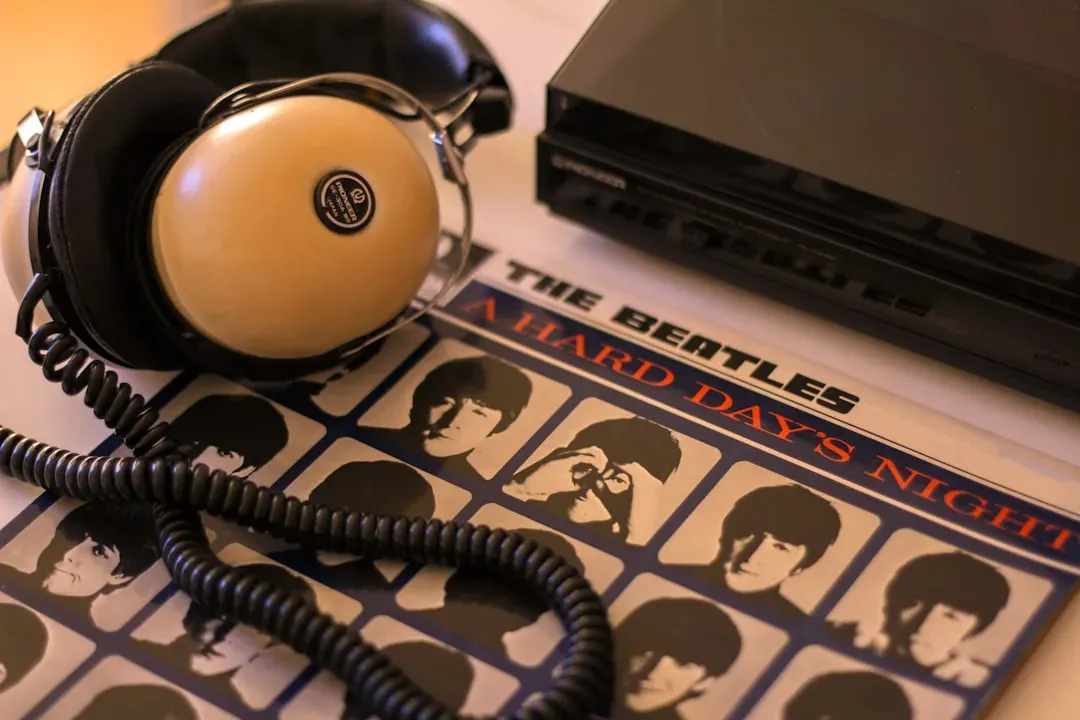
Few album closers have ever hit as hard as “A Day in the Life,” the final track on Sgt. Pepper’s Lonely Hearts Club Band. That final, earth-shattering piano chord lingers in the air like a ghost, making “A Day in the Life” one of the most unforgettable endings in rock history. It wasn’t just a song ending. It was a statement about finality itself.
The Beatles released Sgt. Pepper’s Lonely Hearts Club Band, which, despite being heavily debated on its status as a concept album, is considered a musical milestone nonetheless. It reinvented the album as a unified artistic statement, where The Beatles took the role of an entirely fictional band to be able to make music without being under the pressure of The Beatles’ authorship. The outro to that album carried all of that ambition on its back.
Radiohead’s Kid A: When an Outro Dissolves

“Motion Picture Soundtrack” closes Kid A with an almost unsettling stillness. The song ends with a hidden track of orchestral music that fades in after a long silence, which means Kid A doesn’t so much end as dissolve, which is exactly right for an album about dissolution. That choice tells you everything about Radiohead’s intent: they weren’t trying to provide comfort. They were mirroring the experience of coming undone.
Kid A was a band setting themselves free of pop rules and regulations. This is why “Everything in its Right Place” has no guitar, barely any percussion and is dominated by keyboards. It captures an emotion that no prior Radiohead song did: absolute fear, panic, and discomfort. It’s coming from somewhere new, somewhere personal, somewhere unconfined by the constraints of popular rock music. The outro doesn’t contradict that spirit. It fulfills it completely.
Hip-Hop Knows How to Close a Chapter
Outro tracks on hip-hop albums may not always get the love and recognition they deserve, but they play a crucial role in the storytelling and creative expression that make the genre so unique. These closing tracks are often where rappers leave their final impressions, summing up their message or providing a reflective perspective on the album as a whole.
Few rap songs are as haunting and raw as The Notorious B.I.G.’s “Suicidal Thoughts,” the final track of his classic debut album Ready to Die. In this track, Biggie calls up Puff in the middle of the night to confess that he’s about to commit suicide, revealing the innermost thoughts and emotions that drove his troubled life. In many ways, “Suicidal Thoughts” is the ultimate outro track. The album literally ends where its title always promised it would.
The Hidden Track: An Outro Within an Outro
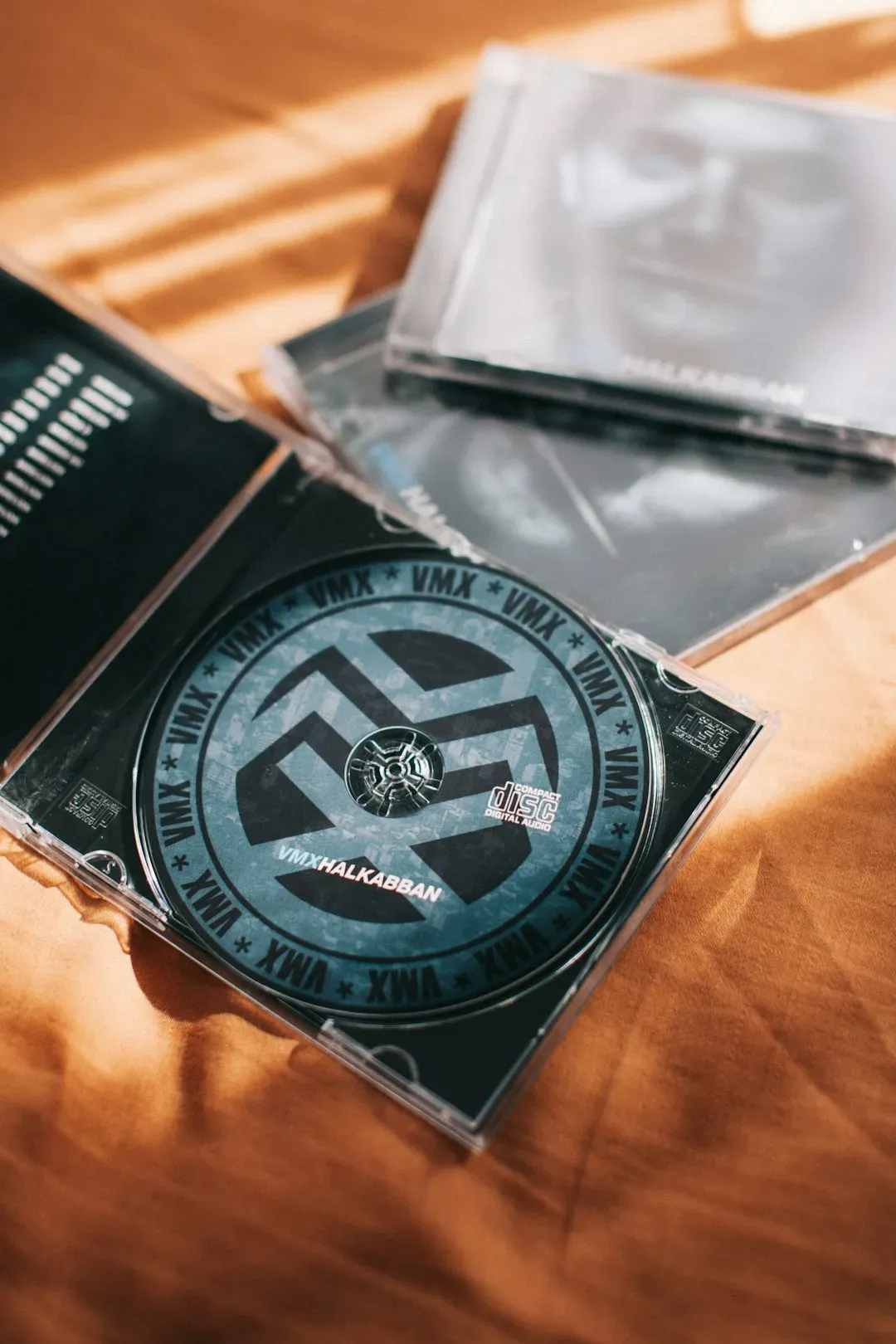
Sometimes the most interesting songs on an album aren’t even on the tracklist. Back in the 90s, it was common practice for albums to contain a little something extra tucked away at the very end, after the last song, either as an extra track or following several minutes of silence. In rarer cases, you’d have to rewind the first track to some strange negative space that contained an easter egg.
Thanks to technological loopholes of the CD, bands included tons of Easter eggs on their albums. Just as audiences now linger in cinemas waiting for a surprise outtake after the credits roll, in the 90s music fans would let their CDs play to completion, vigilantly scanning for hidden tracks or interludes to reward their patience. The hidden track was, in its own way, a love letter to the committed listener.
Streaming Quietly Killed the Hidden Track

Since the rise of digital and streaming services such as iTunes and Spotify in the late 2000s and early 2010s, the inclusion of hidden tracks has declined on studio albums. The logic is obvious. When every track is a visible, clickable file with a title and a runtime, there’s no darkness left to hide anything in.
The secret bonus songs and obscure skits were among the few things about an album that couldn’t easily be converted to MP3 or Spotify. Why is that? Simple: when everything’s a file and Siri can dig it up for you if you ask nicely enough, there’s simply nowhere to hide anymore. What streaming gained in access, it surrendered in mystery.
The Fade-Out vs. The Hard Stop
Some songs end with a fade-out, where the volume gradually decreases until the music is no longer audible. Other songs end with a sudden stop or a final chord that brings the music to a definitive close. These two approaches produce completely different emotional effects, and the choice between them says something real about what an artist wants you to feel at the end.
With a more abrupt ending, there is a stronger sense of resolution compared to a fadeout. Meanwhile, a fade-out is when the volume of the music gradually decreases until it disappears into silence. This technique is common in pop, rock, and electronic music and gives the impression that the song continues beyond the recording. A fade-out can create a dreamy, unresolved feel, making the song seem endless. Neither is superior. Both are tools, and the greatest album closers use them with precision.
The Concept Album Lives or Dies at Its Ending

An art form that nowadays seems lost to many, the concept album is meant to be listened to from start to finish, with the intention of transporting its listener to a world that sometimes reflects the artist’s upbringing and backstory. At other times, a concept album brings listeners to a different world entirely. It provides a sense of authorship and inventiveness that goes beyond a typical thirteen-track album. It serves, especially in today’s musical landscape, as a reminder that the creation of an album in all its facets is first and foremost an art form.
The songs in a concept album are interconnected, often featuring recurring motifs, characters, or musical themes. The track order is crucial, as it dictates the unfolding of the story or concept. Concept albums demand a different kind of listening experience, one that requires attention, immersion, and a willingness to engage with the artist’s vision on a deeper level. For these records, the outro isn’t optional. It’s the whole point.
Why Still Matters in 2026
The album format persists, embraced by pop stars like Taylor Swift, Sabrina Carpenter, and Bad Bunny. Even in an era defined by algorithmic playlists and shuffle modes, artists still reach for the album as their primary form of artistic expression. The closing track remains a deliberate choice, not just a song placed last by default.
From the psychedelic tunes of the 60s to today, concept albums have served as a testament of musical storytelling, allowing the listeners to inhabit the musicians’ imaginations. As today’s streaming culture favors singles and short attention spans, it’s important to celebrate the art of storytelling in the concept album’s format, and to trust the musician to help us get lost in a world of their creation. The outro is the last word of that world. It deserves to be heard in full, with the lights low and nothing to skip to afterward.