
Rock music has shaped culture for generations. The bands who defined it left legacies that transcend time, influencing countless musicians and touching millions of fans worldwide. Yet ranking them feels almost impossible when each brought something revolutionary to the table.
The Rolling Stones remain rock’s most powerful band over six decades after their formation, earning $235 million with just 18 shows in 2024. Still, does touring power alone define greatness? Let’s dig into fifteen legendary acts who transformed music history.
The Beatles

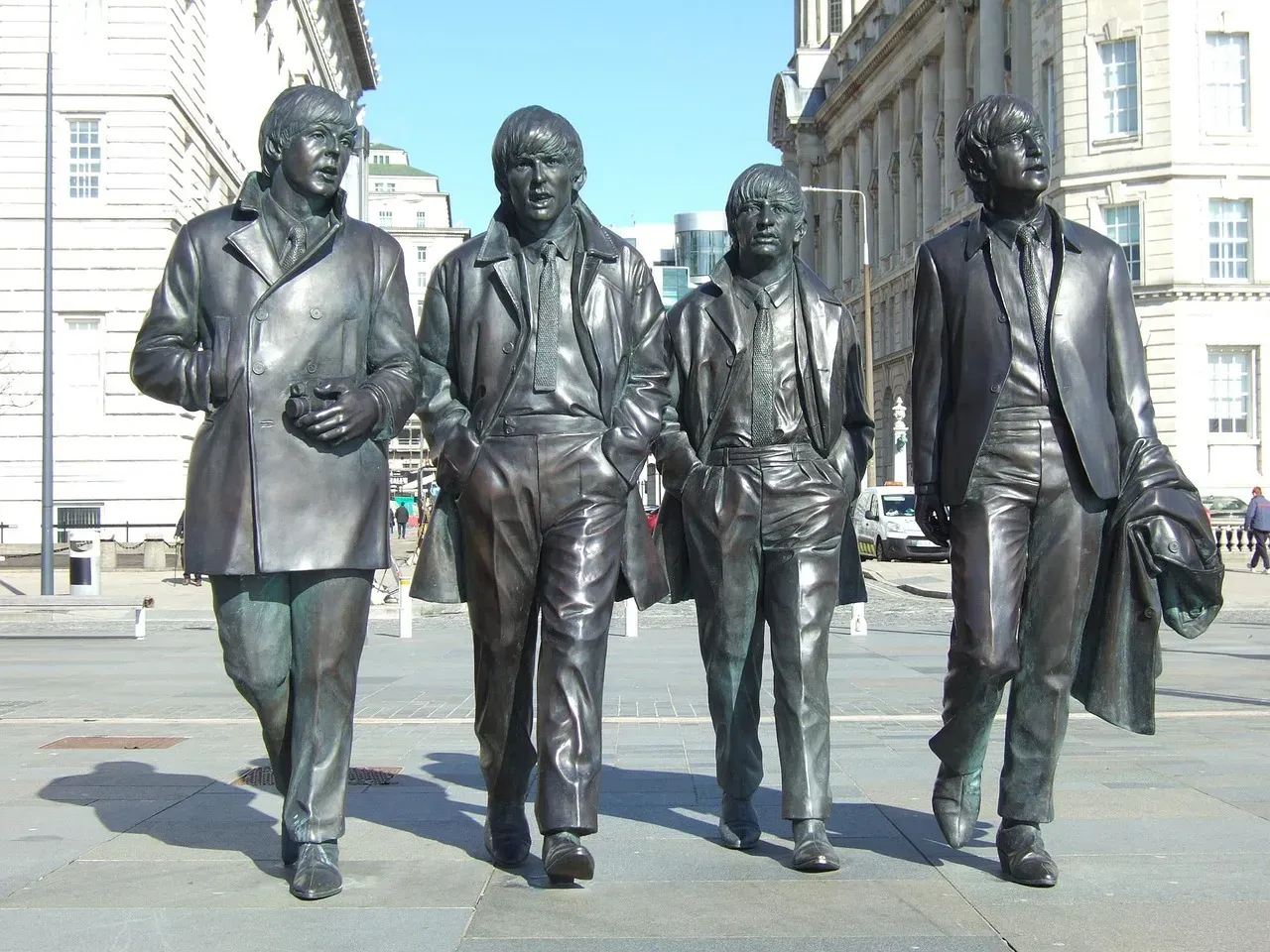
The Beatles demonstrated the creative and commercial possibilities of rock over seven whirlwind years, producing 20 Hot 100 No. 1 smashes and a breathtaking run of 12 classic albums, making rock the defining cultural force of the second half of the 20th century. Their innovation went beyond catchy melodies. They pioneered studio techniques that became industry standards, from multitrack recording to concept albums.
At 20.7 billion, The Beatles are the 2nd most streamed legacy act on Spotify, proving their music still resonates today. The band has sold over 236 million copies of their albums worldwide, and when considering all formats their total sales reach an astonishing 518 million equivalent album sales. Honestly, whether you measure their impact through innovation, sales, or cultural influence, few would dispute their claim to greatness.
The Rolling Stones

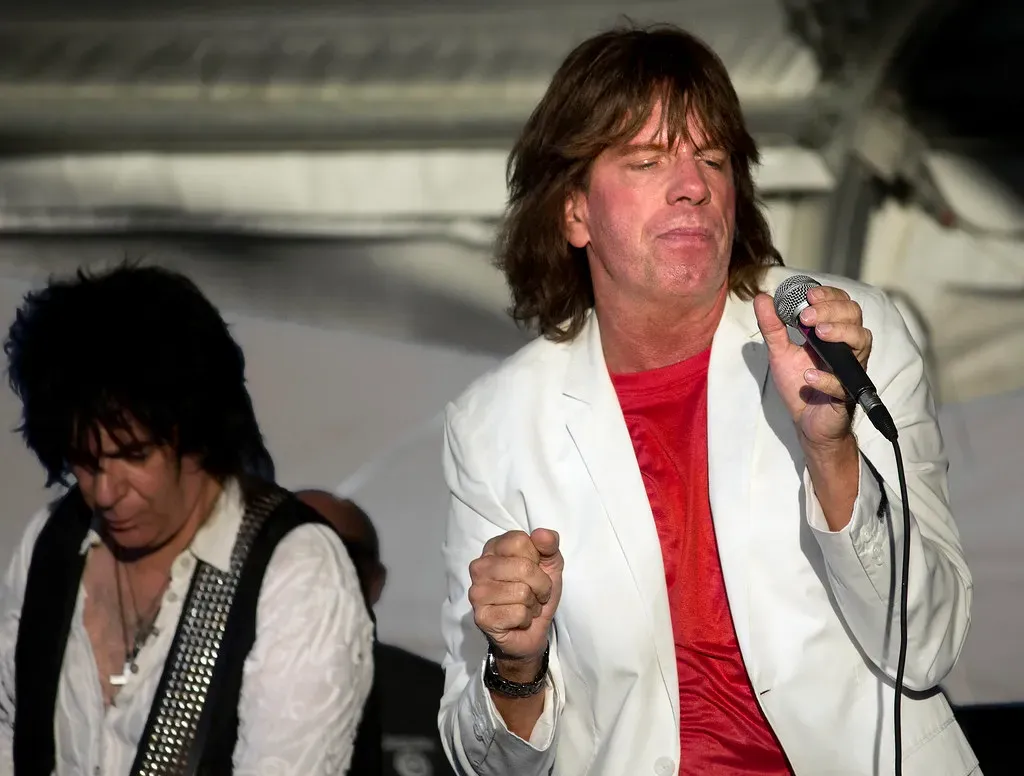
The Rolling Stones have set the standard against which every rock ‘n’ roll band has since been measured, remaining the highest-grossing and best-selling rock band in the four-decade history of the Billboard Boxscore chart. Their longevity is nothing short of staggering. With a longevity that surpasses any other still-active band, the Stones released their first single in June 1963, and they’re still performing six decades later.
Their 2023 album Hackney Diamonds earned critical raves and reached No. 2 on the charts, showing that creative vitality doesn’t necessarily fade with age. Keith Richards’ guitar riffs and Mick Jagger’s stage presence remain emblematic of rock’s rebellious spirit. Their blues-infused sound and devil-may-care attitude helped define what rock and roll could be.
Led Zeppelin


Let’s be real: attending a Led Zeppelin concert in the 1970s was a transformative experience. The band is estimated to have sold over 300 million records worldwide, and has sold 112.5 million certified albums in the United States, becoming the 5th best-selling album artist in RIAA history. Their catalog is remarkably consistent for a band with just eight studio albums.
The best-selling album by Led Zeppelin is Led Zeppelin IV, which sold over 37 million copies. That album alone features “Stairway to Heaven,” “Black Dog,” and “Rock and Roll” – tracks that defined an era. The combination of Robert Plant’s soaring vocals, Jimmy Page’s guitar wizardry, John Paul Jones’s versatility, and John Bonham’s thunderous drumming created a sound that still feels massive today.
Pink Floyd


By 2013, The Dark Side of the Moon had sold over 45 million copies worldwide, making it the band’s best-selling release, the best-selling album of the 1970s, and the fourth-best-selling album in history. Pink Floyd didn’t just make albums; they crafted sonic experiences. Their experimental approach pushed boundaries in ways few bands dared.
The Dark Side of the Moon is certified 14× platinum in the United Kingdom, and has charted for 996 weeks on the US Billboard chart. Think about that for a moment – nearly a thousand weeks on the charts for one album. Pink Floyd sold over 250 million albums worldwide, with The Dark Side of the Moon selling over 50 million copies. Their music tackled existential themes with haunting soundscapes that still resonate deeply.
Queen

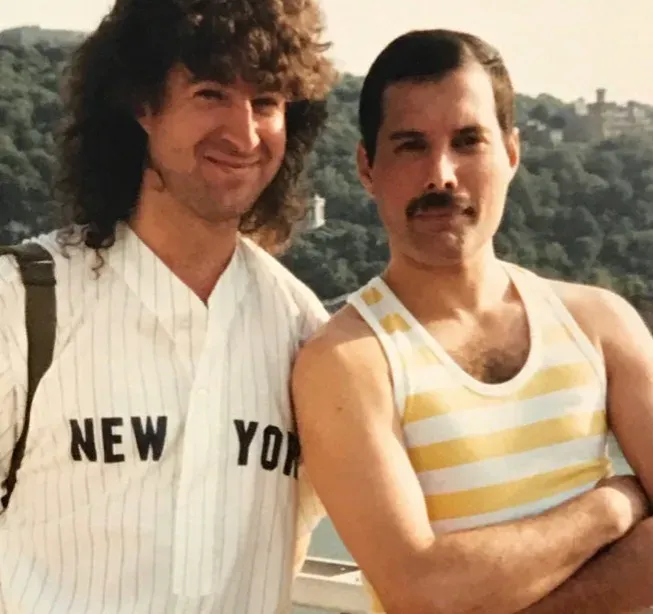
Freddie Mercury was more than a frontman. “Bohemian Rhapsody” which appeared on the 1975 album, “A Night At The Opera,” is one of rock’s most amazing songs, and Queen’s performance at the 1985 Live Aid concert in Wembley Stadium has been ranked among the greatest in rock history. That twenty-minute set at Live Aid showcased everything that made Queen extraordinary: theatrical flair, musical prowess, and Mercury’s ability to command an audience.
Queen has moved somewhere between 200 and 300 million units worldwide. Their genre-blending approach incorporated opera, hard rock, and pop into anthems that felt grandiose yet accessible. Brian May’s guitar work and the band’s vocal harmonies created a sound that was unmistakably theirs.
The Who


The Who began performing in 1964, distinguishing themselves from blues-obsessed peers by instead probing American soul and R&B in their earliest sets, combined with their distinctively mod appeal, proving to be one of rock’s most ambitious and accomplished combos. Their rock operas “Tommy” and “Quadrophenia” demonstrated narrative ambition rarely seen in popular music.
Pete Townshend’s windmill guitar strokes and Roger Daltrey’s powerful vocals became iconic. Keith Moon’s chaotic drumming style and John Entwistle’s bass lines added layers of complexity. The Who embodied the raw energy and intellectual curiosity that made 1960s British rock so revolutionary.
AC/DC


Few bands have maintained such consistency across decades. AC/DC’s formula of hard-driving riffs, straightforward lyrics, and relentless energy never pretended to be anything but pure rock and roll. Led Zeppelin has sold 112.5 million albums versus AC/DC’s 75 million, though AC/DC’s Back in Black remains one of the best-selling albums ever.
The transition from Bon Scott to Brian Johnson could have ended the band, yet they emerged stronger. Malcolm Young’s rhythm guitar provided the backbone, while Angus Young’s electrifying solos became the face of the band. Their albums are masterclasses in how simplicity, executed perfectly, can be devastatingly effective.
Nirvana


Nirvana didn’t just make music; they detonated a cultural bomb. Grunge had been bubbling in Seattle, yet it took “Smells Like Teen Spirit” to bring it to mainstream consciousness. Kurt Cobain’s raw vocals and introspective lyrics connected with a generation feeling disaffected and misunderstood. The band’s stripped-down aesthetic was a direct rebuke to the polished excess of 1980s rock.
Their impact extends far beyond their brief time together. Nirvana’s influence can be heard in countless alternative and indie bands that followed. The authenticity they represented – for better or worse – changed what mainstream rock could sound like and what it could say.
Black Sabbath

Black Sabbath invented a sound that so many heavy metal styles are born from – doom, stoner rock, sludge metal – and through a colossal career in which Ozzy Osbourne and Ronnie James Dio were occasional members, they recorded many timeless rock albums. Tony Iommi’s guitar sound, born partly from his industrial accident that required him to detune his strings, created the heavy, ominous tone that defines metal.
Ozzy’s vocals and Geezer Butler’s bass lines added to the dark atmosphere. They were branded as evil for their imagery and sound, yet their influence is undeniable. Without Black Sabbath, entire genres of rock wouldn’t exist.