Some stories simply refuse to end. While most novels wrap up in a single volume or a tidy trilogy, a rare handful of series have kept going for decades, spanning generations of readers and, in some cases, generations of authors. These aren’t reboots or revivals; they’re living series that publishers, ghostwriters, or original creators continue to add to right now, in 2026.
What follows is a tour through ten of the most enduring book series in publishing history, all of which remain active today in some form. Longevity here comes from different sources: relentless author output, corporate franchise machinery, or simply a fan base that never stopped buying. Each one tells its own story about what keeps readers coming back decade after decade.
Perry Rhodan: The Unstoppable German Space Opera

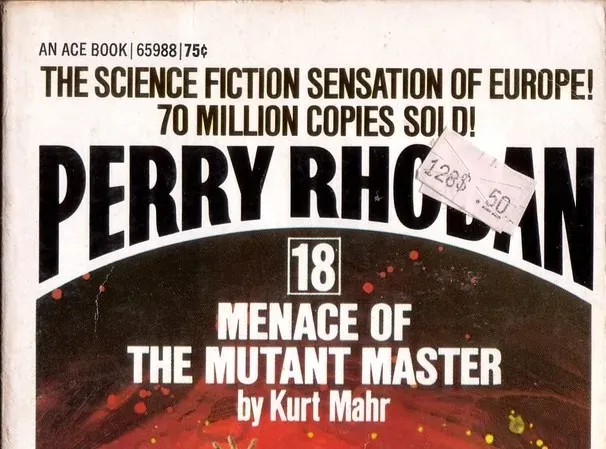
No list like this can start anywhere but Germany’s Perry Rhodan, a weekly science fiction booklet series that has run uninterrupted since 1961, with over three thousand one hundred issues released so far not counting reprints, books, and spinoffs. It was originally created by two writers who initially only conceived to run for thirty volumes, a plan that obviously didn’t stick.
The series is now being developed and written by an ever-changing team of authors, which is really the only way a weekly publication schedule spanning over sixty years could survive. Its commercial reach is staggering too, as the franchise is widely considered a record quite without precedent in sf in terms of sheer output. There’s simply nothing else in English-language publishing that compares to its scale or pace.
The Hardy Boys: A Century of Teen Detectives


The Hardy Boys mystery series has been running since 1927, making it nearly a full century old, and it’s still technically active under the Stratemeyer Syndicate model that produces books under the house pseudonym Franklin W. Dixon. The brand has evolved constantly, moving through hardcover mysteries, digest paperbacks, and more recent graphic novel adaptations aimed at younger readers.
What keeps it alive isn’t a single author’s devotion but a publishing model built for endurance, using rotating ghostwriters working from house outlines. That structure is exactly why it has outlasted almost every other series on this list, since it was never dependent on one person’s career or lifespan. Frank and Joe Hardy have solved cases through the Great Depression, multiple wars, and the smartphone era without ever seeming to age much.
Nancy Drew: The Girl Detective Who Never Retires

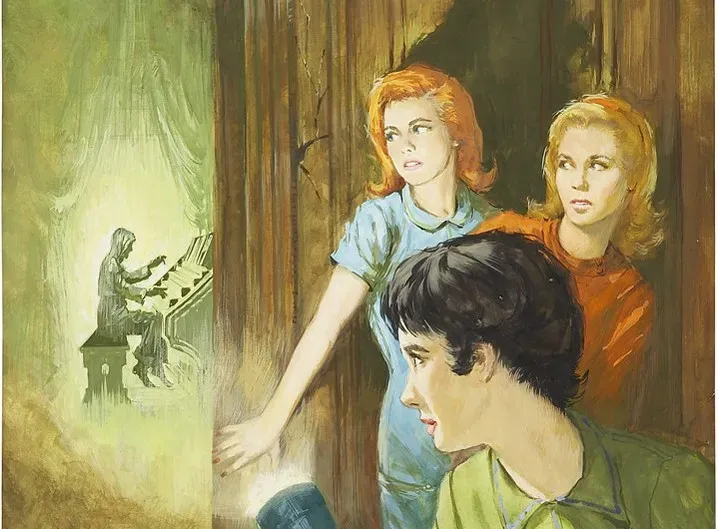
Nancy Drew debuted in 1930, just a few years after the Hardy Boys, and was built on the exact same Stratemeyer Syndicate formula, with books credited to the pseudonym Carolyn Keene. Nearly a century later, new Nancy Drew material continues to appear, whether as spin-off series for younger readers, graphic novels, or repackaged mystery lines.
The character has become genuinely multigenerational, read by grandmothers, mothers, and daughters alike, which is part of why publishers have never let the brand go dormant. Like the Hardy Boys, Nancy Drew’s survival depends on periodic reinvention rather than a single continuous storyline. Each new decade seems to bring a fresh format or spin-off designed to keep her relevant to whatever generation of young readers happens to be picking up chapter books.
Xanth: Piers Anthony’s Pun-Filled Fantasy World


Piers Anthony’s Xanth series began in 1977 with A Spell for Chameleon and has become one of fantasy’s most prolific single-author sagas. There have been 49 books published in the series, spanning 1977 through 2026, and Anthony has kept writing new entries well into his nineties. The most recent installment, Knickelpede Knight, was published in June 2026, confirming the series is still very much active.
Anthony has been refreshingly honest about his motivations, once noting that he has kept the series going as long as he has because the Xanth novels are “just about all that publishers want” from him. The books are known for their heavy reliance on puns and wordplay woven directly into the fantasy world’s geography and magic system. Whatever critics have said about the series over the years, its sheer staying power across nearly five decades is hard to argue with.
In Death: Nora Roberts’ Futuristic Crime Machine


Writing as J.D. Robb, bestselling author Nora Roberts has built one of the most commercially dominant ongoing series in modern publishing. The In Death series, following homicide detective Eve Dallas in a near-future New York, is made up of 62 books published between 1995 and 2026, with the most recent entry, Fury in Death, released in 2026. That’s an astonishing pace, roughly two books a year for over three decades.
The series shows no sign of slowing down, with the next book, Perfect in Death, scheduled for publication in February 2027. Roberts built the appeal around a consistent formula, described as one of the longest-running series in popular fiction, a futuristic police-procedural-meets-romance following homicide lieutenant Eve Dallas and her billionaire husband Roarke. Few authors alive have managed to sustain both quality and reader loyalty at this volume for this long.
Anita Blake, Vampire Hunter: Three Decades of Urban Fantasy


Laurell K. Hamilton launched Anita Blake, Vampire Hunter in 1993 with Guilty Pleasures, helping to define the urban fantasy genre years before it became a bookstore staple. The series follows a St. Louis-based necromancer and vampire executioner navigating a world where everything that went bump in the night is real, and not only are they real, they’re legal citizens with rights.
Hamilton has kept adding to the series steadily since then, with the franchise reportedly celebrating its 25th anniversary in 2018 and continuing to add new installments in the years since. The books have sold in the millions and spawned comic book adaptations published by Marvel. While the release pace has slowed compared to its 1990s and 2000s heyday, Hamilton has never officially closed the door on Anita’s world.
A Song of Ice and Fire: The Series Everyone Is Still Waiting On

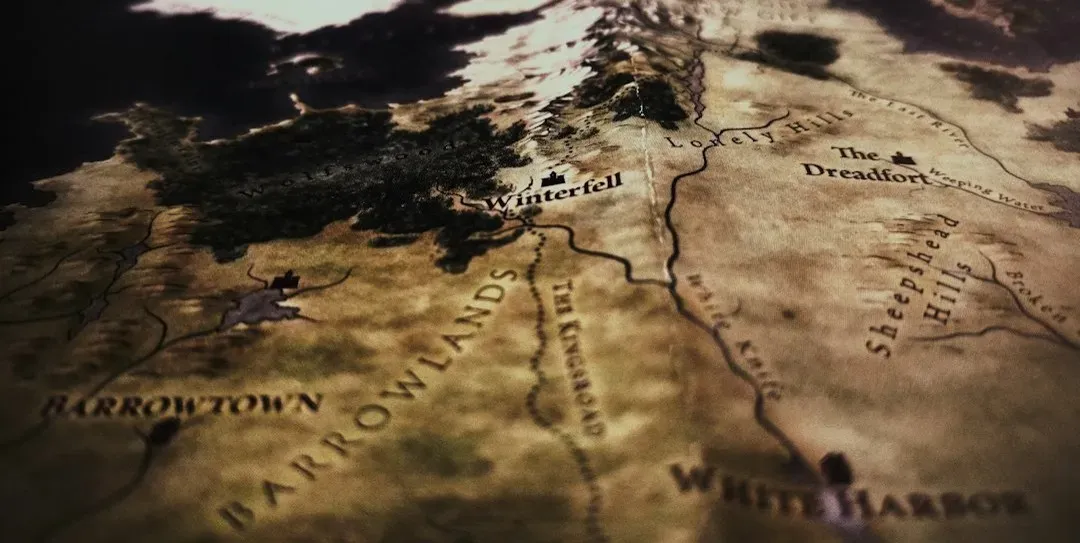
George R.R. Martin began A Song of Ice and Fire back in 1996 with A Game of Thrones, and it remains, at least on paper, an unfinished and ongoing series. The Winds of Winter, the long-awaited sixth volume, has not yet been published despite years of promises and partial updates from Martin himself, making this arguably the most famous case of a beloved series stuck in limbo without technically being abandoned.
Martin continues to insist the book is being actively written, and the massive success of the HBO adaptations only intensified pressure and reader anticipation around its eventual release. Whether or not Winds arrives soon, the series still counts as “being written” in the strictest sense, since Martin has never announced he’s stopped working on it. Few unfinished series in publishing history have generated this much sustained global attention while readers wait.
Goosebumps: R.L. Stine’s Endless Shelf of Scares

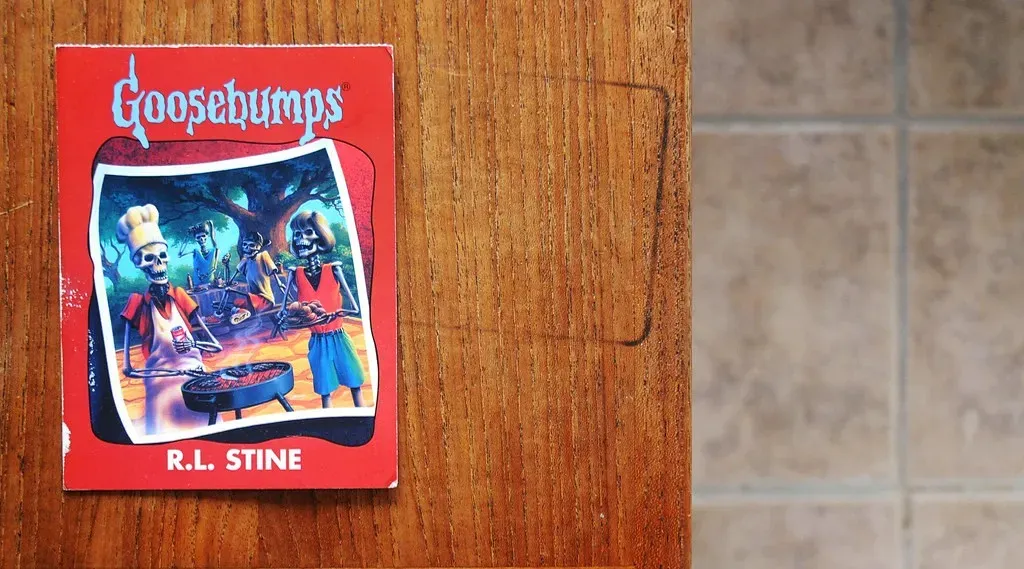
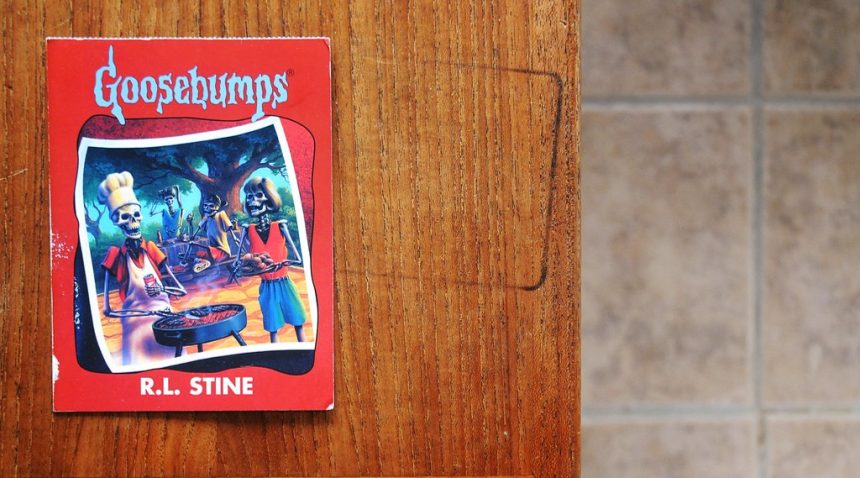
R.L. Stine’s Goosebumps launched in 1992 and quickly became a cultural phenomenon among young readers, spawning dozens of spin-off lines including Give Yourself Goosebumps, Goosebumps HorrorLand, and Goosebumps SlappyWorld. Stine has continued writing new entries in the franchise for well over three decades, adapting the format for each new generation of middle-grade horror fans.
The brand’s endurance owes a lot to its format, since short, self-contained horror stories are endlessly repeatable without requiring readers to track a complicated continuity. Stine’s continued personal involvement, rather than handing the series to ghostwriters, has also helped it retain a consistent voice across new releases. Combined with television adaptations and film reboots, Goosebumps has managed to stay culturally present in a way many 1990s properties simply haven’t.
The Executioner: Pulp Action’s Longest War

The Executioner series, chronicling vigilante Mack Bolan’s one-man war against organized crime, began in 1969 and has been sustained for decades by Gold Eagle’s house-writer model, similar in spirit to the Hardy Boys approach but aimed squarely at adult action fiction readers. The character has spawned massive spin-off lines, including Able Team and Phoenix Force, all published under a rotating cast of writers using shared pseudonyms.
This factory-style production has allowed the franchise to release new titles on a near-monthly basis for well over fifty years, a pace virtually no single author could sustain alone. It’s a formula built more like a television writers’ room than a traditional novel series, which is precisely why it has survived so many decades of shifting reader tastes. Action-adventure paperbacks may not command the same cultural spotlight they once did, but Bolan’s war has simply never stopped.
Outlander: Diana Gabaldon’s Time-Traveling Epic


Diana Gabaldon began Outlander in 1991, blending historical fiction, romance, and time travel into a series that has grown steadily denser and more ambitious with each installment. Gabaldon has written the main series entries herself without handing the reins to co-authors or ghostwriters, which sets her apart from several other long-runners on this list built around franchise teams.
The television adaptation that launched in 2014 introduced the books to a massive new audience, and Gabaldon has continued adding entries to the core series alongside companion novellas and reference works exploring the same world. Her books have grown famously long, often running well over a thousand pages, which naturally slows the pace compared to formula-driven franchises. Still, three and a half decades after Claire Randall first stepped through the stones, Gabaldon shows no sign of finishing the story.
The Staying Power of the Never-Ending Story


What ties these ten series together isn’t genre or quality; it’s a shared refusal to stop. Some, like Perry Rhodan and The Executioner, survive through industrial-scale collaborative writing. Others, like Xanth and Outlander, depend entirely on one author’s sustained personal commitment across decades of their own life. Still others, like Nancy Drew and the Hardy Boys, have simply outlived their original creators by becoming brands unto themselves.
Whatever the mechanism, these series prove that readers’ appetite for familiar characters and ongoing worlds hasn’t diminished in an age of streaming content and short-form entertainment. If anything, the comfort of returning to a long-running series, one where you already know the rules and the people, seems more valuable than ever. Long after their debut decades, these stories are still being written, and clearly, still being read.
Partner offer

Partner offer
Planning a trip to Vegas?
Compare hotel rates and show tickets on VEGAS.com.