There’s something magical about witnessing a performance so powerful it changes everything. When an artist steps onto a stage and creates a moment that transcends the venue, the setlist, even the music itself. These are the performances that get talked about for decades, the ones that set new standards and remind us why live music matters.
From intimate clubs to massive stadiums, certain concerts have managed to capture lightning in a bottle. The kind of shows where every element aligns perfectly, where the energy between performer and audience reaches fever pitch. Let’s dive into ten performances that didn’t just entertain crowds but actually made history.
Queen at Live Aid, Wembley Stadium (1985)

Twenty minutes. That’s all Freddie Mercury and Queen needed to deliver what many consider the greatest live performance ever captured on camera. On July 13, 1985, roughly 72,000 people packed Wembley Stadium while an estimated 1.9 billion viewers watched from home.
Mercury commanded that stage like he owned it. The vocal call and response during “Radio Ga Ga” showed his absolute mastery over the crowd. Every gesture, every note hit with surgical precision. Brian May’s guitar solos pierced through the summer air while the rhythm section drove each song forward with relentless energy.
What made this performance truly special was its context. Live Aid was a charity concert, and Queen wasn’t even the headliner. They were slotted in the middle of the day. Yet they stole the entire show. Mercury performed despite having a throat infection, and you’d never know it from watching. The band ran through “Bohemian Rhapsody,” “We Will Rock You,” and “We Are the Champions” with such force that it revitalized their entire career.
Jimi Hendrix at Monterey Pop Festival (1967)

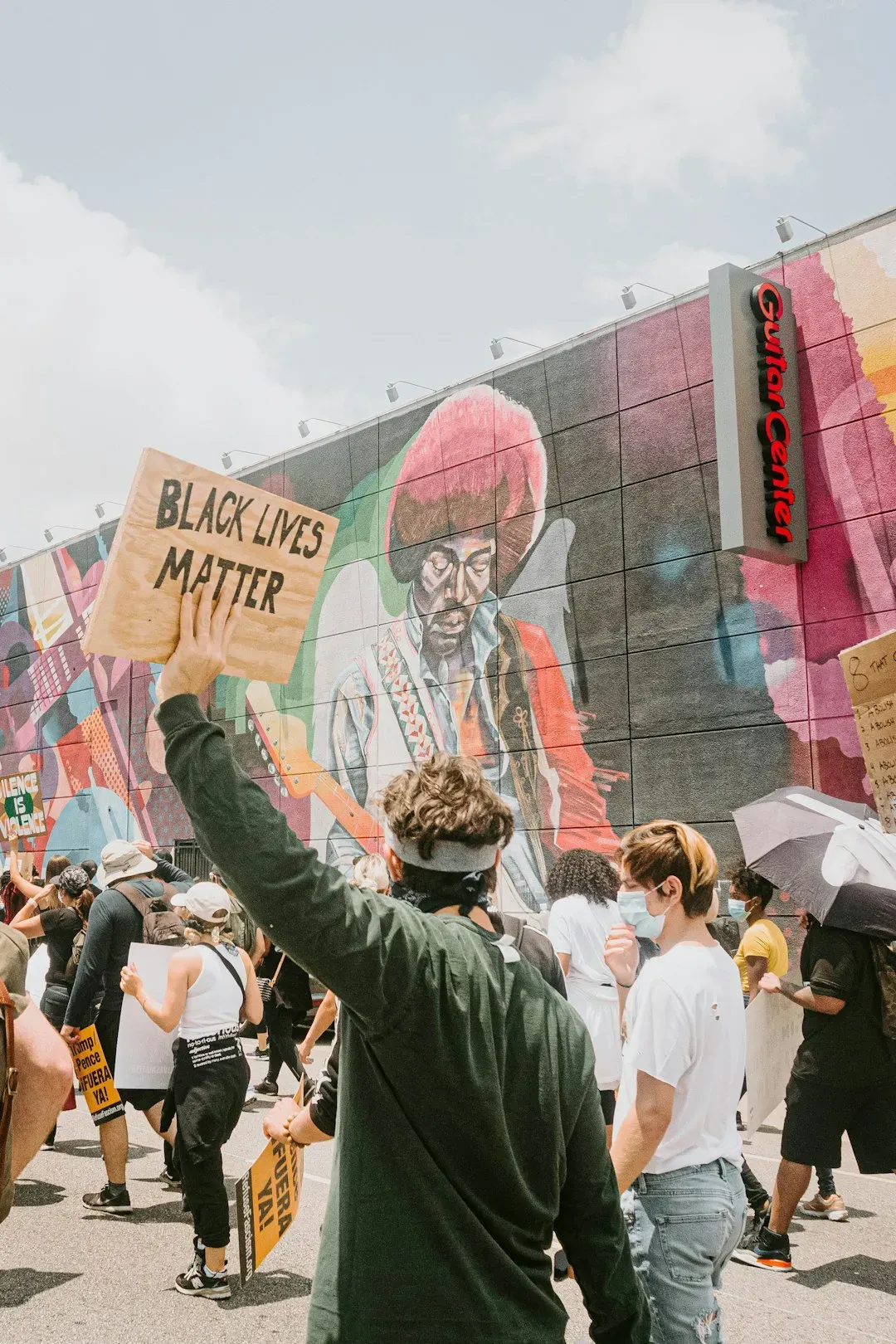
Before Monterey, Jimi Hendrix was relatively unknown in America. After his performance on June 18, 1967, everything changed. He closed his set by dousing his guitar in lighter fluid and setting it ablaze while feedback screamed through the speakers.
The guitar burning wasn’t just theatrics for shock value. Hendrix had spent the previous forty minutes redefining what the instrument could do. His rendition of “Wild Thing” transformed a simple pop song into a sonic assault. He played the guitar behind his back, with his teeth, making sounds nobody had heard before.
That Fender Stratocaster sacrifice became one of rock’s most iconic images. The performance introduced Hendrix to a massive audience and cemented his reputation as a revolutionary guitarist. Pete Townshend of The Who, who performed earlier that day, later admitted he knew he’d been upstaged the moment Hendrix walked on stage.
Nirvana MTV Unplugged (1993)

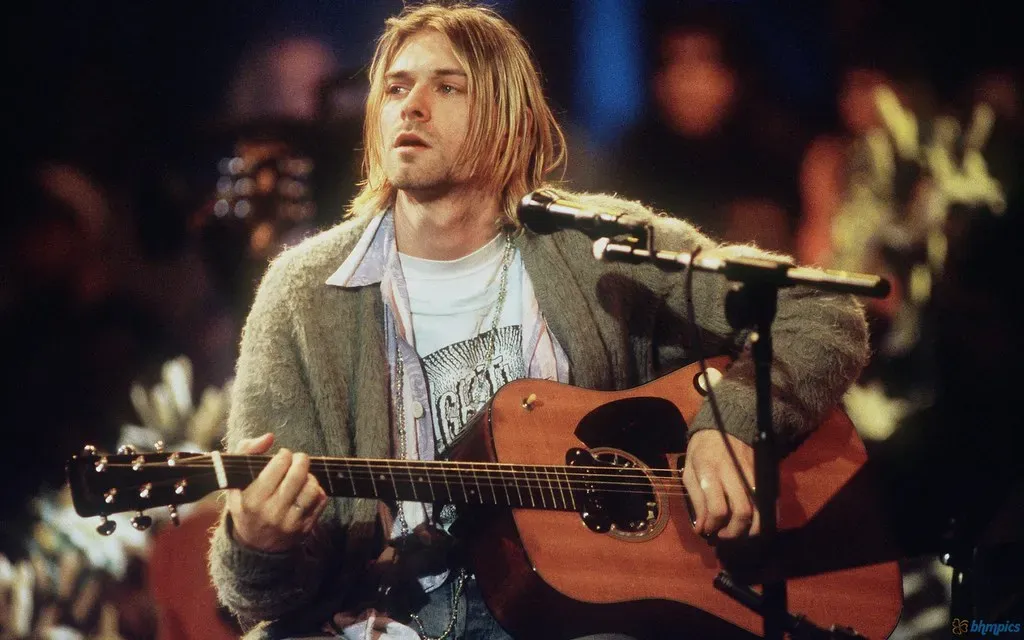
Kurt Cobain looked uncomfortable in his cardigan and sunglasses as he sat on that New York soundstage in November 1993. The MTV Unplugged format seemed completely wrong for a grunge band known for explosive energy and distortion. Honestly, nobody expected what happened next.
Nirvana delivered a haunting, stripped down performance that revealed the depth beneath the noise. They opened with “About a Girl” and moved through covers of David Bowie and Meat Puppets songs. Cobain’s voice carried a vulnerability that the studio albums only hinted at. When they performed “All Apologies” and “Where Did You Sleep Last Night,” the room felt heavy with emotion.
The show aired a month later and became one of MTV’s highest rated episodes. Looking back now, knowing Cobain would be gone within five months, the performance takes on an even more profound significance. It captured a band at their creative peak, willing to take risks and expose their softer side.
James Brown at the Apollo Theater (1962)

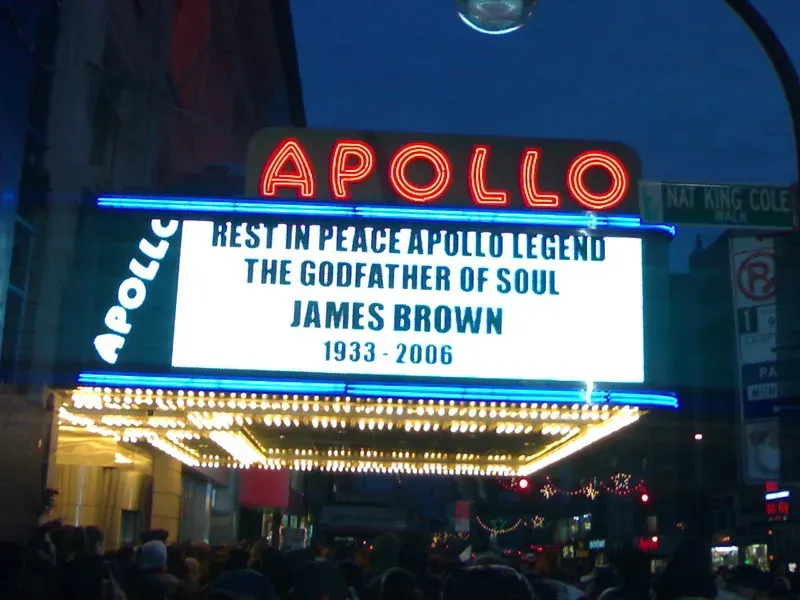
The album “Live at the Apollo” changed everything for James Brown and live recordings in general. On October 24, 1962, Brown performed at Harlem’s legendary Apollo Theater, and his record label didn’t even want to release it. They thought live albums didn’t sell.
Brown proved them spectacularly wrong. His performance that night was pure electricity. He ran through hits like “I’ll Go Crazy” and “Think” with an intensity that left the crowd screaming. The recording captured every grunt, every scream, every moment of call and response between Brown and his audience.
The album stayed on the charts for 66 weeks and reached number two. It showed the world what James Brown concerts were really about: sweat, soul, and unrelenting energy. That Apollo performance set the template for every showman who came after. It’s hard to say for sure, but this might be the most influential live recording ever made.
The Beatles’ Rooftop Concert (1969)

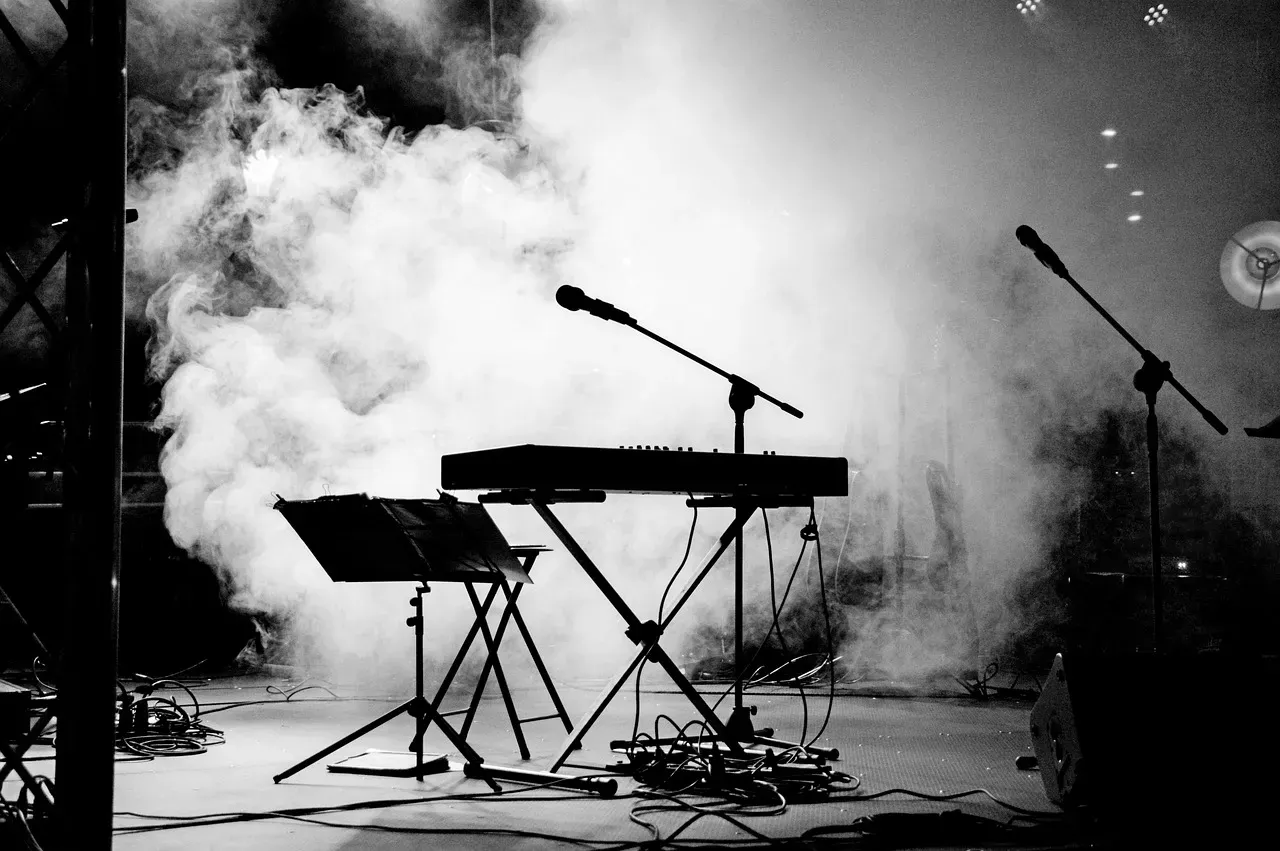
January 30, 1969, lunchtime in London. Workers and shoppers on Savile Row heard music drifting down from above. The Beatles had set up on the roof of Apple Corps headquarters for what would become their final public performance.
They played for 42 minutes while bemused police tried to figure out how to shut it down. “Get Back,” “Don’t Let Me Down,” and “I’ve Got a Feeling” echoed across the rooftops. You can see the joy on their faces in the footage, four guys just playing music together one last time.
The impromptu nature made it special. No massive stadium, no elaborate production, just instruments and amplifiers on a cold roof. Traffic stopped below. People leaned out windows. When police finally ended it, John Lennon quipped “I’d like to say thank you on behalf of the group and ourselves, and I hope we passed the audition.” They definitely did.
Woodstock ’69: Jimi Hendrix’s “Star Spangled Banner”

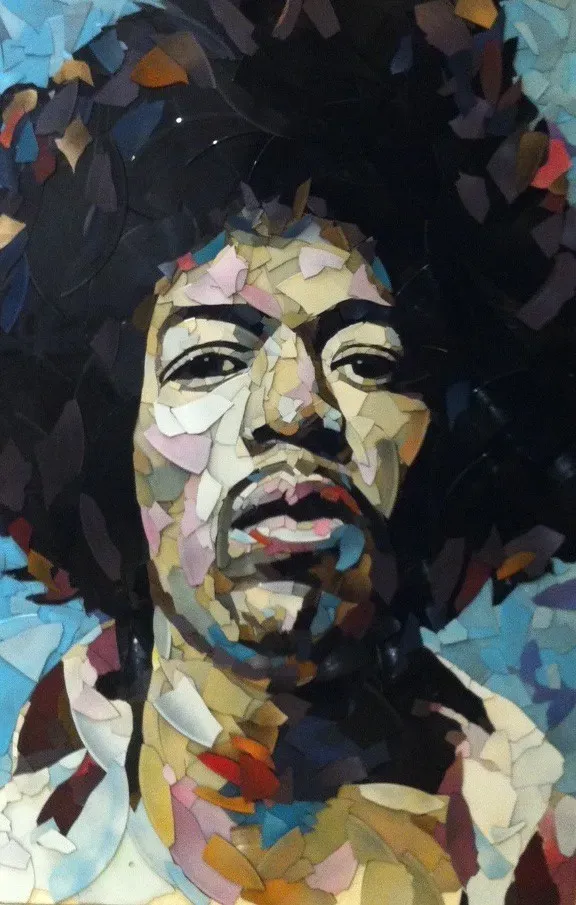
By Monday morning, August 18, 1969, most of the 400,000 people who’d descended on Max Yasgur’s farm had gone home. Maybe 30,000 remained when Jimi Hendrix took the stage around 9am to close the festival.
His distorted, feedback drenched version of “The Star Spangled Banner” became the defining moment of Woodstock and the entire era. The performance mixed patriotism with protest, beauty with chaos. You could hear bombs falling, rockets screaming, all channeled through Hendrix’s guitar. It was commentary on Vietnam, on America, on everything happening in 1969.
The roughly two minute rendition said more about the state of the nation than any speech could. Critics called it disrespectful. Others saw it as the most honest version of the anthem ever performed. Hendrix later said he thought it was beautiful. That’s the thing about truly electrifying performances – they make people feel something, even if they can’t agree on what.
Bob Dylan Goes Electric at Newport Folk Festival (1965)

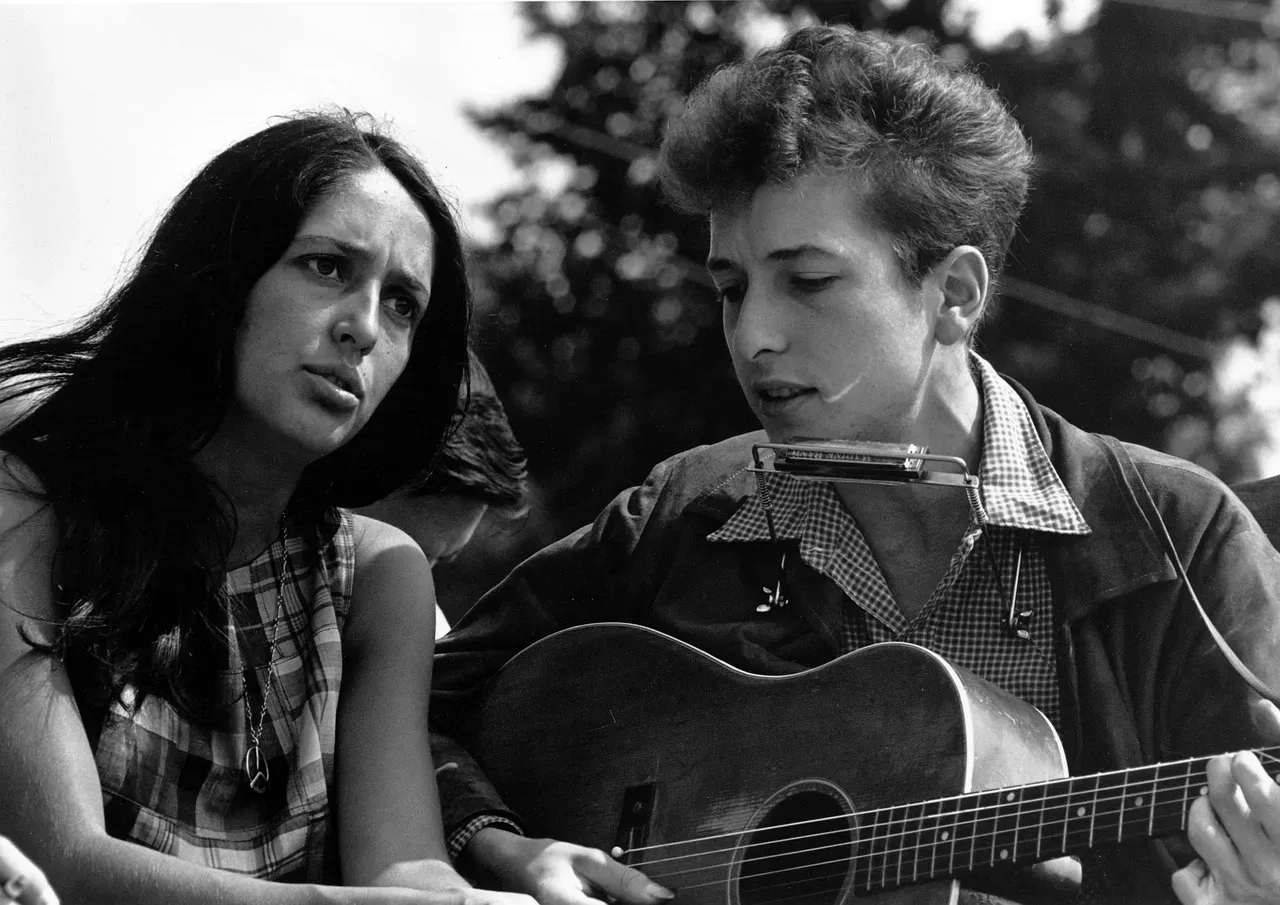
Folk purists thought Bob Dylan had betrayed them. On July 25, 1965, at the Newport Folk Festival, Dylan walked on stage with an electric guitar and a backing band. The crowd booed. Some accounts claim Pete Seeger tried to cut the power cables with an axe.
Dylan didn’t care. He ripped into “Maggie’s Farm” with the Paul Butterfield Blues Band backing him. The sound was raw, loud, and nothing like the acoustic folk everyone expected. After three songs, Dylan left the stage. The performance lasted maybe fifteen minutes, but the shockwaves lasted years.
Looking back, this moment marked rock music’s coming of age. Dylan showed that folk music could evolve, that artists didn’t have to stay in their lane. The performance split his fanbase down the middle but opened doors for countless musicians who wanted to experiment. Sometimes the most electrifying performances are the ones that make people angry.
Led Zeppelin at Madison Square Garden (1973)

Led Zeppelin’s three night stand at Madison Square Garden in July 1973 became the concert film “The Song Remains the Same.” The band was at their absolute peak, touring behind “Houses of the Holy” and playing to sold out arenas everywhere.
Jimmy Page’s guitar solos stretched into territory most players couldn’t imagine. Robert Plant’s vocals hit notes that seemed impossible. The drum solo during “Moby Dick” where John Bonham played with his bare hands for nearly twenty minutes became legendary. John Paul Jones held everything together while adding layers of keyboards and bass that filled every corner of the Garden.
These weren’t just concerts, they were events. Each show ran over three hours. The energy never dropped. Led Zeppelin at their peak could make 20,000 people feel like they were in a small club. The power, the precision, the sheer force of their performance set standards that rock bands still chase today.
Johnny Cash at Folsom Prison (1968)
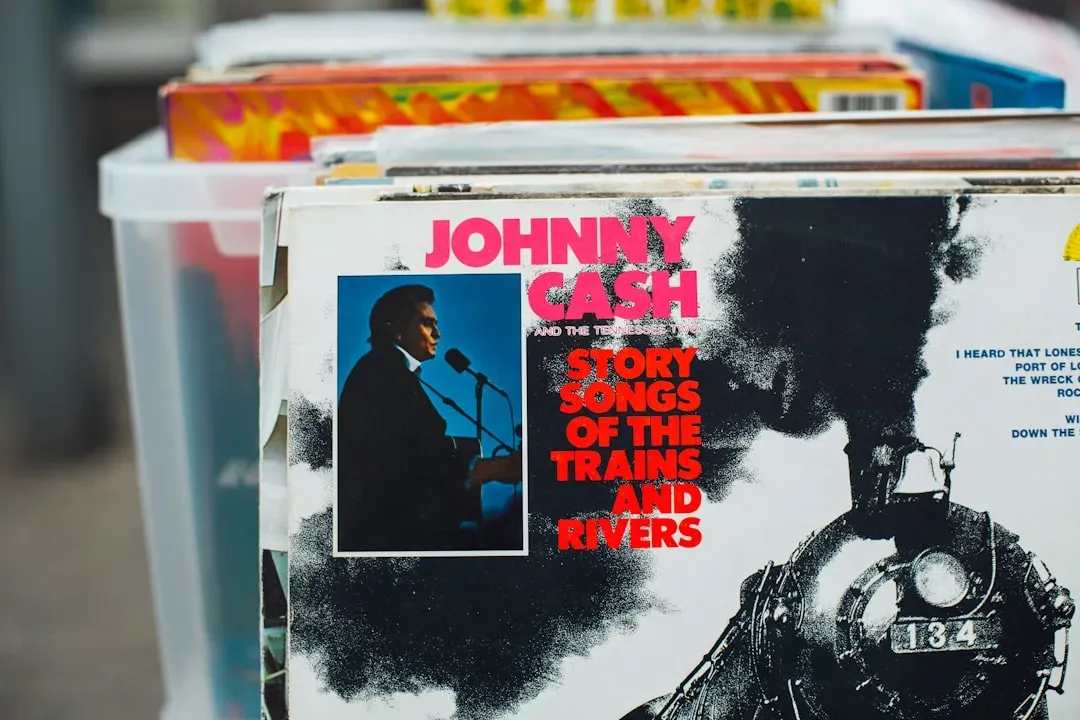
Johnny Cash walked into Folsom Prison on January 13, 1968, to perform for inmates. This wasn’t a charity gesture or publicity stunt. Cash genuinely identified with outlaws and wanted to play for men society had locked away.
The performance crackled with raw authenticity. When Cash sang “Folsom Prison Blues” inside actual prison walls, with inmates cheering every reference to crime and punishment, it hit different. His between song banter was sharp and funny. The prisoners loved every minute, laughing, applauding, connecting with a performer who didn’t judge them.
The live album became one of Cash’s biggest sellers and revitalized his career. More importantly, it showed the power of taking music to unexpected places. Cash’s decision to record at Folsom created something more real and powerful than any studio album could capture. The setting and audience transformed good songs into something transcendent.
Bruce Springsteen and the E Street Band at the Roxy (1975)

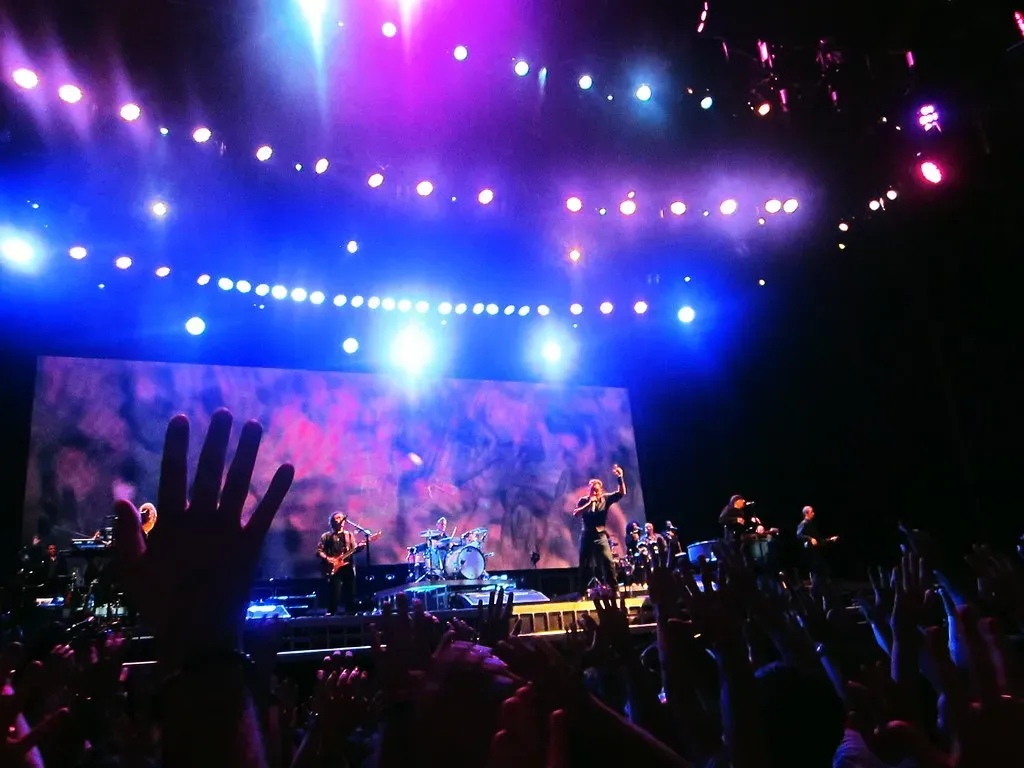
Bruce Springsteen wasn’t a superstar yet when he played the Roxy Theatre in Los Angeles for four nights in October 1975. But music critic Jon Landau had already declared “I saw rock and roll future and its name is Bruce Springsteen” after catching an earlier show.
The Roxy performances proved Landau right. Springsteen played marathon sets that regularly topped three hours. He threw everything into each song, diving into the crowd, telling stories, making every person in that small venue feel like the show was just for them. The E Street Band matched his energy note for note.
Those shows drew industry heavyweights and celebrities who spread the word. Within months, Springsteen would land on the covers of Time and Newsweek simultaneously. The Roxy concerts showed what separated good performers from great ones. Springsteen didn’t just play songs, he created an experience. That commitment to giving audiences everything he had would define his entire career.
Conclusion
These ten performances share something beyond technical skill or famous names. They captured moments when everything aligned perfectly, when artists pushed past their limits and audiences responded with pure energy. Whether it was Freddie Mercury commanding Wembley or Johnny Cash connecting with prisoners, these shows remind us that live music at its best creates memories that last forever.
The venues changed, the decades passed, the genres varied wildly. But the common thread remains. True electrifying performances happen when artists take risks, commit fully, and create genuine connections with their audience. What’s your most memorable concert experience? Tell us in the comments.