


Some movie deaths simply do not fade with time. They stay lodged somewhere in the back of your mind, ready to resurface the moment a familiar melody plays or a friend mentions the film in passing. These are the scenes that turned matinee crowds into rooms full of sniffling adults and left entire generations of kids asking their parents very difficult questions on the car ride home.
What follows is a look at ten of the most devastating on screen deaths ever put to film, spanning animation, science fiction, war epics, and family dramas. Each one earned its emotional weight through years of buildup, strong writing, and performances that made the loss feel personal rather than staged.
1. Mufasa in The Lion King (1994)

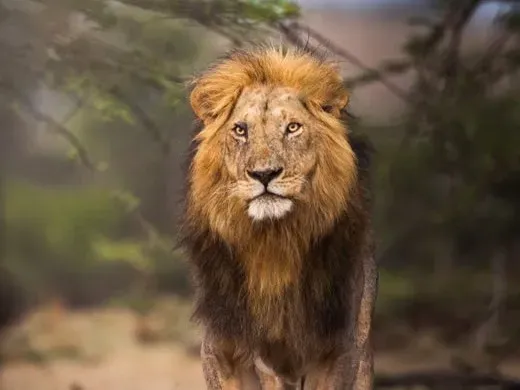
Few scenes in animated film history have inflicted as much collective trauma as Mufasa’s death in the stampede sequence of Disney’s The Lion King. Voiced by James Earl Jones, Mufasa’s fall was engineered with such careful pacing that the moment Simba nuzzles his father’s lifeless body still ranks among the most quoted “first movie that made me cry” memories for people now well into adulthood.
The film, released in 1994 and directed by Roger Allers and Rob Minkoff, leaned into Shakespearean themes of betrayal and legacy, which gave Mufasa’s death a gravity rarely seen in family entertainment at the time. Scar’s role in his brother’s demise added a layer of cruelty that made the scene land even harder, and three decades later it remains a benchmark for how animated films handle grief.
2. Jack Dawson in Titanic (1997)

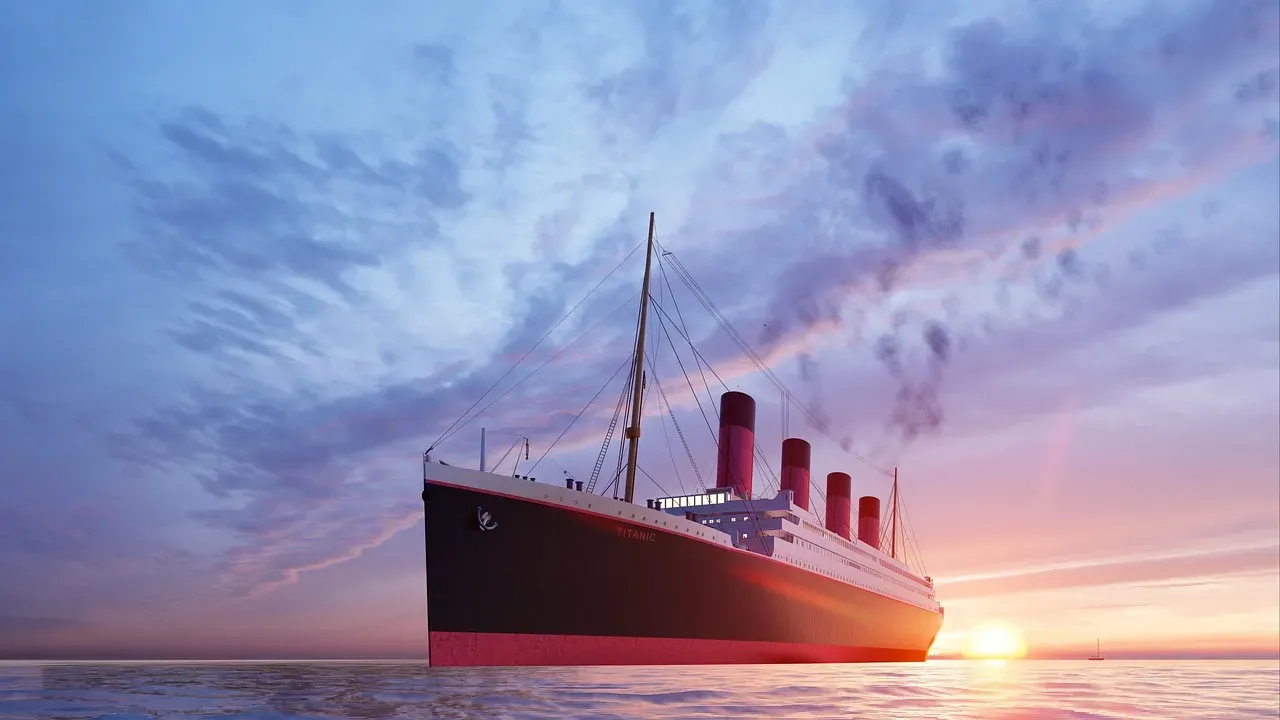
James Cameron’s Titanic turned a historical disaster into one of the most emotionally exhausting love stories ever filmed, and Jack Dawson’s death in the freezing North Atlantic waters became its defining image. Leonardo DiCaprio’s performance in those final minutes, shivering and reassuring Rose that she will survive, gave the scene an intimacy that made a three hour epic feel unbearably short.
Debate over whether Jack could have fit on that floating door has never really stopped, which says something about how invested audiences remained in a fictional death almost thirty years later. Titanic went on to become one of the highest grossing films of all time, and much of its staying power comes from how thoroughly that closing sequence wrecked people in theaters back in 1997.
3. Boromir in The Lord of the Rings: The Fellowship of the Ring (2001)

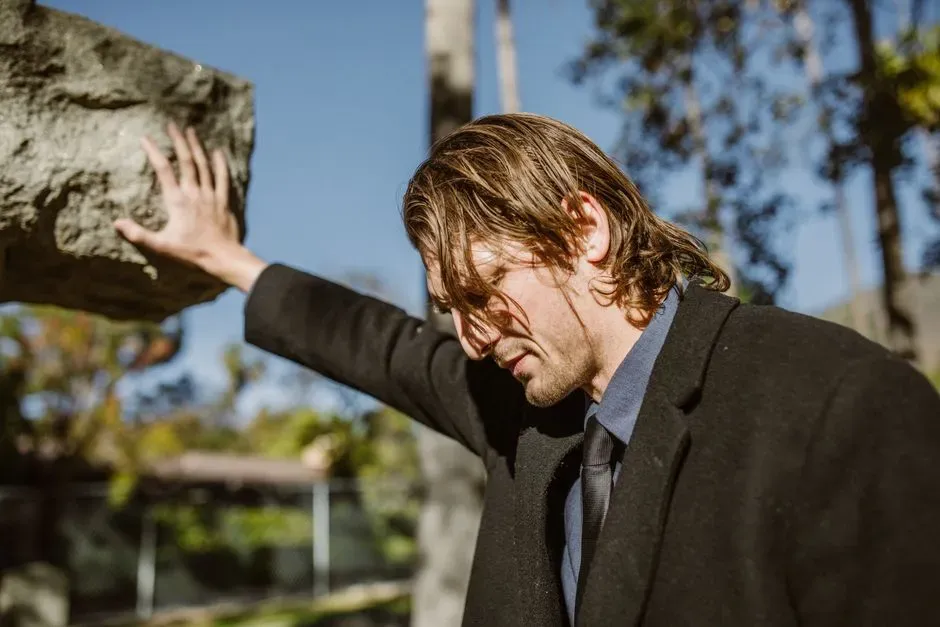
Sean Bean’s Boromir spends much of Peter Jackson’s Fellowship of the Ring struggling with temptation, which makes his redemption arc at the very end feel earned rather than convenient. Shot by multiple arrows while defending Merry and Pippin, Boromir’s death gave the film its first real gut punch and set the emotional tone for the trilogy that followed.
What makes the scene linger is Viggo Mortensen’s Aragorn cradling him and honoring him as a man rather than as the flawed figure he had been moments earlier. The sequence has become something of a cultural shorthand, referenced endlessly online, precisely because it managed to make a secondary character’s death feel as significant as anything involving the central heroes.
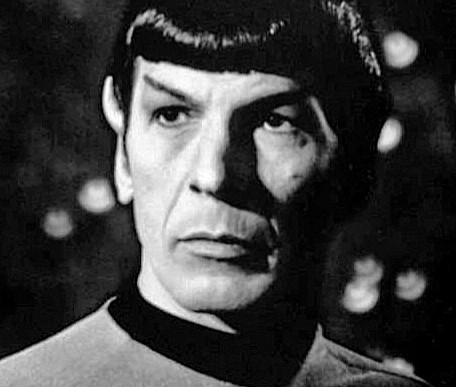
4. Spock in Star Trek II: The Wrath of Khan (1982)
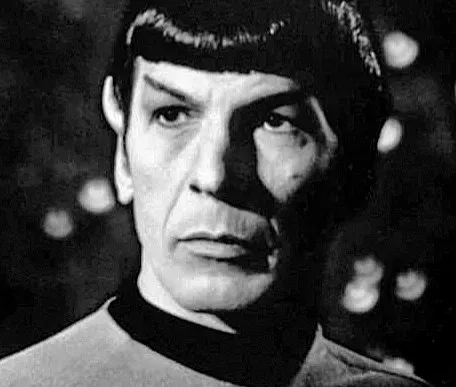
Leonard Nimoy’s Spock sacrificing himself to save the Enterprise crew in 1982’s Star Trek II: The Wrath of Khan remains one of science fiction cinema’s most quietly devastating moments. The scene works because Spock’s death is not chaotic or explosive but calm and logical, consistent with everything the character had represented for over a decade of television and film.
William Shatner’s reaction as Kirk, pressing his hand against the glass separating him from his dying friend, gave the moment a rawness that surprised audiences expecting a more conventional space adventure. The death was later reversed in a subsequent film, yet that reversal never diminished how powerful the original scene felt to audiences experiencing it for the first time.
5. Bambi’s Mother in Bambi (1942)


Disney’s Bambi, released in 1942, delivered what may be the original blueprint for the traumatic animated death scene decades before Mufasa or Ellie from Up existed. The gunshot that kills Bambi’s mother happens almost entirely off screen, yet the restraint of the scene somehow makes it more disturbing, forcing young viewers to process the loss through Bambi’s confusion rather than through graphic imagery.
Film historians have long pointed to this sequence as a turning point in how animated features could tackle mortality without softening the emotional stakes for younger audiences. More than eighty years later, the scene is still frequently cited as many people’s earliest memory of crying at the movies.
6. Optimus Prime in The Transformers: The Movie (1986)

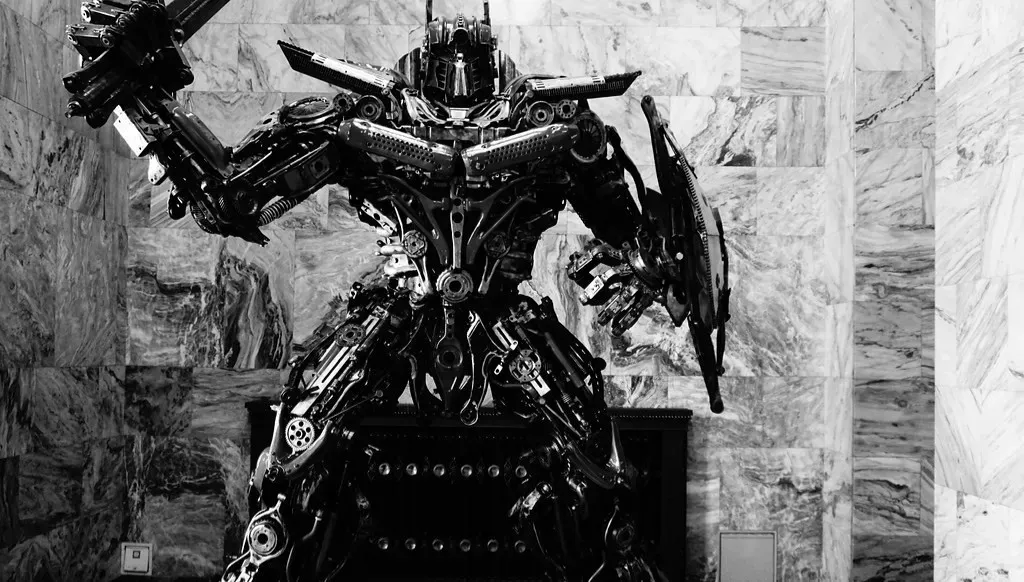
Nothing prepared 1980s kids for the moment Optimus Prime, voiced by Peter Cullen, died in the animated feature The Transformers: The Movie. Released in 1986 as a way to introduce new toy characters and phase out older ones, the film’s producers reportedly did not anticipate how deeply the death of a beloved robot leader would upset its young target audience.
The backlash was significant enough that it became something of a cautionary tale within the animation industry about underestimating children’s emotional investment in franchise characters. Optimus Prime’s death has since been parodied and referenced across pop culture, but for many who saw it in theaters as kids, the sting of that original scene never fully went away.
7. Artax in The NeverEnding Story (1984)


Wolfgang Petersen’s 1984 fantasy film The NeverEnding Story contains a scene that has haunted an entire generation, the slow sinking of the horse Artax into the Swamp of Sadness. Unlike a sudden death, Artax’s fate unfolds over several agonizing minutes as young Atreyu tries desperately to pull his companion free, and the horse’s despair ultimately overtakes him before the swamp does.
The scene has become a recurring reference point in conversations about childhood movie trauma, frequently mentioned alongside Bambi and Old Yeller as proof that films aimed at kids were once far less protective of young viewers’ feelings. Even now, adults who grew up with the film often admit they still cannot rewatch that particular sequence without bracing themselves.
8. Old Yeller in Old Yeller (1957)
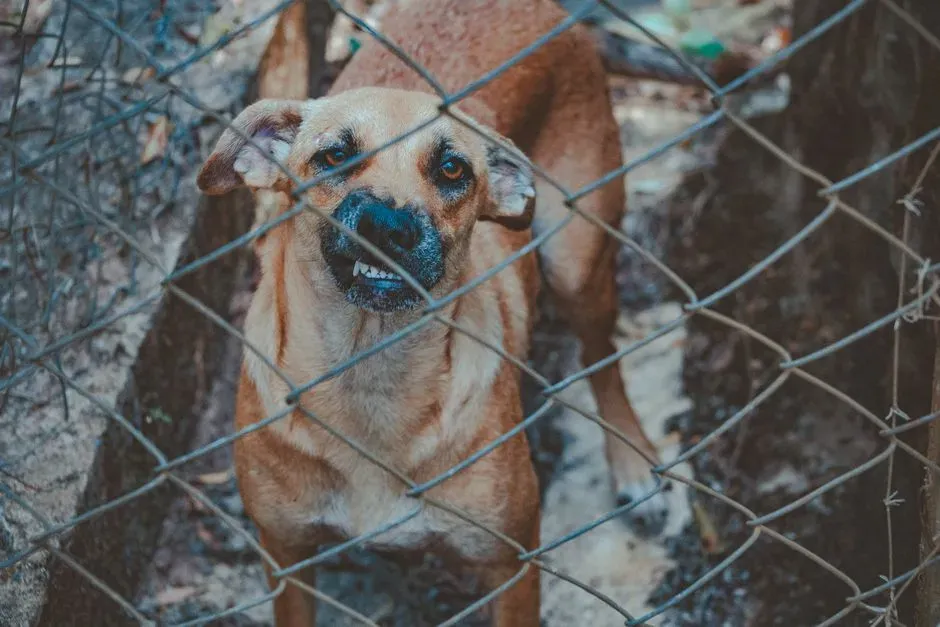
Disney’s 1957 film Old Yeller, based on Fred Gipson’s novel, ends with a scene that has become shorthand for gut wrenching movie sadness, the moment young Travis is forced to shoot his own dog after it contracts rabies. The film never shies away from the practical, almost unbearable logic of the situation, which is part of why the ending has remained so difficult to watch across generations.
Directed by Robert Stevenson, Old Yeller was one of Disney’s early attempts at grounding its family entertainment in genuine hardship rather than fantasy. The phrase “Old Yeller ending” has since entered common usage as a way to describe any story that punishes its audience with an unexpectedly bleak animal death.
9. John Coffey in The Green Mile (1999)

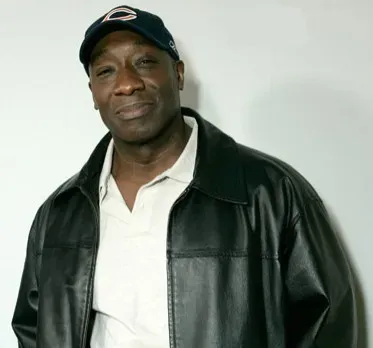
Frank Darabont’s 1999 film The Green Mile, adapted from Stephen King’s serialized novel, builds nearly three hours of empathy for Michael Clarke Duncan’s John Coffey before his execution scene arrives. Coffey’s innocence, established clearly for the audience well before his death, transforms the sequence from a typical prison drama beat into something closer to a meditation on injustice.
Duncan’s performance earned widespread critical praise and a Screen Actors Guild Award nomination, and the scene itself is often cited among the most difficult to sit through in modern American cinema. The quiet dignity Coffey shows in his final moments, despite the horror of what is happening to him, is precisely what makes the scene so hard to shake off afterward.
10. Ellie in Up (2009)

Pixar’s Up, directed by Pete Docter, opens with a wordless montage chronicling Carl and Ellie’s entire marriage, culminating in Ellie’s death before the main story even properly begins. The sequence runs only a few minutes yet manages to compress an entire lifetime of love, disappointment, and companionship into a silent visual language that needs no dialogue to devastate viewers.
Critics have repeatedly singled out this opening as one of the most effective pieces of emotional storytelling Pixar has ever produced, and it set an unusually somber tone for what is technically a children’s adventure film. Many viewers admit the rest of Up, however charming, never quite escapes the shadow of those opening minutes.
Why These Deaths Still Break Us

What connects these ten scenes is not shock value but patience. Each film took the time to build genuine attachment before taking something away, which is precisely why the losses still register decades after release. Mufasa, Spock, Boromir, and the others were not simply killed off for plot convenience; their deaths were earned through character work that made audiences care in the first place.
Cinema has always understood that grief, handled honestly, creates the kind of connection that special effects alone cannot manufacture. That is likely why people continue revisiting these scenes even when they know exactly what is coming and exactly how much it will hurt. Some movie moments simply refuse to loosen their grip, and these ten remain proof that a well told death can outlast the film itself.


