Books have always been more than just words on paper. They’re mirrors, weapons, and sometimes bombs that explode in the public consciousness. Throughout history, certain works didn’t just raise eyebrows – they sparked riots, ended careers, and changed societies forever. Some authors found themselves banned, burned, or worse.
What makes a book scandalous? Sometimes it’s the content itself, shocking readers with truths they weren’t ready to hear. Other times, the scandal comes from who wrote it or how they lived while writing it. From fake memoirs to plagiarism accusations that rocked the literary world, these ten scandals prove that the pen really can be mightier than the sword. Let’s dive in.
James Frey’s Million Little Pieces Deception

In 2003, James Frey published what he claimed was a raw, unflinching memoir of addiction and recovery. Oprah picked it for her book club, and millions of readers felt inspired by his brutal honesty. The book became a massive bestseller, touching hearts across America.
Then the Smoking Gun website did some digging. They discovered that large portions of Frey’s supposedly true story were fabricated. His dramatic arrests never happened the way he described. His girlfriend didn’t die in a train accident. When the truth came out, Oprah invited Frey back on her show – not to celebrate him, but to confront him on live television.
The humiliation was complete and public. Frey’s publisher was forced to include disclaimers in future editions. The scandal raised questions about the memoir genre itself: where’s the line between memory and invention? Frey’s career never fully recovered, though he continued writing. His case became a cautionary tale about the dangers of embellishment in nonfiction.
Lady Chatterley’s Lover Goes to Trial

D.H. Lawrence wrote Lady Chatterley’s Lover in 1928, knowing full well it would cause an uproar. The novel depicted an affair between an aristocratic woman and her husband’s gamekeeper, complete with explicit sexual descriptions that were shocking for the era.
For decades, the book could only be published in expurgated versions in English-speaking countries. In 1960, Penguin Books decided to publish the complete, uncensored version in Britain. The government immediately prosecuted them under obscenity laws.
The trial became a cultural watershed moment. The prosecution famously asked the jury if it was the kind of book “you would wish your wife or servants to read.” That condescending question backfired spectacularly. Expert witnesses lined up to defend the book’s literary merit.
Penguin won the case. The verdict signaled a shift in what society deemed acceptable in literature. Within a year, the book sold over two million copies in Britain alone. It’s hard to imagine now, but people actually went to court over whether adults should be allowed to read about sex.
Salman Rushdie’s The Satanic Verses Fatwa
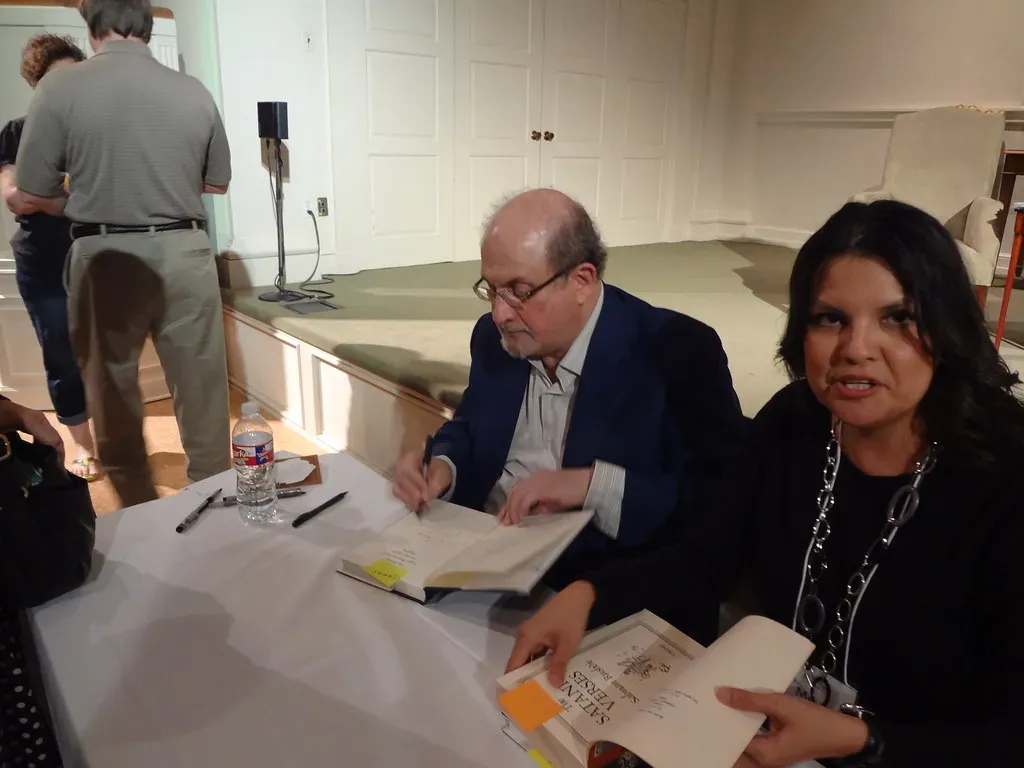
When Salman Rushdie published The Satanic Verses in 1988, he probably expected controversy. What he got was a death sentence. The novel’s dream sequences, which some interpreted as disrespectful to Islam and the Prophet Muhammad, ignited protests across the Muslim world.
Iran’s Ayatollah Khomeini issued a fatwa calling for Rushdie’s death. Suddenly, the author was in hiding, moving between safe houses under police protection. Bookstores that carried the novel were firebombed. The book’s Japanese translator was murdered. The Italian translator was stabbed.
Rushdie spent nearly a decade in hiding, his life fundamentally altered. The scandal raised profound questions about artistic freedom, religious sensitivity, and the limits of free speech. Publishers had to decide whether defending literature was worth risking their employees’ lives.
The fatwa technically remains in effect even today. In 2022, Rushdie was stabbed multiple times at a speaking event in New York, losing sight in one eye. His case remains the most extreme example of how dangerous words can be when they challenge religious orthodoxy.
The Protocols of the Elders of Zion Hoax

This wasn’t a novel or memoir, but it might be the most dangerous book ever published. First appearing in Russia around 1903, The Protocols claimed to be secret Jewish plans for world domination. It was completely fabricated, plagiarized from earlier satirical works.
Despite being proven a hoax multiple times – most definitively by The Times of London in 1921 – the book spread like wildfire. Henry Ford distributed half a million copies in America. Nazi Germany used it as propaganda to justify the Holocaust. It continues to circulate in various forms today.
The Protocols caused real-world harm on a massive scale. It fueled pogroms, discrimination, and ultimately genocide. The scandal isn’t just that it was fake – plenty of books are fiction. The scandal is that so many people wanted to believe it was real, and still do.
Modern scholars can trace exactly how the text was cobbled together from earlier sources. Yet in some parts of the world, it’s still sold as fact. This literary fraud has probably caused more human suffering than any other book in history.
Sylvia Plath’s The Bell Jar and Ted Hughes’s Controversy
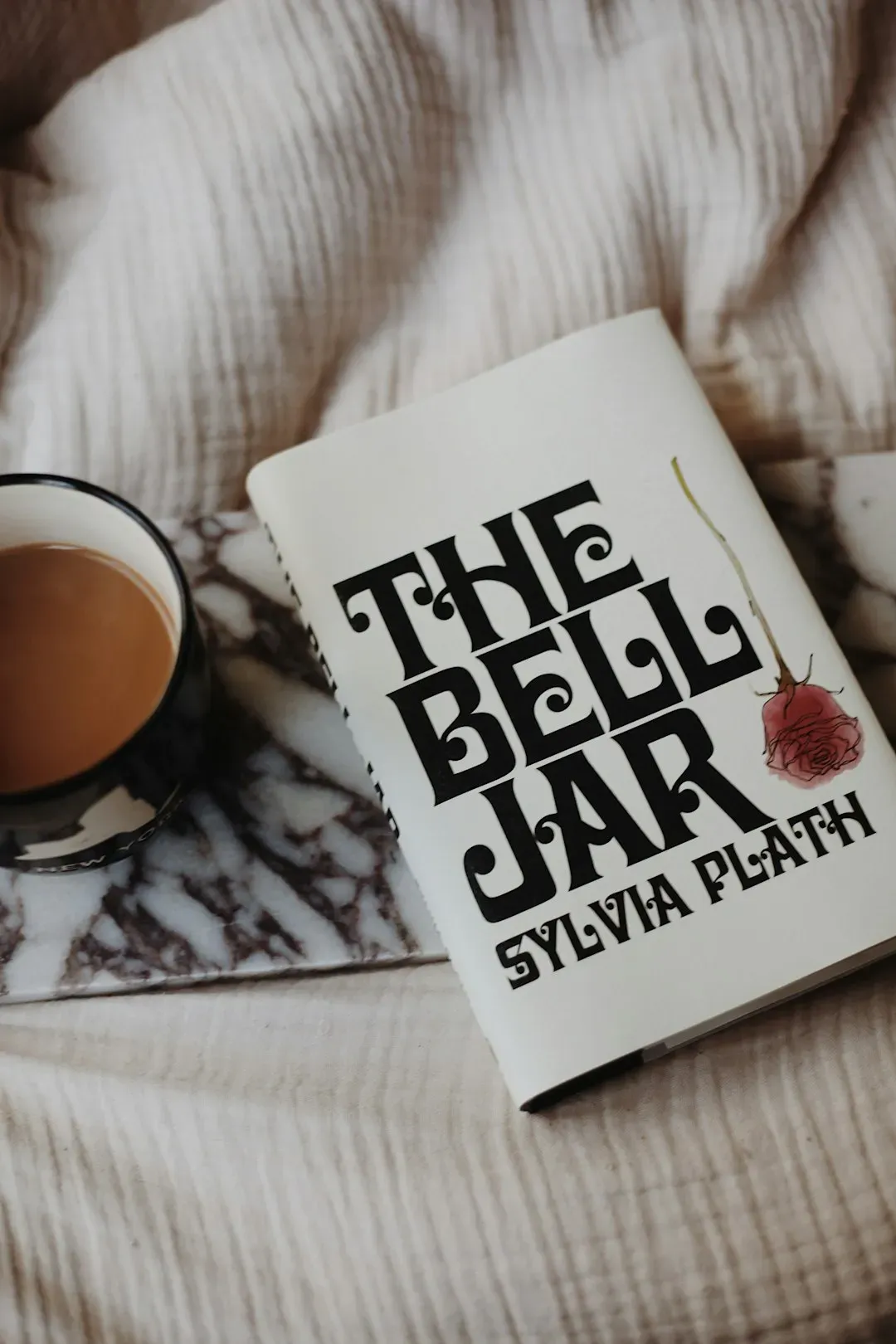
Sylvia Plath published The Bell Jar under a pseudonym just weeks before her suicide in 1963. The semi-autobiographical novel depicted a young woman’s mental breakdown with brutal honesty. That alone would have been noteworthy.
But the real scandal unfolded in the decades after her death. Plath’s husband, poet Ted Hughes, controlled her estate and literary legacy. He admitted to destroying her final journal, claiming he did it to protect their children. Critics accused him of trying to control her narrative.
Feminist readers saw Hughes as the villain in Plath’s story, especially after he left her for another woman who also later died by suicide. Vandals repeatedly defaced Plath’s gravestone, chiseling off Hughes’s surname. The literary world split into camps debating Hughes’s role in Plath’s depression and death.
Hughes remained silent on many details for decades, finally publishing Birthday Letters in 1998 – poems about his relationship with Plath – just months before his own death. The scandal combined literary merit with real tragedy, turning two poets’ troubled marriage into endless speculation. Some wounds never fully heal, especially when immortalized in brilliant writing.
Norman Mailer’s Advertisement for Myself and Literary Feuds
Norman Mailer didn’t just write books, he weaponized them. Throughout his career, he picked fights with other writers, critics, and pretty much anyone who disagreed with him. His 1959 collection Advertisements for Myself contained not just essays but brutal attacks on contemporaries like Gore Vidal.
The feuds got personal and public. Mailer and Vidal’s decades-long battle included insults on television talk shows and in print. At one party, Mailer head-butted Vidal. In 1960, Mailer stabbed his second wife with a penknife after a party, nearly killing her. She refused to press charges.
That incident could have ended his career, but somehow Mailer remained a literary heavyweight. His aggressive masculinity and willingness to turn his personal chaos into art made him both celebrated and reviled. Critics debated whether his talent excused his behavior.
The scandal around Mailer wasn’t one specific book but his entire persona as a writer who lived as violently as he wrote. He represented a type of mid-century male author whose personal transgressions were often overlooked in favor of their literary output. Today, that calculus might be different.
Bret Easton Ellis’s American Psycho Graphic Violence
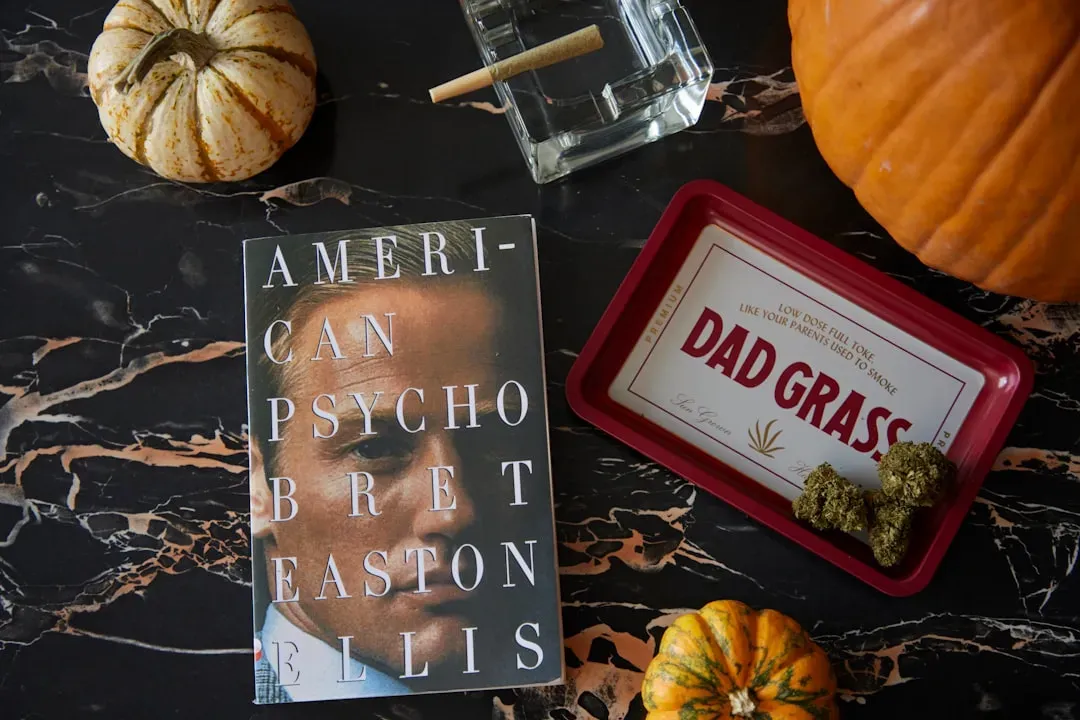
American Psycho landed like a bomb in 1991. Bret Easton Ellis’s novel about Patrick Bateman, a wealthy investment banker who’s also a serial killer, contained scenes of violence so graphic that his original publisher dropped the book before publication. Another publisher picked it up, but the damage was done.
Feminist groups organized protests. The National Organization for Women called for a boycott. Critics were split between those who saw it as brilliant satire of 1980s excess and materialism, and those who viewed it as torture porn. Some bookstores refused to carry it.
Ellis received death threats. The book was banned in several countries or sold only in shrink wrap with warning labels. In Australia and New Zealand, it was classified as objectionable material. The controversy overshadowed the book’s actual content for years.
Looking back, American Psycho has become a recognized part of the literary canon, studied in universities. The film adaptation in 2000 further cemented its cultural impact. Still, there’s something genuinely disturbing about those violent passages. Ellis defended them as necessary to show Bateman’s complete moral emptiness, but readers still debate whether the graphic detail serves a purpose or just shocks for shock’s sake.
The Autobiography of Howard Hughes Hoax
In 1971, writer Clifford Irving convinced a major publisher that he’d been secretly meeting with Howard Hughes, the reclusive billionaire, to write his authorized autobiography. McGraw-Hill paid Irving a huge advance. The book world buzzed with excitement about finally getting Hughes’s story.
There was just one problem. Irving had never met Hughes. He fabricated the entire thing, forging letters and documents to support his claim. For a while, it worked. Publishers and experts believed him because they wanted to believe him.
Then Hughes himself – who hadn’t spoken publicly in years – held a telephone press conference to denounce the book as fake. The scheme unraveled quickly after that. Irving confessed, was convicted of fraud, and served time in prison.
The scandal exposed how badly publishers wanted a sensational story and how little fact-checking they did on a project that should have raised red flags from the start. Irving later wrote about his hoax, turning his crime into another book. The literary world had learned an expensive lesson about due diligence.
Vladimir Nabokov’s Lolita Pedophilia Accusations
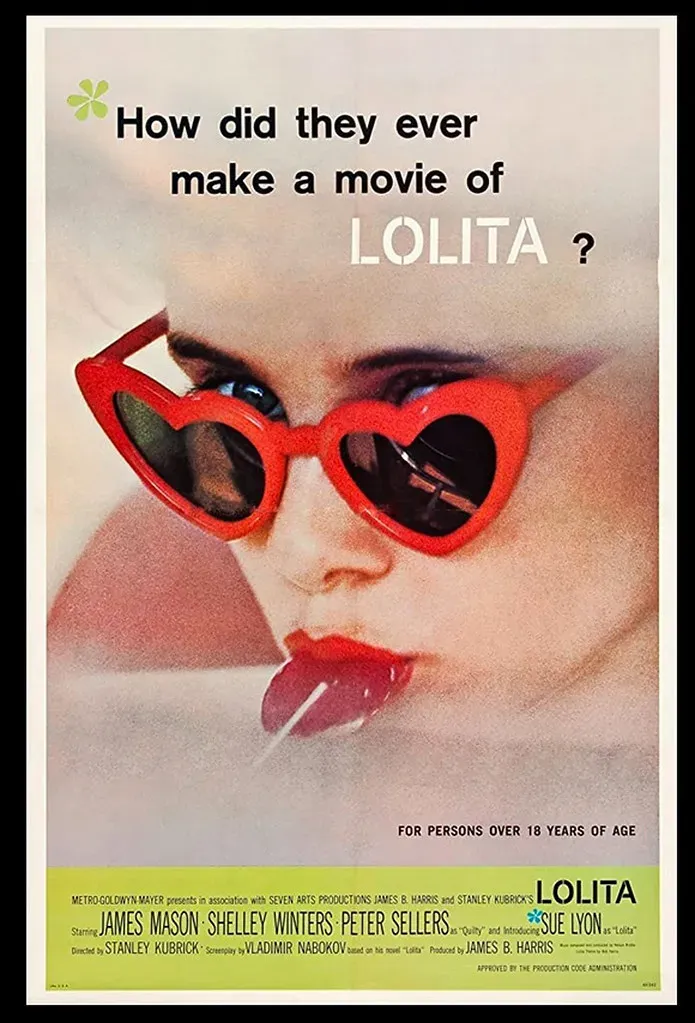
Vladimir Nabokov’s Lolita is now considered a masterpiece of 20th-century literature. When it was first published in 1955 by a Paris-based publisher known for pornography, most American publishers had rejected it as unpublishable.
The novel’s narrator, Humbert Humbert, is a middle-aged man obsessed with a 12-year-old girl. He’s an unreliable narrator trying to justify the unjustifiable, but that nuance was lost on many early readers. They saw only a book about pedophilia and wanted it banned.
Customs officials seized copies at borders. Britain banned it until 1959. When American publishers finally released it in 1958, it became a bestseller despite – or because of – the controversy. Critics debated whether the book was pornographic or profound.
Nabokov always maintained that the book was a love story and a condemnation of Humbert’s actions, not an endorsement. The beautiful prose makes readers uncomfortable precisely because it forces them to inhabit a monster’s perspective. That discomfort is the point. Still, the scandal around Lolita never fully disappeared. It remains one of literature’s most controversial works, challenging readers to separate artistic merit from moral content.
Truman Capote’s Answered Prayers Betrayal
Truman Capote was the darling of New York’s social elite. Wealthy society women trusted him with their secrets, gossip, and private lives. Then in 1975, he published an excerpt from his work-in-progress, Answered Prayers, in Esquire magazine.
The excerpt, “La Côte Basque 1965,” was a thinly veiled exposé of his rich friends’ affairs, addictions, and scandals. Real people were easily identifiable despite name changes. The backlash was immediate and brutal. His former friends felt betrayed and shut him out completely.
Capote became a social pariah overnight. The people who had once competed for his attention now refused to speak to him. He lost access to the world that had inspired much of his work. Some say he never recovered from the rejection.
He spent years claiming to be working on the full novel but never completed it. When he died in 1984, only fragments existed. The scandal destroyed both his social life and his creative output. It’s a cautionary tale about biting the hand that feeds you, even if that hand belongs to people who probably deserved to be exposed. Loyalty in the literary world apparently has limits, and Capote crossed them spectacularly.
Final Thoughts
These scandals remind us that books aren’t just entertainment. They’re cultural flashpoints that reveal society’s anxieties, prejudices, and boundaries. Some of these authors paid dearly for pushing those boundaries. Others got away with behavior that wouldn’t fly today. What’s considered shocking changes with time, but the power of words to upset, inspire, and transform remains constant.
The authors who caused these scandals – whether through deception, explicit content, or dangerous ideas – all understood something fundamental about writing. It can comfort, but it can also disturb. It can preserve the status quo, or it can burn it down. What do you think separates a necessary scandal from mere shock value? Tell us in the comments.