History is a battlefield of its own. Not just in the literal sense, but in the way stories get twisted, simplified, and sometimes outright distorted over time. Most people learn about wars through movies, textbooks, and headlines – and honestly, that’s where the trouble begins. The narratives we absorb rarely capture the full, messy, complicated truth behind these monumental events.
Some wars are remembered through the lens of propaganda. Others are simply forgotten until a convenient myth fills the gap. What’s striking is how consistently these misunderstandings shape public opinion, political decisions, and even how we see justice and morality today. Be prepared to rethink everything you thought you knew.
1. The Vietnam War: The “Lost War” That Wasn’t Quite Lost
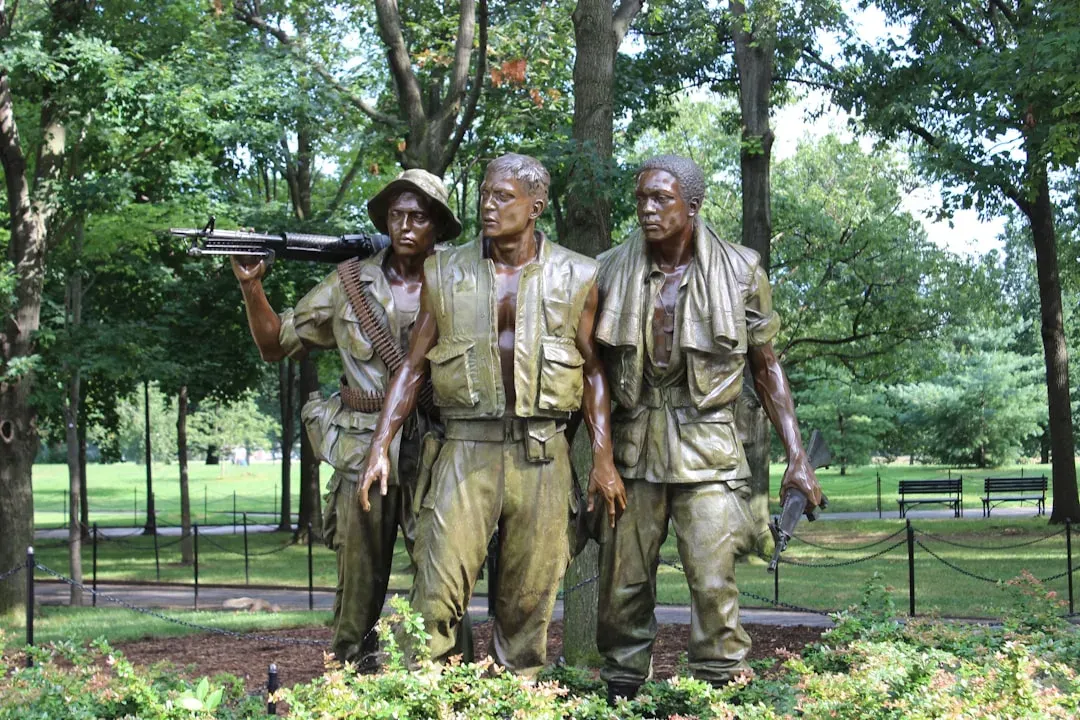
Let’s be real – the Vietnam War is perhaps the most mythologized conflict in modern American history. The popular image is simple: a humiliating defeat, a country dragged into a jungle it didn’t understand, fighting a war it could never win. The reality is considerably more layered, and in some ways, far more troubling.
The American military was not defeated in Vietnam in a purely tactical sense. The military did not lose a battle of any consequence, and from a military standpoint it was almost an unprecedented performance. Yet the political outcome told a different story. The United States entered Vietnam with the principal purpose of preventing a communist takeover of the region. In that respect, it failed: the two Vietnams were united under a communist banner in July 1976. Neighboring Laos and Cambodia similarly fell to communists.
Two thirds of the men who served in Vietnam were volunteers, while two thirds of the men who served in World War II were drafted. Approximately 70 percent of those killed in Vietnam were volunteers. That explodes the myth of the unwilling draftee shipped off to die. In 1995, Vietnam released its official estimate of the number of people killed during the Vietnam War: as many as 2 million civilians on both sides and some 1.1 million North Vietnamese and Viet Cong fighters.
2. World War I: The Myth of Lions Led by Donkeys
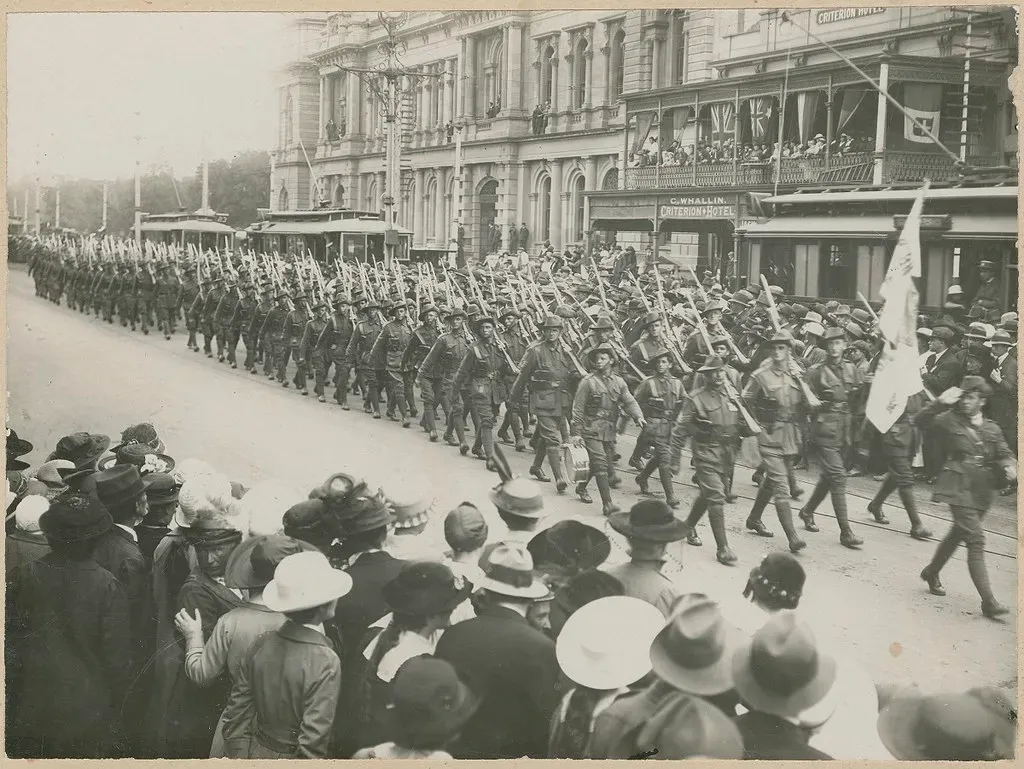
Ask almost anyone what they know about the First World War, and you’ll get some version of this image: terrified young soldiers being sent to pointless slaughter by incompetent, out-of-touch generals sipping tea far from the front. It’s a powerful image. It’s also significantly distorted.
The truth is, WWI overall was an entirely new type of warfare, and in reality, nobody knew how to force an early victory. No war like this had ever been fought before – a defensive stalemate with hundreds of thousands of men well dug in, new types of weapons, barbed wire, and very rapid rates of machine gun fire, all of which favored defense over attack. Calling the generals incompetent ignores the radical newness of the battlefield they were navigating.
The idea that the rich and privileged, the men who largely composed the officer corps, went through the war largely unscathed is almost the complete opposite of the truth. If you look at percentages, the numbers tell a shocking story. For the entirety of mobilized men, the death rate was about 12 percent, but for graduates of Oxford and the aristocracy, it was 19 percent. The elite paid a devastating price too.
3. The American Civil War: The “States’ Rights” Smokescreen
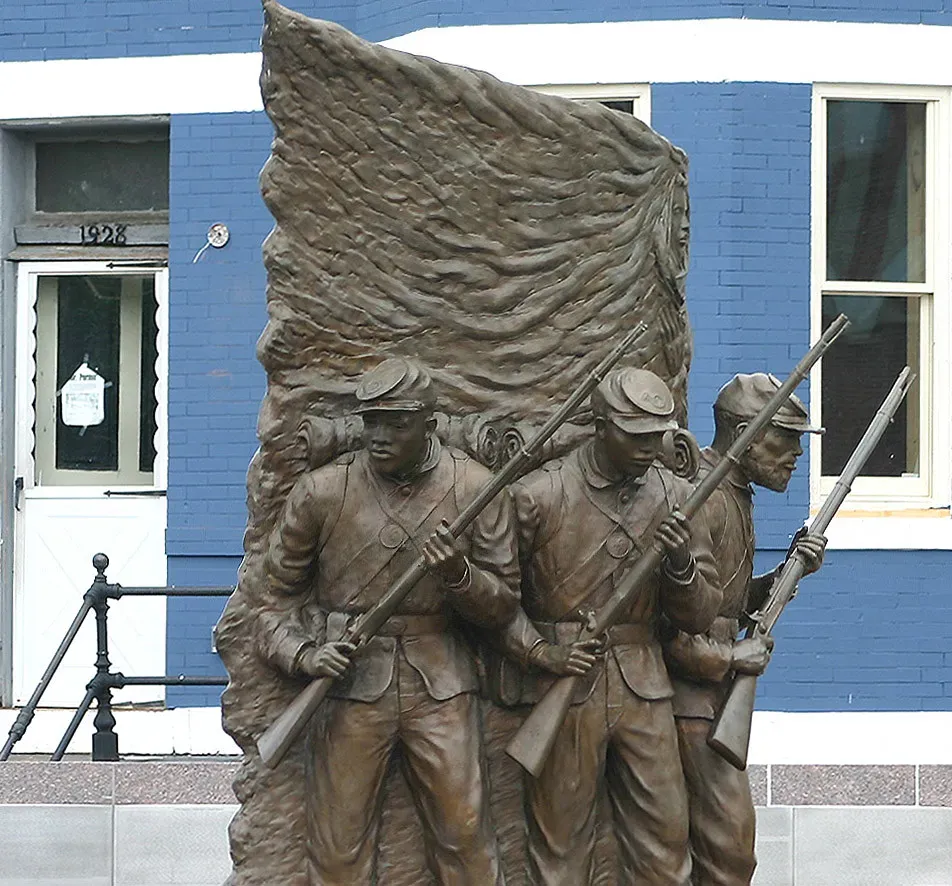
Here’s the thing – the “states’ rights” framing of the American Civil War has been one of the most successful historical rewrites in modern memory. You still hear it today, repeated with confidence. Yet the primary documents from the era tell a completely different story, one that is far less comfortable to confront.
Ask around, and you’ll hear that the American Civil War was all about states’ rights. But when Southern states seceded, their official documents – like Mississippi’s declaration – explicitly named the preservation of slavery as their cause. The war cost between 620,000 and 750,000 lives, tearing families and the nation apart. After the conflict, the 13th Amendment abolished slavery, but racism and inequality persisted.
Today, the debate over the Civil War’s legacy and symbols remains fiercely alive, fueling discussion over race, history, and justice in America. I think that debate is unlikely to cool anytime soon, precisely because so many people are still invested in the softer version of the story. Mythology is comfortable. Truth requires a reckoning.
4. The Korean War: The Forgotten War With Hidden Depths
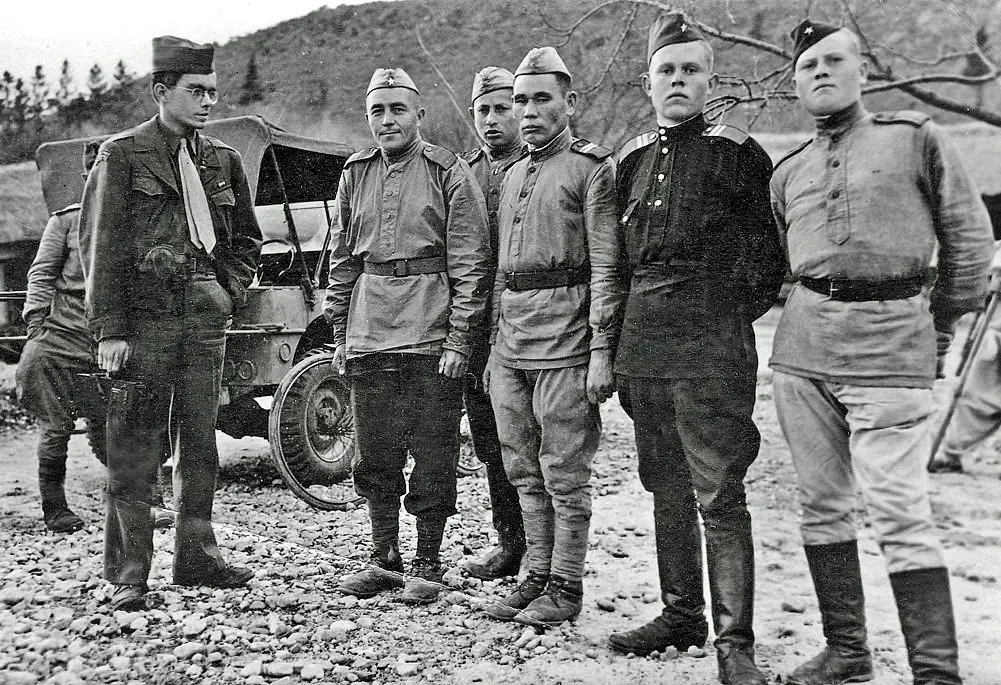
The Korean War gets squeezed between the drama of World War II and the cultural storm of Vietnam. Most people barely remember it at all, and those who do tend to think of it as a simple case of communist aggression that the U.S. went to stop. The actual origins of the conflict are far more tangled.
The conventional narrative taught in many history classes is that the Korean War began with an unprovoked invasion of South Korea by the North. However, this view often overlooks the actions and provocations from the South that contributed to the rising tensions. In the years following World War II, both North and South Korea were responsible for numerous border incidents and escalating hostility. Neither dictator was content to remain on his side of the 38th parallel, and border skirmishes were common. Nearly 10,000 North and South Korean soldiers were killed in battle before the war even officially began.
The Korean War was relatively short but exceptionally bloody. Nearly 5 million people died. More than half of these – about 10 percent of Korea’s prewar population – were civilians. This rate of civilian casualties was higher than World War II’s and the Vietnam War’s. The war ended in stalemate, with no peace treaty – just an armistice and a heavily fortified border, the DMZ, which still splits the peninsula to this day.
5. The Soviet-Afghan War: The Blowback Nobody Talks About
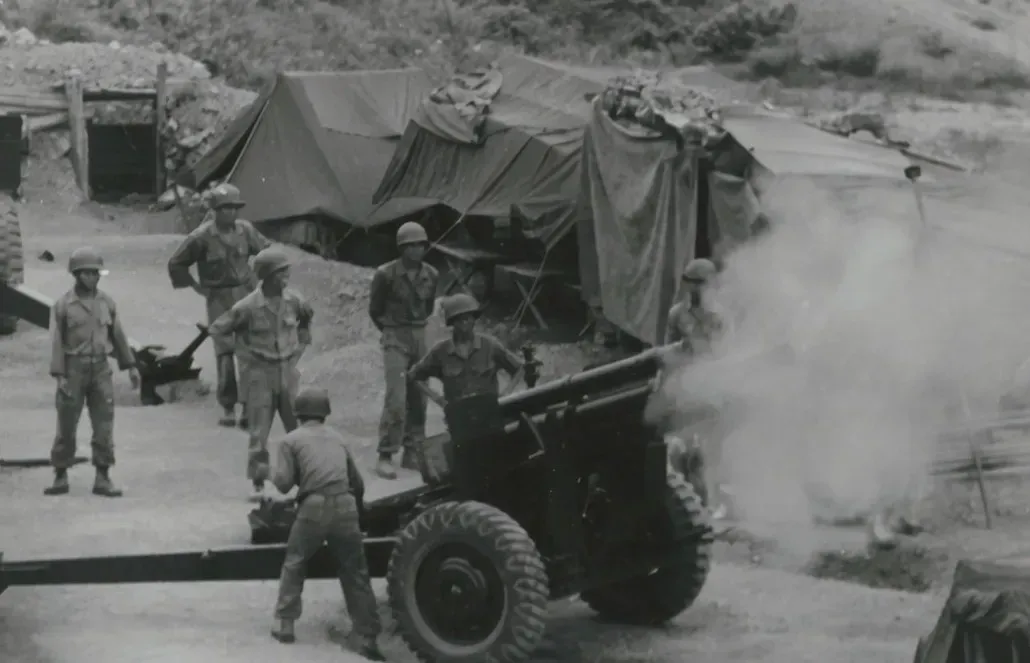
When Soviet troops rolled into Afghanistan in 1979, the Western narrative was reassuringly simple: a superpower trying to crush local resistance and expand its empire. What followed over a decade was a grindingly complex proxy conflict with consequences that would echo across the entire globe for generations.
The Soviet-Afghan War was marked by guerrilla tactics from Afghan fighters, the Mujahideen, against a technologically superior Soviet army, leading to heavy losses for the Soviets. The CIA supplied the Mujahideen with weapons and training, seeing Afghanistan as a front in the Cold War. The Soviets finally withdrew in 1989, and the war is often blamed for hastening the collapse of the USSR.
The aftermath was disastrous: chaos in Afghanistan led to the rise of the Taliban and, eventually, Al-Qaeda. The “blowback” from this conflict would haunt the world for decades, leading directly to the September 11 attacks and the ongoing war on terror. This conflict also served as a catalyst for broader changes within Afghanistan, eventually leading to civil war and the rise of Taliban rule following the Soviet withdrawal. It’s a devastating example of short-term geopolitical thinking with catastrophic long-term consequences.
6. The Crusades: More About Gold Than God

The Crusades tend to get remembered as the ultimate clash of civilizations – Christian armies marching across deserts in the name of faith, reclaiming the Holy Land from Muslim rulers. It’s cinematic and clear-cut. Historians, however, tell a considerably murkier story.
The Crusades are often painted as epic battles of devout Christians against Muslims for control of Jerusalem, but religion was a rallying cry while money, land, and influence were powerful driving forces behind these campaigns. Many knights and nobles joined not for faith, but for wealth, adventure, or to escape debts and feuds back home. Think of it less like a holy mission and more like a medieval combination of real-estate speculation and debt relief.
The First Crusade led to the bloody capture of Jerusalem, but the later crusades degenerated into infighting, even sacking the Christian city of Constantinople in 1204. The schism between Western Roman Catholic and Eastern Orthodox Christianity was dramatically deepened. The Crusades reshaped Europe’s map, created bitter legacies, and left a complicated imprint on Christian-Muslim relations that still echoes today.
7. The Spanish-American War: Liberation or Imperial Land Grab?
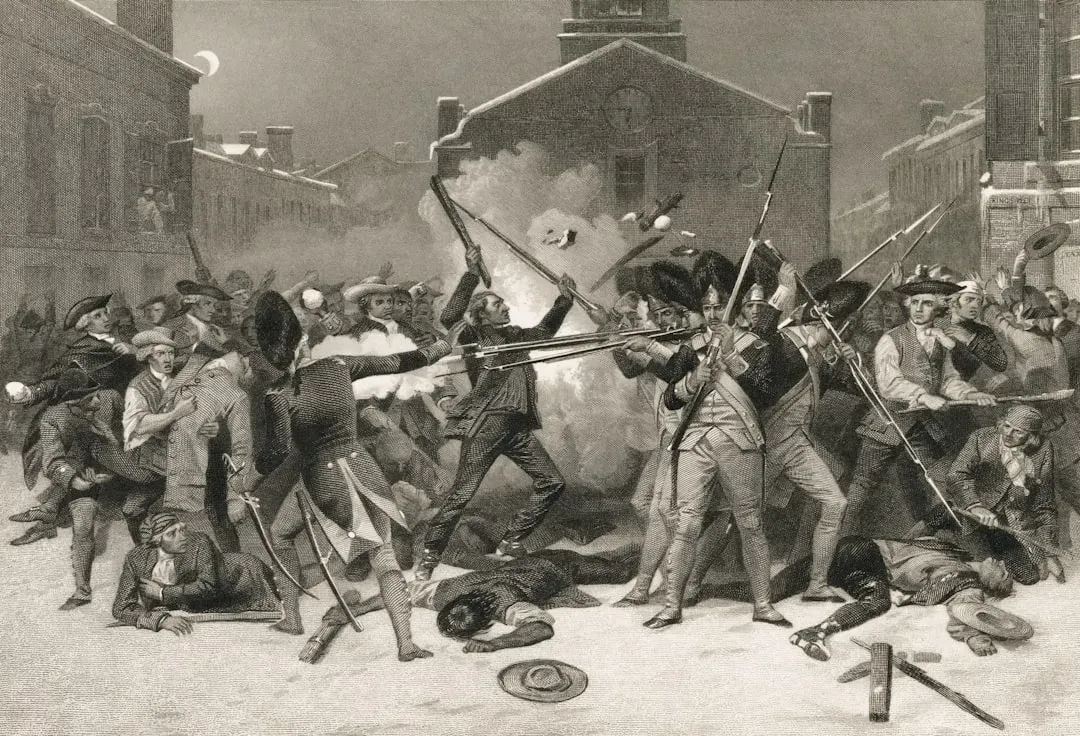
The Spanish-American War of 1898 is sometimes taught as a story of American heroism – a nation stepping in to free Cuba from cruel Spanish colonial rule. That narrative is not entirely wrong. But it is, to put it charitably, incomplete. There was a much larger strategic ambition quietly operating beneath the surface.
Most Americans learn the Spanish-American War as a tale of heroism, liberating Cuba from cruel Spanish rule. The truth is, the U.S. had its sights set on empire. Sensationalist newspapers whipped up war fever after the explosion of the USS Maine in Havana harbor, though the cause remains murky. The word “yellow journalism” was practically invented for this moment in history.
The war lasted just a few months, but its outcome was huge: the U.S. gained control of Puerto Rico, Guam, and the Philippines – territories that remain part of the American story. In the Philippines, the U.S. fought a brutal war against independence fighters, resulting in hundreds of thousands of deaths. The Spanish-American War marked America’s arrival as a global power, but also its entrance into the messy business of imperialism. Honestly, it’s hard to call that liberation.
8. The Peloponnesian War: The War That Destroyed the Victors Too
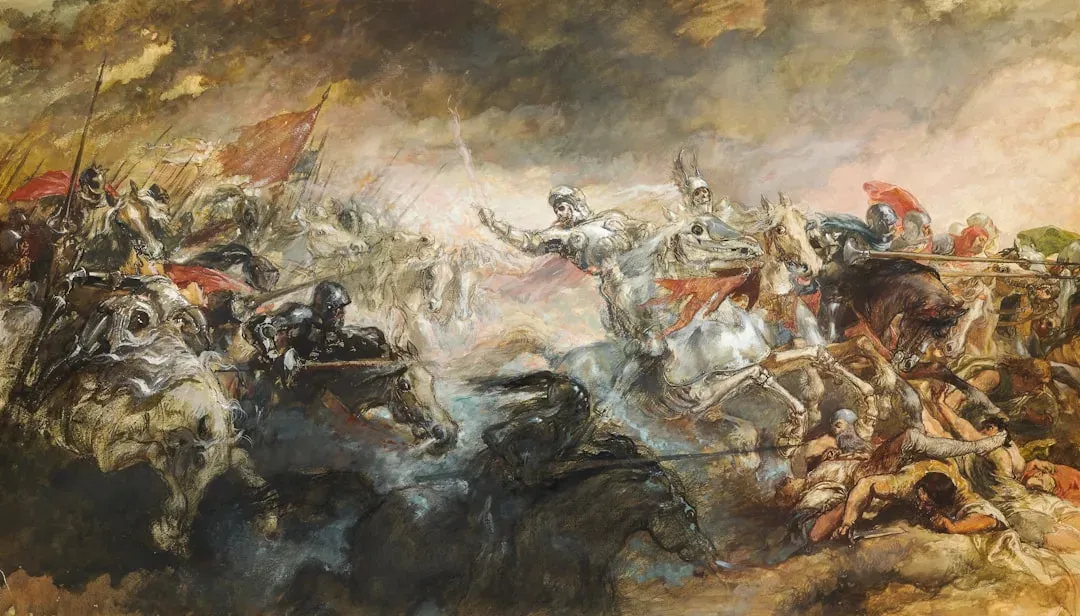
Most people who have heard of the Peloponnesian War picture it as a heroic clash of two mighty city-states – Athens, the brilliant democracy, against Sparta, the fearsome military machine. Clean, dramatic, almost mythological. What actually happened was far more sobering and perhaps more relevant to our world today than most people realize.
The Peloponnesian War is usually boiled down to Athens versus Sparta – a clash of titans. But the truth is more tragic: it was a civil war that dragged in nearly every Greek city-state, pitting old friends against each other and shattering the fabric of classical Greece. Athens’ democracy strained under the pressures of war, resorting to purges and mob rule. Sparta’s rigid system was no less battered.
The war ended with Athens’ defeat, but nobody really won – Greece was left weakened, paving the way for Macedon’s rise. The Peloponnesian War stands as a cautionary tale about the dangers of hubris, infighting, and the fragility of even the mightiest civilizations. It’s a pattern we’ve seen repeated across centuries: the winner of a war can still lose everything that mattered in the long run. What would you have guessed – that the war’s real loser was history itself?