


You’d think that by 2026, humanity would have done a thorough spring cleaning of its legal codes. Tossed out the dusty relics, retired the absurd, and swept away anything that sounds like it was written during a fever dream. Nope. Not even close.
All over the world, from the UK to the United States to Singapore, there are laws quietly sitting on the books that nobody uses, almost nobody knows about, yet nobody has bothered to repeal. While these laws may never be enforced, they are still legally valid because no one has bothered to repeal them. Most are so old that lawmakers themselves aren’t even aware many of them exist. That, honestly, is both hilarious and a little bit alarming.
Get ready for a wild tour through history’s most absurd legislative leftovers. Let’s dive in.
1. It’s Illegal to Handle Salmon in “Suspicious Circumstances” (UK)


Let’s start with one of the all-time greats. The Salmon Act 1986 is a United Kingdom Act of Parliament. Among its provisions, it makes it illegal to “handle salmon in suspicious circumstances,” which is defined in law as when one believes, or could reasonably believe, that salmon has been illegally fished or that salmon from an illegal source has been received, retained, removed, or disposed of. So yes, a fish can land you in legal trouble.
The law against holding a salmon under suspicious circumstances has baffled the nation, with roughly two thirds of those surveyed believing it to be fake, when in fact it is a real law that has been in place since 1986 under Parliament’s Salmon Act. Here’s the thing though, this law was actually created for a genuinely important reason. This law was created because of the rise of unlawful fishing, especially around the eighties. This birthed a need for legislation to regulate the distribution of fish such as salmon to prevent the crime of selling it illegally.
The act is still active today, and authorities use it to tackle illegal fishing and protect wildlife. It is a quirky but important part of the UK’s environmental laws. So don’t laugh too hard. That shifty-looking salmon at the market? Potentially a legal landmine.
2. It’s Illegal to Be Drunk in a Pub (UK)


I know, I know. This one sounds like a punchline to the world’s best joke. British law since 1872 makes it illegal to be drunk in a pub or any other licensed premises. The original purpose was to reduce drunken disorder and maintain public order in a time when alcohol-related problems were rampant. The very establishment built for drinking is legally obligated to keep you sober. Sort of.
Section 12 of the 1872 Licensing Act states that “every person found drunk on any licensed premises, shall be liable to a penalty.” This was brought in as a means of reducing drunkenness among poor people and is still in force today. It is also against the law for the keeper of a public house to allow drunkenness on their premises, and it’s an offence to sell alcohol to a drunk person.
Today, the law is still enforced, especially when patrons become disruptive or pose a danger to themselves or others. Landlords and bartenders are legally required to refuse service to intoxicated individuals and can face fines if they fail to comply. Honestly, fair enough. Still, try explaining that one to a stag party in central London.
3. No Dying Allowed in the Houses of Parliament (UK)


This one has become almost legendary. It is technically illegal to die in the Houses of Parliament. This quirky rule is rooted in the fact that Parliament is officially a royal palace. Historically, dying on royal grounds could entitle the deceased to a state funeral, which the British government surely wanted to avoid for the average citizen. Makes a strange kind of bureaucratic sense, when you think about it.
This law was a part of the original 1887 Coroner’s Act, which stated that the Royal Residences would have their own coroner. As Parliament is actually considered part of the Royal Household, those who perish there would be entitled to have members of the Royal family sit on the coroner’s jury and maybe even have a state funeral. This raised eyebrows regarding parliamentary privilege and was amended in 1988.
Although no one has ever been prosecuted for breaking this law, it remains on the books, a curious reminder of the intersection between monarchy and the law. Surprisingly, the law still appears in legal references today, underscoring how tradition can linger long after its practical relevance has faded. The ultimate unenforceable law. A perfect example of legal absurdity.
4. Wearing Armor in Parliament Is Forbidden (UK, Since 1313)

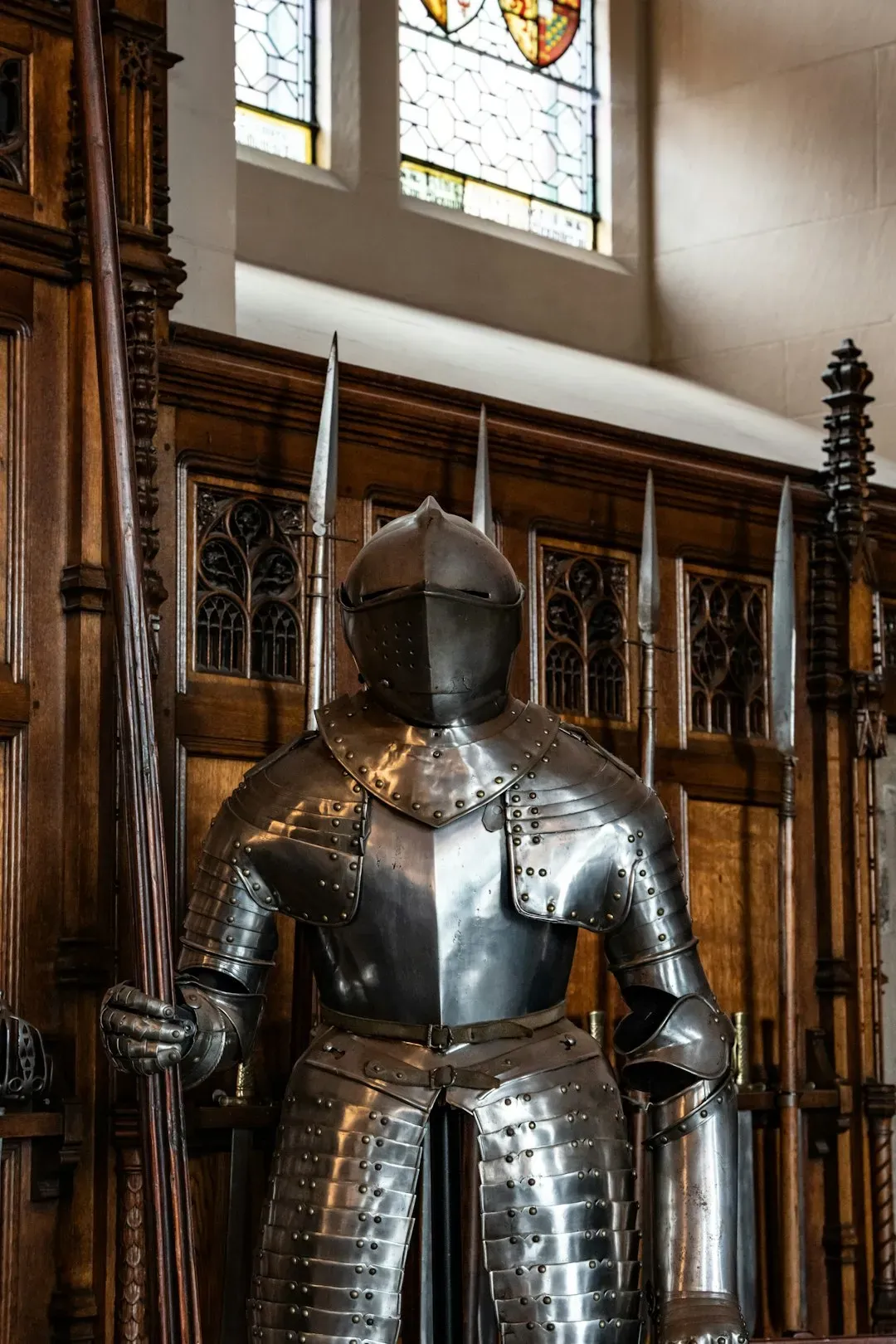
Dating back to 1313, an act of Parliament prohibits anyone from wearing armor inside the House of Commons or House of Lords. This law was passed at a time when political debates could easily turn violent, and armed nobles were not uncommon at the seat of power. The intent was to prevent intimidation and outright brawls within the halls of government. Medieval politics, folks. Different times.
The earls raised armed retinues and set up camp outside London. Edward responded with a 1313 statute that forbade any noble to bear armour or come armed to Parliament. This law hasn’t been broken recently. The last offender may have been the Earl of Lancaster, who insisted on arriving in military gear until at least 1319.
Today, the sight of someone in full medieval armor at Westminster would be laughable, yet the law remains technically active. It is a vivid reminder of a less stable era in British politics, when even lawmakers had to be protected from each other. The statute has never been officially repealed, so, at least on paper, it is still enforceable. Just in case anyone was planning a dramatic entrance.
5. It’s Illegal to Wear a Fake Mustache in Church If It Causes Laughter (Alabama, USA)

Crossing the Atlantic now, and things get no less strange. Under Alabama law, wearing a fake mustache in church is illegal if it results in laughter and disrupts the service. This unusual statute is part of broader public decency and disorderly conduct laws designed to maintain decorum in places of worship. While it may seem humorous at first glance, the intent behind the regulation is to preserve the solemnity and reverence of religious gatherings.
Think about it, someone at some point must have worn a fake mustache to church, caused such a scene that lawmakers felt they needed to write this down and make it permanent. These laws are not just rumors. Every single one comes straight from real statutes, city codes or state ordinances that are still officially in place.
Most of them are not enforced anymore, but technically, they are still the law of the land. That said, it’s probably wise to leave the novelty facial hair at home on Sunday. Just to be safe.
Partner offer

6. You Must Pronounce “Arkansas” Correctly, or You’re Breaking the Law (Arkansas, USA)


This one is genuinely wild. Arkansas has legislated the correct pronunciation of its name. According to the Arkansas Code, the name must be pronounced “Ark-an-saw” with a silent final “s.” This law emphasizes the state’s French heritage and distinguishes it from similarly spelled “Kansas.” Yes, mispronouncing a state’s name is technically a legal offense.
Nobody likes to have their name pronounced incorrectly, but Arkansas took it a step further by making it into law. If you’re not sure how to properly pronounce it, it is best to do your research in the state’s official code before visiting. It’s hard to say for sure how seriously anyone takes this today, but the wording remains.
The law is rarely enforced and is widely seen as a cultural statement rather than a criminal matter. Still, there is something both charming and absurd about a government that cares so deeply about linguistics that it legislated the sounds of its own name. That is commitment to branding.
7. Transporting a Gorilla in the Back Seat of a Car Is Illegal (Massachusetts, USA)

In the state of Massachusetts, it is officially illegal to transport a gorilla in the back seat of your vehicle. While the law is silent on front-seat primates, one might infer that riding shotgun is the legally preferred option for your simian companion. As quirky as this regulation sounds, it is a reminder that even the most unexpected scenarios can find their way into the law books.
I mean, honestly, what happened? What incident unfolded on Massachusetts roads that compelled lawmakers to grab a pen and write this down? The fact that the front seat apparently has no such restriction makes this even more delightful. Some odd American laws get a little more peculiar, as well as granular, perhaps even passed in response to a very specific local event.
There’s no documented modern enforcement of this one, and it would take quite a traffic stop to trigger it. Still, it sits quietly in the legal code. A monument to a very specific and presumably unforgettable incident on some long-ago Massachusetts highway.
8. Idaho Has a Law Against Cannibalism, With a Surprising Exception

Idaho holds the unique distinction of being the only U.S. state with a specific statute that criminalizes cannibalism. Under Idaho law, engaging in cannibalism is a felony punishable by up to 14 years in prison. However, the statute includes a narrow and unsettling exception: the act may be excused if it is determined to be necessary for survival during an extreme, life-threatening emergency.
Let’s be real, most people would agree that a law against cannibalism is not unreasonable. What makes this particularly fascinating is the fine print. The law allows for cannibalism “under life-threatening conditions as the only apparent means of survival.” Further, how Idaho defines cannibalism is the “nonconsensual” eating of someone else. Providing you have a friend that is totally cool with you eating their arm, it is not technically cannibalism or illegal in Idaho.
Deeply unsettling. Also somehow logical. This law reportedly made it onto the books specifically to address extreme wilderness survival scenarios, a nod to Idaho’s rugged landscape and frontier history. It remains in the state’s legal code to this day, unamended and, thankfully, rarely relevant.
9. Selling Chewing Gum Is Banned in Singapore


The sale of chewing gum in Singapore has been illegal since 1992. Some motivations for the ban included stopping the placement of used chewing gum in inappropriate and costly places, such as the sensors of subway doors, inside lock cylinders, and on elevator buttons. That’s not a rumor. It is very real, very enforced, and has its own dedicated chapter in Singapore’s legal code.
Once the ban was in force, anyone entering Singapore was required to declare any chewing gum in their possession at immigration checkpoints. In July and August 1991, gum stuck between MRT train doors caused the trains to stop as the doors could not close fully. These two incidents led to train disruptions with passengers having to disembark before the train could move again. That’s the moment the government had enough.
The ban has since been partially lifted, as some types of gum are allowable, such as gum chewed for dental health. However, the government refuses to completely lift the ban due to the risk of gum littering again. In February 1993, the average number of cases per day was just two, compared with 525 before the ban. It worked. Strange as it sounds, it genuinely worked.
10. It’s Illegal to Carry Ice Cream in Your Pocket on Sundays (Kentucky, USA)


This one sounds completely made up. It is not. Horse thieves reportedly used this sweet-smelling tactic as a sneaky method of stealing horses without technically “stealing” them. They would place ice cream cones in their back pockets and stroll past horses, particularly on Sundays when owners might be attending church services. The horses, drawn to the sweet scent, would follow the person with the treat. If caught with someone else’s horse, the thief could claim innocence because they never physically took the horse, it simply followed them home.
This created a legal loophole that apparently frustrated horse owners enough to inspire legislation. So the law was born out of a very specific brand of old-fashioned horse theft. Honestly, you have to admire the creativity of those thieves, even if lawmakers did not. As recently as 2024, similar statutes continue to appear in Kentucky’s official legal code.
Enforcement in the modern era is essentially zero, as there are not many horse-luring ice cream bandits roaming Kentucky streets anymore. Still, the law endures. A peculiar, sticky little footnote in American legal history that tells you more about 19th-century rural life than any textbook ever could.
The Laws That Outlived Their World

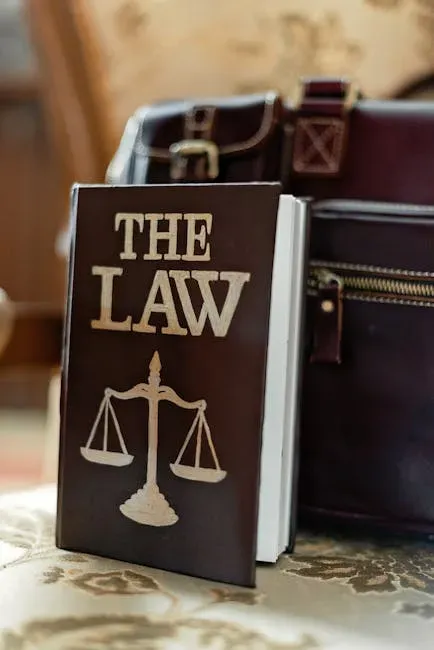
Here’s the thing about all of these laws. They were not written by fools. Almost every single one of them made complete sense at the time it was created. Horse thieves with ice cream, medieval knights crashing Parliament, salmon poachers in 1980s Britain, all of these were real problems that real people needed real solutions for. As society evolves, new laws are created in order for governments to adapt to the changing needs of their citizens. However, this means that many old laws become obsolete with these changes. While some get removed from the books or updated, some fly under the radar, staying active for years after their relevance has declined.
What makes them so fascinating in 2026 is not the absurdity on its face, but the window they open into the past. Each one is a tiny time capsule. A little snapshot of the fears, priorities, and daily chaos of a completely different world. Somewhere, buried under the paperwork of modern bureaucracy, a handful of dusty, long-forgotten laws are still hanging on. While technically legally binding, they are also absolutely baffling. These laws sit there quietly, half-forgotten, like a trapdoor left ajar in an old theater. Most were written for worlds that do not exist anymore, but somehow, they made it through centuries of reform untouched.
So next time you pop a stick of gum, wear a novelty mustache, or slip an ice cream cone into your back pocket on a Sunday, just know that somewhere, in some dusty corner of a legal archive, there is a statute with your name on it. Which of these laws surprised you the most? Drop your thoughts in the comments.
Partner offer
Planning a trip to Vegas?
Compare hotel rates and show tickets on VEGAS.com.


