Food culture this year felt different. I mean, we’re not just talking about odd flavor combinations anymore. We’ve crossed into territory where people genuinely debate whether a strawberry should cost twenty dollars or if babies should be eating rib-eye steaks. Let’s be real, 2025 has served up some seriously strange culinary moments that have left many of us scratching our heads while simultaneously reaching for our wallets or our phones to document the madness.
Luxury Strawberries at Twenty Bucks a Pop
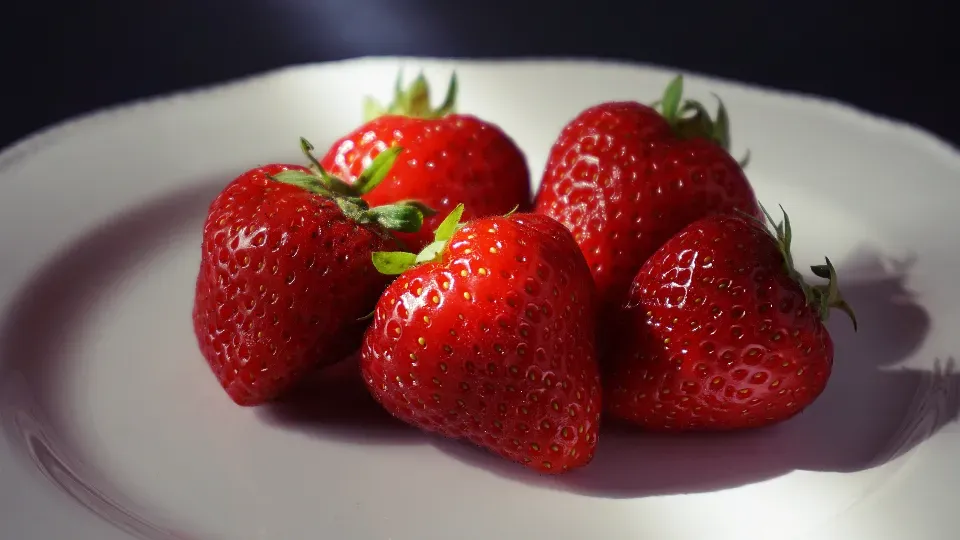
A Los Angeles grocery store stunned shoppers by selling a single strawberry for $19.99, imported from Japan and packaged in its own display case. This wasn’t just any fruit, mind you. Influencers praised its flavor, while critics dismissed the price as a social experiment. The whole thing sparked heated conversations online about whether we’ve officially lost our minds when it comes to food pricing. Some people joked it was still cheaper than eggs during certain parts of the year, which honestly says a lot about where we are right now. The phenomenon highlights how social media has turned even the most basic produce into luxury status symbols.
The Carnivore Baby Controversy
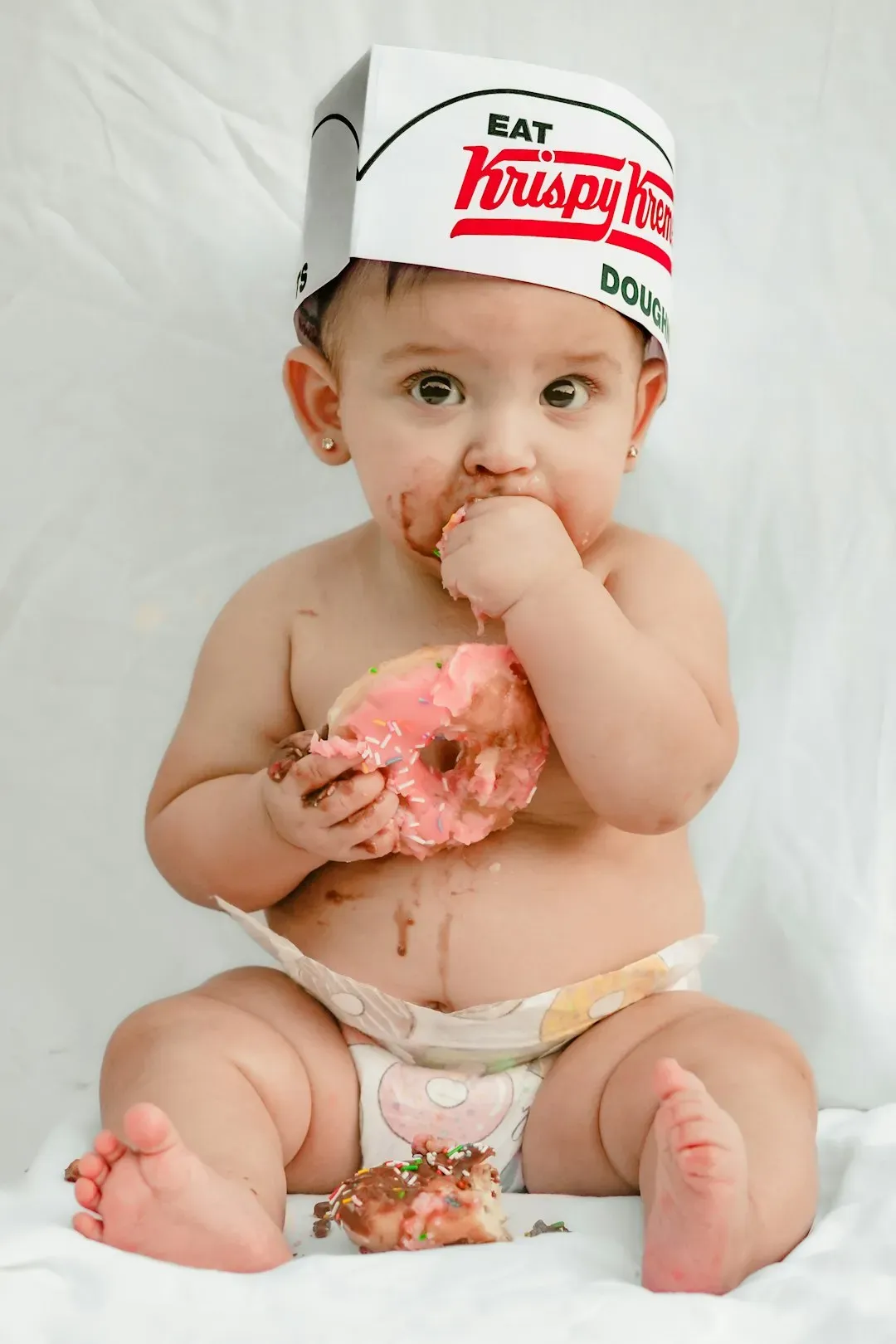
The controversial carnivore baby trend took off on social media, with some parents feeding infants butter, bone broth, sardines and even rib-eye steak instead of traditional baby food. Pediatric experts collectively lost their cool. While some doctors called the approach ancestral and nutrient-dense, many pediatric experts warned that cutting out fruits and vegetables could pose serious health risks for developing children. Watching tiny humans gnaw on chunks of meat feels like something from a dystopian cookbook. Yet here we are, in a timeline where feeding babies like tiny cavemen became a genuine movement that parents defended passionately online. The trend speaks volumes about how far some folks will go when wellness culture meets social media validation.
Fine Water Menus at Restaurants

Water became the new wine this year, which sounds absurd until you see it happening everywhere. At upscale restaurants, water became the new wine, with curated water menus offering sommelier guidance on mineral content, acidity and mouthfeel, with bottles priced from $11 to as much as $95. Think about that for a second. Nearly a hundred dollars for water. Driven in part by wellness trends and Gen Zers drinking less alcohol, the booming fine water movement sparked both fascination and ridicule as diners debated whether luxury water represented refined indulgence or was simply pretentious. I know it sounds crazy, but restaurants were genuinely hiring water sommeliers to guide customers through tasting notes. The whole scene felt equal parts impressive and completely unhinged.
Butter-Dipped Ice Cream Cones

The Connecticut-based Stew Leonard’s grocery store ignited social media debate after unveiling butter-dipped vanilla soft-serve cones, coating ice cream in melted butter for a crunchy, salty shell. Yes, you read that correctly. Ice cream dipped in butter. Some viewers were horrified while others were intrigued, with many admitting they were curious to try it. Store officials weren’t apologizing either, describing the creation as addictive and totally decadent. The internet couldn’t decide if this was culinary genius or a complete abomination. Honestly, the fact that it generated millions of views and endless arguments probably means it achieved exactly what it set out to do.
Parmesan Cheese Wedges as Protein Snacks
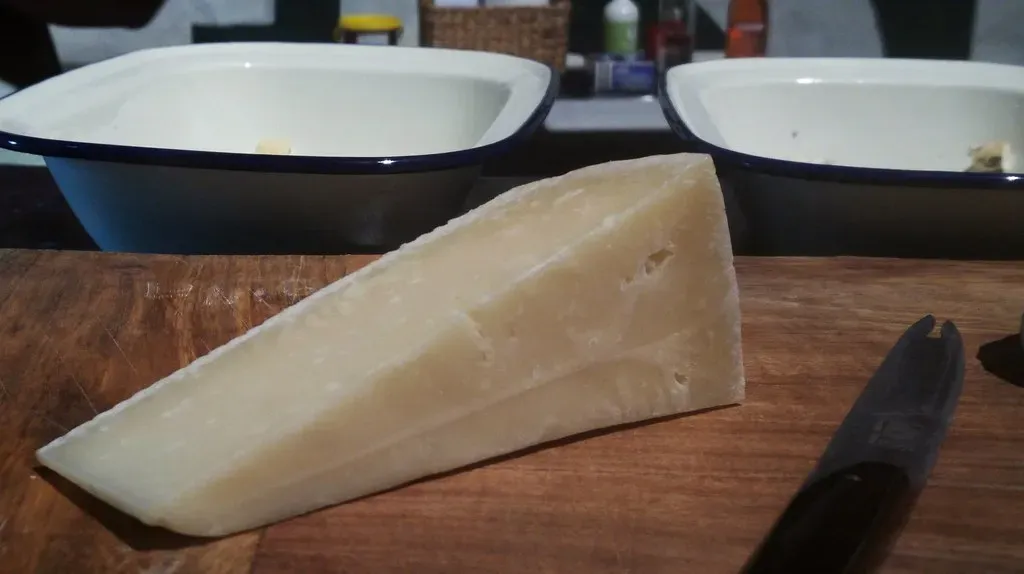
Viral trends promoted protein lattes, clear protein drinks and even Parmesan cheese wedges as cleaner whole-food alternatives to bars and powders, even as dietitians cautioned the craze is often driven by marketing and is easy to take too far. People started carrying around chunks of Parmesan like energy bars, munching on them between meetings or at the gym. The protein obsession reached fever pitch levels where folks convinced themselves that straight-up cheese wedges were somehow a revolutionary health hack. Nutritionists watched this unfold with a mixture of amusement and concern, pointing out that moderation exists for a reason. Still, social media thrived on the spectacle of fitness influencers biting into solid blocks of cheese and calling it wellness.
Partner offer
Dubai Chocolate Mania
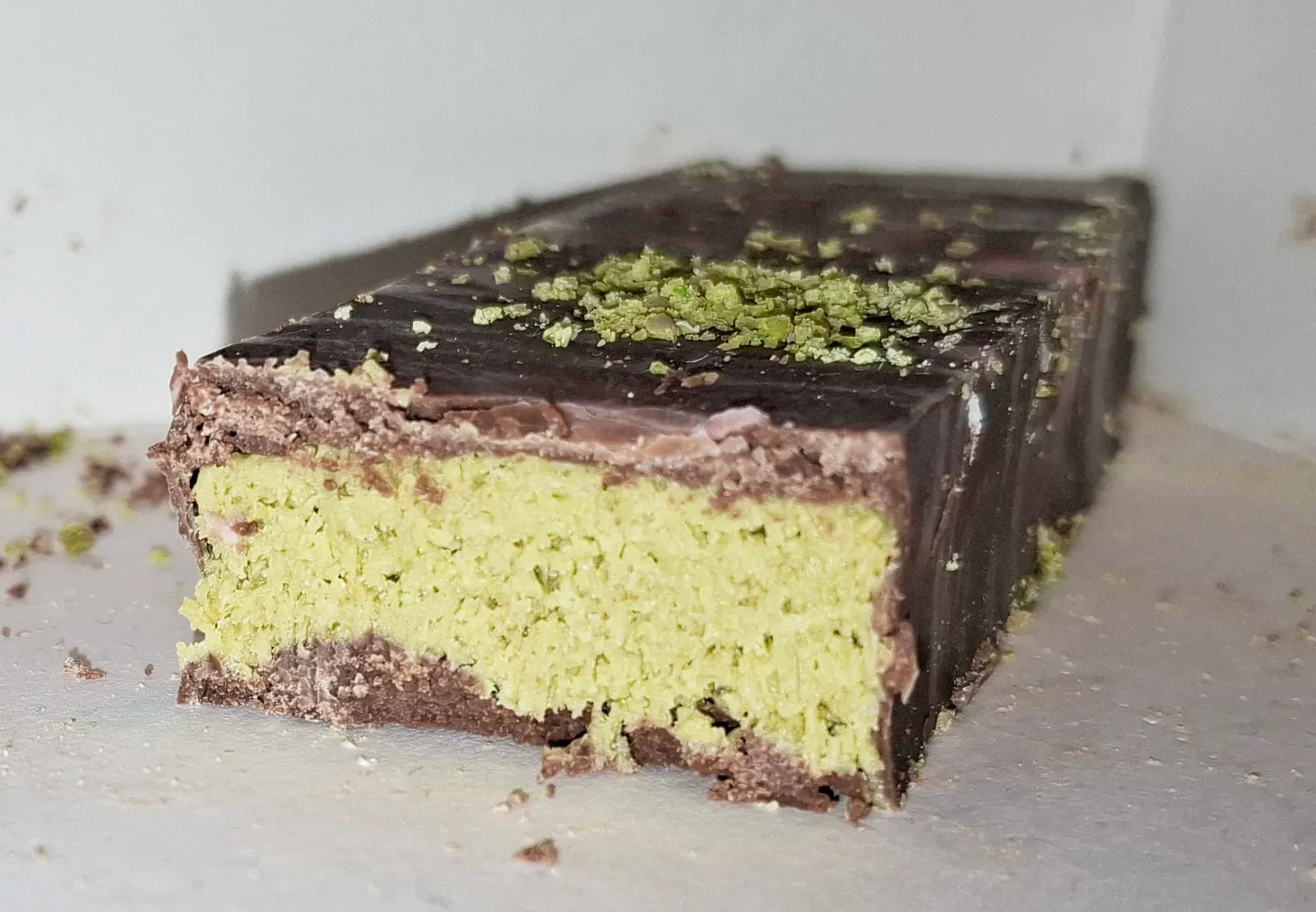
The Dubai chocolate trend made for a groovy ASMR experience, with alien-green pistachio filling that turned out to be far crunchier than expected thanks to shreds of baked phyllo dough, and it seemed like you couldn’t pop open a social media app without seeing a dozen reshares of yet another candy fan cracking into a bar they’d ordered from overseas. This dessert became absolutely inescapable. When U.S. candy crafters caught onto the movement, there was suddenly a version of Dubai chocolate in every shop on the block, from Costco to Walmart. The satisfying crack of the chocolate shell, the vibrant green interior, the texture contrast – it all played beautifully on camera and drove people into a buying frenzy. Before long, every bakery and chocolate shop had their own spin on the concept.
BeanTok and the Two-Cup-a-Day Movement
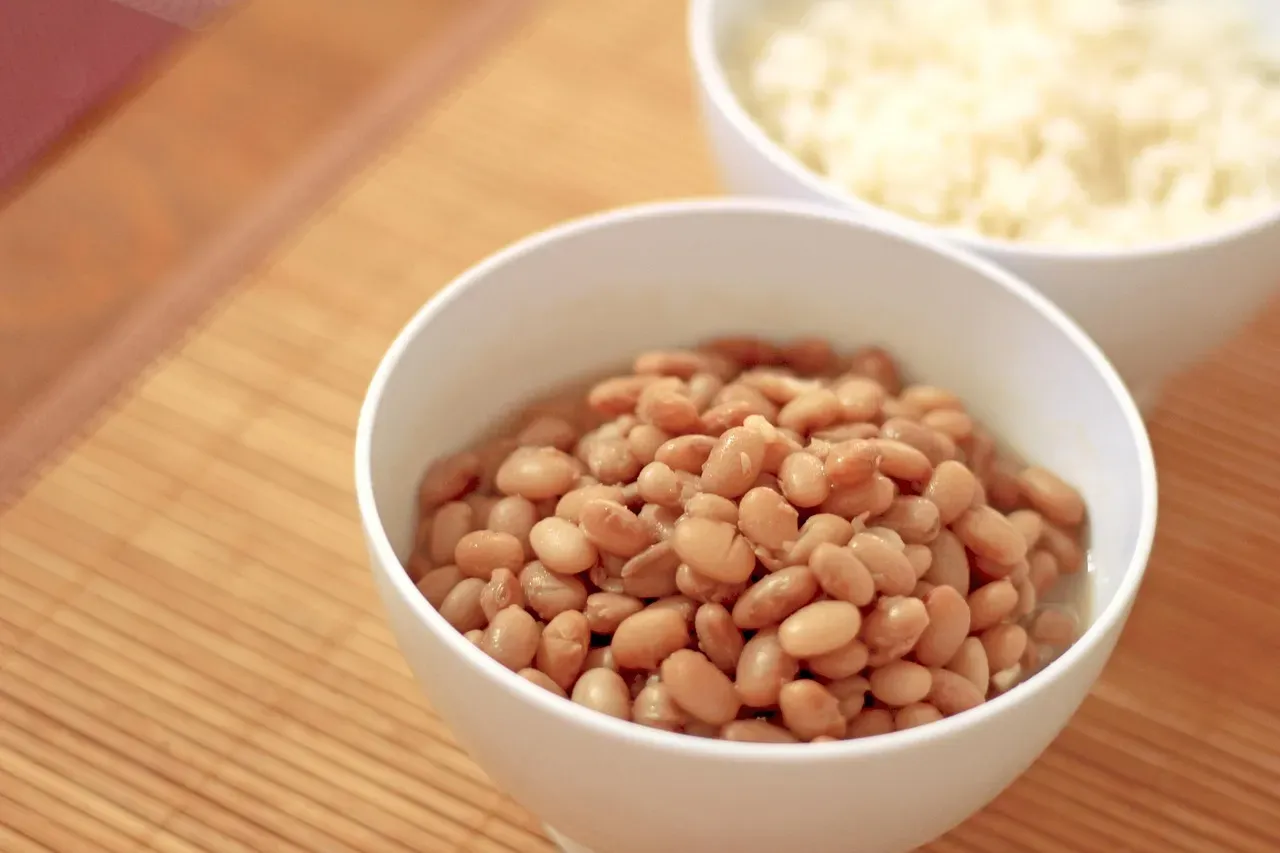
BeanTok gained traction as TikTok users claimed that eating about two cups of beans a day improved digestion, mood and appetite control. The humble bean suddenly became a wellness superstar, with creators sharing elaborate bean bowl recipes and tracking their digestive improvements like science experiments. People who had never given beans a second thought were suddenly meal-prepping massive batches and documenting their fiber journeys online. Experts acknowledged that beans are genuinely nutritious and high in fiber, making this one of the less harmful viral trends. Still, watching the internet collectively obsess over legumes felt surreal in its own right.
Pickle Everything Movement
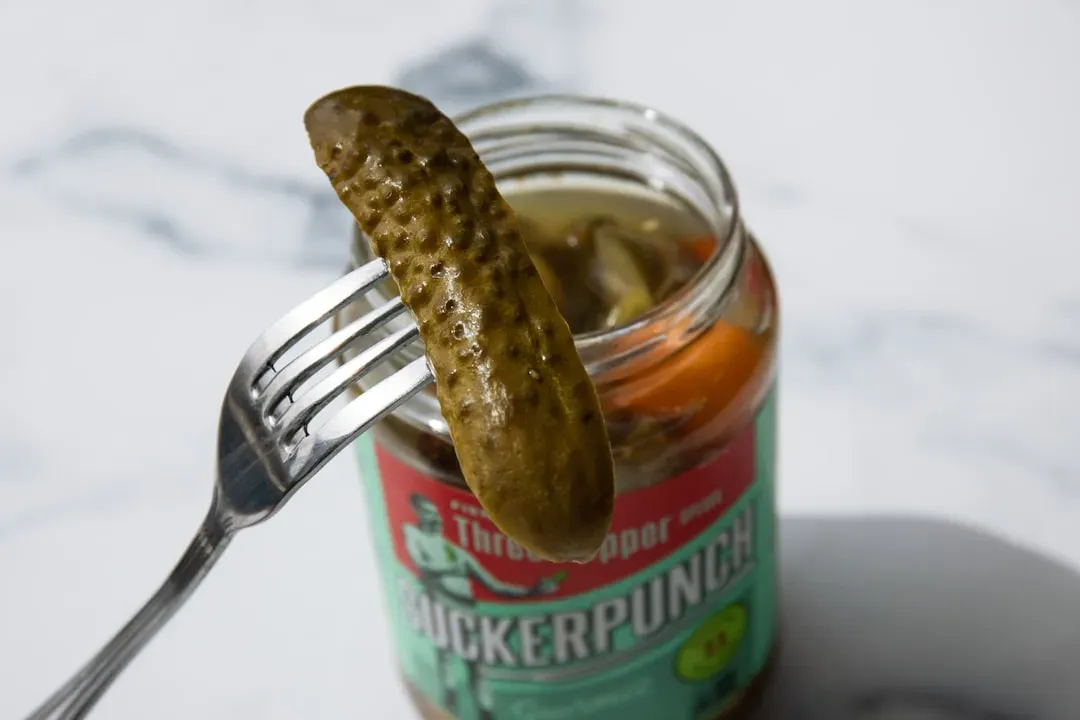
Pickles were everywhere in 2025, whether you love them or not, with pickle-flavored snacks popping up everywhere and some fast-food chains even replacing bread with pickle halves to make sandwiches. The pickle obsession reached absurd heights. Popeyes launched an entire pickle menu, which featured everything from fried pickles to pickle-glazed wings, with the real star being the chain’s Pickle Lemonade, which was equal parts sweet and salty. Restaurants experimented with pickle-brined chicken, pickle pizza, pickle ice cream – basically, if it could be pickled or pickle-flavored, someone tried it. The tangy, briny flavor profile dominated taste buds all year long, dividing people into passionate pickle lovers and horrified skeptics.
Freeze-Dried Candy Explosion
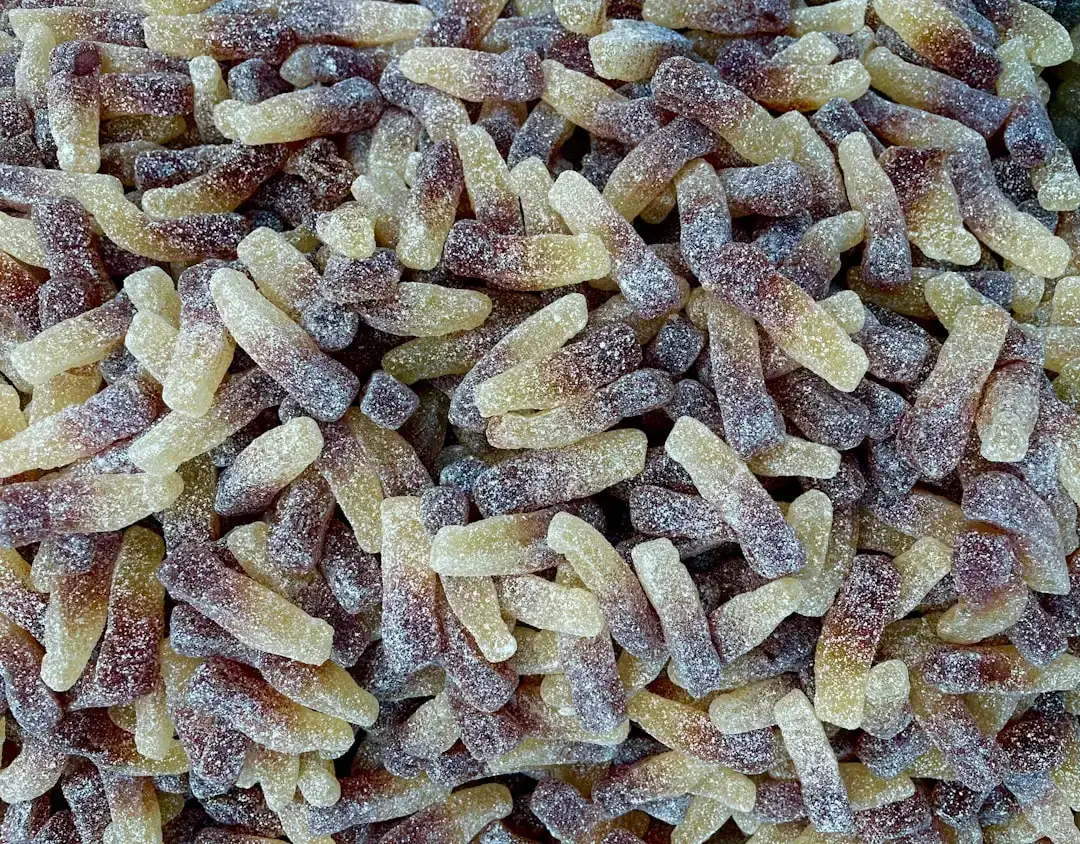
Thanks to advancements in freeze-drying technology that make it more energy efficient and affordable, we’re welcoming a new era of delightful freeze-dried treats, ranging from freeze-dried gummy bears and peach rings to cheesecake bites, with freeze-drying removing all moisture from food and imparting a Lucky Charms marshmallow-like crunch while enlarging the food and concentrating its flavor. This trend exploded on TikTok as people discovered the satisfying crunch and intensified flavors. What used to be camping food technology suddenly became a viral snack sensation. Candy shops dedicated entire sections to freeze-dried versions of classic sweets, and people went wild for the texture transformation. It was weird, it was crunchy, and it was absolutely everywhere.
The Protein Obsession Gone Wild
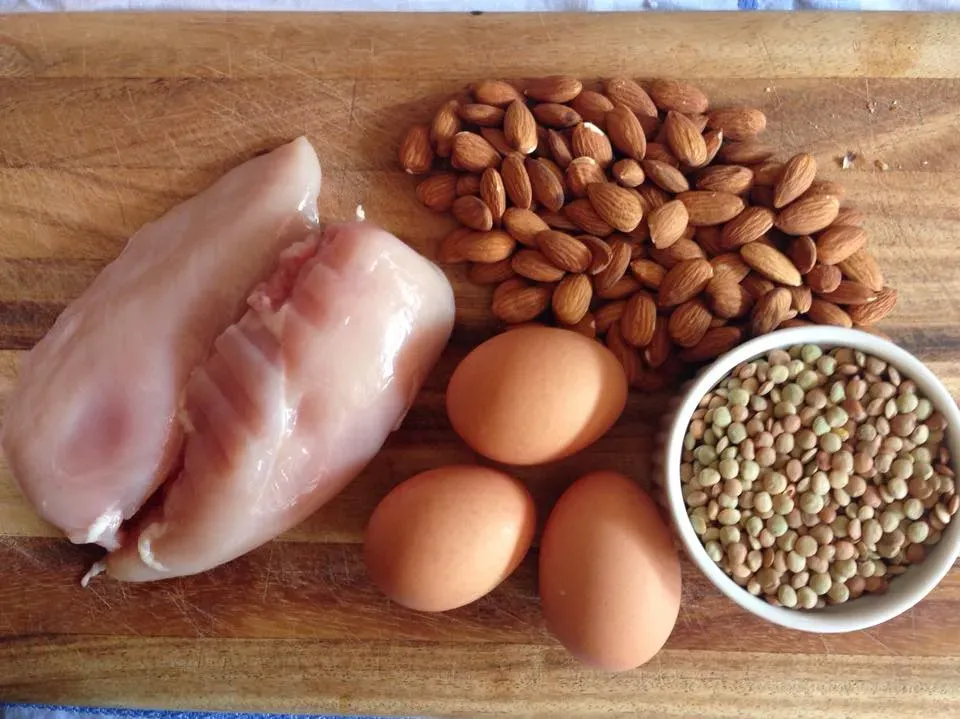
The protein obsession continued throughout 2025, spilling far beyond shakes and bars into everyday foods and drinks, with viral trends promoting protein lattes, clear protein drinks and even Parmesan cheese wedges as cleaner whole-food alternatives to bars and powders, even as dietitians cautioned the craze is often driven by marketing and is easy to take too far. Brands slapped protein labels on everything from ice cream to cereal to pancake mix. The marketplace became saturated with protein-enhanced products, some genuinely useful and others purely marketing gimmicks. People started calculating their protein intake down to the gram, convinced that more was always better. Nutritionists spent the year repeatedly reminding everyone that most Americans already consume plenty of protein, but the trend steamrolled forward regardless. Social media fueled the fire with transformation posts and fitness influencers promoting ever-higher protein targets.
The food trends of 2025 told a fascinating story about where we are as a culture. We’re obsessed with health but also indulgence. We crave authenticity yet chase viral moments. We’ll pay absurd prices for luxury experiences while simultaneously looking for the cheapest protein hack. These contradictions played out on our plates and screens throughout the year, creating a food landscape that felt simultaneously exciting and completely bonkers. What did you think about these wild trends? Did you try any of them, or did you watch from a safe distance while the internet lost its collective mind over butter-dipped ice cream?
Partner offer
Planning a trip to Vegas?
Compare hotel rates and show tickets on VEGAS.com.