Picture this: thousands of people united under open skies, the bass vibrating through your chest, and that electric feeling when your favorite artist takes the stage. Music festivals have become more than just concerts. They’re cultural phenomena, bucket-list experiences, and honestly, some of the most unforgettable moments you’ll ever have.
From desert raves to muddy fields in Europe, these gatherings represent the pinnacle of live music experiences. Some have been running for decades, shaping entire generations of music lovers. Others burst onto the scene with such force that they instantly became legendary. What makes a festival truly iconic though? It’s that perfect storm of killer lineups, jaw-dropping production, and an atmosphere you just can’t replicate anywhere else. Ready to discover which festivals have earned their place in music history? Let’s dive in.
Glastonbury Festival – The Muddy Mecca of England
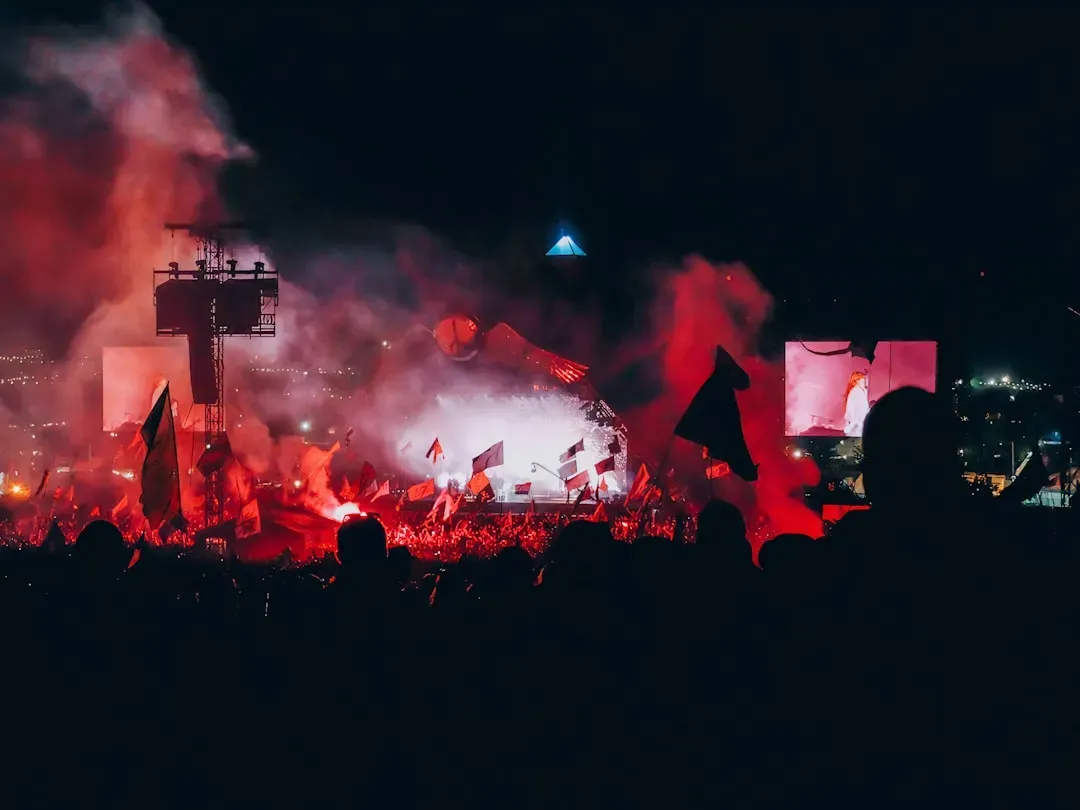
Glastonbury isn’t just a festival. It’s a rite of passage for British music fans and a pilgrimage site for festival-goers worldwide. Nestled on a farm in Somerset, England, this behemoth has been running since 1970, though it takes occasional fallow years to let the land recover. The iconic Pyramid Stage has hosted everyone from David Bowie to Beyoncé, and honestly, if you haven’t played Glastonbury, have you really made it?
The festival is famous for its unpredictable weather, which often transforms the 900-acre site into a glorious mud bath. Yet somehow, that’s part of the charm. With over 200,000 attendees descending on Worthy Farm each June, it’s become synonymous with British summer culture. The festival also champions social causes and sustainability, making it feel purposeful beyond just the music.
What sets Glastonbury apart is its sheer scale and diversity. You’ll find everything from hip-hop to heavy metal, electronic music to folk, all coexisting in this temporary city. The Stone Circle area offers a spiritual retreat, while Shangri-La provides a dystopian party playground. It’s overwhelming, exhausting, and absolutely magical.
Coachella Valley Music and Arts Festival – Desert Dreams Come True
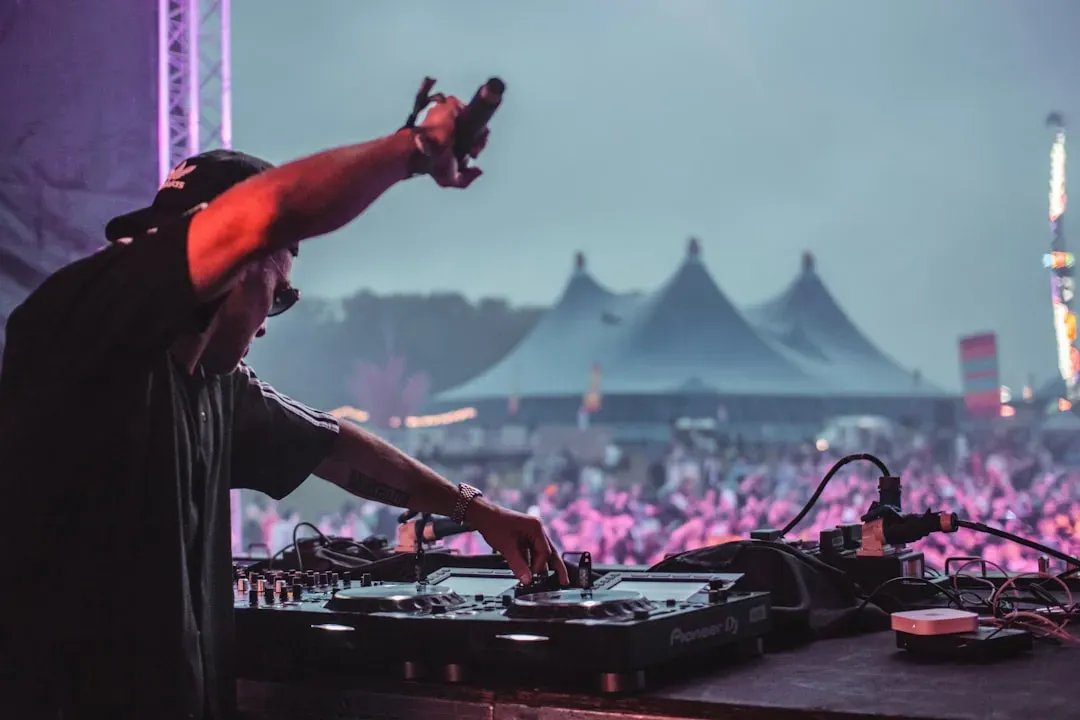
Coachella transformed the California desert into the world’s most Instagram-worthy music event. Taking place annually in Indio, California, this festival has become as much about fashion and celebrity sightings as the music itself. The festival’s distinctive art installations and that famous Ferris wheel create a dreamlike atmosphere against the backdrop of the San Jacinto Mountains.
Since 1999, Coachella has consistently delivered groundbreaking performances and reunion shows that break the internet. The festival runs over two identical weekends in April, giving twice as many people the chance to experience it. However, weekend one typically attracts the influencers and celebrities, while weekend two is considered more relaxed and music-focused.
The desert setting creates unique challenges and opportunities. Scorching daytime heat gives way to surprisingly chilly nights, and dust storms occasionally sweep through the grounds. Still, there’s something undeniably special about watching the sunset during a perfect set, palm trees swaying, with that golden hour light making everything look cinematic.
Tomorrowland – Electronic Music’s Fantasy Kingdom
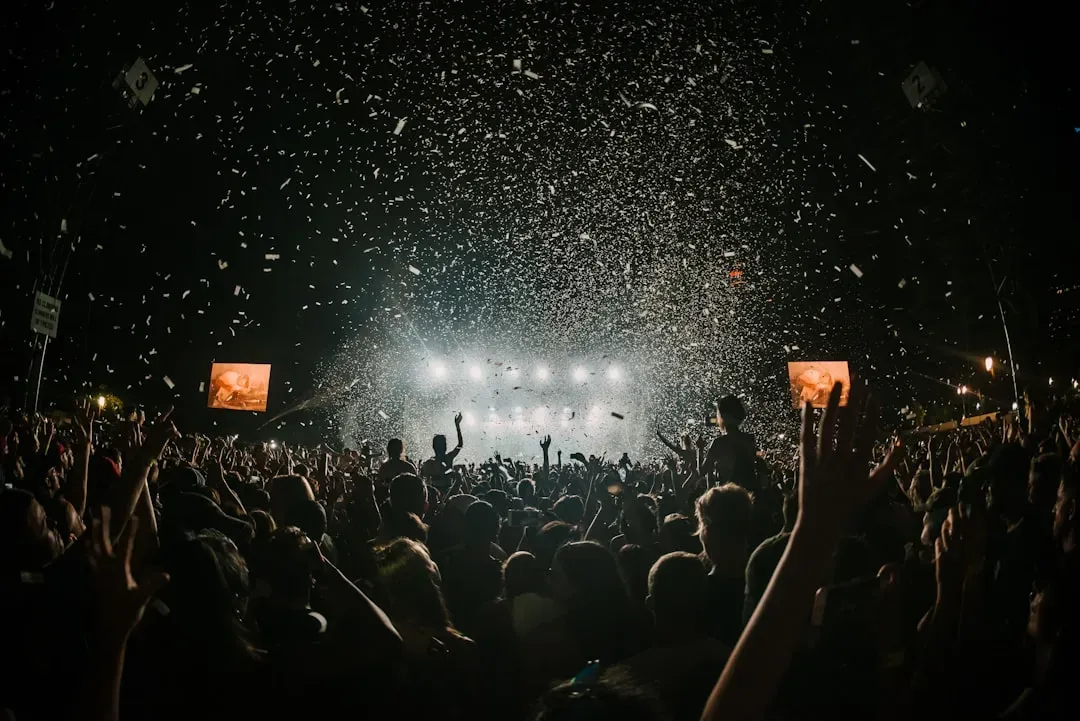
Belgium might not be the first place you’d expect to find the world’s most spectacular electronic music festival, but Tomorrowland proves expectations wrong. Held in the town of Boom, this festival has elevated stage design and production to an art form. Each year brings a new theme, with stages that look like they’ve been plucked from fairy tales or science fiction movies.
The attention to detail is obsessive. Tomorrowland creates entire worlds, complete with actors, storylines, and set pieces that would make Hollywood jealous. The main stage alone costs millions to construct and features effects that leave even seasoned festival-goers speechless. It’s hard to say for sure, but the production value here might just be unmatched anywhere in the world.
Tickets sell out in minutes, with fans from over 200 countries attempting to secure their spot. The festival has become so popular that it now spans two weekends, and there’s even a winter edition in the French Alps. For electronic music fans, Tomorrowland represents the ultimate pilgrimage, a place where the music and visuals combine to create pure escapism.
Burning Man – Where Art Collides with Anarchy
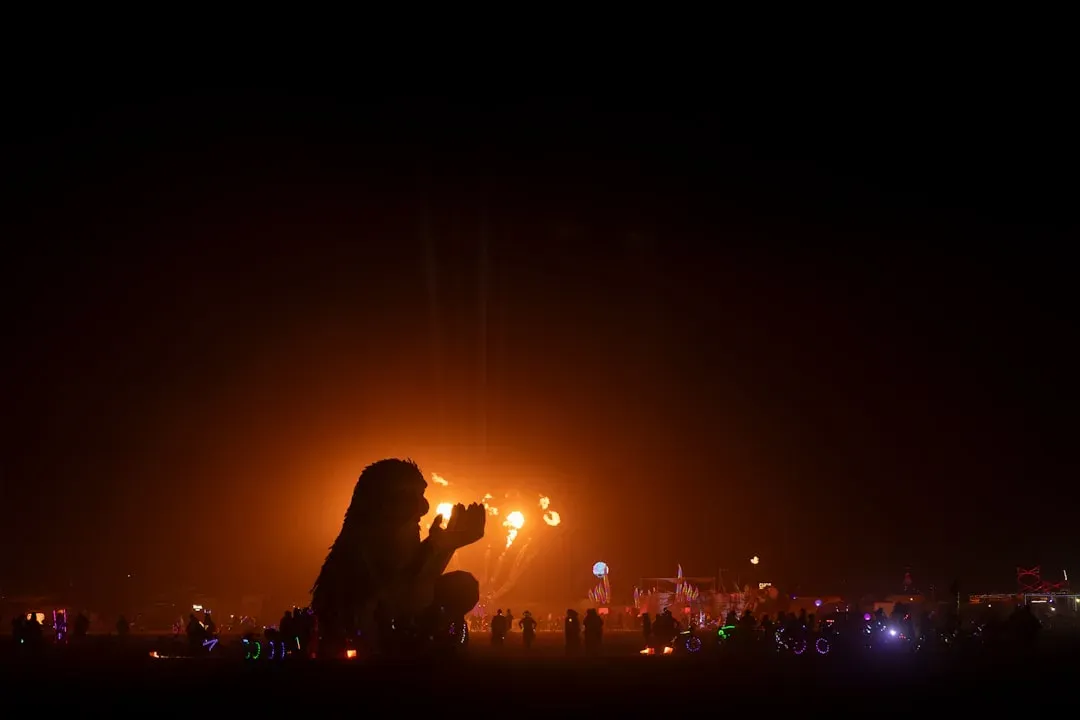
Calling Burning Man a music festival feels almost reductive. This week-long experiment in radical self-expression happens annually in Nevada’s Black Rock Desert, creating a temporary city of roughly 70,000 people. There are no vendors, no advertisements, and officially no money changing hands. Everything operates on a gift economy and the principle of radical self-reliance.
The music here is constant but decentralized. Art cars blast beats as they cruise the playa, and camps host legendary DJs in sound systems that rival major nightclubs. The centerpiece is the burning of a massive wooden effigy on Saturday night, a cathartic ritual that draws the entire community together. Dust storms, extreme temperatures, and the harsh desert environment make this one of the most challenging festival experiences imaginable.
Let’s be real, Burning Man isn’t for everyone. It requires serious preparation, physical endurance, and a willingness to embrace discomfort. Yet those who attend often describe it as life-changing, a place where creativity runs wild and normal societal rules dissolve. The festival’s ten principles, including radical inclusion and leaving no trace, create a unique culture that extends far beyond the event itself.
Lollapalooza – Chicago’s Summer Soundtrack
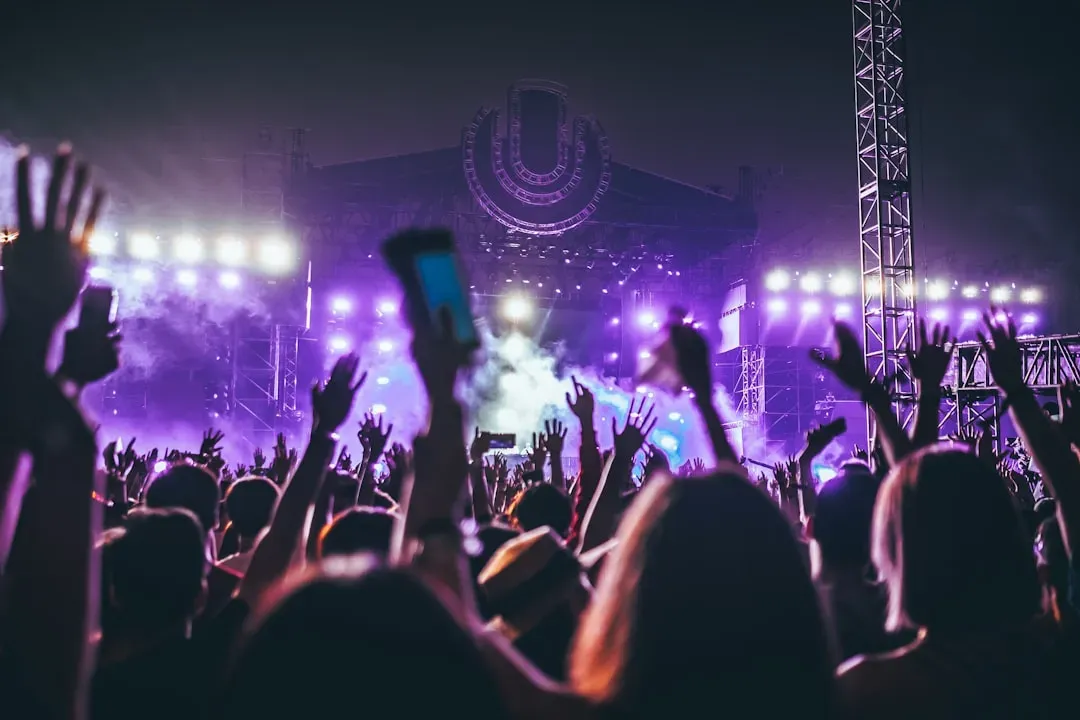
Lollapalooza started as a touring festival in 1991, the brainchild of Jane’s Addiction frontman Perry Farrell. After various incarnations, it found its permanent home in Chicago’s Grant Park in 2005 and hasn’t looked back. The festival’s four-day run in early August has become a defining moment in Chicago’s summer calendar, attracting hundreds of thousands to the shores of Lake Michigan.
The festival’s genre diversity is impressive. You’ll catch everything from indie rock to hip-hop, electronic to alternative, often with major headliners spanning multiple generations. The setting in Grant Park provides a stunning backdrop, with the Chicago skyline creating perfect sunset photo opportunities. Multiple stages ensure there’s always something happening, though the crowds can make stage-hopping a strategic exercise.
What makes Lollapalooza special is how it’s woven into Chicago’s identity. The city embraces the festival, and the festival embraces the city. Local food vendors showcase Chicago’s culinary scene, and the event feels less like an invasion and more like a celebration. Sure, it’s commercialized and mainstream, but there’s still that underlying alternative spirit from its early days.
Fuji Rock Festival – Japan’s Mountain Music Paradise
Deep in the mountains of Niigata Prefecture, Fuji Rock Festival offers something distinctly different from its Western counterparts. Japan’s largest outdoor music event takes place at the Naeba Ski Resort, transforming ski slopes into stages each July. The natural setting is breathtaking, with forests, rivers, and mountain vistas creating an almost mystical atmosphere.
The festival’s commitment to environmental responsibility sets a standard others should follow. Attendees meticulously sort their trash, stages are powered by green energy where possible, and there’s a genuine respect for the natural surroundings. The Japanese attention to detail extends to every aspect, from the immaculate facilities to the perfectly organized transportation systems.
Musically, Fuji Rock brings together international headliners and Japanese acts, creating a unique East-meets-West vibe. The crowd behavior is notably different too, with people actually sitting down between songs and maintaining respectful distances. It sounds crazy, but you’ll find hot springs and traditional Japanese food stalls alongside the rock stages, making this festival unlike any other.
Rock in Rio – Brazil’s Massive Music Celebration
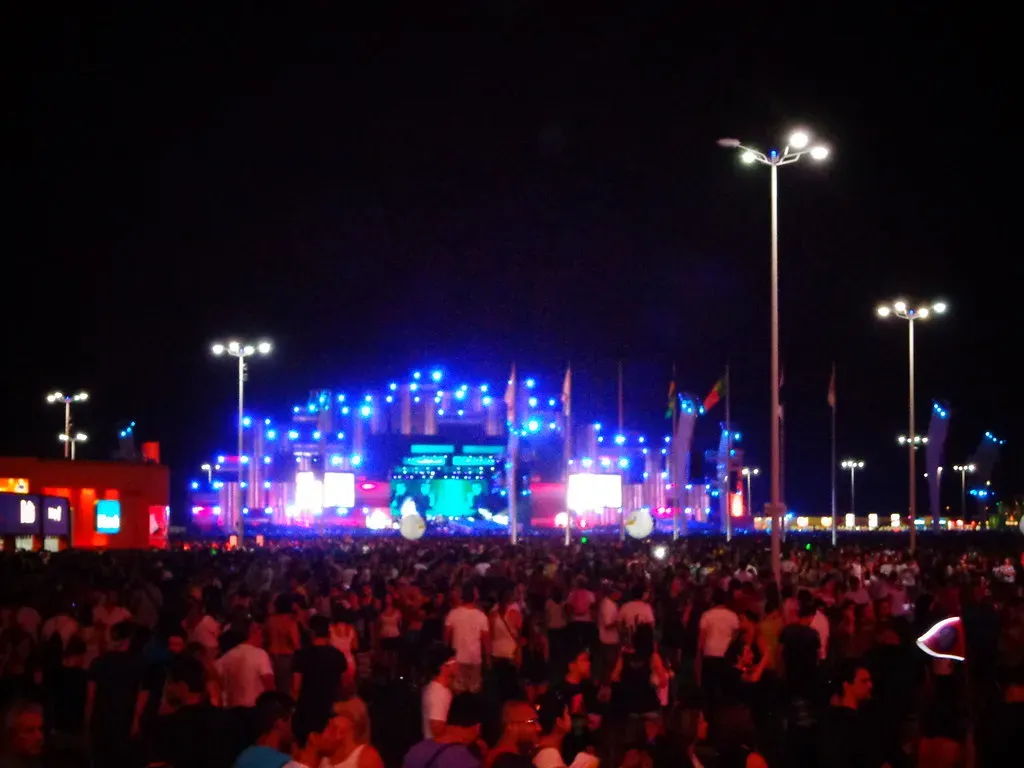
When Rock in Rio launched in 1985, over a million people attended across ten days, making it one of the largest music events in history. Though it started in Rio de Janeiro, the festival has since expanded to Lisbon and occasionally other cities, but the Brazilian edition remains the most iconic. The sheer scale is mind-boggling, with massive stages, elaborate production, and lineups that span rock, pop, metal, and electronic music.
The festival happens in the purpose-built Olympic Park, a space that can accommodate over 100,000 people per day. Rock in Rio has always attracted the biggest names in music, from Queen’s legendary performance in the first edition to recent headliners like Iron Maiden and Lady Gaga. The Brazilian crowd brings an infectious energy that’s become legendary among performers.
What’s remarkable is how Rock in Rio has maintained its relevance across decades. It doesn’t happen annually, instead running every two years, which creates anticipation and keeps each edition feeling special. The festival also emphasizes social responsibility, implementing sustainability initiatives and supporting various charitable causes.
Roskilde Festival – Denmark’s Democratic Music Gathering
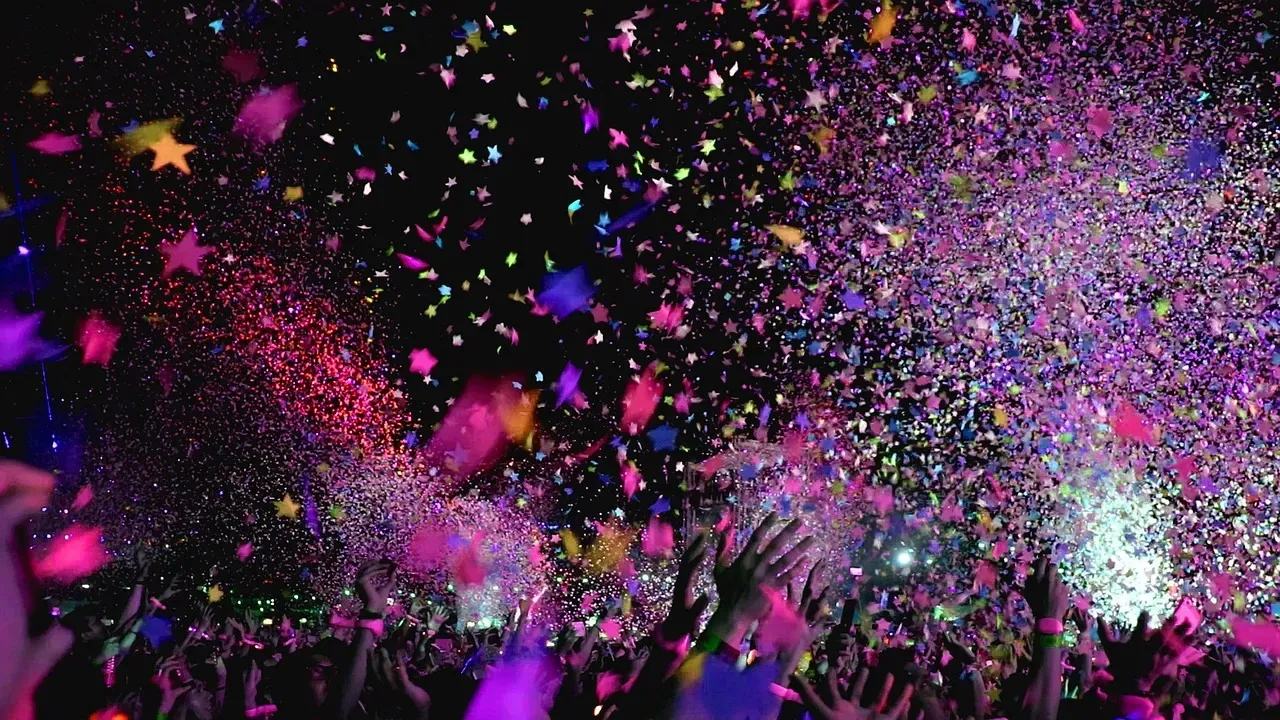
Roskilde has been running since 1971, making it one of Europe’s oldest major festivals. What sets it apart is its non-profit structure. All proceeds go to cultural and humanitarian causes, which creates a different vibe from purely commercial events. Located just outside Copenhagen, the festival attracts roughly 130,000 attendees each summer for eight days of music, camping, and communal living.
The festival’s democratic ethos extends to its operations. It’s run largely by volunteers, creating a sense of community ownership and participation. The lineup typically balances massive international headliners with emerging Scandinavian talent, and the programming is adventurous, often featuring experimental acts you won’t find at more mainstream festivals.
Roskilde’s infamous orange stage has witnessed countless legendary performances. The atmosphere combines the best of Scandinavian egalitarianism with festival chaos. Sure, the weather can be unpredictable and the Danish prices are eye-watering, but there’s something pure about a festival where profit isn’t the primary motive.
Primavera Sound – Barcelona’s Urban Music Oasis
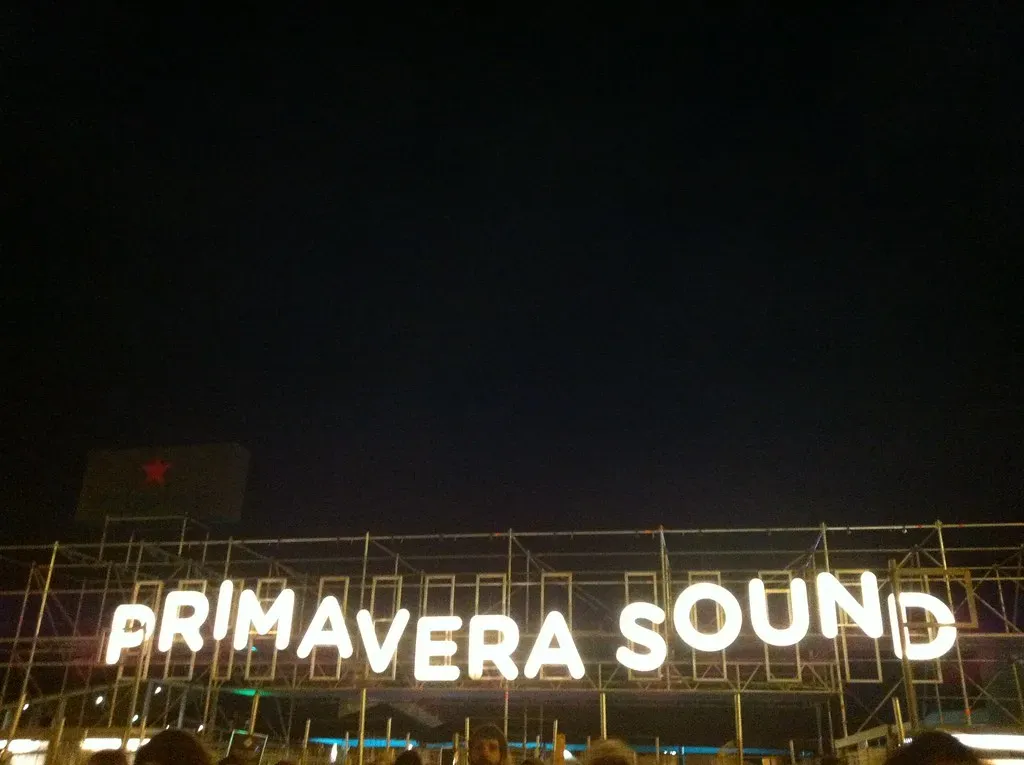
Primavera Sound has earned its reputation as one of the world’s most carefully curated festivals. Taking place in Barcelona each late May and early June, it combines an incredible beachside location with programming that consistently pushes boundaries. The festival’s commitment to gender equality in its lineup has set a new standard for the industry, proving diversity and quality aren’t mutually exclusive.
The festival sprawls across the Parc del Fòrum, with stages offering views of the Mediterranean Sea. Unlike many festivals that force you to choose between acts, Primavera’s schedule is designed to minimize conflicts between popular artists. The festival runs late into the night, with music continuing until sunrise, perfectly matching Barcelona’s nocturnal culture.
What makes Primavera special is its refusal to play it safe. The lineup balances established legends with cutting-edge new artists, indie darlings with experimental noise acts. It attracts a more mature, music-obsessed crowd that genuinely cares about discovering new sounds. Plus, you’re in Barcelona, which might just be Europe’s most beautiful city.
Splendour in the Grass – Australia’s Premier Music Weekend
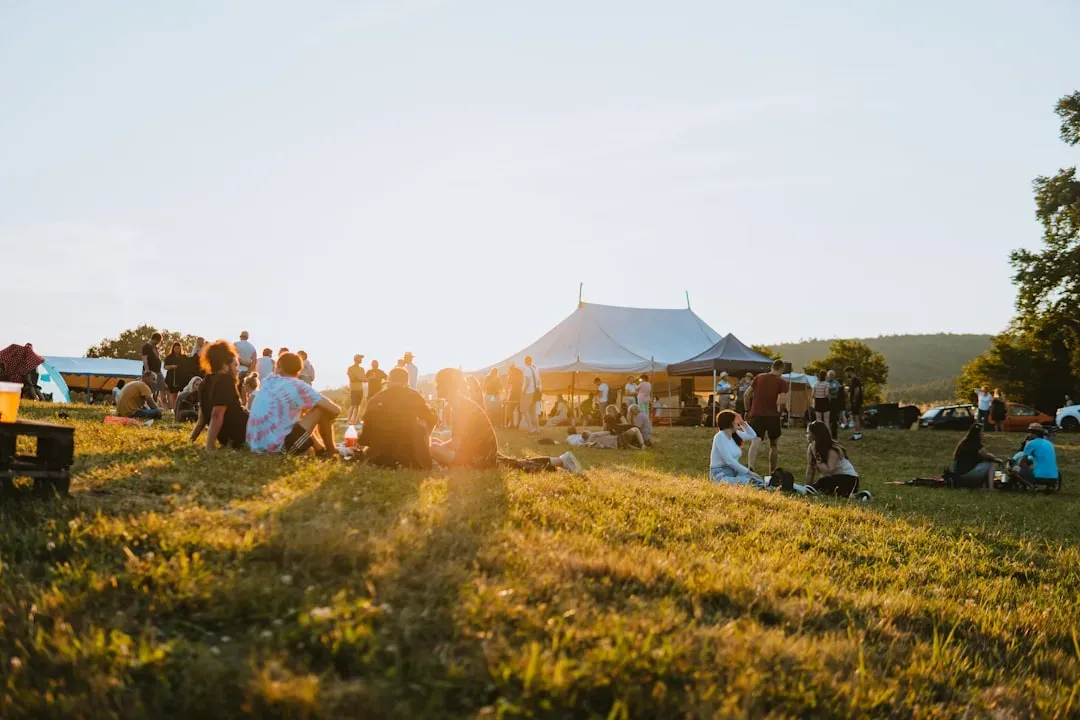
Down under, Splendour in the Grass has become Australia’s most prestigious music festival. Held annually in Byron Bay, New South Wales, this three-day event takes place on a stunning farm site each July. The festival consistently brings major international acts to Australia while showcasing the country’s thriving local music scene.
The Byron Bay location adds a laid-back, coastal vibe that’s distinctly Australian. Festival-goers camp on-site or in nearby towns, and the atmosphere balances party energy with that relaxed Aussie attitude. The festival has weathered its share of challenges, from mud baths to evacuation orders, but it remains a fixture on Australia’s cultural calendar.
Splendour’s lineup typically spans rock, indie, electronic, and hip-hop, with a focus on acts that Australian audiences might not otherwise get to see. The production values rival any international festival, and the addition of comedy and other entertainment makes it more than just a music event. For Australians and visitors alike, it’s become an essential winter experience.
Exit Festival – A Fortress of Music and Freedom
Few festivals can claim they started as a student protest for peace and democracy, but Exit Festival can. Born in 2000 during Serbia’s political upheaval, the festival takes place in the Petrovaradin Fortress overlooking the Danube River in Novi Sad. The fortress setting is spectacular, with music echoing through centuries-old stone walls and ramparts.
Exit has grown into one of Europe’s major festivals while maintaining its social consciousness. Multiple stages spread throughout the fortress, each with its own character, from the massive main stage to intimate dance arenas. The festival’s commitment to activism remains, with various initiatives supporting social causes and promoting positive change.
The atmosphere combines Balkan hospitality with international festival energy. Ticket prices are remarkably affordable compared to Western European festivals, and the Serbian setting offers a glimpse into a part of Europe many festival-goers haven’t explored. Exit proves that a festival can be both commercially successful and socially meaningful.
Ultra Music Festival – Miami’s Electronic Empire
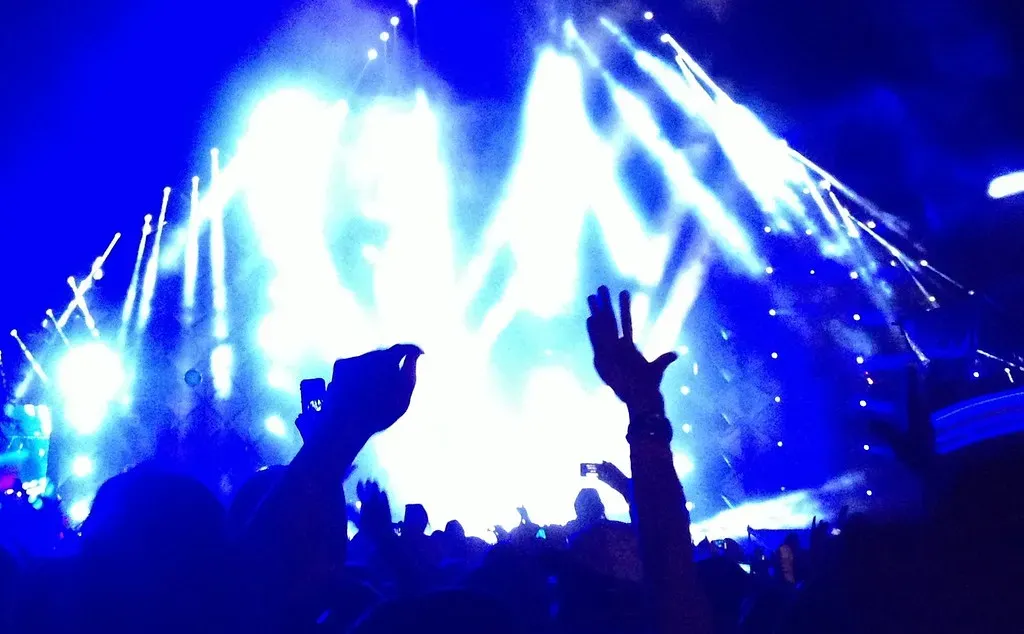
When it comes to pure electronic music spectacle, Ultra Music Festival in Miami sets the bar impossibly high. Taking place each March in downtown Miami’s Bayfront Park, Ultra brings together the world’s top electronic music artists and DJs for three days of non-stop dancing. The festival’s main stage productions are legendary, featuring LED screens, pyrotechnics, and visual effects that cost millions.
Ultra has become synonymous with EDM culture, for better or worse. The festival helped propel electronic music into the mainstream American consciousness and created the template for countless imitators. Miami during Ultra week transforms into a global dance music capital, with parties and events happening across the city.
The crowd here is younger and more international than many American festivals. You’ll hear dozens of languages, see elaborate costumes, and witness festival culture at its most uninhibited. Critics might call it excessive or commercialized, and they wouldn’t be entirely wrong. Still, if you’re looking for the full electronic music festival experience, with all its glory and chaos, Ultra delivers.
Conclusion
These twelve festivals represent the pinnacle of live music experiences, each offering something unique that can’t be replicated anywhere else. From muddy English fields to pristine Japanese mountains, from desert art experiments to urban Barcelona beaches, they’ve shaped music culture and created memories for millions. Sure, they vary wildly in philosophy, scale, and genre focus, but they all share that magical ability to bring people together through the universal language of music.
What’s your take on these legendary festivals? Have you been lucky enough to experience any of them, or is there one you’re desperate to attend? Drop your thoughts in the comments and tell us which festival tops your bucket list.