We’ve all been there. You sit down to watch a movie everyone raved about, the one that supposedly changed cinema forever, and halfway through you’re checking your phone wondering when it gets good. Critics loved it. Your friends wouldn’t shut up about it. Awards were thrown at it like confetti. Yet here you are, confused and underwhelmed.
The truth is, some films get elevated to legendary status for reasons that have little to do with actual quality. Sometimes it’s timing, sometimes it’s nostalgia, and sometimes it’s just because everyone’s afraid to admit the emperor has no clothes. These thirteen movies earned mountains of praise, but looking back (or even during that first viewing), the hype far exceeded the reality. Let’s be real about what these films actually delivered.
Avatar (2009)
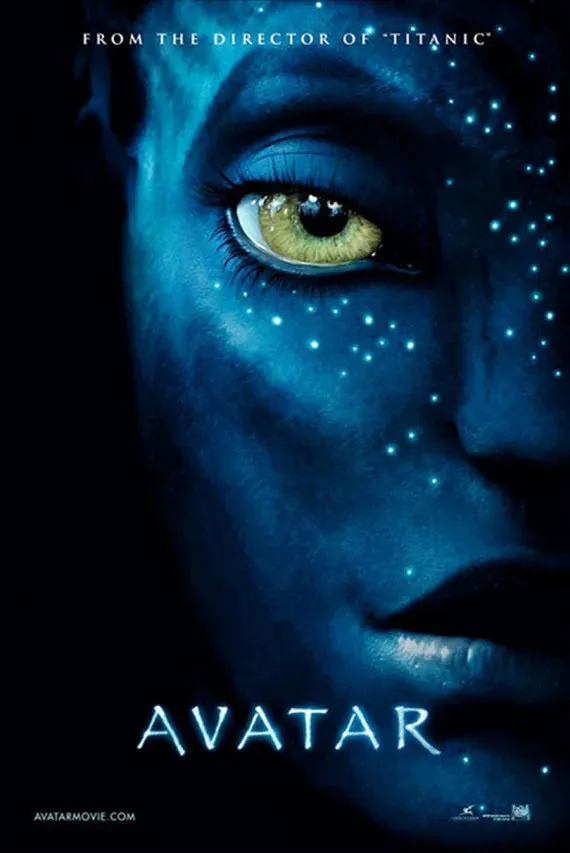
James Cameron’s visual spectacle made historic box office numbers and impressed audiences with groundbreaking 3D technology. The story, however, was basically Pocahontas in space with blue aliens. Strip away the stunning visuals and motion capture wizardry, and you’re left with a painfully predictable plot about noble natives versus greedy corporations.
The characters felt one-dimensional despite the runtime pushing past two and a half hours. Jake Sully’s transformation from Marine to Na’vi savior followed every expected beat without a single surprise. Even the dialogue, particularly the military villain’s cartoonishly evil lines, felt like it came straight from a screenwriting template.
Sure, the world of Pandora looked incredible on the big screen. But revolutionary cinema needs more than pretty pictures. Watching it at home without the IMAX experience reveals just how thin the actual substance really was.
The English Patient (1996)

This sweeping romantic epic won nine Academy Awards including Best Picture, yet many viewers found it insufferably slow and emotionally distant. The non-linear storytelling jumps between timelines in ways that feel more confusing than artistic. Ralph Fiennes and Kristin Scott Thomas certainly looked beautiful suffering through their doomed affair, but the emotional payoff never quite landed.
The film expects you to care deeply about aristocratic people making complicated romantic choices during World War II. Instead, most audiences felt trapped in a nearly three-hour slog through deserts both literal and dramatic. Even the supposedly passionate love scenes felt strangely cold and formal.
It’s the kind of movie that feels designed to win Oscars rather than move actual human beings. Critics adored its literary qualities and sweeping cinematography. Regular viewers just wanted it to end.
Crash (2004)

Winning Best Picture over Brokeback Mountain remains one of the Academy’s most controversial decisions. Crash presented itself as a profound meditation on racism in Los Angeles through intersecting storylines. What it actually delivered was heavy-handed, preachy dialogue that stated its themes rather than exploring them.
Every character felt like a walking thesis statement rather than a real person. The coincidences required to make all these storylines connect stretched credibility past the breaking point. When the Persian shopkeeper’s daughter gets shot but survives because of a magic blanket, you know subtlety has left the building entirely.
The film congratulates itself constantly for addressing racism while offering no real insight beyond “racism is bad” and “everyone has prejudices.” It’s the cinematic equivalent of those corporate diversity training videos. Painfully earnest, completely surface level, and ultimately forgettable despite its undeserved awards.
The Blair Witch Project (1999)
The marketing campaign was genuinely innovative and the found-footage concept felt fresh at the time. The actual movie, though? Watching three people argue and get lost in the woods for eighty minutes tested everyone’s patience. The shaky camera work that was supposed to feel authentic mostly just induced motion sickness.
Horror fans waited the entire runtime for something scary to happen. The famous final scene in the basement became iconic, but getting there meant enduring an hour of watching characters bicker about maps and snot into the camera. The ambiguity that critics praised often felt more like the filmmakers couldn’t afford to show anything concrete.
Its influence on horror cinema is undeniable, spawning countless found-footage imitators. But influence doesn’t equal quality. Watching it now, divorced from the hype and viral marketing, reveals a tedious experience that’s more annoying than frightening.
American Beauty (1999)
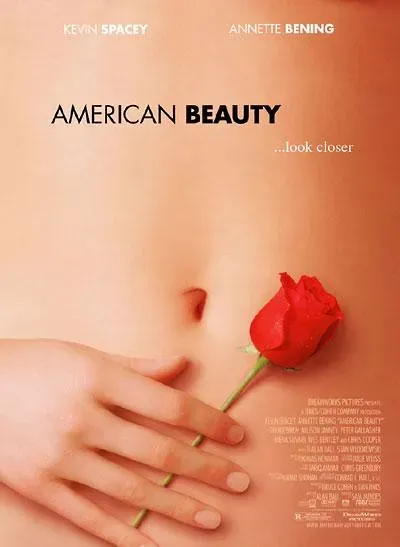
This dark suburban satire won five Oscars and briefly became the definitive statement on middle-class malaise. Twenty-five years later, its “profound” observations about suburban emptiness feel obvious and its handling of Lester’s obsession with his daughter’s teenage friend has aged terribly. The film thought it was making bold statements by showing us that perfect suburban lives hide dysfunction underneath, which was hardly news even in 1999.
Kevin Spacey’s midlife crisis plays out through the most predictable rebellion possible. He quits his job, buys a sports car, and lusts after a high schooler while his wife has an affair and his daughter dates the weird neighbor kid. Every character represents a type rather than feeling like an actual human being.
The plastic bag scene that was supposed to represent beauty and wonder in everyday life became instantly mocked for its pretentiousness. That’s the problem with the whole movie. It mistakes obvious symbolism and surface-level transgression for depth. What seemed daring then now looks deeply ordinary.
Gravity (2013)
Alfonso Cuarón’s space survival thriller earned universal praise for its technical achievements and Sandra Bullock’s performance. The visuals were indeed stunning, showing space debris destruction with unprecedented realism. But the actual story could be summarized in two sentences, and the character development was virtually nonexistent beyond “woman overcomes grief by surviving in space.”
George Clooney’s character existed solely to deliver exposition and then sacrifice himself in a scene that made no physical sense. The dialogue alternated between technical jargon and heavy-handed metaphors about rebirth and letting go. Every emotional beat was telegraphed miles in advance.
Critics called it a masterpiece, but it’s really just a very expensive tech demo with A-list actors. Visually impressive? Absolutely. But a ninety-minute movie where someone floats around space hitting things doesn’t constitute great cinema, no matter how photorealistic the zero gravity effects look.
La La Land (2016)
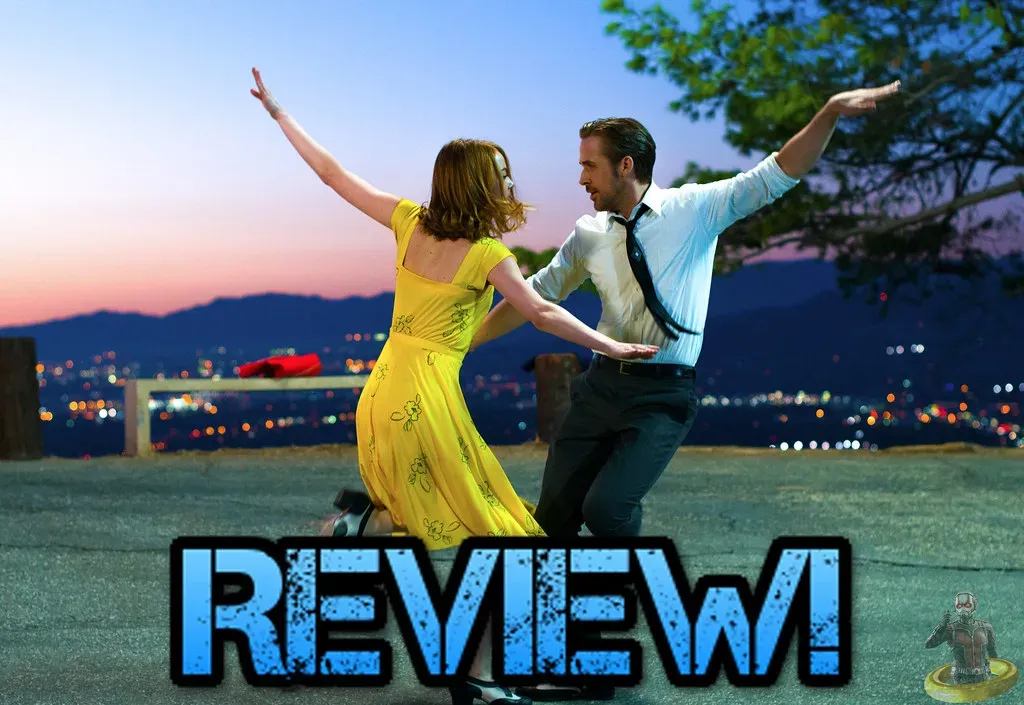
Damien Chazelle’s musical love letter to Hollywood dreams charmed critics and nearly won Best Picture in that infamous envelope mix-up. The opening freeway musical number impressed with its ambition, even if the actual singing and dancing from the leads was notably amateur compared to classic musicals it tried to emulate. Ryan Gosling and Emma Stone had chemistry, but neither could really sing or dance at a professional level.
The film presented itself as a fresh take on the musical genre while actually being deeply conservative and nostalgic. Its message that true artists must sacrifice love for their craft felt both tired and unnecessarily bleak. The ending that shows the life they could have had together was supposed to be bittersweet but came across as needlessly cynical.
Worst of all, the movie about jazz barely featured any actual jazz worth remembering. The songs were forgettable pastiche rather than memorable showstoppers. For all its colorful imagery and Hollywood references, it left almost no lasting impression once the credits rolled. People confused pretty cinematography with actual substance.
Birdman (2014)
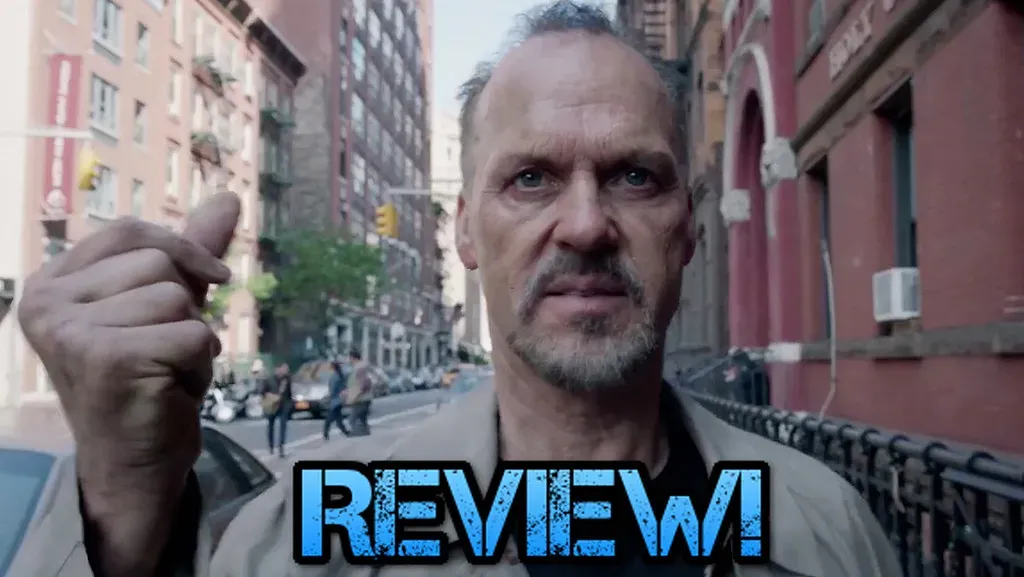
Alejandro González Iñárritu’s film about a washed-up actor trying to mount a Broadway comeback won Best Picture largely on technical prowess. The apparent single-take cinematography was an impressive gimmick that ultimately served no real narrative purpose. The movie wanted desperately to say something profound about art, celebrity, and relevance, but mostly just shouted pretentiously about its own importance.
Michael Keaton gave a committed performance, but his character’s crisis felt abstract and self-indulgent rather than genuinely moving. The film expected audiences to deeply care about whether a Hollywood actor could prove himself as a serious stage artist. That’s a pretty narrow concern that doesn’t resonate beyond industry insiders.
The jazzy drum score that played constantly was supposed to reflect the character’s mental state but mostly just became irritating. The ambiguous ending where he either dies or becomes a literal birdman tried for profundity but landed in confusion. It’s the kind of movie that mistakes technical difficulty and insider references for actual depth, winning awards from people who confused being impressed with being moved.
Slumdog Millionaire (2008)

Danny Boyle’s rags-to-riches story set in Mumbai charmed audiences with its colorful energy and feel-good ending. Beneath the vibrant cinematography and Bollywood-influenced style, though, it presented a deeply problematic view of Indian poverty as exotic backdrop for Western entertainment. The entire premise that a kid from the slums learns everything needed for a game show through traumatic life experiences strains credibility past the breaking point.
Every hardship the protagonist faces conveniently teaches him an answer to a quiz show question. It’s poverty as plot device rather than explored reality. The love story driving everything felt thin and underdeveloped despite being the emotional core. We’re supposed to believe he endured everything for a girl he barely knew as a child.
The film also perpetuated stereotypes about Indian slums and suffering while packaging it all as uplifting entertainment. It won eight Oscars, but many critics in India pointed out its condescending perspective and surface-level engagement with actual issues. The happy ending felt tacked on and unearned, prioritizing Western audience comfort over honest storytelling.
Shakespeare in Love (1998)

This romantic comedy about the Bard writing Romeo and Juliet beat Saving Private Ryan for Best Picture in one of the Oscars’ most baffling decisions. The film was charming and well-acted, sure, but it was essentially a pleasant costume drama with some clever literary jokes. Nothing about it suggested enduring masterpiece worthy of cinema’s highest honor.
The story imagined young Shakespeare overcoming writer’s block through a forbidden romance that inspired his greatest play. It’s all very cute and witty in that British period piece way. But there’s zero dramatic depth or innovation here. Just attractive people in period costumes delivering clever dialogue.
Its victory reeked of Harvey Weinstein’s aggressive Oscar campaigning rather than genuine merit. Time has proven the Academy’s choice poorly. Saving Private Ryan remained culturally significant and frequently rewatched. Shakespeare in Love became a trivia answer about controversial Oscar wins, remembered more for beating Spielberg than for its own qualities.
The Shape of Water (2017)
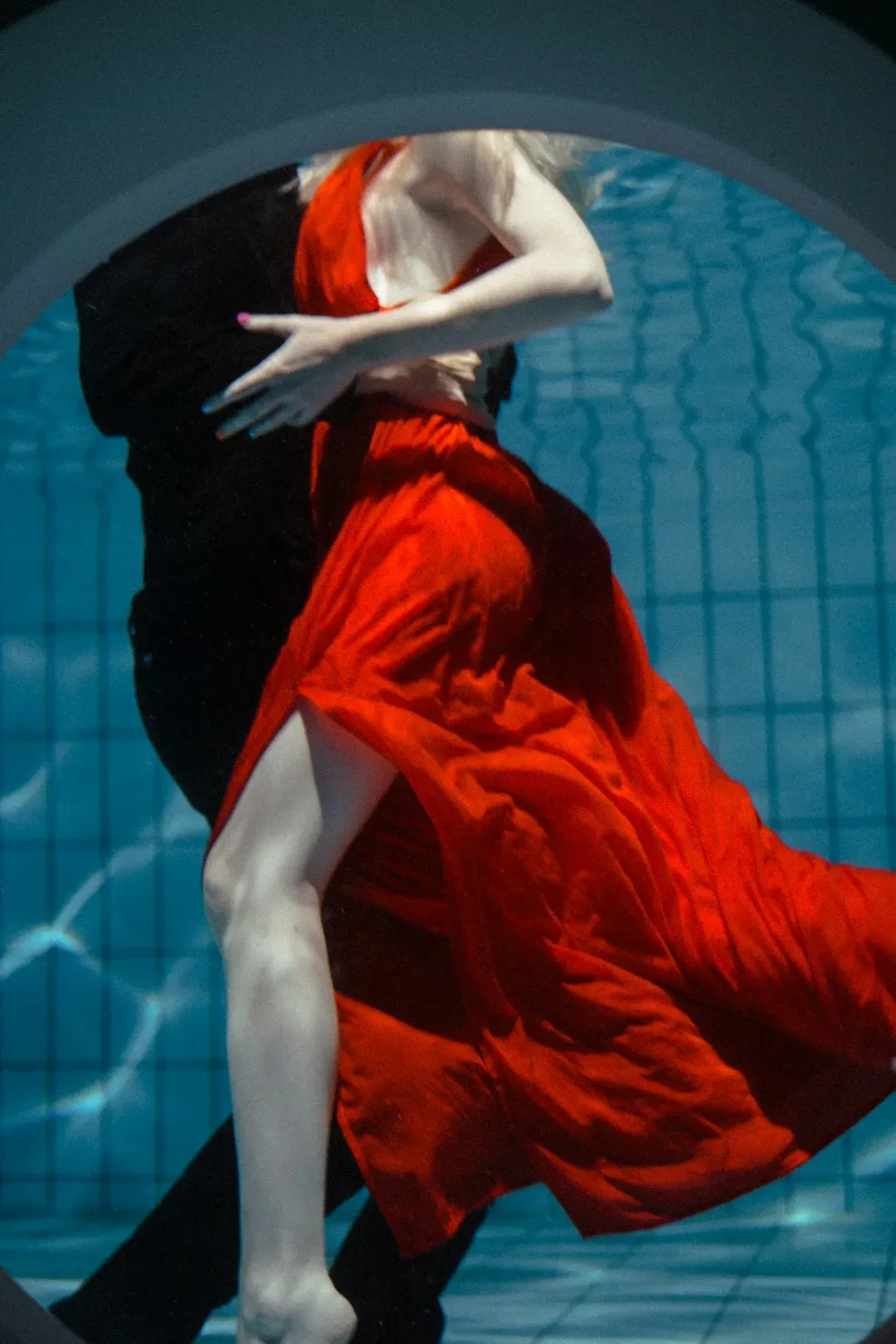
Guillermo del Toro’s fantasy romance between a mute janitor and a captured fish-man won Best Picture despite being essentially a very expensive rehash of Beauty and the Beast. The production design was gorgeous and del Toro’s visual imagination created a compelling fairy tale world. But the actual story never justified its prestige movie treatment or explained why we should find the central romance believable.
The film asked audiences to accept that a lonely cleaning woman would fall deeply in love with and have sex with a literal fish creature she can’t communicate with. The movie presented this as profound and beautiful rather than deeply weird. The villain was cartoonishly evil without nuance, making the moral stakes completely one-dimensional.
Critics praised its “adult fairy tale” qualities and del Toro’s earnest romanticism. But calling something a fairy tale doesn’t excuse thin characterization and logic problems. The entire film felt like del Toro’s personal fetish project elevated to undeserved importance because voters confused beautiful visuals with emotional depth. It’s fine as a fantasy film, but Best Picture? That’s where the hype wildly exceeded reality.
Titanic (1997)
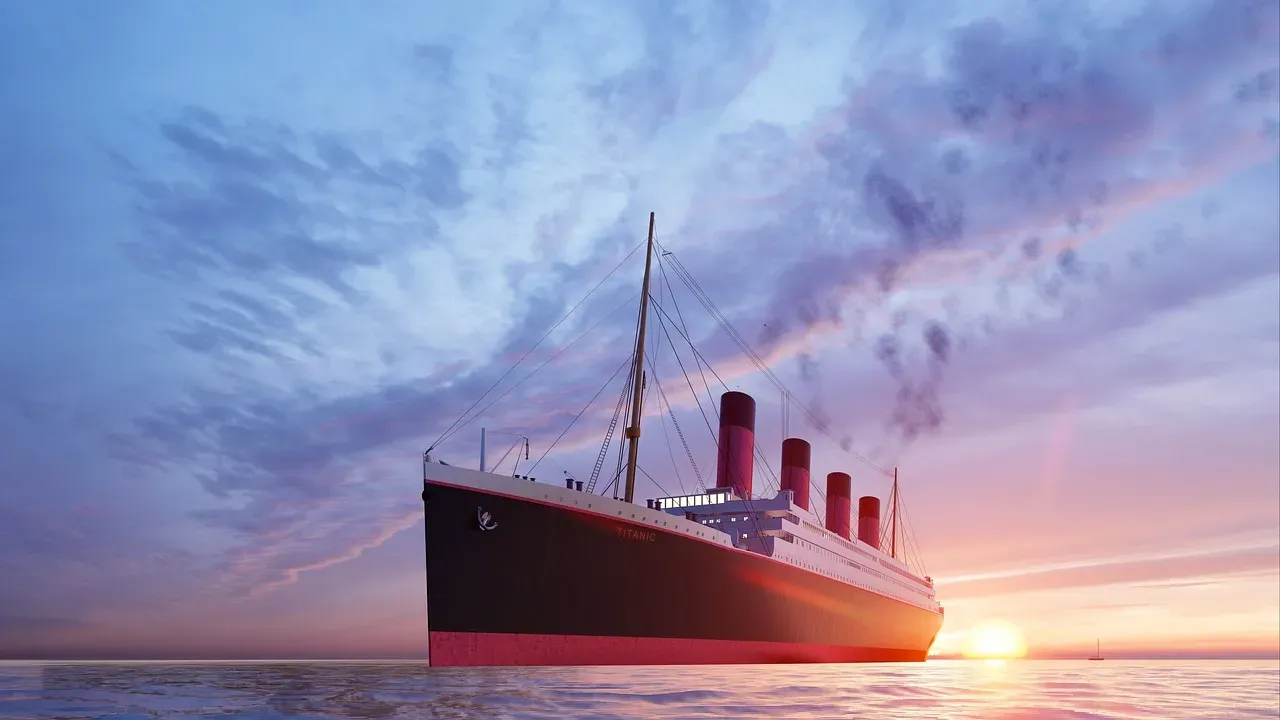
James Cameron’s disaster epic became a cultural phenomenon and the highest-grossing film of its time. The special effects depicting the ship’s sinking remain impressive even now. But the love story driving the three-hour runtime was pure melodramatic cheese featuring two attractive actors with decent chemistry but zero character depth.
Jack and Rose’s romance consisted entirely of the poor artist teaching the rich girl to really live during approximately three days. Their entire relationship felt like a YA novel version of romance. The dialogue was consistently corny, from “I’m the king of the world” to “draw me like one of your French girls” to that whole door floating debate at the end.
The film’s enormous success came more from teenage girls seeing it multiple times for Leonardo DiCaprio than from actual quality. Yes, the sinking sequence was spectacular and historically detailed. But everything surrounding it was emotionally manipulative schmaltz designed to make audiences cry. The eleven Oscars it won reflected box office success and technical achievement more than storytelling merit. Cameron’s films consistently prioritize spectacle over substance, and Titanic was no exception despite its massive cultural impact.
Forrest Gump (1994)
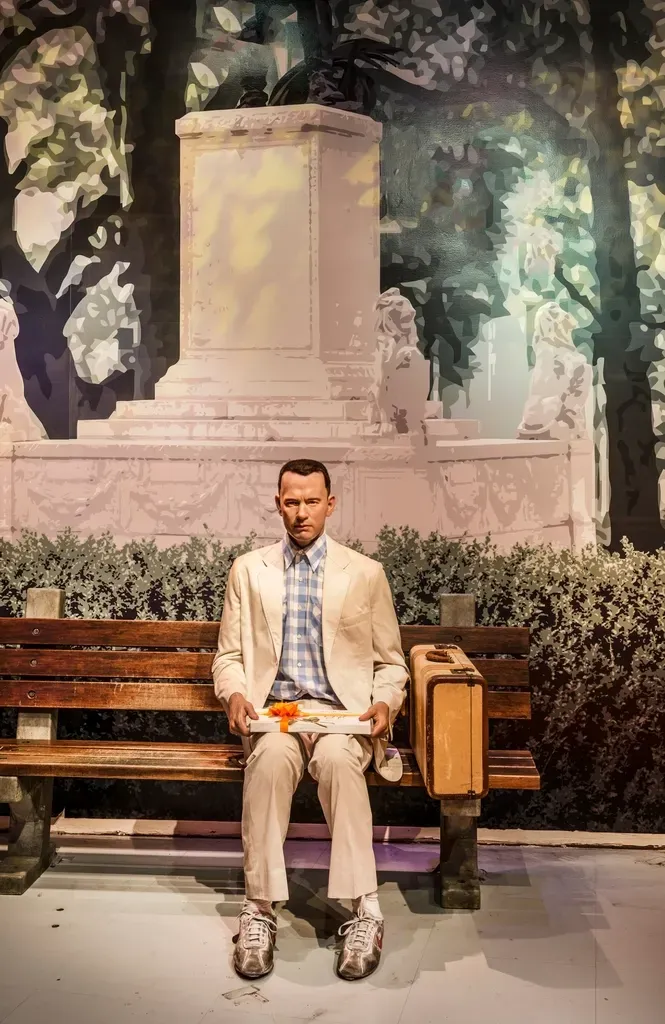
Robert Zemeckis’s odyssey through American history via simple-minded protagonist charmed audiences with its warmth and Tom Hanks’ committed performance. Beneath the feel-good surface, though, it promoted a deeply conservative worldview where simpleton Forrest succeeds through blind obedience while his rebellious friend Jenny is punished with disease and death for her counterculture choices. The film’s politics are more troubling the more you think about them.
Every historical event becomes reduced to Forrest accidentally being present or influencing it through his naiveté. It’s American history as sanitized greatest hits with no real engagement with the complexity or pain of the eras depicted. Vietnam becomes a backdrop for Forrest to save his friend rather than a moral catastrophe worth examining.
The movie manipulates emotions shamelessly through that overly sentimental score and Hanks’ innocent delivery. Critics who praised its heartwarming qualities ignored how it actually rewarded intellectual passivity and punished independent thought, particularly in women. Jenny’s only redemption comes through returning to Forrest, conforming, and then conveniently dying. It’s not as innocent and apolitical as it pretends to be, and its six Oscars reflected the Academy’s preference for safe, sentimental crowd-pleasers over challenging cinema. Sure, everyone cried at the end, but emotional manipulation isn’t the same as earned pathos.
Final Thoughts
These films aren’t necessarily bad, and some deserve credit for technical achievements or cultural impact. But the gulf between their reputation and their actual quality remains striking. Hype has a way of snowballing beyond what any movie can sustain. Critics pile on praise, awards follow, and suddenly everyone feels obligated to declare something a masterpiece even when watching it feels more like homework than pleasure.
The interesting thing about overrated movies is they reveal what we pretend to value in cinema versus what actually moves us. Sometimes we convince ourselves we love something because admitting indifference feels like missing the point. But honest reactions matter more than keeping up with consensus. These thirteen films rode waves of hype that exceeded their grasp, becoming more important for what they represented than what they actually were.
What do you think? Did any of these movies live up to their reputation for you, or do you have your own overrated picks that didn’t make this list? Let’s hear it in the comments.