



We’ve all made mistakes. Forgot to set an alarm, sent an email to the wrong person, maybe even deleted an important file. Annoying, sure, but usually fixable with a quick apology or some frantic Googling. Now imagine mistakes so catastrophic they wiped out entire fortunes, destroyed careers, and left nations scrambling to pick up the pieces. I’m talking about blunders that didn’t just cost pocket change – they obliterated billions of dollars in the blink of an eye.
From simple typos that triggered financial meltdowns to engineering disasters that became permanent symbols of failure, history is littered with jaw-dropping screwups. Some were the result of pure human error, others came from arrogance or cutting corners at exactly the wrong moment. The craziest part? Many of these catastrophes were completely avoidable. Ready to see just how spectacularly things can go wrong when the stakes are sky-high? Let’s dive in.
1. The Decca Records Beatles Rejection

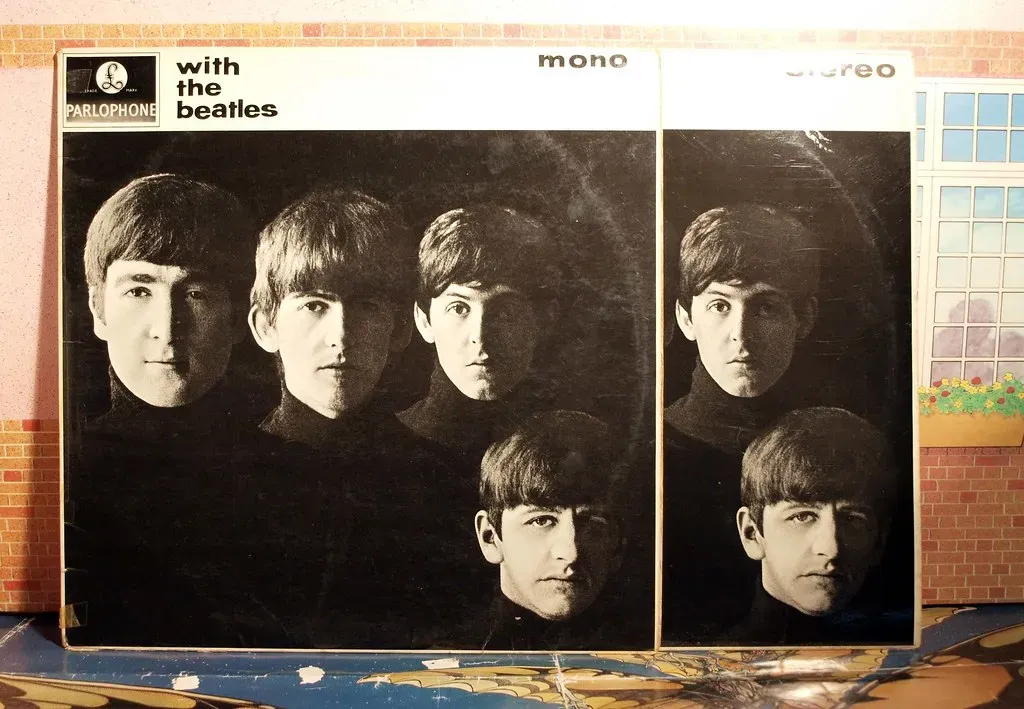
Picture this: you’re a record executive in 1962, and four young guys from Liverpool walk into your office. They play their music, they’ve got energy and talent, and they’re asking for a deal. Your response? “Guitar groups are on the way out.” That’s exactly what Decca Records told The Beatles before sending them packing. Dick Rowe, the executive who made the call, thought the band had no future and signed Brian Poole and the Tremeloes instead.
The Beatles went on to become the best-selling music act of all time, generating billions in record sales, merchandise, and cultural impact. Decca missed out on what would have been the most profitable signing in music history. Rowe later admitted it was the biggest mistake of his career, though he did redeem himself slightly by signing The Rolling Stones. Still, turning down The Beatles? That’s the kind of decision that haunts you forever.
2. NASA’s Mars Climate Orbiter Metric Mix-Up

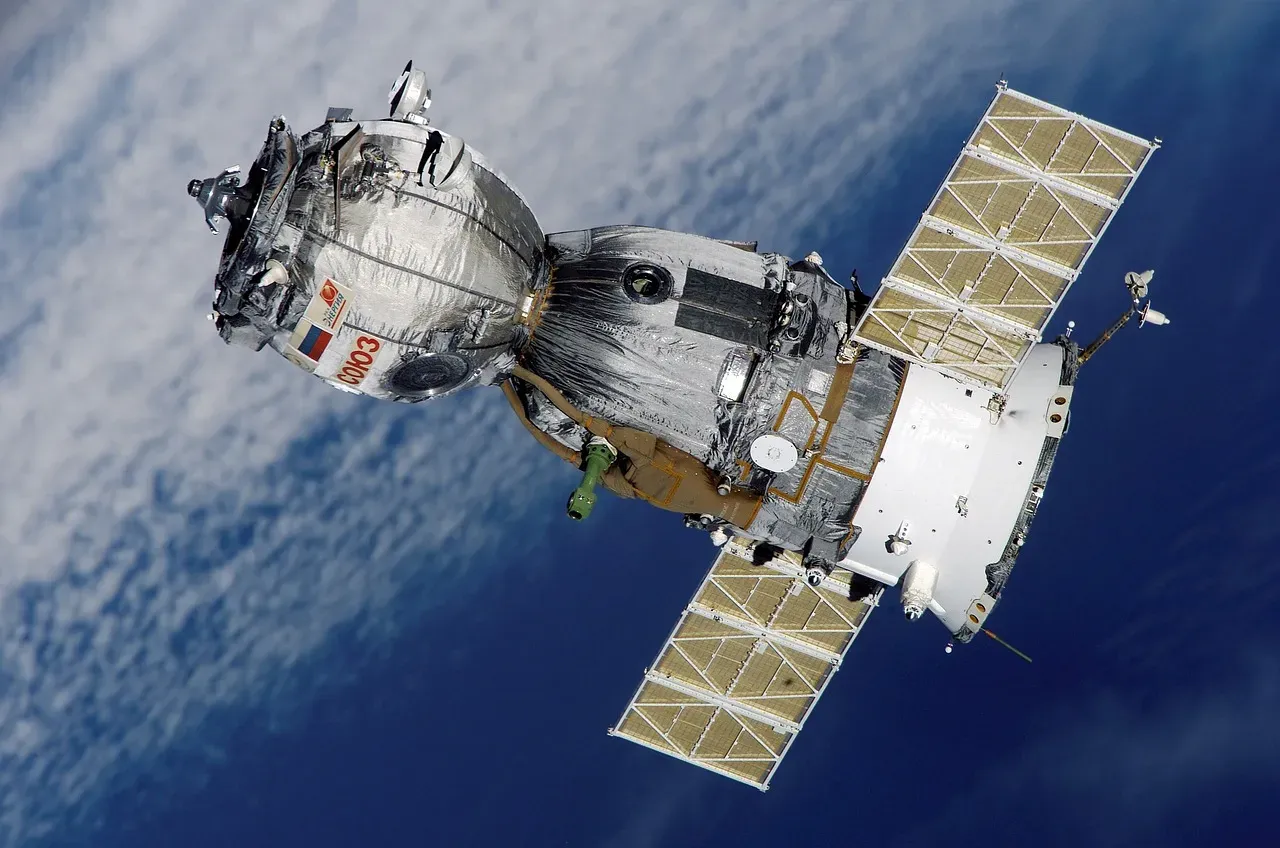
In 1999, NASA lost a 125 million dollar spacecraft because two teams couldn’t agree on whether to use metric or imperial measurements. Sounds absurd, right? The Mars Climate Orbiter was supposed to study the Martian atmosphere, but instead it plunged into the planet and disintegrated. One team at Lockheed Martin used pounds of force in their calculations while NASA’s team used newtons. Nobody caught the discrepancy.
The orbiter approached Mars at completely the wrong altitude – too close to survive. It either burned up in the atmosphere or skipped off into space, never to be seen again. This wasn’t some complex engineering failure or freak accident. It was a simple conversion error that cost American taxpayers a fortune and set back Mars exploration by years. The lesson? Always double-check your units, especially when you’re launching something into space.
3. Blockbuster Passes on Netflix

Back in 2000, Netflix was a scrappy DVD-by-mail service losing money fast. The founders, desperate for a lifeline, approached Blockbuster with an offer: buy us for 50 million dollars. Blockbuster, the undisputed king of video rentals with thousands of stores worldwide, laughed them out of the room. The executives thought Netflix was a niche player with no real future. Late fees were making Blockbuster a fortune – why mess with success?
Fast forward to today. Netflix is worth over 150 billion dollars and fundamentally changed how we consume entertainment. Blockbuster filed for bankruptcy in 2010. The company had every opportunity to dominate the streaming era but couldn’t see past its own business model. Sometimes the biggest threat isn’t what you can see – it’s what you refuse to take seriously until it’s way too late.
4. The Excite Search Engine Rejects Google

In 1999, two Stanford students named Larry Page and Sergey Brin wanted to sell their search engine technology. They approached Excite, one of the leading internet companies at the time, and asked for one million dollars. Excite’s CEO, George Bell, thought the price was too high and passed. The students dropped their asking price to 750,000 dollars. Bell still said no, convinced that a better search engine would keep users away from Excite’s other services.
Google is now worth over a trillion dollars and processes billions of searches daily. Excite faded into obscurity, eventually sold off for parts. Bell later called it one of the worst decisions in business history, and honestly, it’s hard to argue. Imagine owning Google for less than the price of a decent house in Silicon Valley today. That’s the kind of mistake that rewrites the entire trajectory of tech history.
5. Japan’s Lost Decades Due to Asset Bubble Burst


During the late 1980s, Japan’s economy looked unstoppable. Real estate prices skyrocketed to insane levels – at one point, the land under Tokyo’s Imperial Palace was supposedly worth more than all of California. Banks handed out loans like candy, convinced prices would keep climbing forever. Companies and individuals borrowed massive amounts to invest in property and stocks, creating one of history’s biggest asset bubbles.
When the bubble burst in 1991, it triggered an economic catastrophe that lasted decades. The total loss has been estimated at over five trillion dollars. Banks collapsed, companies went bankrupt, and an entire generation faced stagnant wages and limited opportunities. Japan went from economic powerhouse to cautionary tale almost overnight. The crash fundamentally reshaped the country’s economy and society, proving that when everyone believes prices can only go up, that’s usually the moment everything comes crashing down.
6. The Chernobyl Nuclear Disaster


On April 26, 1986, engineers at the Chernobyl Nuclear Power Plant in Ukraine decided to run a safety test. They disabled multiple safety systems to simulate a power failure, thinking they had everything under control. They didn’t. A sudden power surge caused a catastrophic explosion that blew the roof off Reactor 4, releasing massive amounts of radioactive material into the atmosphere.
The immediate cleanup and containment cost billions, but the true price is almost incalculable. An entire city was abandoned, hundreds of thousands of people were displaced, and a huge area remains uninhabitable decades later. The total economic impact, including healthcare costs, lost agricultural production, and the eventual shutdown of the entire plant, has been estimated at over 200 billion dollars. It’s the worst nuclear disaster in history, caused by a combination of flawed reactor design and human error during what was supposed to be a routine test.
7. The New Coke Formula Disaster
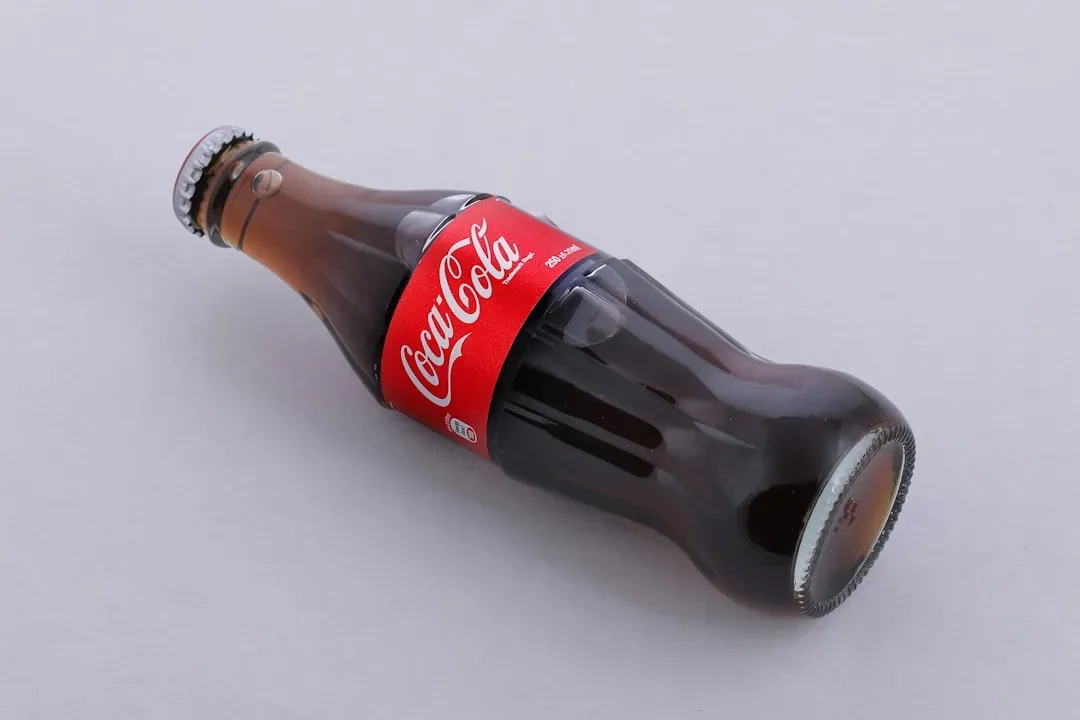
In 1985, Coca-Cola made one of the most infamous marketing blunders ever. Despite being the world’s most popular soft drink, executives worried about Pepsi gaining market share. They spent four million dollars developing a sweeter formula and conducted extensive taste tests. The results looked promising, so they discontinued the original recipe and launched New Coke with massive fanfare.
The backlash was immediate and brutal. Customers hated it. People hoarded old Coke, protest groups formed, and the company’s hotline received thousands of angry calls daily. Within three months, Coca-Cola admitted defeat and brought back the original formula as Coca-Cola Classic. The whole debacle cost the company over 30 million dollars in development and marketing, not to mention the damage to brand reputation. Some conspiracy theorists claim it was all a publicity stunt, but honestly, no company would intentionally create that kind of chaos for attention.
8. The Exxon Valdez Oil Spill


On March 24, 1989, the oil tanker Exxon Valdez struck a reef in Alaska’s Prince William Sound, spilling roughly eleven million gallons of crude oil. The cause? A combination of factors including an allegedly intoxicated captain, an overworked crew, and cost-cutting measures that left the tanker without a functioning radar system. The ship was on autopilot when it should have been under manual control, and by the time anyone realized what was happening, it was too late.
Partner offer

The environmental devastation was staggering. Hundreds of thousands of seabirds, otters, seals, and fish died. The cleanup took years and cost Exxon over three billion dollars initially, followed by billions more in legal settlements and ongoing restoration efforts. The total economic impact, including lost fishing revenue and tourism, exceeded ten billion dollars. The disaster led to stricter regulations for oil tankers, but the ecosystem in Prince William Sound still hasn’t fully recovered over three decades later.
9. The Millennium Dome’s Financial Black Hole

The United Kingdom decided to celebrate the year 2000 with an ambitious project: the Millennium Dome in London. The government promised it would be a spectacular attraction showcasing British innovation and culture, drawing millions of visitors and paying for itself through ticket sales. They budgeted 758 million pounds for construction and operation. Initial projections estimated twelve million visitors in the first year.
Reality was far less impressive. The dome attracted only about half the expected visitors, the exhibits were widely criticized as disappointing, and it became a national joke. The project ended up costing taxpayers over one billion pounds when all the overruns and losses were tallied. It sat empty for years after closing, a giant white elephant on the Thames. Eventually it was converted into the O2 Arena and became successful as a concert venue, but that doesn’t erase the colossal waste of public money on what was supposed to be a millennial masterpiece.
10. Time Warner and AOL’s Disastrous Merger


In 2000, at the peak of the dot-com boom, AOL and Time Warner announced a merger valued at 165 billion dollars. It was hailed as a visionary move that would combine old media with new technology, creating an unstoppable entertainment and internet powerhouse. AOL was riding high with millions of dial-up subscribers, while Time Warner owned valuable content properties including CNN, Warner Bros, and various magazines.
The timing couldn’t have been worse. The dot-com bubble burst almost immediately, AOL’s subscriber base started declining as broadband took over, and the two companies’ cultures clashed horribly. The merger destroyed roughly 200 billion dollars in shareholder value, making it one of the worst corporate decisions ever. By 2009, Time Warner spun off AOL as a separate company, essentially admitting the whole thing was a catastrophic mistake. It’s a perfect example of how chasing trends and ignoring fundamental business realities can torch enormous amounts of money incredibly quickly.
11. The London Whale Trading Disaster


In 2012, a trader at JPMorgan Chase named Bruno Iksil earned the nickname “the London Whale” because his positions were so massive they moved entire markets. He was supposed to be hedging risk for the bank, but instead he made increasingly risky bets on credit derivatives. His supervisors either didn’t understand what he was doing or chose to ignore the warning signs because the positions initially showed profits.
When the trades went south, they went spectacularly wrong. JPMorgan lost over six billion dollars, faced intense regulatory scrutiny, and paid nearly one billion dollars in fines. Several executives lost their jobs, and the bank’s reputation took a serious hit. The whole mess revealed serious flaws in risk management at one of America’s largest financial institutions. It’s hard to say for sure, but the London Whale incident proved that even sophisticated banks can lose control of their own traders and suffer massive losses as a result.
12. Kodak’s Digital Camera Denial

Here’s something wild: Kodak actually invented the digital camera in 1975. An engineer named Steve Sasson built the first prototype, and executives looked at it and essentially said, “That’s nice, but it’ll never replace film.” They had valid concerns – the company made huge profits from film sales and photo processing. Going digital would cannibalize their core business, so they shelved the technology and hoped it would go away.
It didn’t go away. Other companies developed digital cameras, smartphones eventually put cameras in everyone’s pocket, and Kodak’s film business collapsed. The company that once dominated photography filed for bankruptcy in 2012. At its peak, Kodak was worth about 28 billion dollars. By the time it emerged from bankruptcy as a much smaller company, that value had essentially evaporated. They literally invented the future of photography and then chose to ignore it, hoping the world would stick with film forever.
13. The Deepwater Horizon Oil Spill

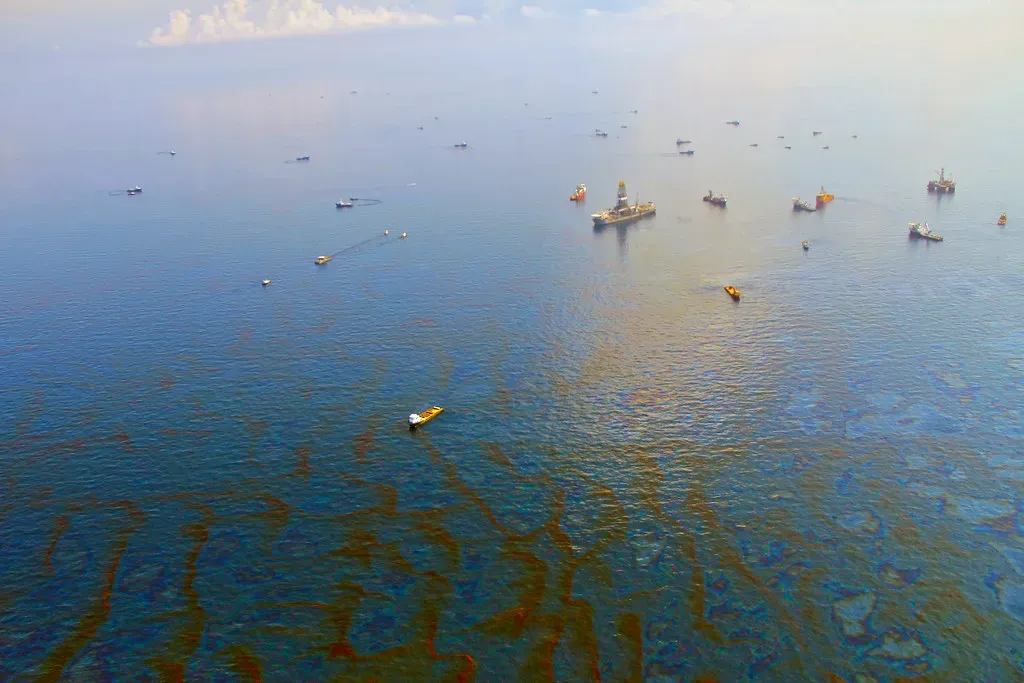
On April 20, 2010, the Deepwater Horizon drilling rig exploded in the Gulf of Mexico, killing eleven workers and triggering the largest marine oil spill in history. Nearly five million barrels of oil gushed into the Gulf over 87 days before BP finally managed to cap the well. Investigations revealed a series of cost-cutting decisions and ignored safety warnings that led to the disaster. Warning signs were everywhere, but production pressure and budget concerns took priority.
The financial toll was staggering. BP spent roughly 14 billion dollars on cleanup efforts and paid over 65 billion dollars in fines, settlements, and restoration costs. Tourism industries along the Gulf Coast suffered for years, fisheries were devastated, and the environmental damage will take decades to fully heal. It’s one of those disasters where everything that could go wrong did go wrong, largely because people made calculated decisions to take shortcuts and assume everything would probably be fine.
14. Microsoft’s Nokia Acquisition Failure
In 2013, Microsoft bought Nokia’s phone business for 7.2 billion dollars, betting they could compete with Apple and Android in the smartphone market. Steve Ballmer pushed hard for the deal, convinced that owning the hardware would help Windows Phone gain traction. Microsoft had big plans for integrating Nokia’s manufacturing expertise with their software and creating a serious iPhone competitor.
It flopped spectacularly. Windows Phone never caught on with consumers or developers, Nokia’s brand value collapsed, and Microsoft ended up writing off nearly the entire purchase just two years later. They eventually sold off what remained of the phone business for essentially nothing and laid off thousands of employees. The whole Nokia adventure cost Microsoft over ten billion dollars when you factor in the purchase price, write-offs, and restructuring costs. Sometimes throwing money at a failing strategy just means you lose money faster.
15. The Fukushima Nuclear Disaster


On March 11, 2011, a massive earthquake triggered a tsunami that slammed into Japan’s coast. The Fukushima Daiichi Nuclear Power Plant was hit by waves far higher than its defenses were designed to handle. Multiple reactors lost power, cooling systems failed, and three reactors suffered meltdowns. Radioactive material was released, forcing the evacuation of over 150,000 people from the surrounding area.
The economic cost is absolutely massive and still growing. Current estimates put the total price tag at over 500 billion dollars when you include decommissioning costs, compensation payments, cleanup efforts, and lost economic activity. Parts of the evacuation zone remain uninhabitable years later. The disaster exposed serious flaws in nuclear safety planning and Japan’s entire energy policy. Critics had warned for years that the plant’s tsunami defenses were inadequate, but those concerns were dismissed. When the worst-case scenario actually happened, it proved to be far more devastating than anyone in charge had been willing to admit was possible.
Looking Back at History’s Costliest Errors

These fifteen mistakes share common threads that are almost uncomfortable to recognize. Arrogance played a role – executives convinced they knew better, engineers certain their calculations were correct, companies believing they were too big to fail. Cost-cutting appeared again and again, with organizations choosing short-term savings over long-term safety. Ignored warnings showed up repeatedly, with experts raising red flags that were dismissed or minimized by people in charge who didn’t want to hear bad news.
The truly sobering part is how many of these disasters were completely preventable. We’re not talking about unforeseeable acts of nature or unavoidable technological limits. These were choices made by intelligent people who somehow convinced themselves that corners could be cut, warnings could be ignored, or obvious opportunities could be passed up without consequences. Sometimes the most expensive thing in the world is refusing to admit you might be wrong. What do you think about it? Tell us in the comments.
Partner offer
Planning a trip to Vegas?
Compare hotel rates and show tickets on VEGAS.com.


