Music has always been about storytelling, but some artists take it to another level entirely. They craft entire albums that unfold like novels, with recurring characters, interconnected themes, and narratives that demand your full attention from first track to last. These aren’t just collections of songs thrown together. They’re carefully constructed journeys that pull you into their worlds and refuse to let go.
What makes a concept album truly unforgettable? It’s that moment when you realize the songs aren’t just connected – they’re inseparable. The story becomes so vivid you can see it playing out in your mind. From rock operas that defined generations to modern masterpieces that reimagine what albums can be, these records prove that music can tell stories just as powerfully as any book or film. Let’s dive into twenty albums that mastered the art of musical storytelling.
Pink Floyd – The Wall


This 1979 double album remains the gold standard for concept albums, and honestly, it’s hard to argue with that. Roger Waters created a deeply personal story about isolation, fame, and psychological breakdown through the character of Pink. Each brick in the wall represents another trauma, another barrier between Pink and the outside world.
The album moves through Pink’s childhood, his oppressive schooling, the loss of his father in war, and his eventual descent into madness as a rock star. What makes it so powerful is how Waters transformed his own pain into something universal. The production is massive, the emotions raw, and songs like “Comfortably Numb” and “Another Brick in the Wall” have become cultural touchstones that transcend the album itself.
The Wall isn’t just music. It became a film, a stage show, and a phenomenon that still resonates decades later. It’s claustrophobic and grand at the same time, which is exactly what makes it work.
The Who – Tommy


Pete Townshend’s 1969 rock opera about a deaf, dumb, and blind boy who becomes a pinball champion sounds absolutely wild on paper. Yet Tommy became one of the most influential concept albums ever made, proving that rock music could tackle complex narratives and serious themes.
Tommy’s journey from traumatized child to messianic figure captures the late 1960s fascination with spirituality and enlightenment. The album doesn’t shy away from dark territory, dealing with abuse, exploitation, and the dangers of blind faith. Townshend wove these heavy themes into explosive rock music that never loses its energy.
What’s remarkable is how coherent the story remains despite being told entirely through songs. You can follow Tommy’s entire arc without any spoken dialogue. The album spawned a film directed by Ken Russell and a Broadway musical, cementing its place in rock history.
David Bowie – The Rise and Fall of Ziggy Stardust and the Spiders from Mars

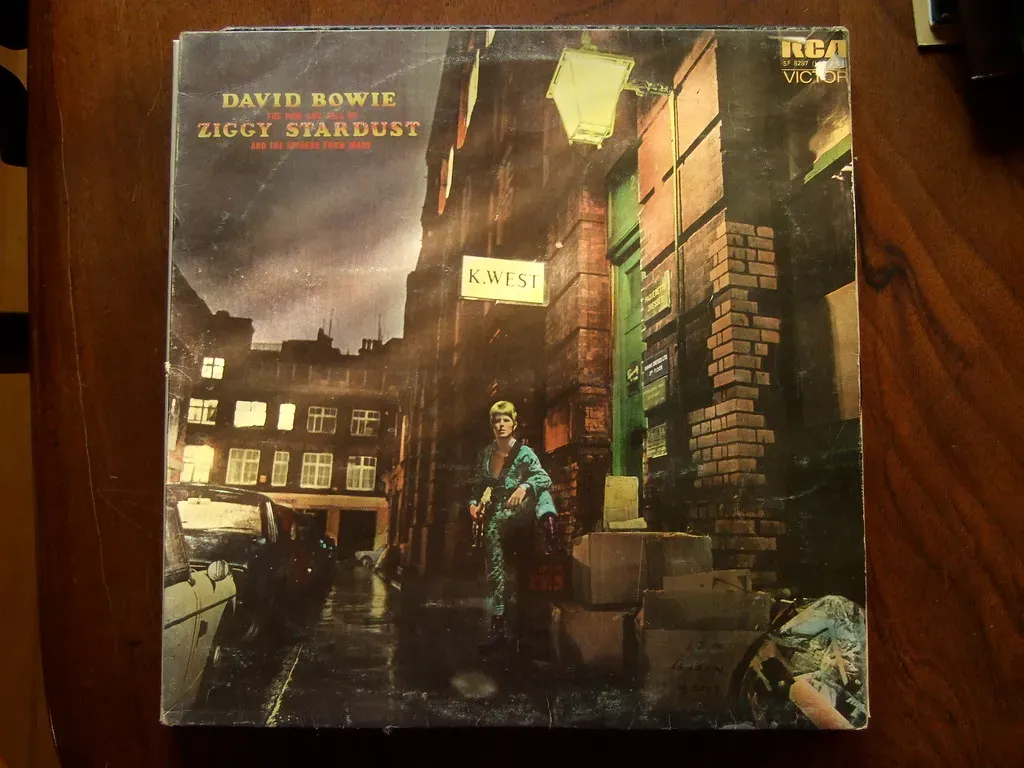
Bowie created one of music’s most iconic characters with Ziggy Stardust, an androgynous alien rock star who comes to Earth in its final five years. The 1972 album blends science fiction with very human themes of fame, sexuality, and self-destruction. Ziggy becomes a messenger for extraterrestrial beings, using rock and roll to give humanity hope before its inevitable end.
The genius of this album lies in how Bowie blurred the lines between character and performer. He became Ziggy onstage, living the role so completely that eventually killing off the character felt like a genuine tragedy. The music itself is glam rock perfection, with songs like “Starman” and “Suffragette City” becoming instant classics.
Ziggy’s story reflects Bowie’s own complicated relationship with fame. The album warns about the consuming nature of stardom while simultaneously celebrating its transformative power. It’s theatrical, sad, and utterly captivating.
Kendrick Lamar – Good Kid, M.A.A.D City


Kendrick’s 2012 masterpiece tells a coming-of-age story set in Compton with cinematic precision. The album follows a single day in young Kendrick’s life, but that day becomes a window into the violence, temptation, and difficult choices that shaped him. It’s structured like a short film, complete with skits featuring voicemails from his parents and conversations with friends.
Each track advances the narrative as Kendrick navigates peer pressure, encounters with gangs, and the constant threat of violence. “Swimming Pools” examines alcohol’s role in his community, while “The Art of Peer Pressure” details a night that could have ended in tragedy. The storytelling is specific to Compton but speaks to universal experiences of growing up in challenging environments.
What sets this apart is Kendrick’s technical skill combined with vulnerable honesty. He doesn’t present himself as a hero but as someone trying to survive and make sense of his surroundings. The album earned him widespread critical acclaim and proved hip-hop could deliver complex narratives with literary depth.
Green Day – American Idiot


This 2004 punk opera arrived during the Bush administration and captured a generation’s political frustration. Green Day tells the story of Jesus of Suburbia, a disaffected youth seeking meaning in post-9/11 America. The album follows his journey from suburban boredom to the city, through a destructive relationship, and ultimately toward some form of redemption.
Billie Joe Armstrong crafted characters like St. Jimmy and Whatshername to populate Jesus’s world, creating a narrative that feels both personal and archetypal. The music blends punk energy with theatrical ambition, featuring extended song suites that build on recurring musical themes. “Boulevard of Broken Dreams” became an anthem for alienation, while the title track channeled raw anger at media manipulation.
American Idiot revitalized Green Day’s career and proved punk could tackle serious political and social commentary without losing its edge. It later became a Broadway musical, extending its impact beyond music.
Janelle Monáe – The ArchAndroid


Monáe’s 2010 album continues her Metropolis saga, following an android named Cindi Mayweather in a dystopian future. The story draws from Fritz Lang’s Metropolis and Afrofuturism, exploring themes of oppression, freedom, and what it means to be human. Cindi is a messianic figure who falls in love with a human, defying the authoritarian society that treats androids as second-class citizens.
The album is wildly ambitious, genre-hopping between funk, soul, rock, orchestral music, and hip-hop. Monáe never lets the concept overwhelm the music, though. Songs like “Tightrope” and “Cold War” work perfectly on their own while fitting seamlessly into the larger narrative. The production is lush and detailed, creating a fully realized sonic world.
What makes The ArchAndroid special is how Monáe uses science fiction to examine real issues of identity, freedom, and resistance. Cindi’s story becomes a metaphor for anyone fighting against oppression, making the futuristic setting feel urgently relevant.
The Decemberists – The Hazards of Love


Colin Meloy’s 2009 folk-rock opera tells a dark fairy tale about forbidden love, vengeful forest queens, and tragic sacrifice. The story follows Margaret, who falls in love with William, a shapeshifting forest dweller. Their romance angers the Forest Queen, who raised William, leading to a series of dark bargains and supernatural encounters.
The album features multiple vocalists playing different characters, creating a true rock opera feel. The songs flow seamlessly together without breaks, building tension as the story races toward its inevitable tragic conclusion. Meloy draws from traditional folk ballads and fairy tales, giving the album a timeless, mythological quality.
The Hazards of Love demands attention. You can’t shuffle these songs or skip around. It’s an album that requires you to sit down and experience the entire story. The commitment pays off with one of the most cohesive narrative albums of the 2000s.
My Chemical Romance – The Black Parade

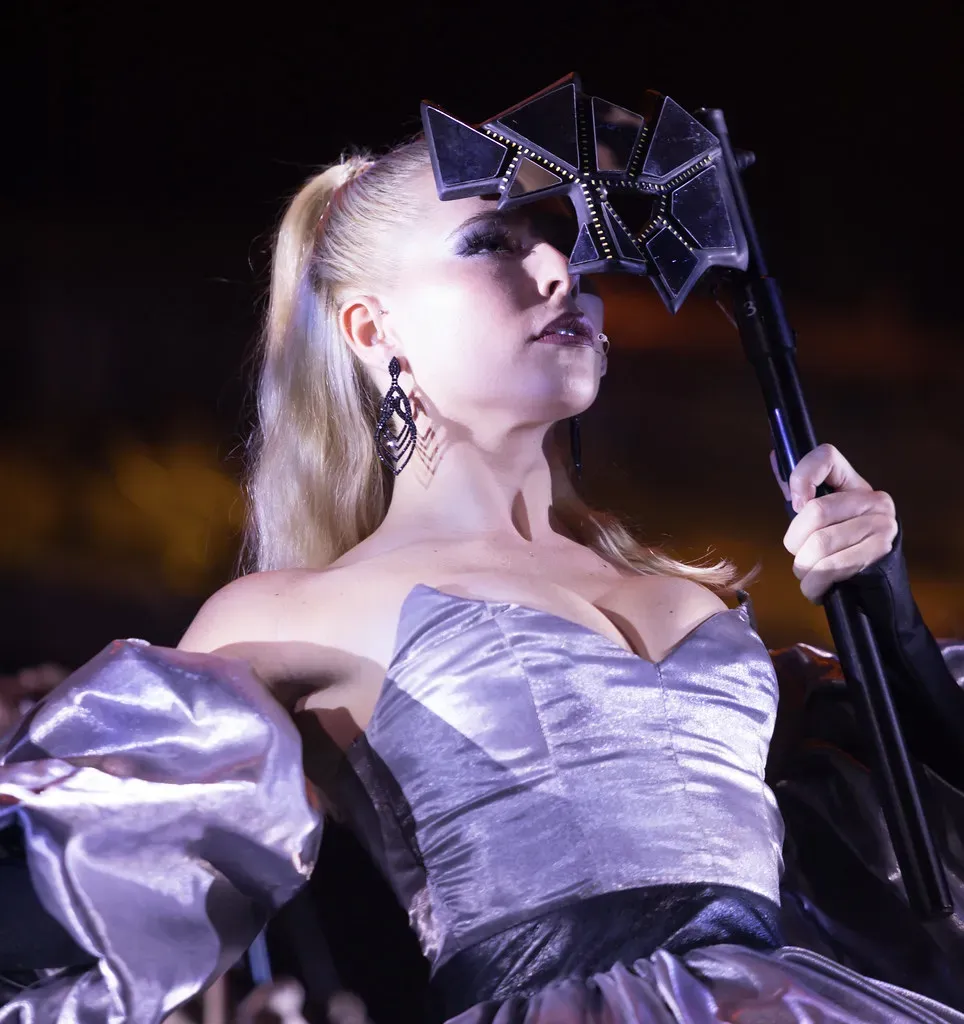
This 2006 rock opera follows a dying cancer patient known as The Patient as he reflects on his life and confronts death. The Black Parade itself is a fictional band that guides souls to the afterlife, drawing inspiration from The Patient’s childhood memory of his father taking him to see a parade. The album explores memory, regret, and whether a life has meaning.
Gerard Way and his bandmates created a theatrical, Queen-influenced sound that matched the album’s dramatic themes. Songs like “Welcome to the Black Parade” became generation-defining anthems for emo and alternative rock fans. The album doesn’t shy away from darkness but ultimately finds hope in facing death honestly.
The Patient’s journey through his memories creates an emotional arc that resonated deeply with fans dealing with their own pain and questions about mortality. It’s bombastic and sincere in equal measure, never afraid to go big with its emotions.
Sufjan Stevens – Illinois

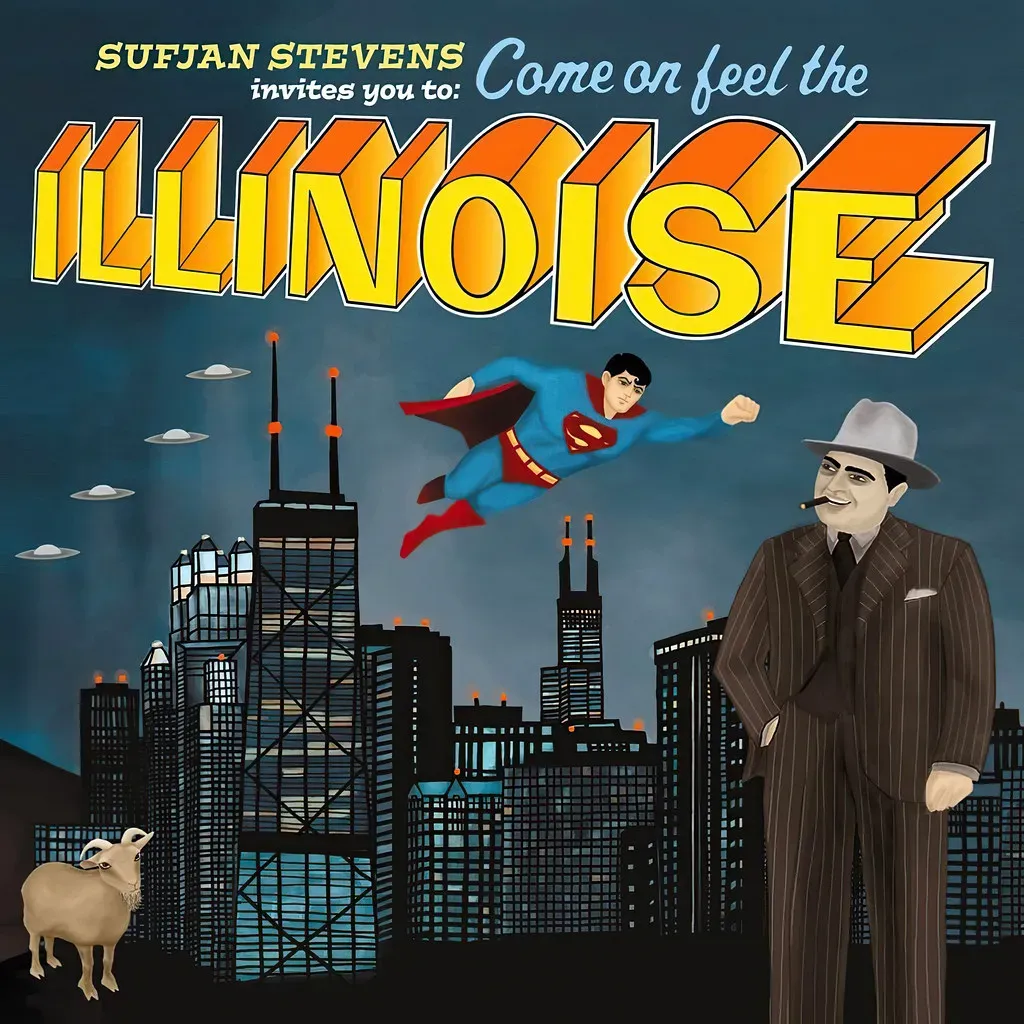
Stevens’s 2005 album uses Illinois as a framework to explore American history, mythology, and personal experience. While not a traditional narrative concept album, it creates a cohesive portrait of a place and its stories. Stevens weaves together tales of serial killer John Wayne Gacy, Superman, and his own memories of visiting the state.
The album is maximalist in production, featuring elaborate orchestration and arrangements that match its ambitious scope. Stevens finds the profound in the mundane, turning rest stops and state landmarks into subjects for deeply moving songs. “Casimir Pulaski Day” deals with the death of a friend from cancer with heartbreaking honesty.
Illinois demonstrates how concept albums don’t need linear plots to tell stories. Stevens creates a kaleidoscopic view of American life, connecting personal and historical threads into something that feels both specific and universal.
The Kinks – Arthur (Or the Decline and Fall of the British Empire)

Ray Davies crafted this 1969 album as a soundtrack to a television play that ultimately never aired. The story follows Arthur Morgan and his family as they navigate post-World War II Britain, dealing with class struggles, changing social values, and eventual emigration to Australia. Davies based Arthur partly on his own brother-in-law, grounding the story in real working-class experiences.
The album captures a particular moment in British history when the empire was fading and traditional working-class life was transforming. Songs like “Victoria” and “Shangri-La” examine nostalgia for imperial glory and suburban dreams with Davies’s characteristic wit and insight. The music ranges from hard rock to delicate ballads, showcasing The Kinks at their creative peak.
Arthur works as both social commentary and personal story. Davies never loses sight of the human element while examining larger historical forces. It’s a time capsule of a specific era that still speaks to anyone who’s felt displaced by social change.
Arcade Fire – The Suburbs


This 2010 album explores suburban life with a mixture of nostalgia and unease. Win Butler and Régine Chassagne created a loose narrative about growing up in the suburbs, the loss of innocence, and the ways childhood landscapes shape us. The album doesn’t follow a strict plot but creates a cohesive emotional journey through interconnected themes.
Partner offer

Songs like “Ready to Start” and “We Used to Wait” capture the restlessness of suburban existence and the desire for something more meaningful. The title track sets the tone with its wistful look at childhood freedoms lost to development and paranoia. Arcade Fire’s orchestral indie rock sound creates an expansive feeling that matches the suburbs’ sprawling geography.
The Suburbs won the Album of the Year Grammy, validating concept albums in the mainstream. It resonated with people who grew up in those environments, recognizing both the comfort and the suffocation they can represent.
Genesis – The Lamb Lies Down on Broadway


Peter Gabriel’s final album with Genesis is a surreal journey through New York City’s underground. The 1974 double album follows Rael, a Puerto Rican street kid who gets pulled into a bizarre alternate dimension. He encounters strange creatures, psychological challenges, and ultimately must choose between saving himself or his brother.
The story is intentionally obscure, filled with dreamlike imagery and Freudian symbolism. Gabriel drew from his own anxieties about fame and identity, creating something deeply personal disguised as fantasy. The music ranges from delicate progressive passages to aggressive rock, showcasing Genesis at their most experimental.
The Lamb is deliberately challenging. It doesn’t offer easy answers or clear meanings, requiring listeners to engage actively with its symbols and themes. That complexity has kept fans debating its meaning for decades, which is exactly what great art should do.
Deltron 3030 – Deltron 3030

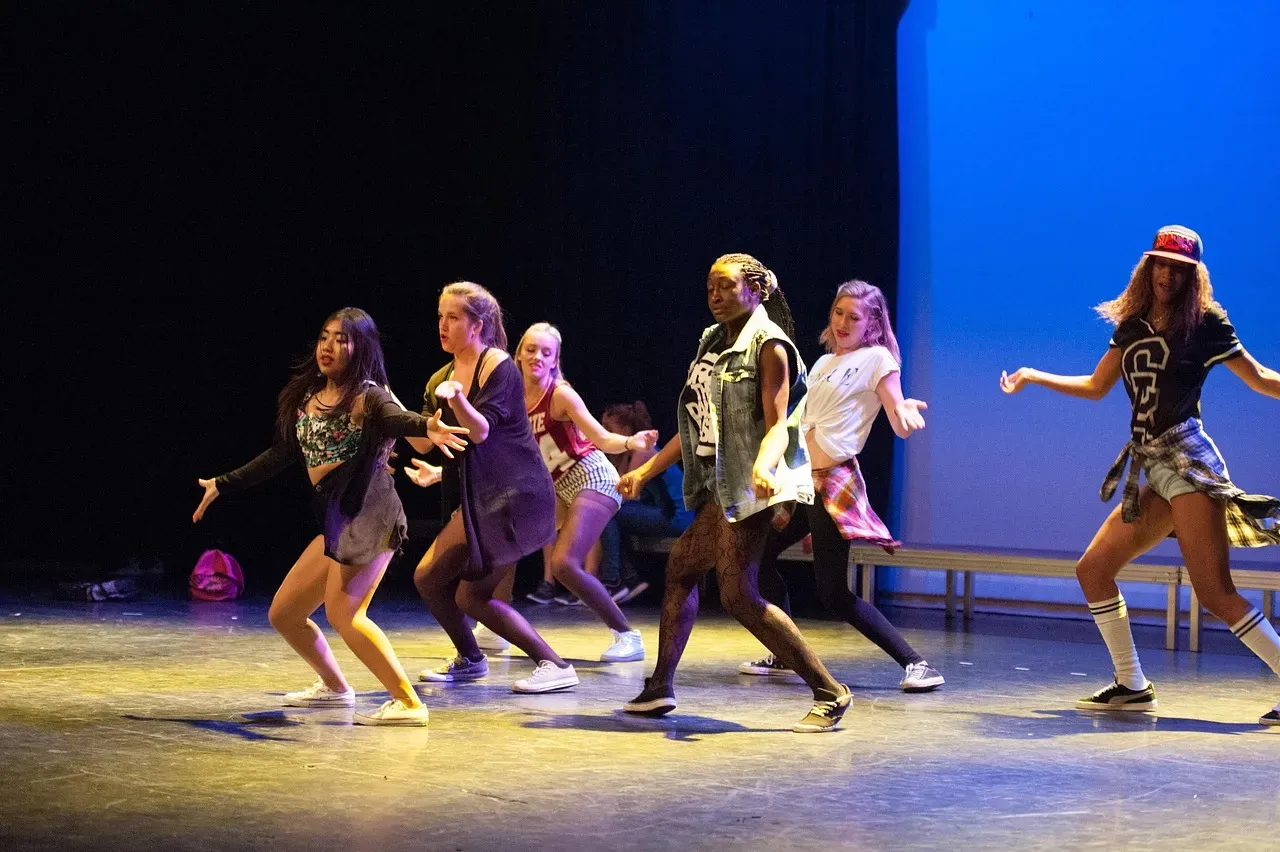
This 2000 hip-hop concept album, a collaboration between Del tha Funkee Homosapien, Dan the Automator, and Kid Koala, takes place in a dystopian future where corporations control everything. Del plays Deltron Zero, a rebel rapper fighting against oppressive forces through underground battles and revolutionary music. The year 3030 serves as a setting where hip-hop has become weaponized propaganda.
The production creates a futuristic soundscape that perfectly matches the sci-fi narrative. Del’s intricate wordplay and storytelling bring the world to life, populating it with vivid characters and scenarios. Songs like “3030” and “Virus” blend social commentary with imaginative world-building, warning about corporate control and cultural homogenization.
Deltron 3030 proved hip-hop could handle elaborate science fiction concepts as effectively as any other genre. It’s both a thrilling adventure and a sharp critique of capitalism and control, all wrapped in incredible production and lyricism.
Frank Sinatra – Watertown

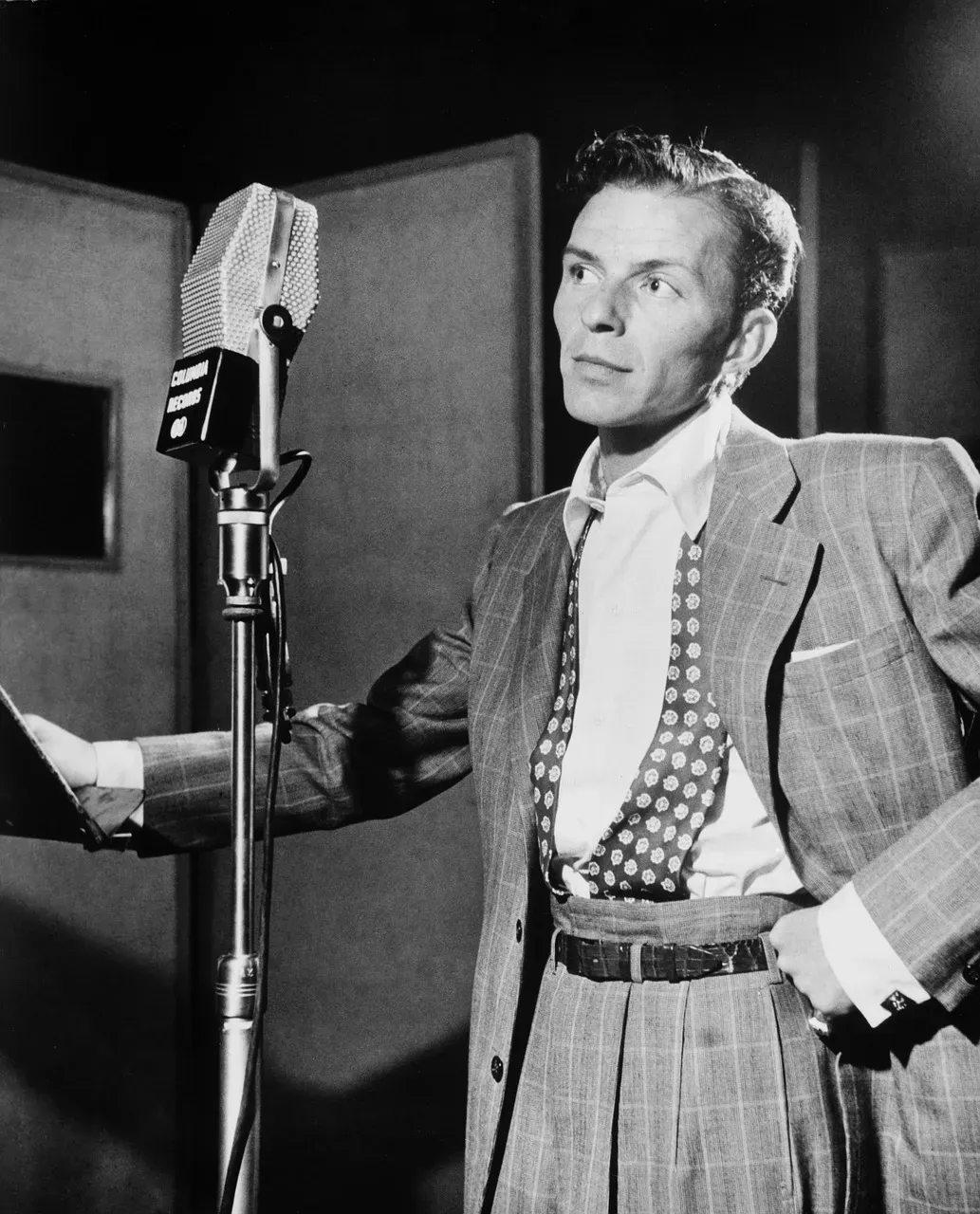
This often-overlooked 1970 album tells the story of a man left behind in a small town after his wife abandons him and their children. It’s Sinatra at his most vulnerable, singing Jake Holmes’s songs about loneliness, confusion, and quiet desperation. The album is stark and melancholic, stripped of the swagger that defined much of Sinatra’s career.
Each song reveals more about the narrator’s situation and emotional state. He tries to maintain normalcy for his kids while struggling to understand why his wife left. The small-town setting becomes a character itself, representing stagnation and dreams that never materialized. Sinatra’s performance is remarkably subtle, conveying deep pain without melodrama.
Watertown didn’t sell well when released, but it’s gained recognition as one of Sinatra’s most artistically ambitious works. It shows concept albums aren’t limited to rock or progressive music but can work in any genre willing to commit to storytelling.
Sturgill Simpson – A Sailor’s Guide to Earth


Simpson’s 2016 album is structured as a letter to his newborn son, offering advice and reflections on life, love, and the world he’s inheriting. It’s country music that refuses to stay in its lane, incorporating soul, rock, and even a Nirvana cover. The concept is simple but powerful, providing an emotional through-line that ties diverse musical styles together.
Simpson discusses his own experiences as a sailor, the challenges of relationships, and his hopes for his child’s future. Songs like “Brace for Impact” address mortality and legacy, while “In Bloom” reimagines Nirvana’s grunge anthem as a tender country ballad. The arrangements are lush, featuring horn sections and string arrangements that expand country music’s sonic palette.
The album won a Grammy and proved concept albums could be deeply personal without requiring elaborate fictional frameworks. Sometimes the most compelling story is just someone speaking honestly to someone they love.
Neutral Milk Hotel – In the Aeroplane Over the Sea

Jeff Mangum’s 1998 lo-fi masterpiece is cryptic and emotional, loosely inspired by Anne Frank’s diary. The album doesn’t tell her story directly but channels the feelings of reading about a young life cut short by horror. Mangum transforms historical tragedy into surreal, dreamlike songs filled with bizarre imagery and raw emotion.
The title track has become legendary for its strange beauty and oblique references. Mangum sings about two-headed boys, semen-stained mountaintops, and how he loves Anne Frank, creating a deliberately uncomfortable intimacy with history. The production is intentionally rough, adding to the album’s outsider-art feel.
In the Aeroplane Over the Sea achieved cult status years after its release, influencing countless indie artists. Its willingness to be weird and vulnerable simultaneously created something that feels genuinely unique, even among concept albums that pride themselves on originality.
Coheed and Cambria – The Second Stage Turbine Blade

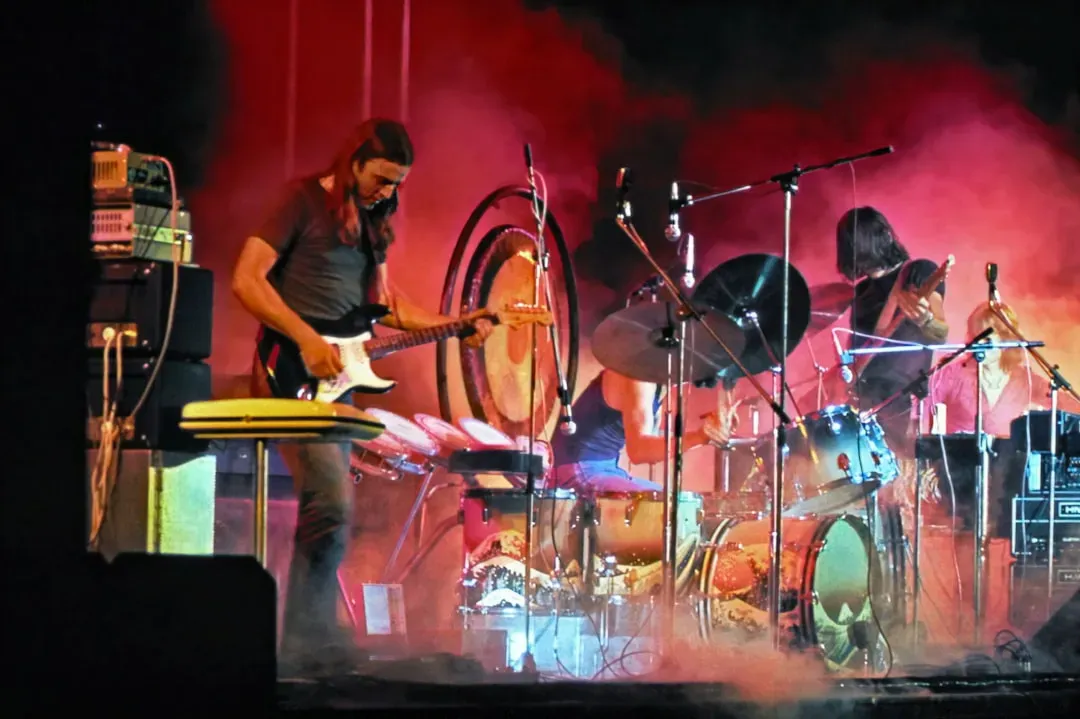
Claudio Sanchez launched his science fiction saga, The Amory Wars, with this 2002 album. The story spans multiple albums and comics, following Coheed and Cambria Kilgannon as they discover their children are the key to saving or destroying the universe. It’s ambitious progressive rock that doesn’t apologize for its complexity.
The album requires some outside knowledge to fully understand the plot, but the music works even without knowing every story detail. Sanchez’s high-pitched vocals and intricate guitar work create an intense, energetic sound that matches the epic scope. Songs like “Time Consumer” and “Everything Evil” blend melody with heaviness, building toward climactic moments.
Coheed and Cambria built an entire transmedia franchise around their concept, with comic books filling in narrative gaps. It’s a unique approach that treats albums as chapters in a much larger story, rewarding devoted fans willing to dive deep into the mythology.
Marvin Gaye – What’s Going On

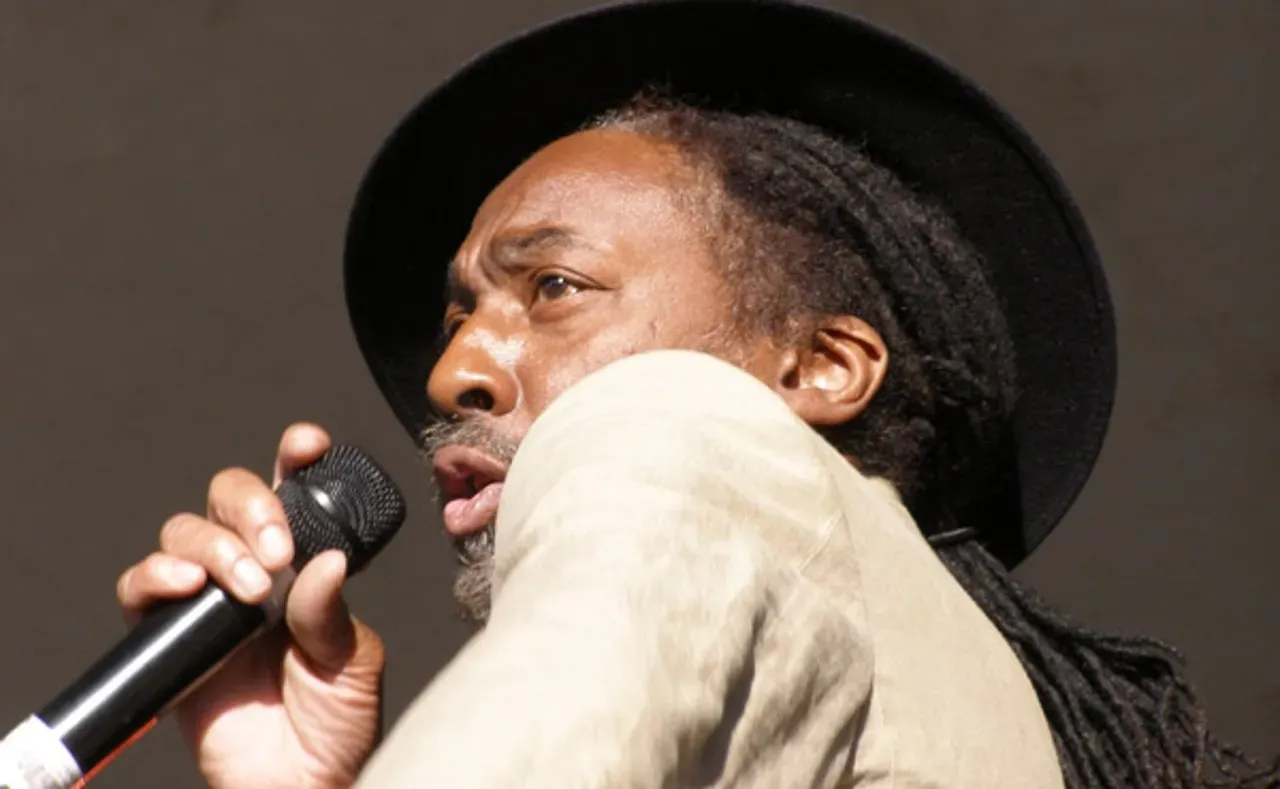
Gaye’s 1971 masterpiece uses a returning Vietnam veteran as its protagonist to explore war, poverty, drug addiction, and environmental destruction. The songs flow seamlessly together, creating a unified statement about America’s social problems. Gaye produced and wrote most of the album himself, fighting Motown executives who wanted him to stick to love songs.
The title track became an anthem for peace, while “Mercy Mercy Me” addressed environmental degradation and “Inner City Blues” examined poverty’s impact on communities. Gaye’s smooth vocals deliver harsh truths with grace, making the medicine go down easier. The production is sophisticated, layering instruments and voices to create a rich, complex sound.
What’s Going On proved soul music could tackle serious social issues and create concept albums with the best of rock. It influenced generations of artists across genres and remains shockingly relevant to contemporary issues.
Rush – 2112

The 20-minute title suite of this 1976 album tells a dystopian story set in the year 2112. A young man discovers an ancient guitar in a world where music and individuality have been banned by the ruling Priests of the Temples of Syrinx. He presents the guitar to the priests, hoping to share music’s joy, but they destroy it and crush his spirit. The protagonist ultimately kills himself, but his sacrifice inspires rebellion.
Geddy Lee, Alex Lifeson, and Neil Peart created an Ayn Rand-inspired tale about individualism versus collectivism. The music shifts through multiple movements, from aggressive rock to delicate acoustic passages, showcasing Rush’s progressive rock prowess. The suite builds to an explosive climax as the forces of freedom finally triumph.
2112 saved Rush’s career after previous albums underperformed. The band’s willingness to commit an entire album side to a single story demonstrated their artistic integrity and gave them the commercial breakthrough they needed.
Childish Gambino – Because the Internet

Donald Glover’s 2013 album came with a screenplay that provided context and narrative structure to the songs. The story follows The Boy, a wealthy but aimless young man navigating relationships, internet culture, and questions of authenticity. Glover explored how the internet shapes identity and whether genuine connection is possible in a constantly mediated world.
The album’s unconventional structure includes music interspersed with snippets of dialogue and ambient sounds that require the screenplay to fully appreciate. Songs like “3005” and “Sweatpants” work independently but gain additional meaning when understood as part of The Boy’s journey. Glover blended rap, funk, and R&B with experimental production that reflected the fragmented nature of online existence.
Because the Internet pushed boundaries of what concept albums could be in the digital age. Glover used multiple media formats to tell his story, recognizing that modern audiences consume art across various platforms simultaneously.
Queen – A Night at the Opera
While not a concept album in the traditional sense, Queen’s 1975 masterpiece flows like a theatrical production, complete with overtures, acts, and a grand finale. “Bohemian Rhapsody” itself is a mini-opera that tells a cryptic story of murder and redemption. Freddie Mercury never explained its meaning, leaving listeners to interpret the operatic sections and dramatic shifts.
The album moves through different moods and styles, from the delicate “Love of My Life” to the hard-rocking “Death on Two Legs.” Each song feels like a scene in a larger performance, connected by ambition and theatricality rather than explicit narrative. The production is legendarily elaborate, with hundreds of vocal overdubs creating Queen’s signature sound.
A Night at the Opera became one of rock’s most celebrated albums, proving you could create a unified artistic statement without following a linear story. Sometimes the concept is simply committing fully to ambition and refusing to play it safe. What do you think about these albums? Tell us in the comments.
Partner offer
Planning a trip to Vegas?
Compare hotel rates and show tickets on VEGAS.com.