Ever stared at an album cover and felt like something was staring back? Maybe you noticed a weird detail, a face in the shadows, or a symbol that seemed out of place. Turns out, you weren’t imagining things. Some of the most iconic album covers in music history are packed with hidden messages, inside jokes, and cryptic symbols that artists slipped in when nobody was looking.
From secret references to personal tragedies to political statements disguised as abstract art, these covers tell stories that go way beyond the music itself. Some were intentional breadcrumbs left for fans to discover. Others? Pure accidents that took on a life of their own. Let’s dive into the hidden world beneath the surface.
The Beatles – Abbey Road and the Paul Is Dead Conspiracy

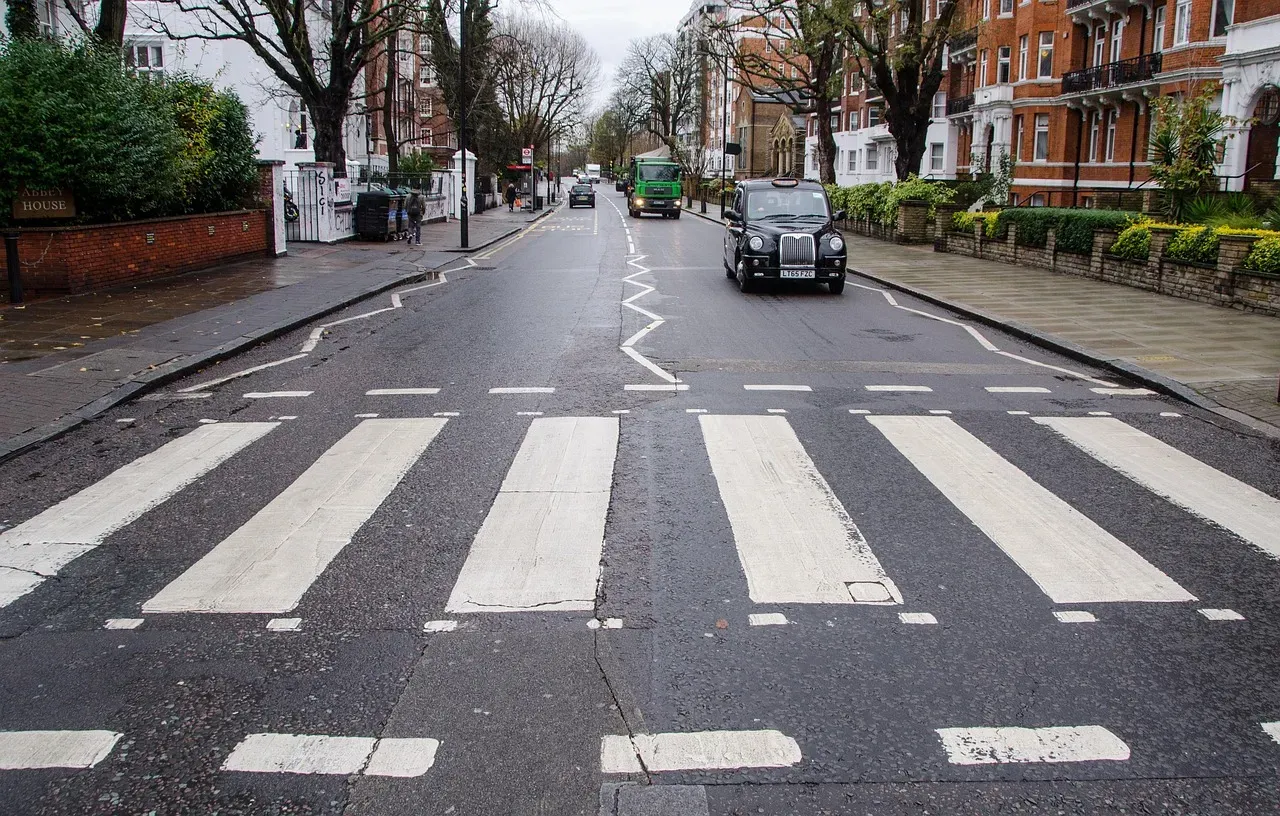
The crosswalk. Four guys. Simple, right? Not according to conspiracy theorists who spent decades dissecting every detail of this 1969 cover. Paul McCartney walks barefoot, which supposedly symbolizes death in some cultures. He’s also out of step with the other three Beatles, and the license plate on the Volkswagen Beetle in the background reads “28IF,” which fans claimed meant Paul would have been 28 if he had lived.
The whole “Paul is dead” theory became one of rock’s most enduring myths. John Lennon later laughed it off, but the symbolism stuck. Whether it was intentional or not, the cover became a treasure map for fans convinced something sinister was hidden in plain sight.
Pink Floyd – The Dark Side of the Moon Prism

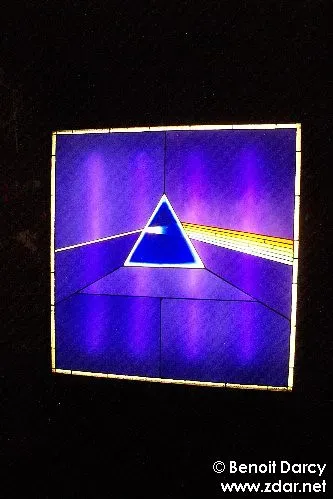
That prism splitting white light into a rainbow became one of the most recognizable images in rock history. But it wasn’t just about looking cool. Designer Storm Thorgerson wanted to represent the band’s light shows and the idea of madness, ambition, and human experience fragmenting under pressure.
The clean, geometric design was a deliberate contrast to the psychedelic chaos of earlier album art. It symbolized clarity emerging from confusion, which mirrors the album’s themes about mental health and societal pressures. The simplicity made it timeless, but the meaning runs deeper than most people realize.
Nirvana – Nevermind and the Dollar Bill Hook


A naked baby swimming toward a dollar bill on a fishhook. Kurt Cobain’s vision was blunt commentary on capitalism and innocence corrupted by greed. The baby represents purity, the dollar bill represents materialism, and the fishhook? That’s the trap.
Cobain wanted to expose how society conditions people from birth to chase money at any cost. The image was controversial even then, but it perfectly captured the anti-establishment spirit of grunge. The baby, Spencer Elden, later recreated the photo as an adult, but the original remains a snapshot of 1990s disillusionment.
The Velvet Underground & Nico – The Banana You Could Peel

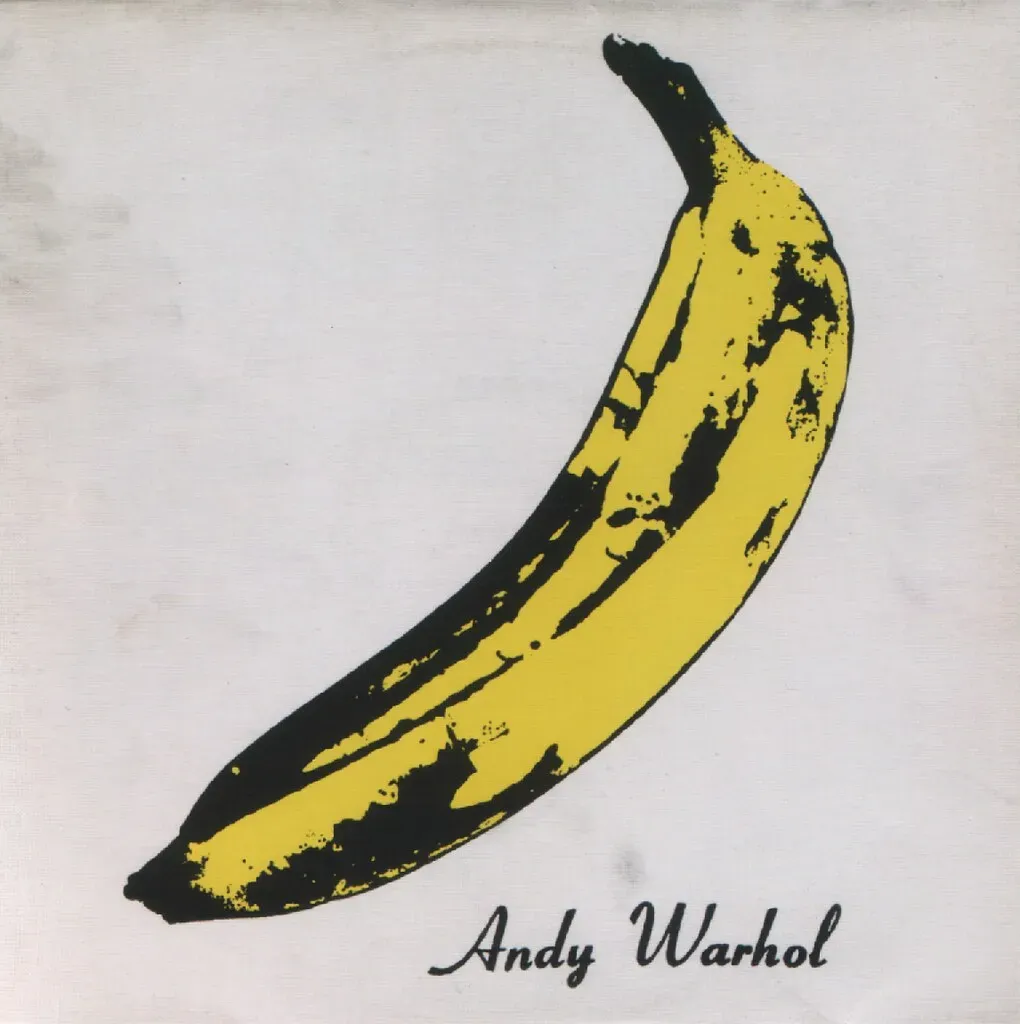
Andy Warhol designed this 1967 cover, and original pressings featured a banana sticker you could actually peel to reveal a flesh-colored banana underneath. On the surface, it’s pop art. Beneath that? It’s layered with sexual innuendo and Warhol’s signature ability to make everyday objects feel provocative.
The banana became shorthand for the album’s exploration of taboo subjects like drug use and underground culture. Warhol wanted something playful yet subversive, and he nailed it. The interactive element made fans feel like they were in on a secret, even if the secret was just a peeled banana.
Led Zeppelin – Houses of the Holy UFO Theory

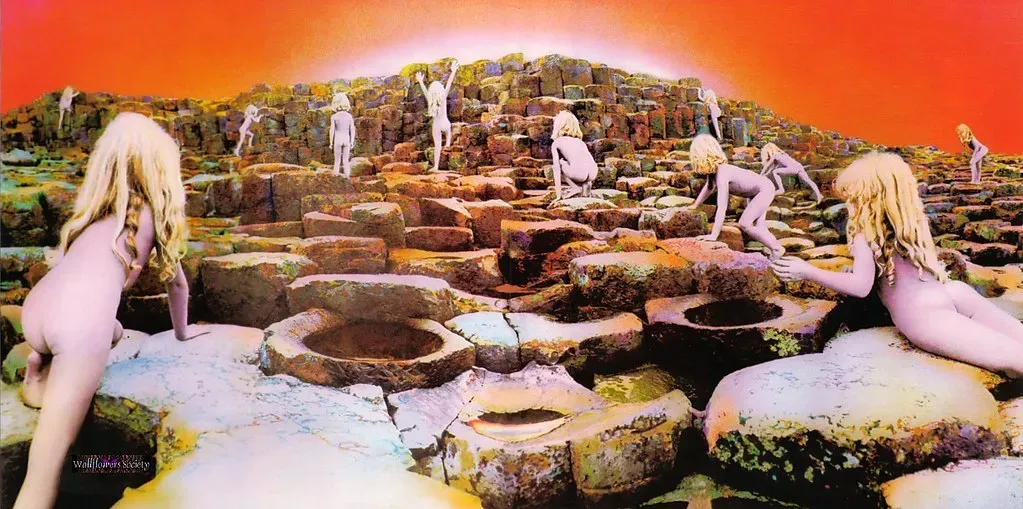
Naked children climbing the Giant’s Causeway in Northern Ireland. The cover sparked outrage when it was released in 1973, but the symbolism goes beyond shock value. The children represent innocence ascending toward enlightenment, and the surreal coloring gives the whole scene an otherworldly vibe.
Some fans saw UFOs in the sky above the rocks, sparking theories about alien symbolism. Designer Aubrey Powell said the image was inspired by Arthur C. Clarke’s “Childhood’s End,” a novel about humanity’s evolution. Whether you see spiritual awakening or creepy sci-fi vibes, the cover definitely makes you look twice.
Radiohead – OK Computer and the Fear of Technology


The fractured, collage-style artwork reflects the album’s paranoia about modern life and technology. Stanley Donwood and Thom Yorke created a visual mess of highway overpasses, cryptic text, and dystopian landscapes. It feels like a nervous breakdown translated into images.
Hidden throughout the artwork are warnings about surveillance, alienation, and the dehumanizing effects of progress. The fragmented design mirrors the album’s themes of disconnection and anxiety. It’s not pretty, but it’s supposed to make you uncomfortable. That’s the point.
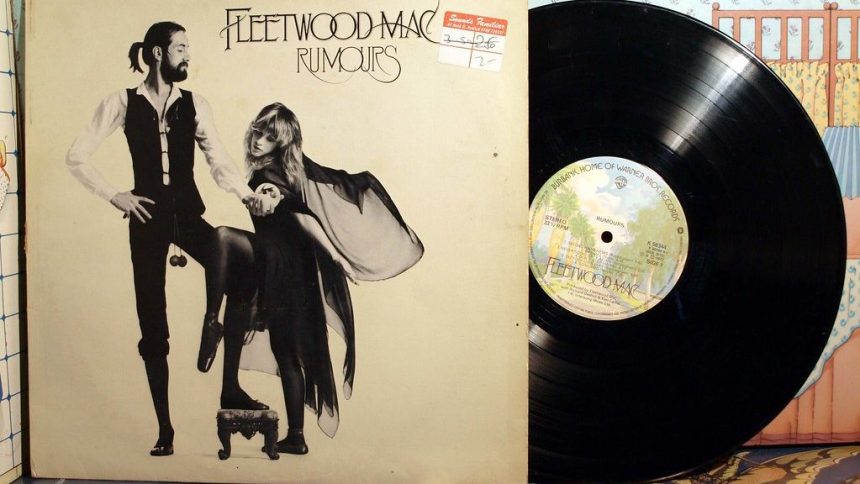
Fleetwood Mac – Rumours and the Toilet Paper

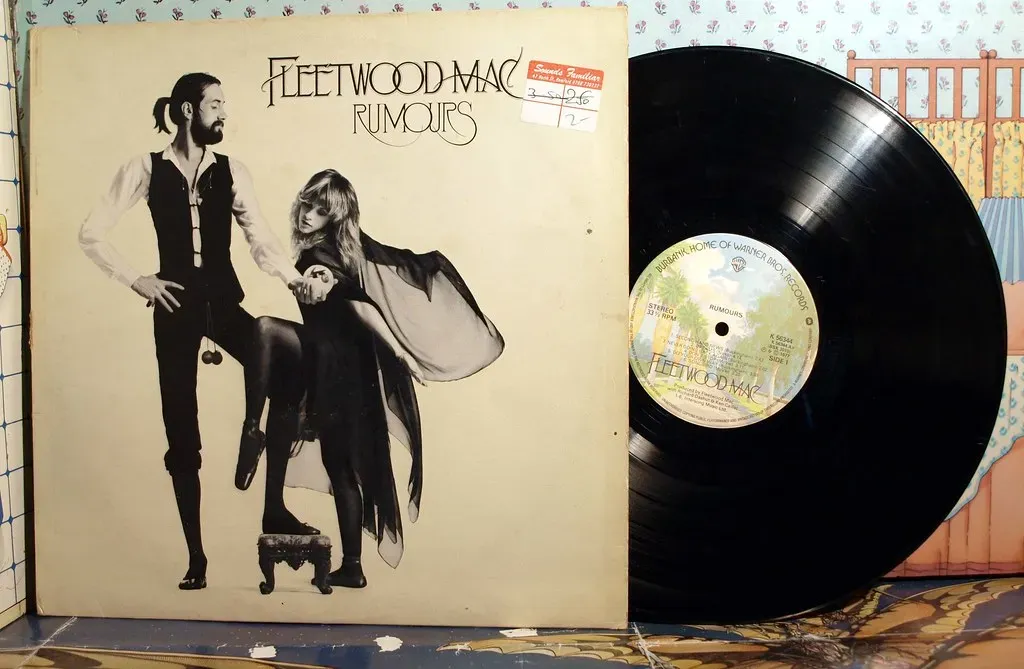
Look closely at Mick Fleetwood’s crotch on the back cover. That’s a toilet paper roll hanging from his belt. Why? Because the album’s title plays on the rumors swirling around the band’s messy relationships and infighting. The toilet paper was a cheeky nod to how much gossip was flying around.
It’s a blink-and-you-miss-it detail, but it sums up the band’s sense of humor during one of their most turbulent periods. They were falling apart personally but somehow made one of the best-selling albums of all time. The toilet paper is both a joke and a middle finger to the media.
Iron Maiden – Somewhere in Time Eddie’s Details

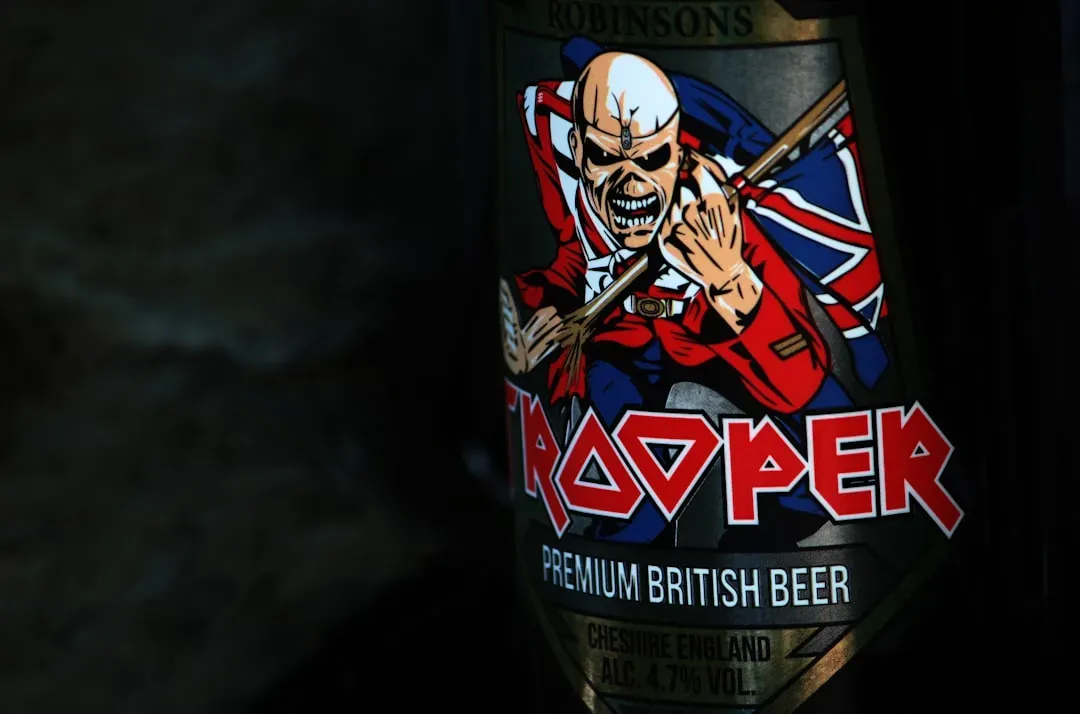
Iron Maiden’s mascot Eddie appears on every cover, but the “Somewhere in Time” version is packed with Easter eggs. The futuristic cityscape includes references to past albums, other bands, and sci-fi movies. There’s a cinema marquee advertising “The Phantom of the Opera” and posters for earlier Maiden albums.
Artist Derek Riggs stuffed the image with tiny details that reward obsessive fans. Eddie himself is a cyborg, symbolizing the album’s blend of past and future. The more you look, the more you find. It’s like a Where’s Waldo of heavy metal references.
David Bowie – Aladdin Sane Lightning Bolt
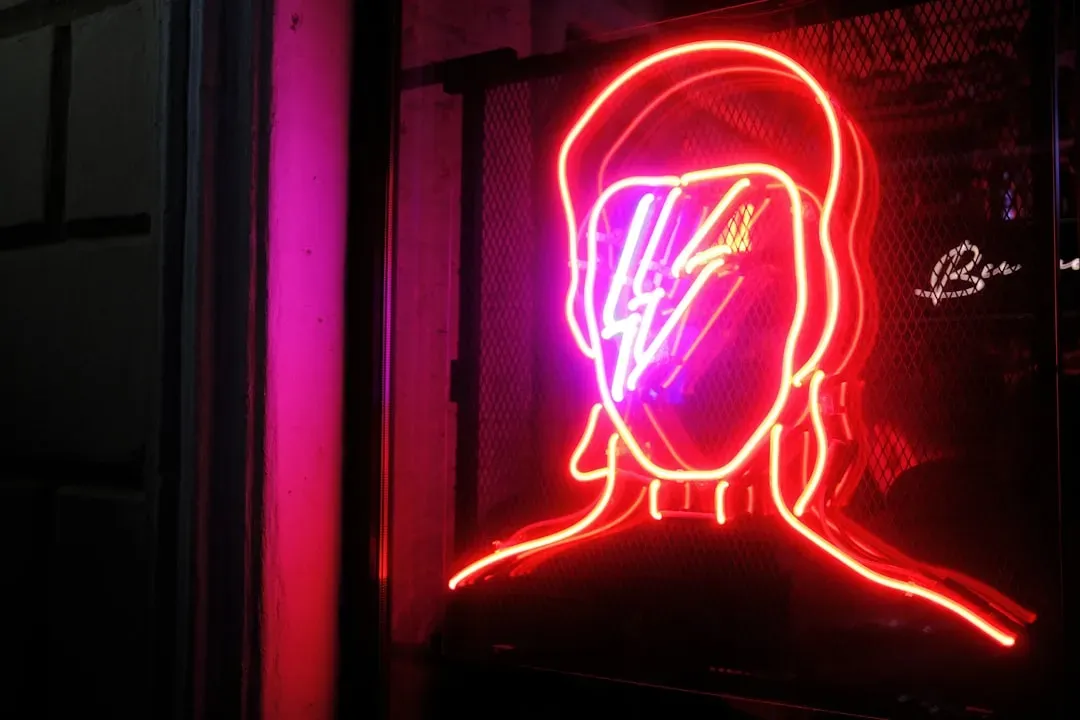
That red and blue lightning bolt across Bowie’s face became one of the most iconic images in music. Makeup artist Pierre La Roche created it as a symbol of duality, representing the split between Bowie’s personas and the fractured nature of fame.
The bolt also echoes themes of electricity, energy, and transformation. Bowie wanted to look alien and futuristic, and the lightning bolt made him seem like a visitor from another dimension. It’s simple but unforgettable, and it’s been copied and referenced countless times since.
The Rolling Stones – Sticky Fingers Zipper


Andy Warhol designed another provocative cover, this time featuring a close-up of a man’s crotch in tight jeans with a real working zipper. The sexual symbolism is obvious, but the zipper also represents the album’s raw, unfiltered energy.
Original vinyl pressings had an actual metal zipper you could unzip to reveal underwear underneath. It was bold, controversial, and perfectly captured the Stones’ bad-boy image. The cover got banned in some places, which only made it more legendary.
Metallica – Master of Puppets Graveyard of Crosses

Rows of white crosses stretch into the distance, symbolizing the lives destroyed by addiction and control. The strings connecting to unseen hands above represent manipulation, tying directly into the album’s themes of power and enslavement.
The cover is bleak and haunting, reflecting the darkness of songs about war, drugs, and losing autonomy. It’s not subtle, but it’s effective. The graveyard imagery leaves no doubt about the album’s message: someone else is pulling the strings, and you’re just a puppet.
Joy Division – Unknown Pleasures Pulsar Waves

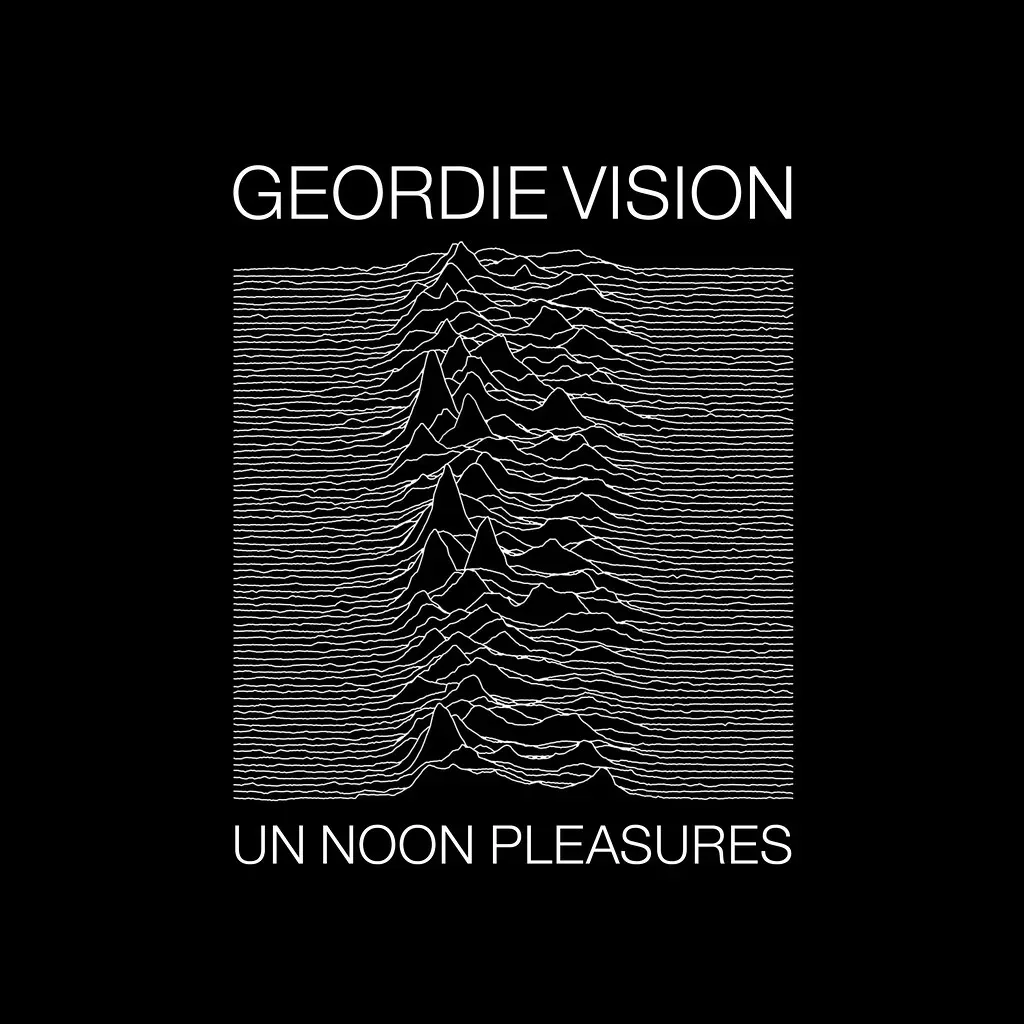
Those jagged white lines on a black background? They’re actually data from the first pulsar ever discovered. Designer Peter Saville found the image in an astronomy encyclopedia and thought it looked cool. The band agreed, and it became one of the most minimalist and recognizable covers ever.
The pulsar waves symbolize the unknown, the cosmic, and the unknowable. It fits perfectly with Joy Division’s cold, haunting sound. The design has been endlessly copied and parodied, but the original still feels mysterious and distant, like the music itself.
Black Sabbath – Self-Titled Debut Witch in the Woods

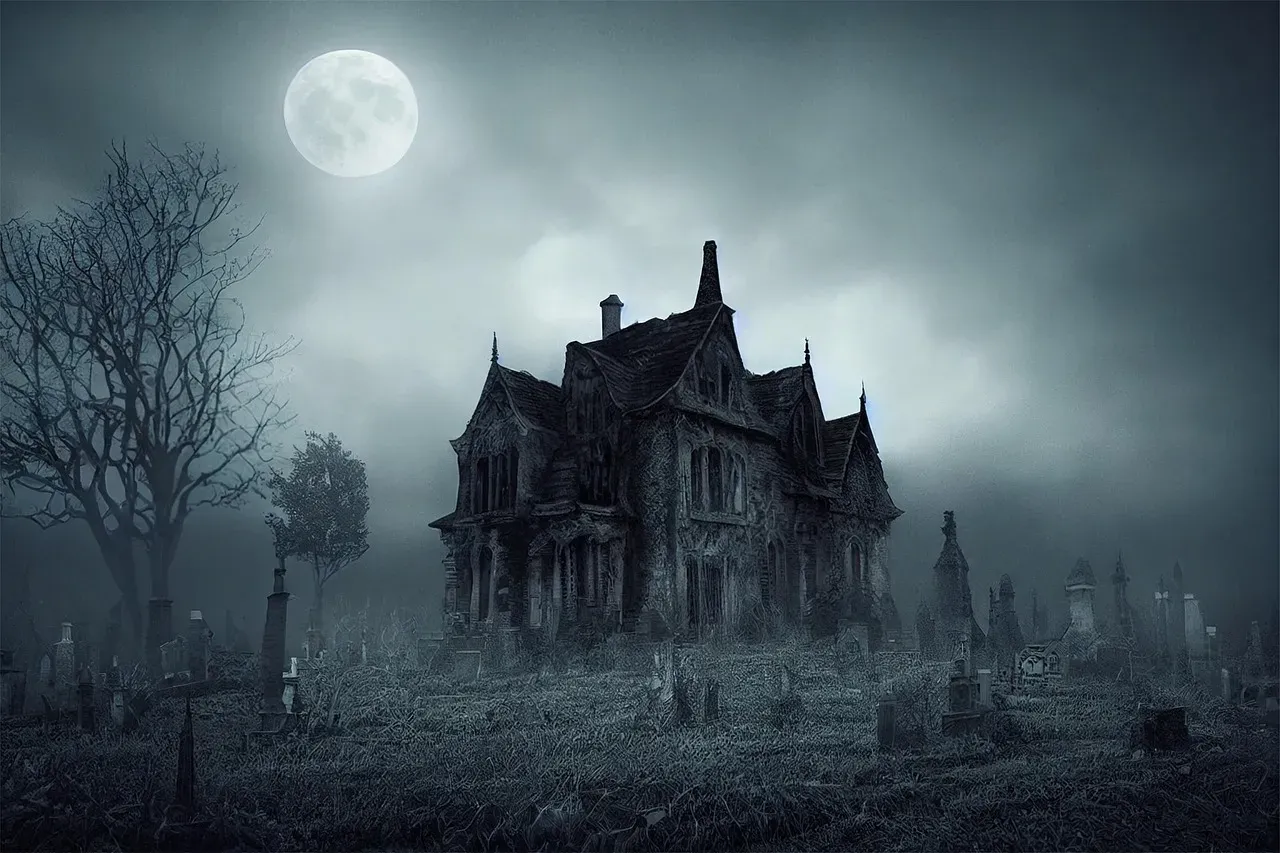
A ghostly woman stands in front of a crumbling house, surrounded by dead trees. The image sets the tone for the entire doom metal genre. The figure represents fear, the occult, and the darkness the band wanted to explore musically.
The woman was actually a model named Louisa Livingstone, but fans have debated for decades whether she’s a ghost, a witch, or just a creepy presence. Either way, the cover perfectly captures the sinister vibe Sabbath was going for. It’s horror movie atmosphere compressed into a single image.
Prince – Lovesexy Naked and Unashamed
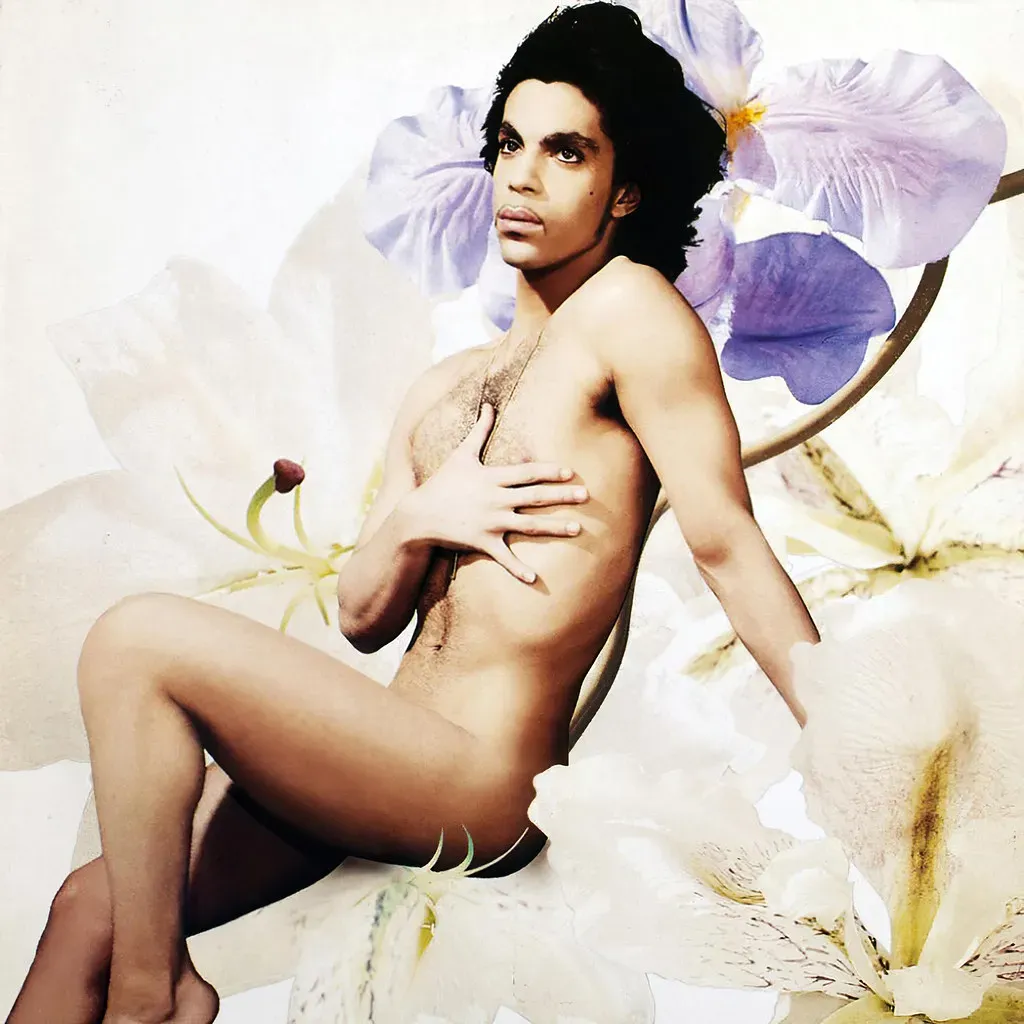
Prince posed completely nude on a bed of flowers, staring directly at the camera. The cover was banned by several retailers, but Prince didn’t care. The nudity symbolized rebirth, spiritual awakening, and freedom from shame.
The flowers represent purity and natural beauty, contrasting with the provocative nudity. Prince wanted to challenge social norms and force people to confront their discomfort. It was bold, unapologetic, and perfectly Prince. The cover became a statement about self-acceptance and breaking boundaries.
The Smiths – The Queen Is Dead Margaret Thatcher Reference


The grainy black-and-white photo of French actor Alain Delon seems random until you realize it’s from a 1960s film. Morrissey chose the image to evoke nostalgia and British identity during Thatcher’s rule, which the band openly opposed.
The title itself is a provocative jab at the monarchy and the British establishment. The cover’s vintage aesthetic contrasts sharply with the album’s sharp social commentary. It’s a quiet rebellion disguised as a stylish throwback.
Rage Against the Machine – Self-Titled Monk on Fire


The cover shows Thích Quảng Đức, a Buddhist monk, self-immolating in protest of the South Vietnamese government in 1963. It’s a powerful image of resistance and sacrifice, perfectly aligned with Rage’s message of political defiance.
The band chose the photo to highlight the cost of standing up against oppression. It’s not comfortable to look at, but it’s supposed to make you think. The image is a reminder that some people are willing to die for their beliefs, and Rage wanted that spirit to define their music.
Daft Punk – Discovery Anime Influence


The colorful, anime-inspired artwork was tied to the “Interstella 5555” film collaboration with Leiji Matsumoto. The cover features the band’s robotic personas in a futuristic, dreamlike setting. The anime style symbolizes Daft Punk’s love of Japanese pop culture and their vision of a utopian electronic future.
The vibrant colors and otherworldly design reflect the album’s themes of exploration and transformation. It’s a departure from their earlier, darker aesthetic, signaling a shift toward more playful, optimistic sounds. The cover invites you into a fantasy world where robots make music and anything is possible.
The Clash – London Calling Smashing the Bass

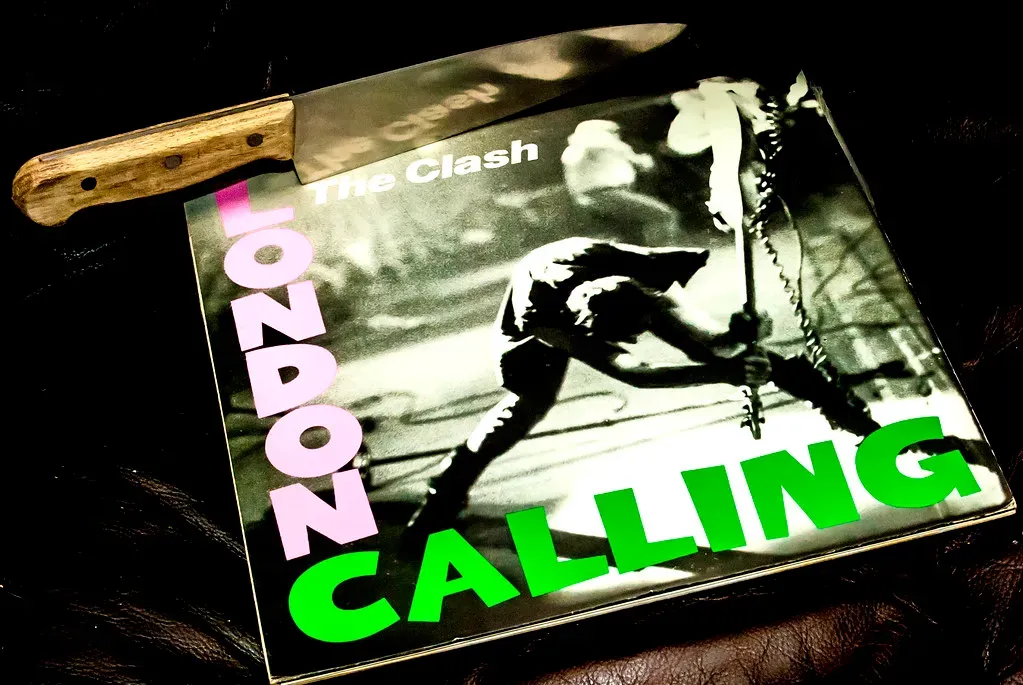
Paul Simonon smashing his bass guitar on stage became one of punk’s defining images. Photographer Pennie Smith captured the moment during a 1979 concert, and it perfectly encapsulates punk’s raw energy and frustration.
The cover is a visual explosion of anger and rebellion. Simonon later said he was frustrated with the sound system and just snapped. The image became a symbol of punk’s DIY ethos and willingness to destroy conventions. It’s chaos frozen in time.
Eagles – Hotel California Window Shadow


The Beverly Hills Hotel glows warmly at sunset, but look closely at the windows. Some fans claim to see shadowy figures, sparking theories about the song’s rumored references to Satanism or the darker side of fame. The band has never confirmed the theories, but the ambiguity adds to the mystique.
The hotel itself represents the illusion of paradise hiding something sinister underneath. The cover’s warm colors contrast with the song’s unsettling lyrics about being trapped in luxury. It’s beautiful and unsettling at the same time.
Wu-Tang Clan – Enter the Wu-Tang Kung Fu Homage

The cover mimics old kung fu movie posters, complete with a gritty, retro aesthetic. The Wu-Tang logo and martial arts imagery symbolize the group’s philosophy of discipline, loyalty, and combat through lyrics. Kung fu movies were a huge influence on the group’s identity.
The scratched, worn look of the cover reflects the roughness of Staten Island streets and the raw production style of the album. It’s a visual bridge between Eastern philosophy and Western hip-hop, showing how Wu-Tang blended cultures into something entirely new.
Album covers have always been more than just packaging. They’re visual statements, hidden messages, and sometimes accidental mysteries that take on lives of their own. These twenty examples prove that the best covers aren’t just eye candy but windows into the artist’s mind.
Next time you’re flipping through vinyl or scrolling through streaming artwork, take a closer look. You might just find a secret staring back at you. What hidden details have you spotted in your favorite album covers? Let us know in the comments.