
Picture this. It’s Friday afternoon in Las Vegas, and you’re planning a weekend getaway to Red Rock Canyon or maybe a show on the Strip. You’re counting down the hours until you can clock out and enjoy two full days of freedom. It feels natural, doesn’t it? Like it’s always been this way.
Here’s the thing, though. That weekend you’re looking forward to didn’t just appear out of thin air. It wasn’t a gift from benevolent business owners or a natural law of the universe. The weekend as we know it was fought for, bled for, and won through decades of struggle by workers who refused to accept that life should be nothing but endless toil. So let’s dive in.
The Grim Reality Before Weekends Existed

Before the concept of the weekend took shape, workers across America faced brutal schedules that demanded six or even seven days a week of labor, with shifts stretching from twelve to sixteen hours daily. Imagine leaving for work before sunrise and returning home after dark, day after day, with barely enough time to see your family or rest your aching body. Factories were windowless dungeons locked in darkness, where rats scurried among machinery and child laborers developed physical deformities from standing too long in cotton mills. This was the price of the Industrial Revolution, where human beings became mere cogs in a relentless machine.
Workers endured ten to fourteen hour days, six or seven days a week, facing immense mental and physical tolls where injuries and deaths were commonplace. There was no time for friends, no space for personal growth, no breathing room for anything resembling a full life.
Religious Traditions Planted the First Seeds
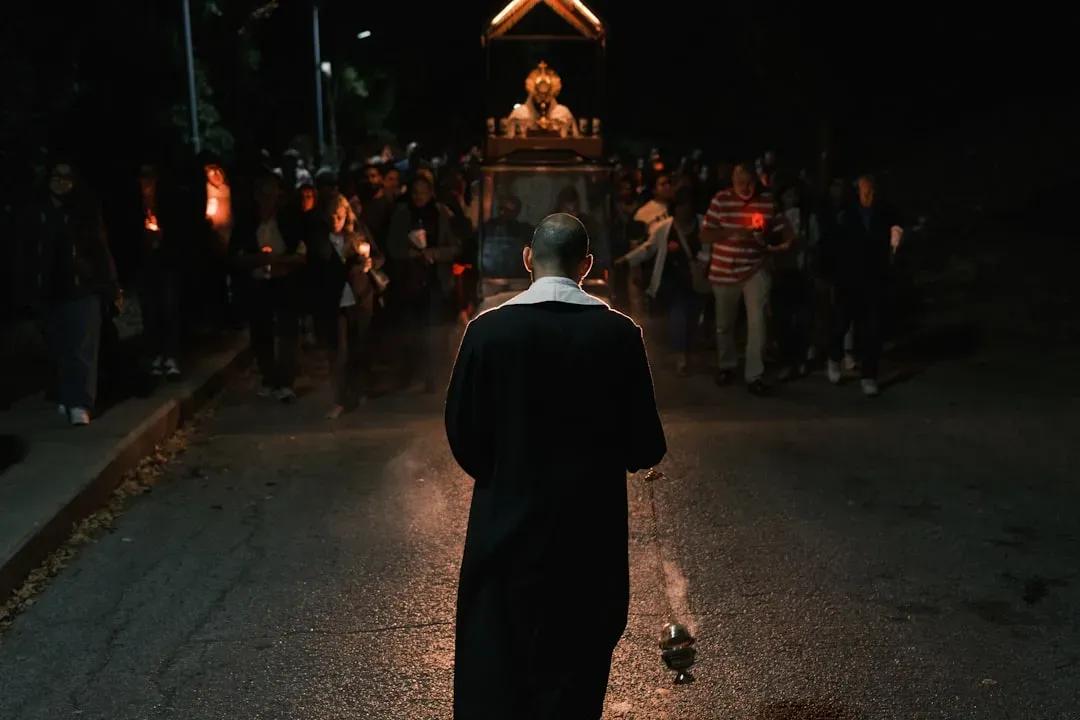
The notion of taking Sunday off from work had deep roots in Christian traditions, where it was widely adopted in Western societies as a day of rest. For centuries, religious observance provided the only real break most people got from their labors. Other days of rest, such as the Christian Sunday and the Islamic Friday, owe their origins to the Jewish Sabbath, which had established the revolutionary concept of a weekly day devoted to rest and worship.
Roman Emperor Constantine I issued a civil decree on March 7, 321, making Sunday a day of rest from labor. Still, for most working people through the centuries that followed, this religious rest day was about the only respite they could count on. One day. That’s all.
The Birth of “Saint Monday”
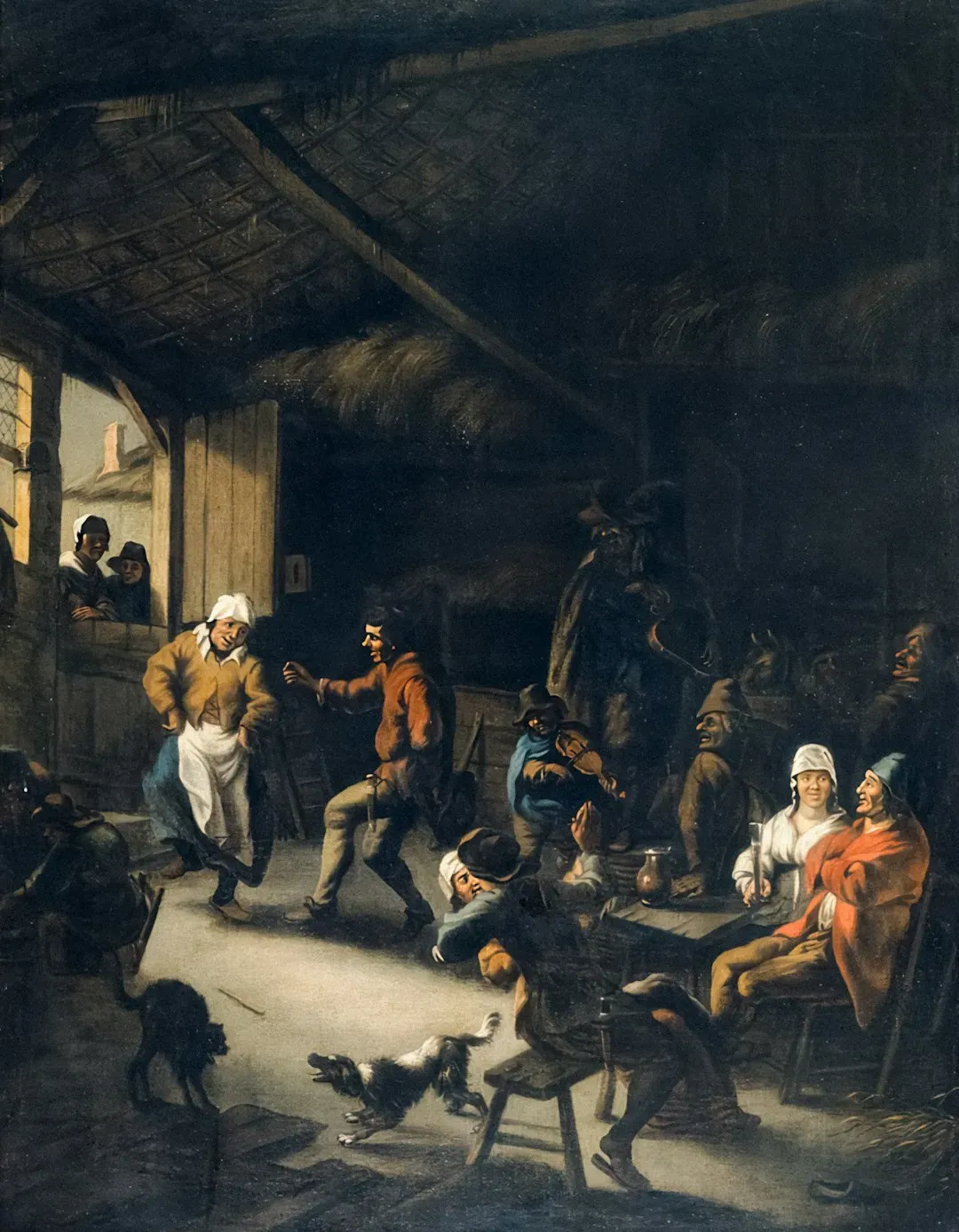
Let’s be real. Workers weren’t always willing to wait for permission to take time off. In the seventeenth century, working men often took Monday off to spend their money, which was typically paid on Saturday, in what became known as “Saint Monday”. This unofficial practice spread among artisans and craftsmen who simply refused to show up on Mondays, choosing instead to nurse hangovers or enjoy their leisure time at alehouses.
Beginning in the seventeenth century, a tradition of absenteeism on Monday among artisan workers became known as Saint Monday, as these workers believed a single rest day on Sunday was simply insufficient. Employers hated it, of course. They wanted every ounce of productivity they could squeeze from their workforce, but workers had decided that two days of rest weren’t just nice to have. They were necessary for survival.
Workers Begin Organizing for Eight Hour Days
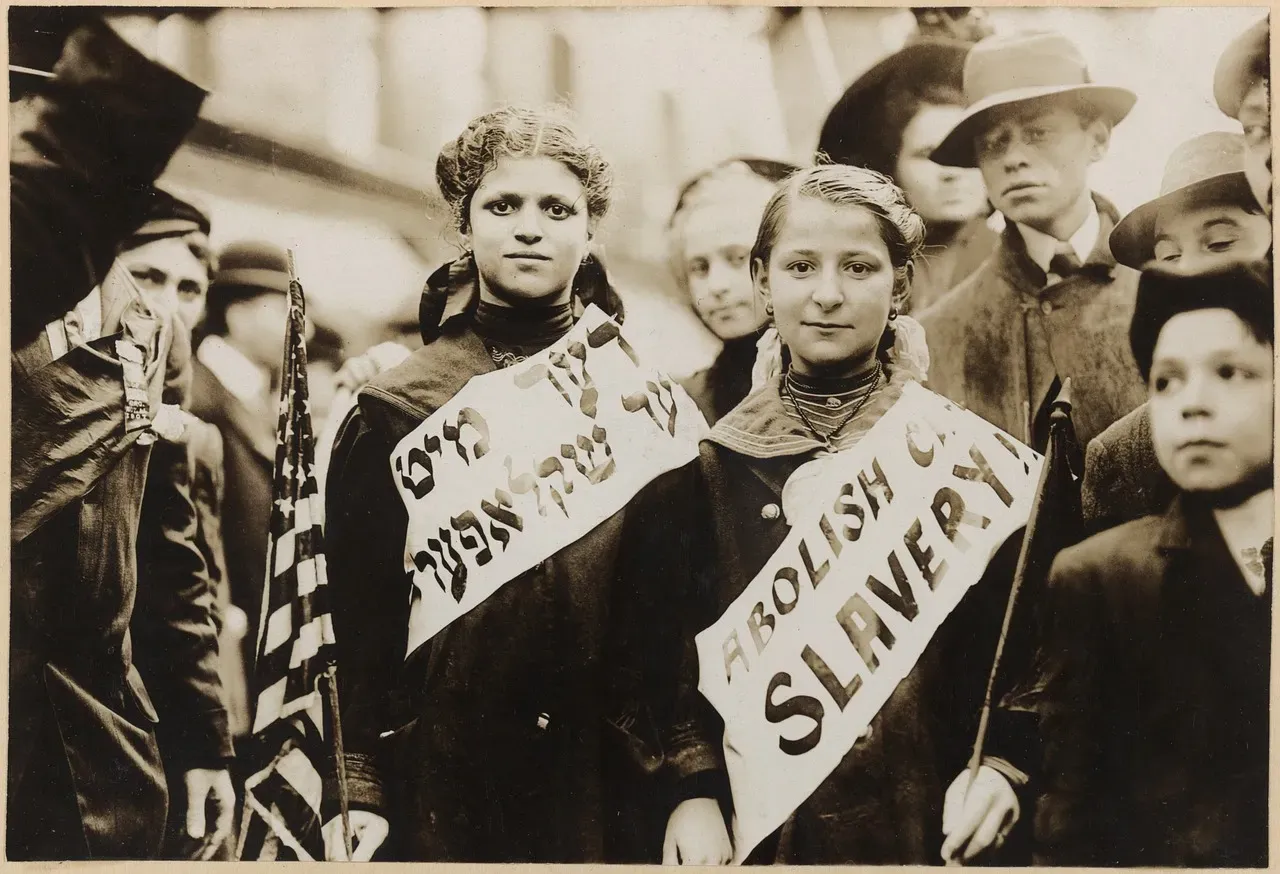
Unions had begun campaigning for an eight hour workday starting in the 1860s, and in 1866, the National Labor Union was founded with one of its first acts being to pass a resolution calling for an eight hour workday. The dream was simple but radical: divide the day into three equal parts. Eight hours for work, eight hours for rest, eight hours for whatever you wanted.
The movement’s powerful slogan echoed across the nation: Eight hours for work, eight hours for rest, and eight hours for what we will. The cause was taken up by pioneering labor unions like the American Federation of Labor and the Knights of Labor, who advocated for better working conditions and fair wages, though the movement faced brutal suppression from employers.
The Haymarket Affair Changes Everything

Things came to a head in 1886. On May 1, 1886, a general strike saw 250,000 laborers walk off their work premises across America, with the largest numbers in the Chicago area. Tensions were high, and violence erupted. In Chicago, peaceful marches morphed into violence, with an explosion marring a rally at Haymarket Square on May 4, 1886, leaving seven police officers and four workers dead.
The aftermath was devastating for the labor movement. Four alleged anarchist labor leaders were convicted of conspiracy to commit murder and hanged, while three more men remained imprisoned until they were pardoned by Illinois governor John Peter Altgeld in 1893. The Haymarket Riot branded as radical the eight hour day movement and diminished popular support for organized labor. Progress stalled, but the fire hadn’t gone out.
The Half Day Saturday Compromise
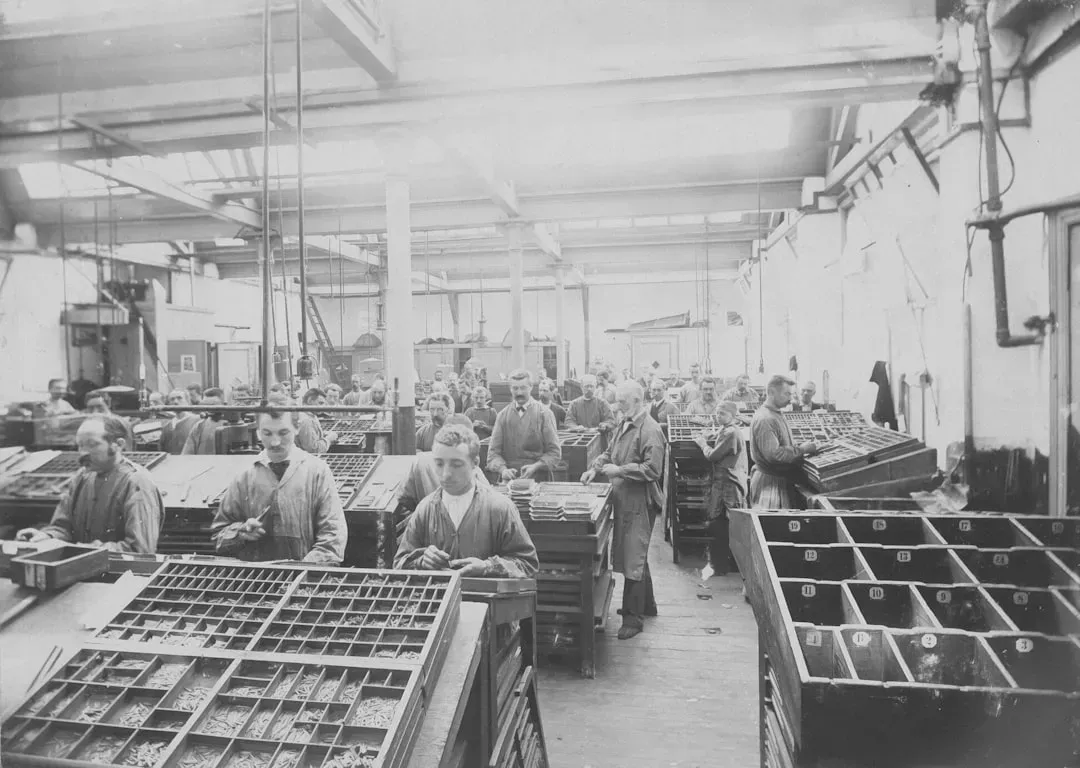
In the nineteenth century, an ever increasing number of British factories gave their workers a half day off on Saturday with the understanding that they would come in sober on Monday. This wasn’t generosity. Employers were trying to curb the Saint Monday tradition by offering a compromise, a little breathing room at the end of the work week in exchange for showing up reliably at the start of the next one.
After decades of campaigning by shop workers, the 1911 Shops Act was passed in Britain, giving a half day a week off in addition to Sunday for shop staff, and once the right had been granted to a few workers, it became impossible to stop its spread. Honestly, it’s hard to imagine now, but even this modest concession felt like a massive victory at the time.
The Jewish Sabbath Influences the Two Day Model

The Jewish Sabbath, observed from Friday evening to Saturday evening, played a pivotal role in shaping the modern weekend, as this tradition of rest contributed to the establishment of a two day weekend when societies sought to accommodate diverse religious practices. In 1908, the first five day workweek in the United States was instituted by a New England cotton mill so that Jewish workers would not have to work on the Sabbath from sundown Friday to sundown Saturday.
This was done to settle issues resulting from Jewish workers not being available on the Sabbath and Christian staff demanding the same treatment. When one group of workers got a day off, others started asking why they shouldn’t have the same. It created a domino effect that employers found increasingly difficult to resist.
World War One Brings Temporary Gains

Fearing that strikes would slow the production of essential wartime equipment, President Wilson created the National War Labor Board to intervene in labor disputes and force employers to recognize collective bargaining, resulting in a brief golden age for American workers during 1917 and 1918, including widespread adoption of the eight hour day. When the nation needed maximum production for the war effort, suddenly shorter hours and better conditions became possible.
When the war ended on November 11, 1918, industrialists tried to roll back the gains made by workers by increasing hours, but they were met with fierce opposition as emboldened American workers organized 3,000 strikes in 1919 involving more than four million laborers. Workers had tasted what better conditions felt like, and they weren’t about to give them up without a fight.
Henry Ford Makes a Bold Business Decision

On September 25, 1926, Henry Ford announced the introduction of an eight hour workday and a five day workweek, marking a significant departure from prevailing work practices. Now, let’s not paint Ford as some kind of workers’ hero. This move was not only a response to labor demands but also a strategic business decision aimed at increasing productivity, as Ford recognized that well rested workers were more efficient and motivated.
Ford wanted his workers to be well paid and well rested so they would use their leisure time to buy more things, including his cars. It was capitalism at its finest, really. Give workers enough money and time off so they become consumers who can afford to purchase the very products they’re making. Since Ford was the most influential industrialist of his day, other large companies followed his lead.
The Eight Hour Day Finally Becomes Law for Railroads

The first major win came with the Adamson Act in 1916, groundbreaking legislation that established an eight hour workday for railroad workers, spearheaded by the Brotherhood of Locomotive Engineers and backed by President Woodrow Wilson. Railroad workers were crucial to the American economy, and when they pushed for better conditions, the government listened.
This victory mattered enormously because it set a precedent. Bolstered by the success of railway workers, laborer unions in other industries began fighting to secure these rights for workers everywhere. One industry at a time, the eight hour day was becoming a reality rather than just a distant dream.
The Great Depression Accelerates Change

Economic catastrophe, oddly enough, became a catalyst for progress. During the Depression of 1929, many industries began cutting back to a five day schedule, reasoning that in a tumultuous, underemployed economy, fewer hours for some would mean more work for others. Americans experienced what it was to work less, and they liked it, which politicians noticed.
The logic was straightforward. If you spread the available work across more people by reducing everyone’s hours, you could reduce unemployment. Whether that actually worked as intended is debatable, but it did give millions of Americans their first real taste of a genuine weekend.
The Fair Labor Standards Act of 1938
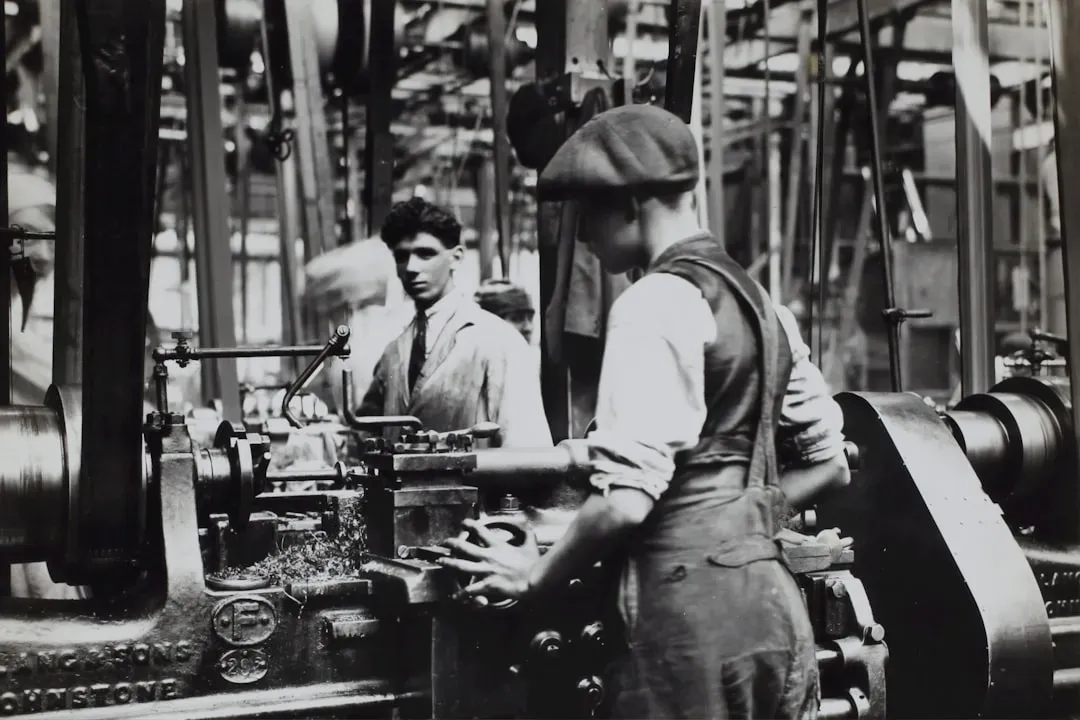
Guided along by organized labor, with President Roosevelt signing off, the Fair Labor Standards Act of 1938 enshrined the modern weekend, promising Americans the eight hour day and the forty hour workweek. President Franklin D. Roosevelt signed into law the American Fair Labor Standards Act as part of the New Deal, initially codifying a forty four hour workweek before adjusting the limit to forty hours two years later.
This was it. The culmination of nearly a century of organizing, striking, bleeding, and dying for the right to a humane work schedule. This landmark law standardized the forty hour work week, effectively cementing the two day weekend for American workers by limiting the work week and ensuring that overtime was fairly compensated.
The 1940 Amendment Solidifies the Forty Hour Week
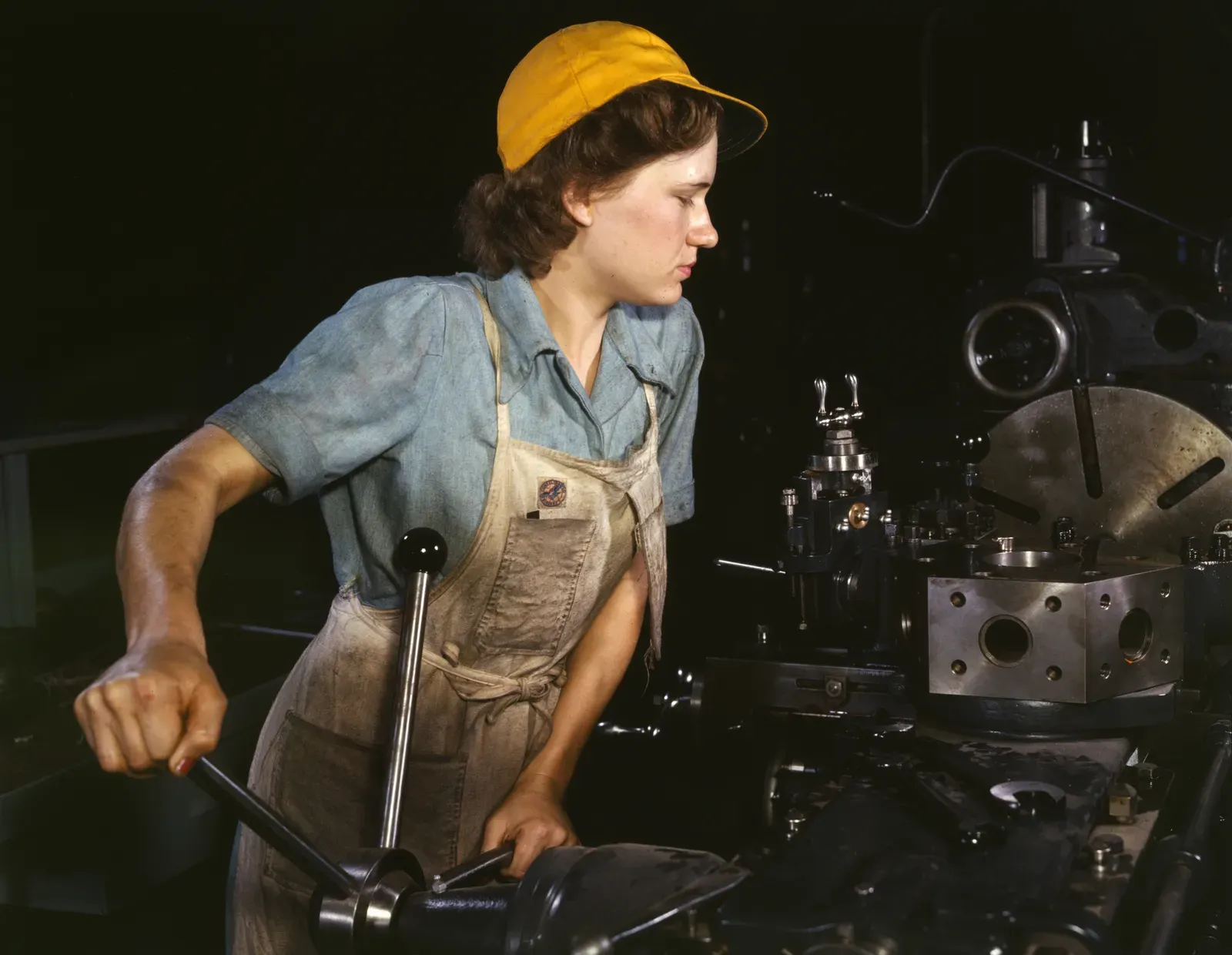
In 1940, when the Fair Labor Standards Act was amended to bring the overtime threshold down to forty hours per week, the forty hour workweek and two day weekend became officially mandated across the United States. Any work beyond forty hours now required employers to pay workers overtime at a higher rate. This wasn’t just about limiting hours. It was about making excessive work financially painful for employers.
The weekend had finally become law. What generations of workers had fought for, what had seemed impossible just decades earlier, was now the standard across the nation. Still, enforcement was another matter entirely, and many workers continued to face exploitation.
The Weekend Spreads Across the Globe

The weekend skipped across the globe over the next several decades. The five day week was adapted across Europe by the 1970s. What had begun as a radical demand by exhausted American workers became a global norm, transforming work culture on every continent where industrialization took hold.
Different countries adapted the concept to their own cultural and religious contexts. Historically, many Islamic nations have used Thursday and Friday as their weekends, though this tendency is fading as many nations switch to the western model to simplify business interactions, with many practicing Muslims still requiring extra prayer time on Fridays.
Labor Unions Remain the Driving Force
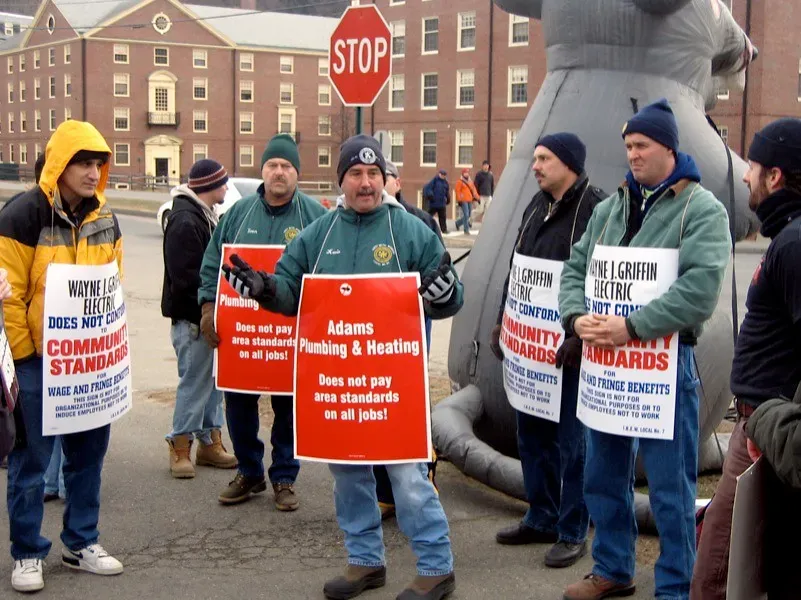
Let’s be honest about something. Experts said unions deserve credit for keeping the working hours issue alive, at significant personal sacrifice, for seventy years. Unions were crucial in the passage of just about all the benefits and rules that we take for granted today, starting with the weekend.
Employers and elected leaders did not implement the five day workweek out of the goodness of their hearts; rather, workers and their unions agitated, lobbied, organized, struck and voted for decades to achieve these gains. Every single advancement came through collective action, through workers standing together and demanding to be treated as human beings rather than machines.
The Cost of the Fight
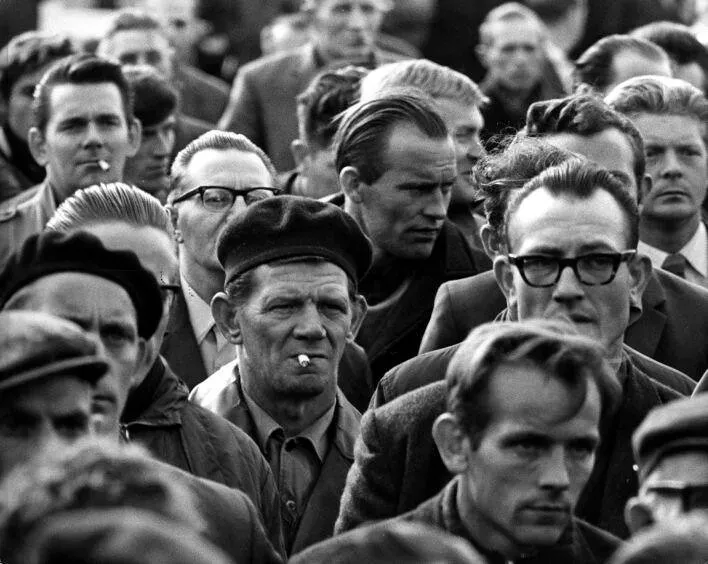
Those who came before us fought and died for time. That’s not hyperbole. Violence against workers at the hands of corporate union busters and law enforcement was common, and many lost their lives. They faced beatings, imprisonment, blacklisting, and execution for daring to suggest that maybe, just maybe, people deserved more than a life of endless labor.
Think about that the next time you’re planning your weekend. People literally gave their lives so you could have Saturday and Sunday off. They endured poverty, violence, and persecution because they believed future generations deserved better.
Why the Weekend Matters for Las Vegas

Here in Las Vegas, the weekend takes on special significance. Our entire economy depends on people having free time to visit, gamble, see shows, and enjoy themselves. Without the weekend, there would be no tourism industry as we know it. The lights of the Strip shine brightest on Friday and Saturday nights because workers across America finally won the right to leisure time.
The service workers who keep Vegas running, the dealers, servers, entertainers, and hotel staff, they’re still fighting for fair schedules and adequate time off. The battle that began over a century ago continues in different forms. Every time hospitality workers negotiate for better conditions, they’re continuing the tradition of those early labor pioneers.
The Erosion of Weekend Protections

Here’s where things get uncomfortable. The reversal of American workers’ gains has happened alongside an enormous decline in unions, with membership peaking around thirty three percent in the mid 1950s and dropping to about twenty percent in 1983, before declining dramatically starting in the 1980s, accompanied by a dramatic rise in wealth inequality. A rising number of contract employees, sometimes known as gig workers, are putting in backbreaking hours without the protections afforded to full time workers.
The forty hour workweek is increasingly becoming a relic. Many Americans now work far more than forty hours, checking emails on weekends, taking work calls during vacations, and finding that the boundaries between work and personal time have completely dissolved. The weekend still exists on paper, but its meaning has been hollowed out for millions of workers.
Could We Move to a Four Day Workweek?

Companies around the world have started experimenting with the application of a four day workweek, with some making the shift permanent, and the United Arab Emirates became the first nation in the world to adopt the concept of the four and a half day workweek. Technology has made us more productive than ever before, so the question becomes: why are we still working the same hours as people did nearly a century ago?
A pilot of the four day week declared a major breakthrough as fifty six of the sixty one companies that took part kept the change, with workers reporting feeling less stressed and sleeping better, while employers reported higher rates of retention. Maybe the next great labor battle will be fought over whether we can reduce the workweek even further. After all, if our ancestors could win the weekend, why can’t we win another day?
The Legacy of the Labor Movement

The Fair Labor Standards Act of 1938 was a crowning achievement in securing the right to a weekend, standardizing the forty hour work week and cementing the two day weekend for American workers, a victory that improved lives everywhere and would not have happened without the tireless voice of unions in advocating for workers. This wasn’t just about time off. It was about dignity, about the recognition that workers are people with families, dreams, and needs that extend beyond their labor.
The weekend represents one of the greatest victories of collective action in human history. It proved that when working people stand together, they can fundamentally reshape society. The eight hour day, the five day week, overtime pay, these weren’t gifts. They were won.
So next time you’re enjoying a lazy Saturday morning or a Sunday barbecue here in Vegas, remember the stonemasons who walked off the job, the railroad workers who went on strike, the factory workers who marched through city streets demanding to be treated like human beings. The weekend exists because they refused to accept that life should be nothing but work until you die.
What would they think of how we’re using the freedom they fought for? That’s worth thinking about.