Music has never been just entertainment. Throughout decades, certain songs have served as catalysts for political movements, voices for the oppressed, and blueprints for cultural transformation. They’ve sparked revolutions, shifted public opinion on war and injustice, and fundamentally altered how we understand identity and society. These tracks became more than melodies. They became historical documents, anthems of change, and mirrors reflecting the struggles and hopes of entire generations.
Strange Fruit by Billie Holiday

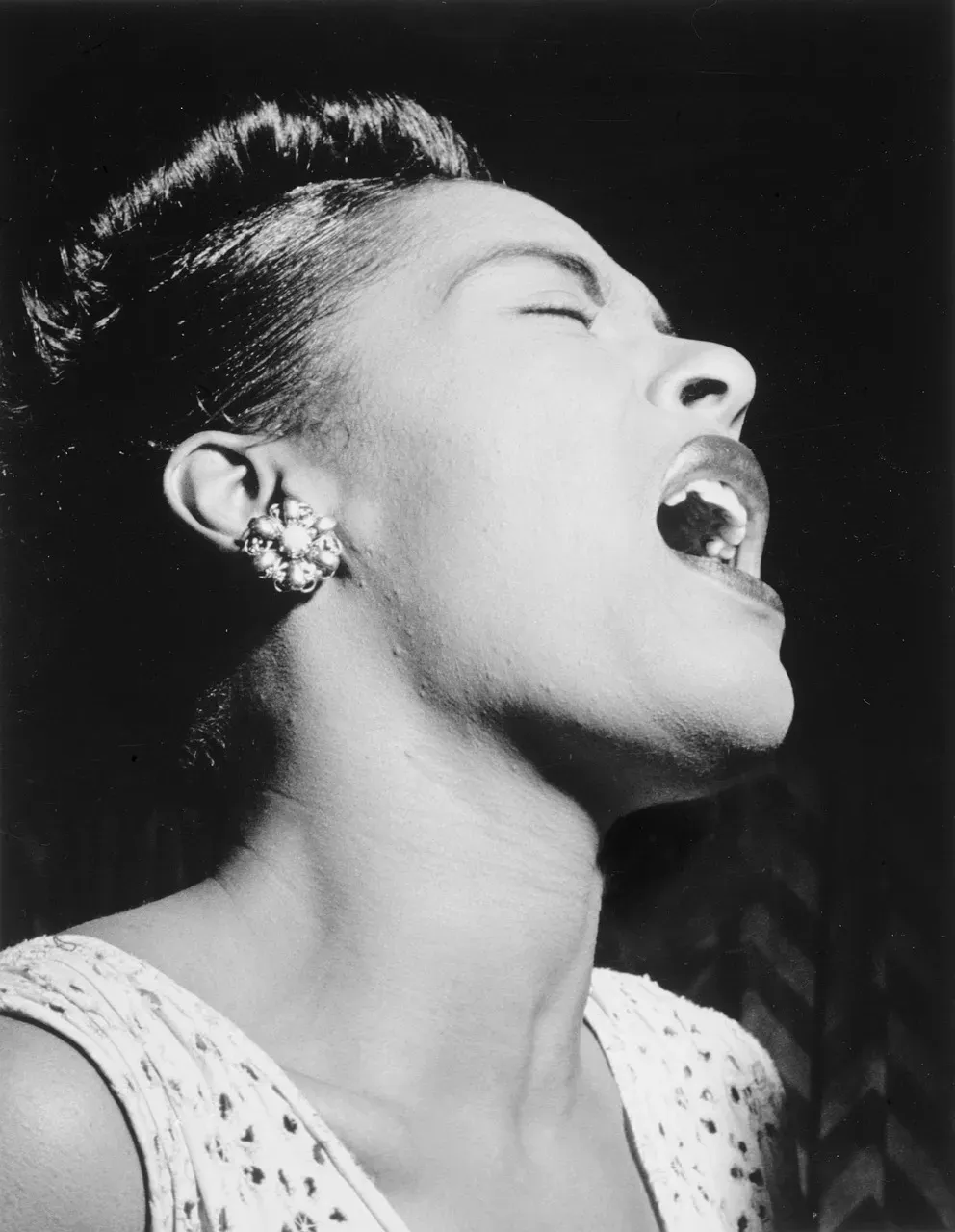
Billie Holiday’s haunting 1939 performance of “Strange Fruit” was inducted into the U.S. Library of Congress’s National Recording Registry in 2002 for being culturally and historically significant. Time magazine named it the song of the century in 1999. Atlantic Records co-founder Ahmet Ertegun described the song as “a declaration of war” and “the beginning of the civil rights movement.” The track confronted racial lynching with visceral imagery that made audiences physically uncomfortable, yet it became one of the first popular songs to directly challenge racial violence in America.
Blowin’ in the Wind by Bob Dylan

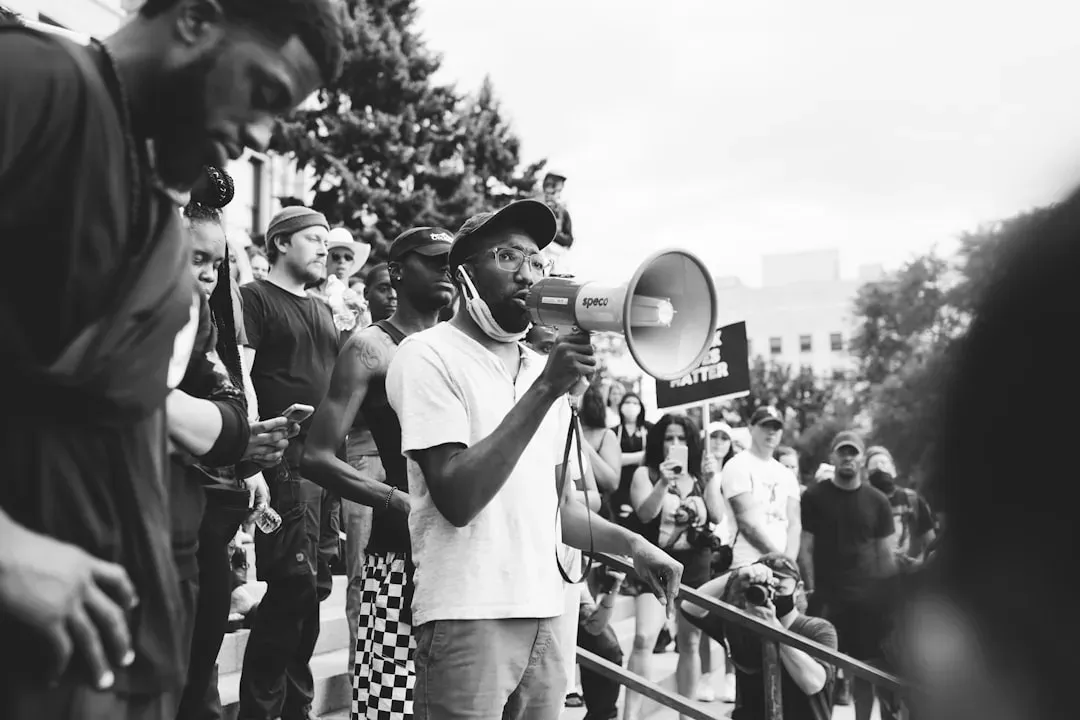
Dylan’s 1963 folk anthem became the unofficial soundtrack to the American civil rights movement, according to studies by the Smithsonian Folkways and American History Journal. The song’s deceptively simple questions about war, freedom, and humanity resonated deeply with activists marching for equality. Its power lay not in providing answers, but in forcing listeners to confront uncomfortable truths about society. The track proved that protest music didn’t need aggression to be revolutionary.
Imagine by John Lennon

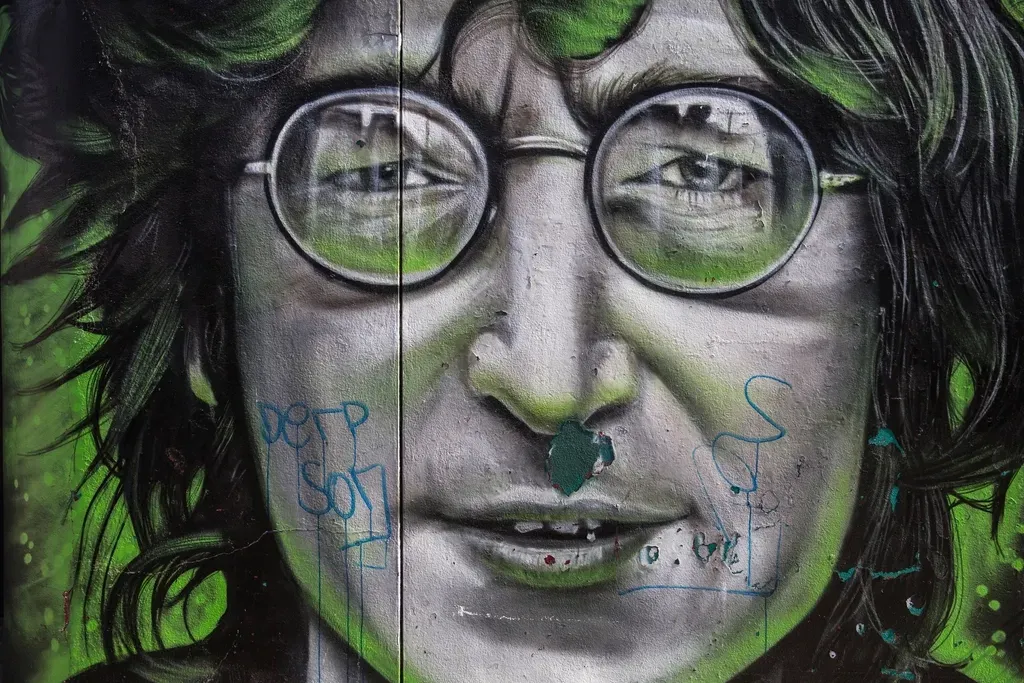
Rolling Stone consistently ranks “Imagine” among the top songs of all time in multiple editions of their influential music lists, including updates published in 2021 and 2024. Lennon’s 1971 vision of a world without borders, religion, or possessions became a global anthem for peace that transcended political ideologies. The song’s radical simplicity made utopian ideas accessible to millions, and it’s still performed at protests and memorials worldwide. Honestly, few tracks have managed to inspire hope and controversy in equal measure.
I Want to Hold Your Hand by The Beatles
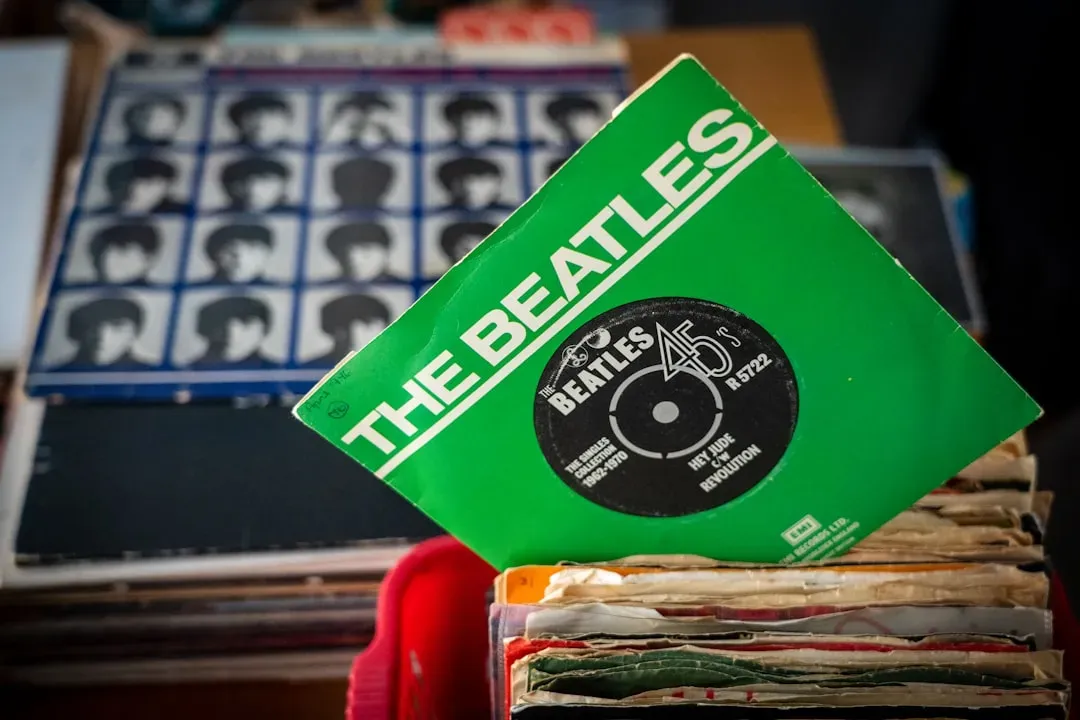
This 1963 single triggered the British Invasion, significantly reshaping the U.S. music industry and youth culture in the 1960s, according to Billboard historical archives. The Beatles’ arrival marked a seismic shift in how young people consumed music and expressed themselves culturally. The track’s infectious energy broke down barriers between American and British popular music, paving the way for a global rock revolution. It wasn’t just a hit song. It was a cultural detonation.
Respect by Aretha Franklin


Franklin’s 1967 cover of Otis Redding’s song is frequently cited in gender studies research examining music and empowerment, according to NPR and the Journal of Gender Studies. Her fiery reimagining transformed a straightforward soul song into a dual anthem for both the civil rights and feminist movements. The way she demanded respect through vocal power alone became a template for asserting dignity and equality. Generations of women have drawn strength from those opening notes.
Like a Rolling Stone by Bob Dylan

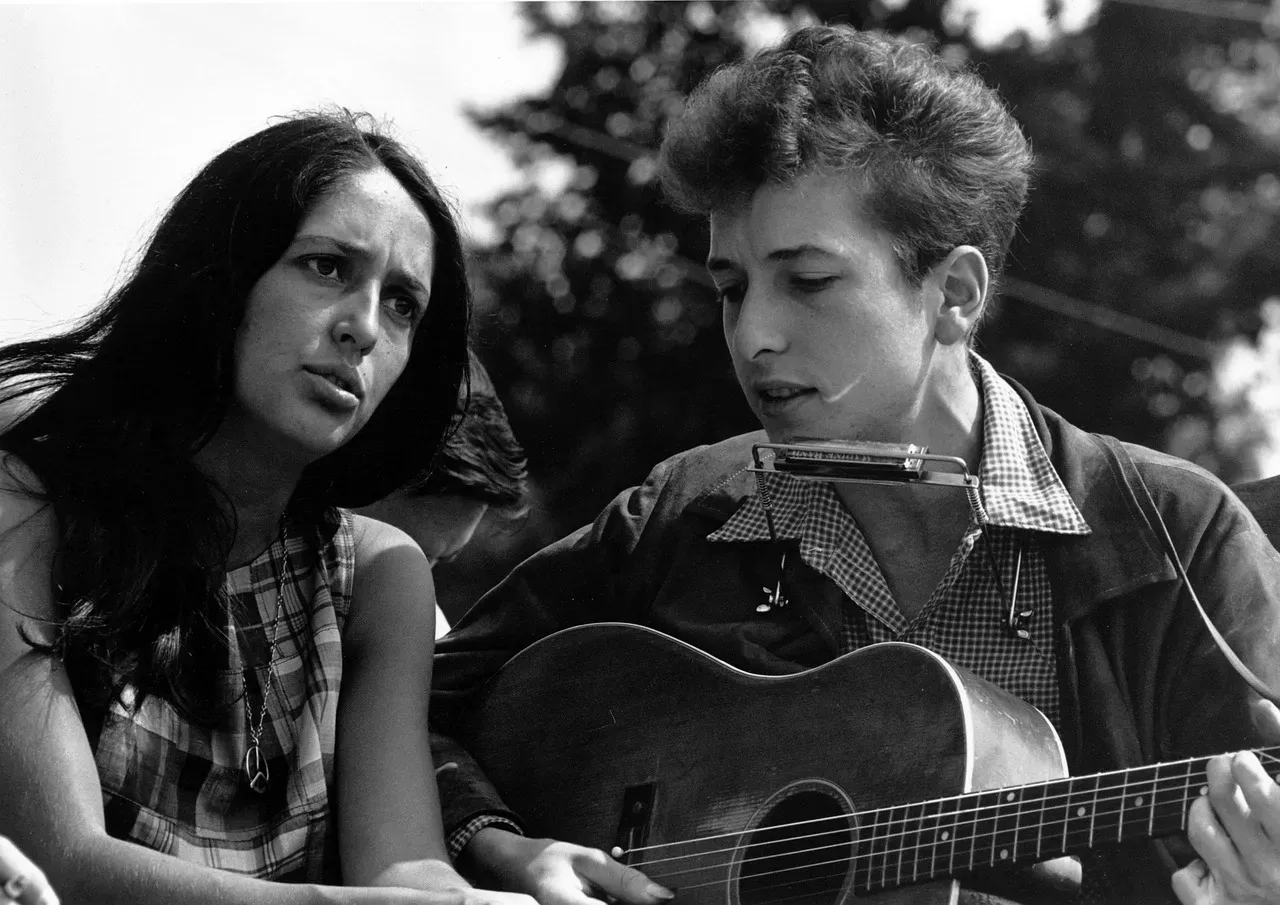
Rolling Stone and musicology research credit this 1965 track with transforming popular songwriting by introducing longer, more complex lyrical narratives to mainstream radio. Dylan shattered the three-minute pop song format, proving that radio audiences had the appetite for ambitious, literate rock music. The track’s sneering tone and abstract imagery changed what artists believed they could say in a commercial song. It essentially gave permission for rock music to grow up.
Rapper’s Delight by The Sugarhill Gang
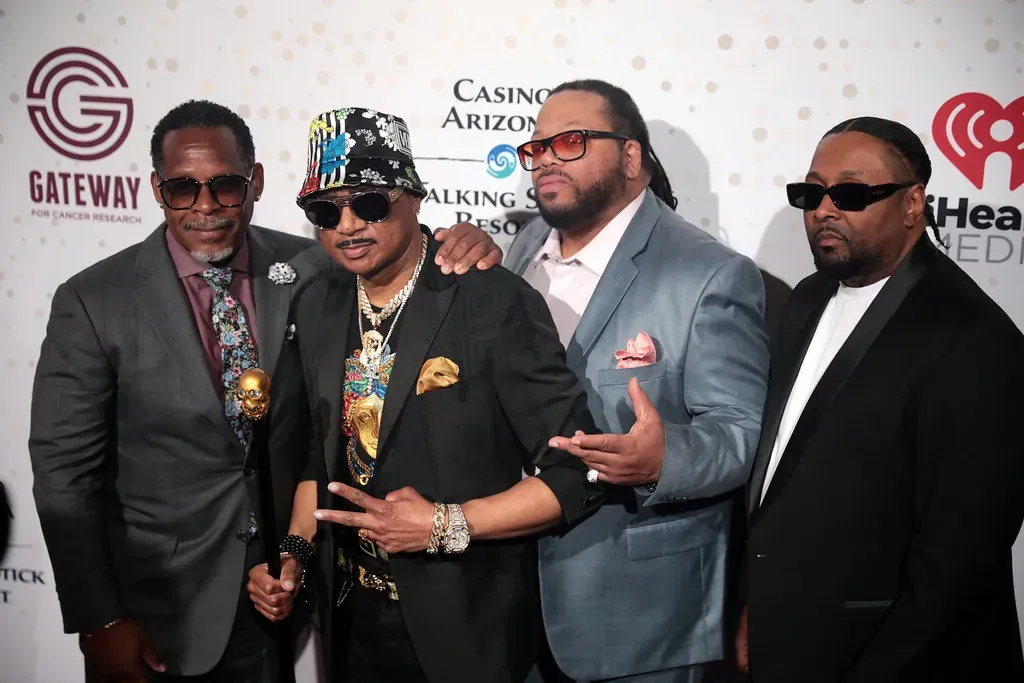
The Hip-Hop Archive & Research Institute credits this 1979 release with bringing hip-hop into mainstream global awareness. Before this track, rap existed primarily in New York City block parties and underground scenes. The song’s commercial success proved that hip-hop could sell records and reach audiences far beyond its birthplace. It laid the foundation for what would become the most dominant genre in contemporary music.
What’s Going On by Marvin Gaye

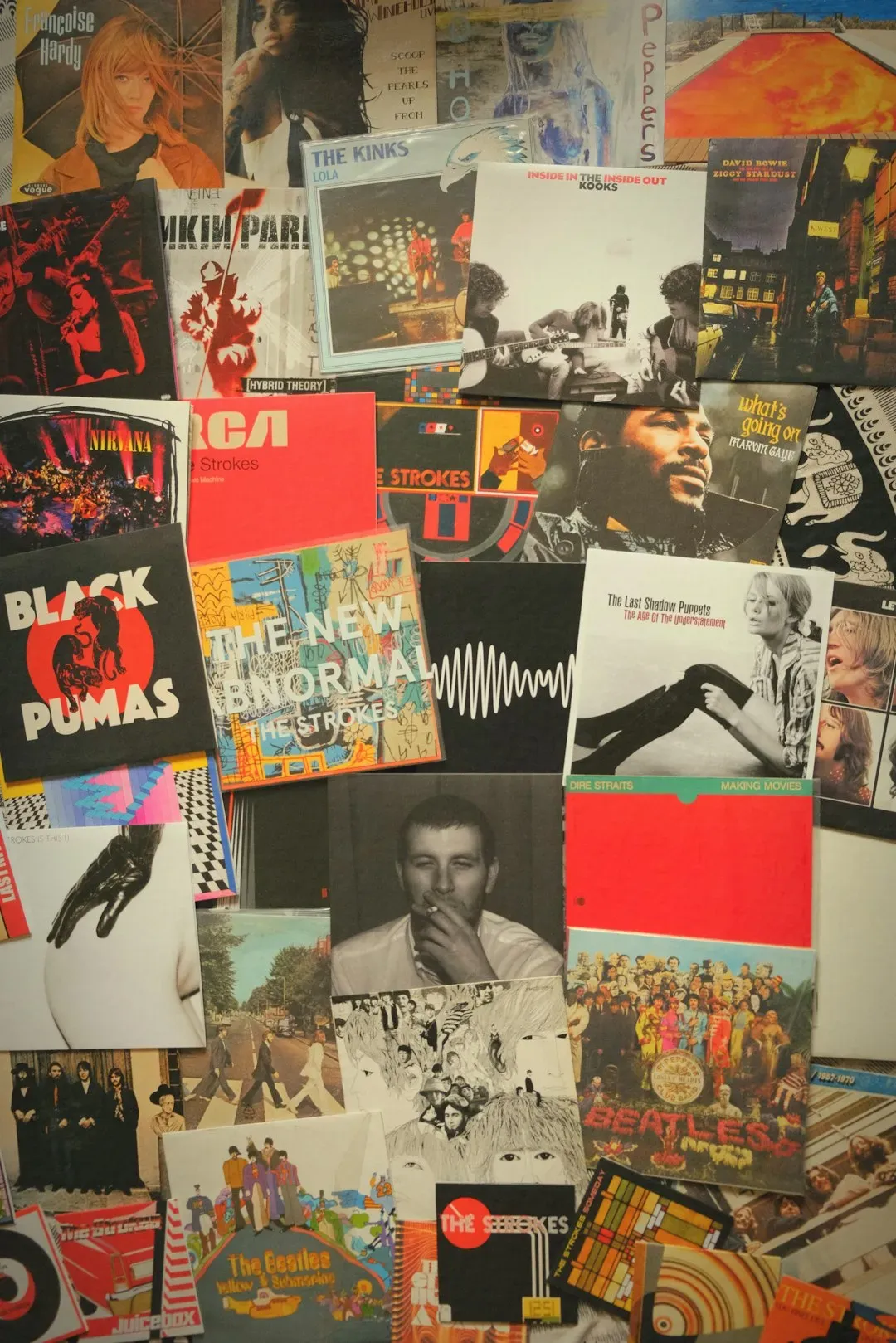
Rolling Stone listed the 1971 album “What’s Going On” as the greatest album of all time in their 2020 and 2023 revisions. The Library of Congress added it to its National Recording Registry in 2003. The song remains as relevant today as it was in 1971, with people continuing to protest white supremacy, wars, environmental damage, police brutality, and poverty, according to the Smithsonian. Gaye’s socially conscious masterpiece proved that Motown could tackle serious issues while maintaining commercial appeal.
Born to Run by Bruce Springsteen

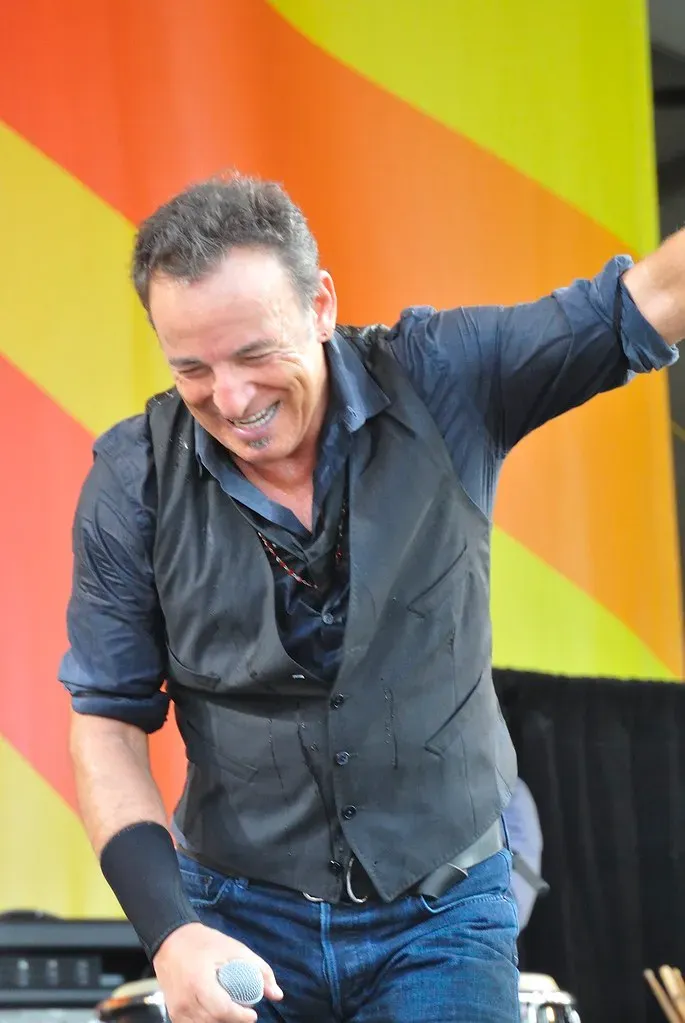
The 1975 album was inducted into the National Recording Registry by the Library of Congress in 2003 for being culturally, historically, or aesthetically significant. Its success has been attributed to capturing the ideals of a generation of American youths during a decade of political turmoil, war, and issues facing the working class. The album landed as America’s postwar optimism was cracking, with factory towns fading and the American Dream feeling increasingly out of reach, according to History.com. Springsteen gave voice to blue-collar frustration with poetic grandeur.
Smells Like Teen Spirit by Nirvana


This 1991 single marked a cultural shift in the early 1990s, helping alternative rock overtake mainstream pop dominance, according to Billboard and MTV archives. Nirvana’s breakthrough demolished the polished hair metal aesthetic that had dominated rock radio throughout the 1980s. The song’s raw energy and apathetic angst spoke directly to Generation X, validating their disillusionment with consumer culture. It essentially reset the rock music landscape overnight.
Thriller by Michael Jackson

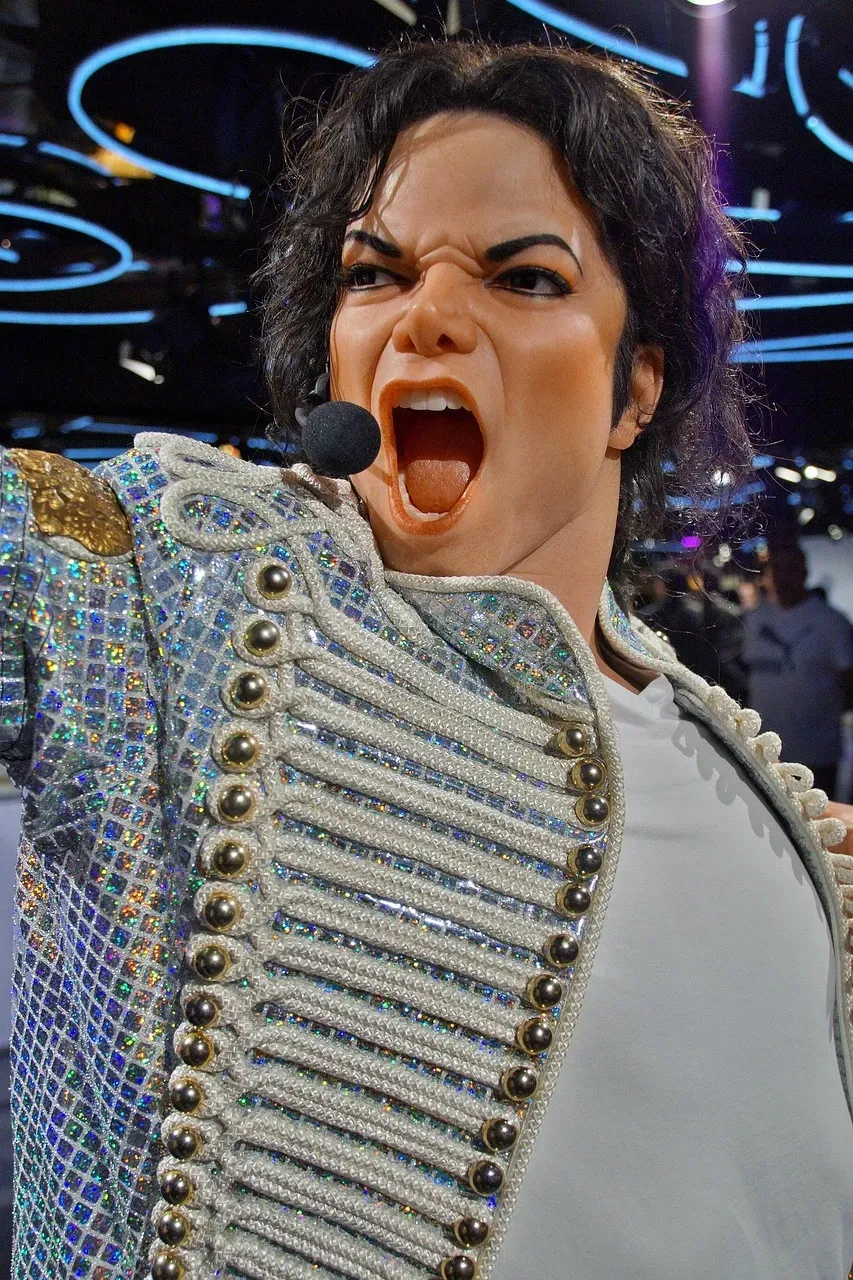
Jackson’s 1982 hit changed the relationship between music and visual storytelling, setting new standards for music videos worldwide, according to MTV and Grammy Museum documentation. The 14-minute video elevated music videos from promotional tools to legitimate art forms. Jackson’s cinematic approach forced MTV to play videos by Black artists, breaking down racial barriers in the medium. The song proved that pop music could be both commercially massive and artistically ambitious.
Partner offer

The Times They Are A-Changin’ by Bob Dylan

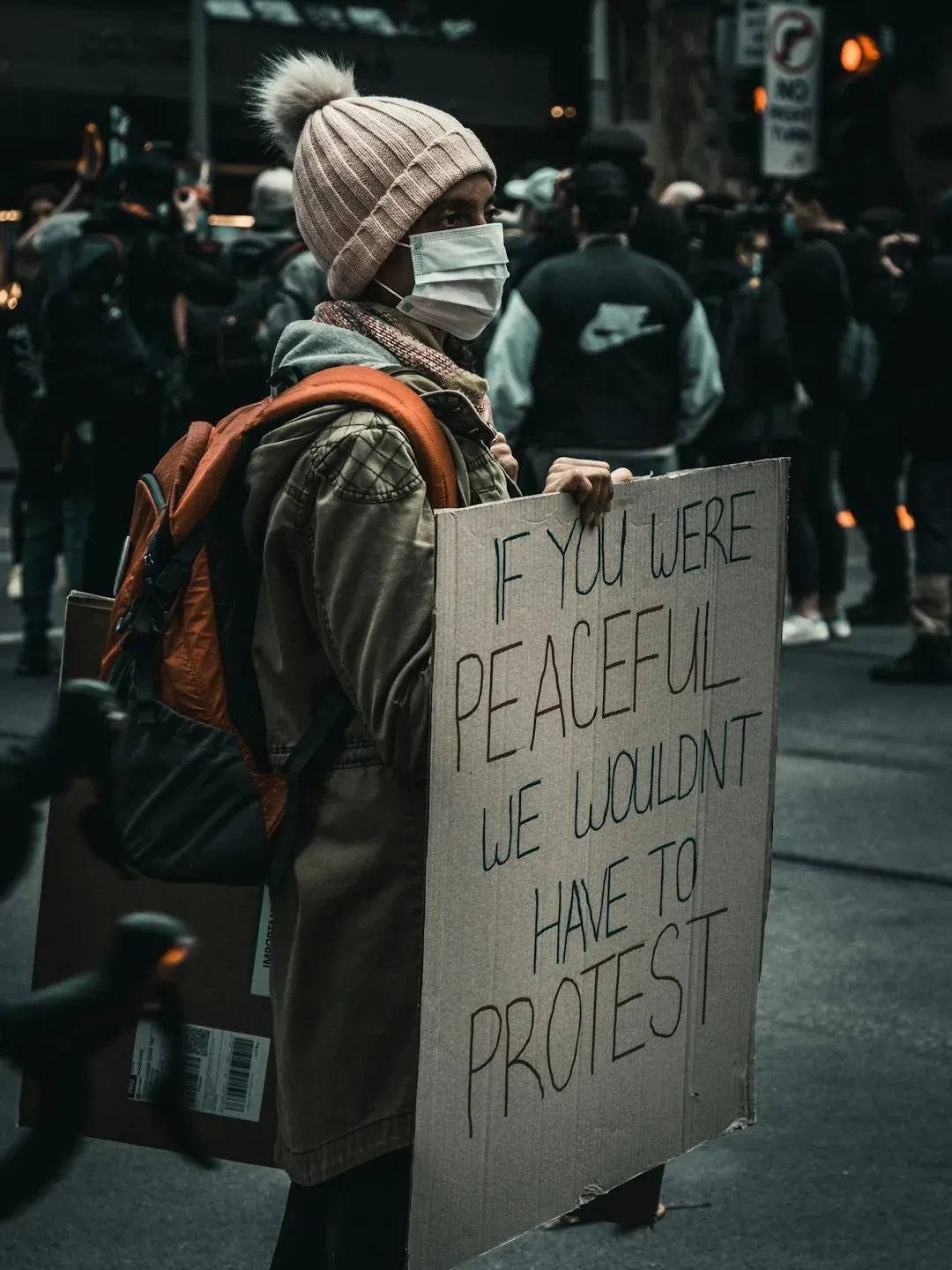
Dylan’s 1964 anthem captured the generational shift happening across America during the civil rights era and Vietnam War protests. The song served as a warning to politicians and older generations that youth movements would no longer be ignored. Its prophetic tone made it an enduring soundtrack for social change across decades. Political movements worldwide have adopted it as their rallying cry.
God Save the Queen by Sex Pistols
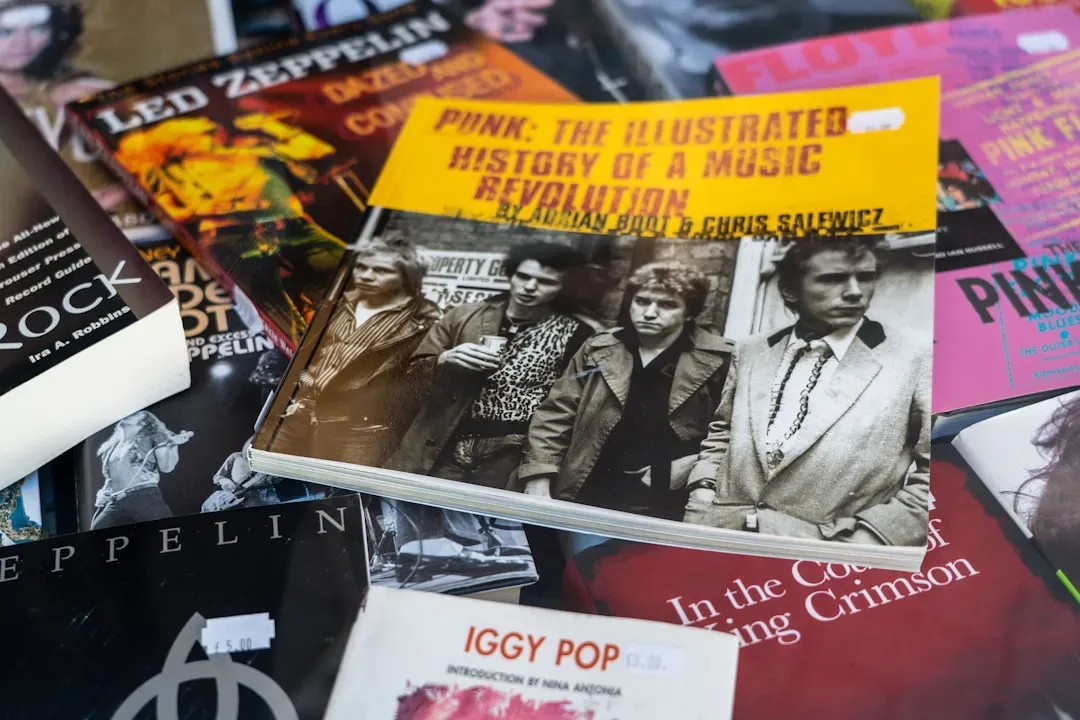
The 1977 punk explosion challenged not just musical conventions but the entire British establishment during Queen Elizabeth II’s Silver Jubilee. The Sex Pistols’ savage attack on monarchy and nationalism became a blueprint for punk’s anti-authoritarian ethos. Radio bans and public outrage only amplified its impact, proving that controversy could fuel cultural movements. The track essentially gave permission for music to be deliberately offensive and politically confrontational.
A Change Is Gonna Come by Sam Cooke
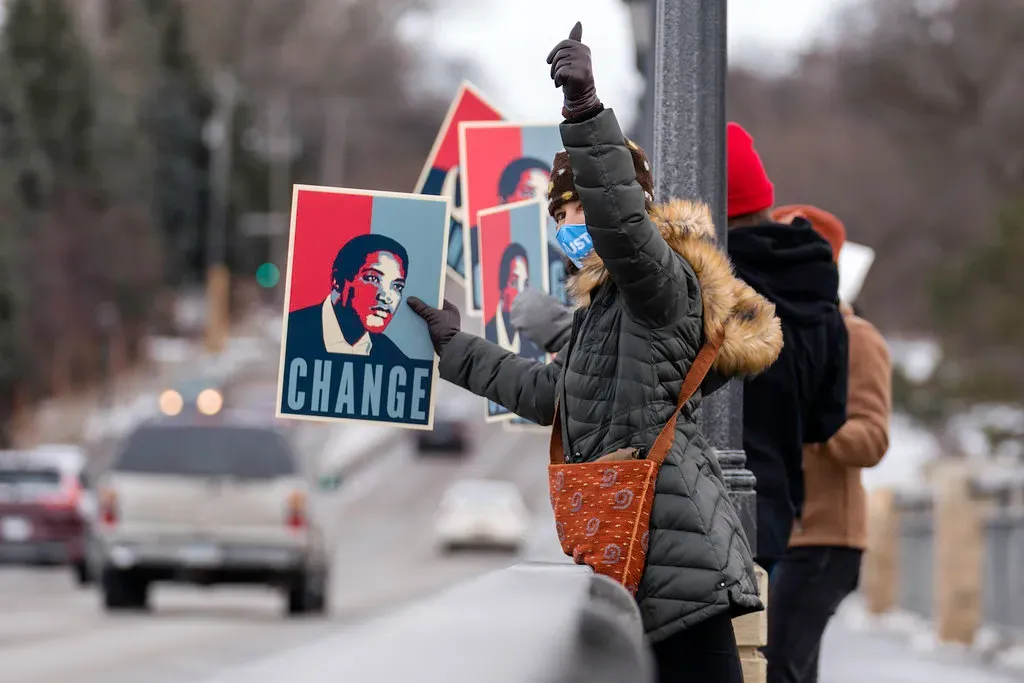
The 1964 civil rights anthem was included in the Recording Industry Association of America and National Endowment for the Arts’ “Songs of the Century” list. Cooke’s deeply personal reflection on racism and hope became one of the civil rights movement’s most powerful anthems. The song’s gospel-influenced arrangement wrapped painful truths in beautiful melodies, making the message accessible to broader audiences. It remains a standard for expressing both suffering and determination.
Fight the Power by Public Enemy

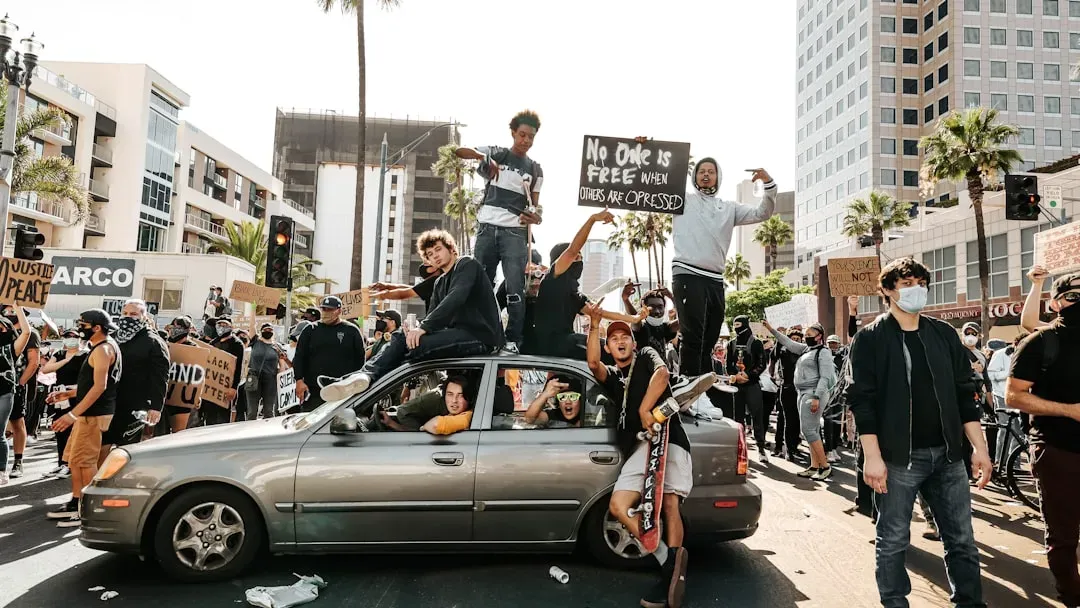
Time magazine wrote in 1990 that the song sold nearly 500,000 singles and became an anthem for millions of youths, and Salon writes that it was released at a crucial period in America’s struggle with race, capturing both psychological and social conflicts of the time. Chuck D called it the most important record Public Enemy have done, according to Grammy.com. Released in 1989 as part of Spike Lee’s “Do the Right Thing” soundtrack, the track encapsulated anger, frustration, and determination of marginalized communities fighting systemic racism. Hip-hop had found its revolutionary voice.
We Shall Overcome by Joan Baez

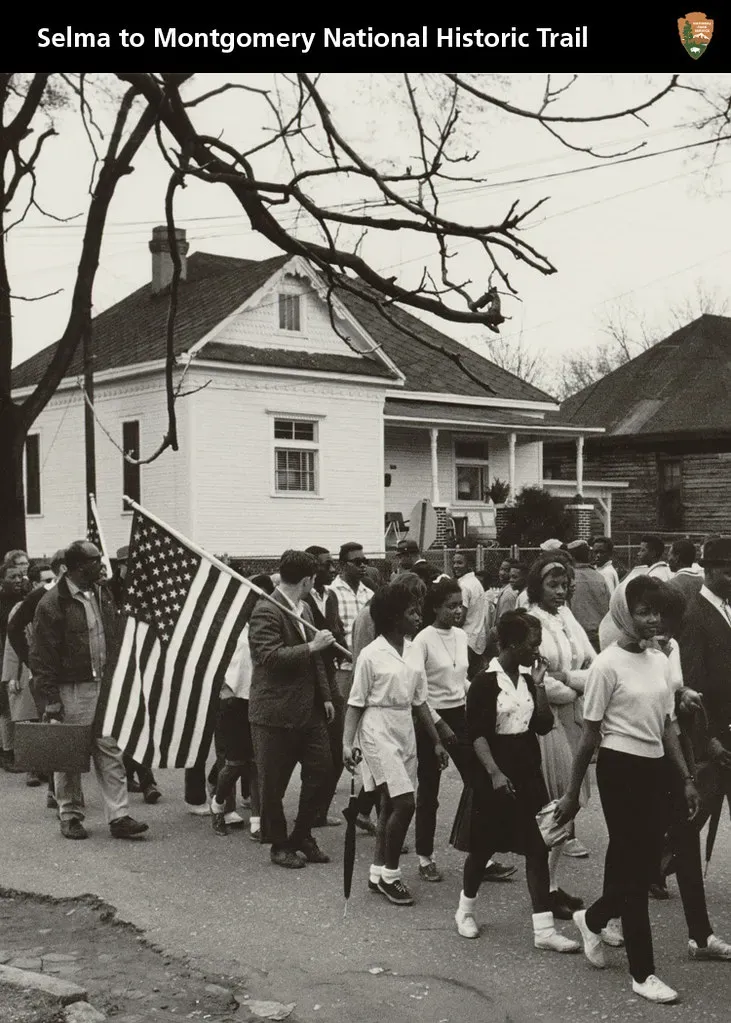
This traditional gospel song, popularized by folk singers including Baez during the 1960s, became the de facto anthem of the civil rights movement. Sung at marches, sit-ins, and demonstrations across the American South, it unified protesters and gave them courage in the face of violence. The song’s simple melody allowed thousands to sing together, creating powerful moments of solidarity. It proved that sometimes the oldest songs carry the most revolutionary power.
Get Up, Stand Up by Bob Marley & The Wailers

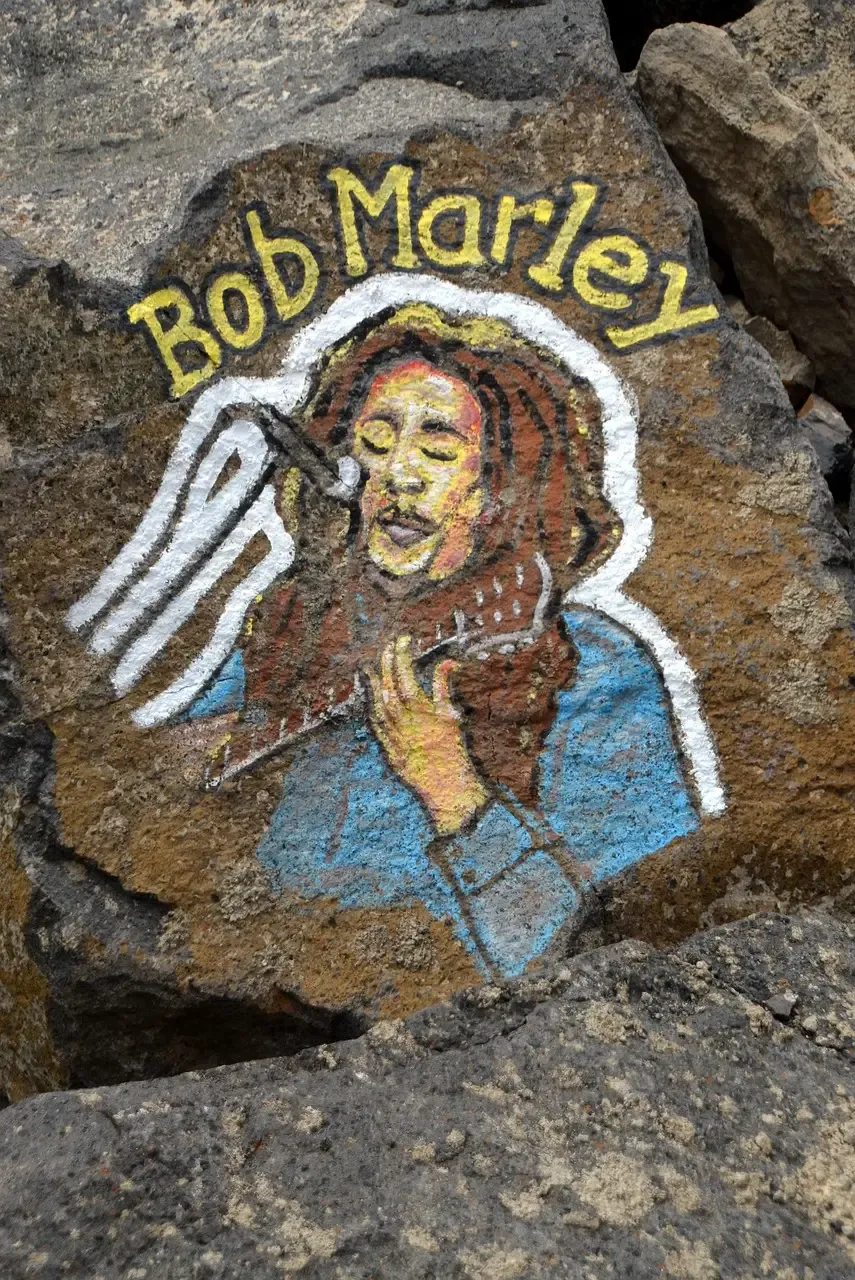
Marley’s 1973 reggae anthem brought Rastafarian philosophy and Third World liberation struggles to global audiences. The song’s message of resistance against oppression resonated far beyond Jamaica, becoming an international protest standard. Marley’s fusion of spiritual and political themes created a new template for socially conscious music. His influence spread reggae’s revolutionary spirit across continents.
Fortunate Son by Creedence Clearwater Revival

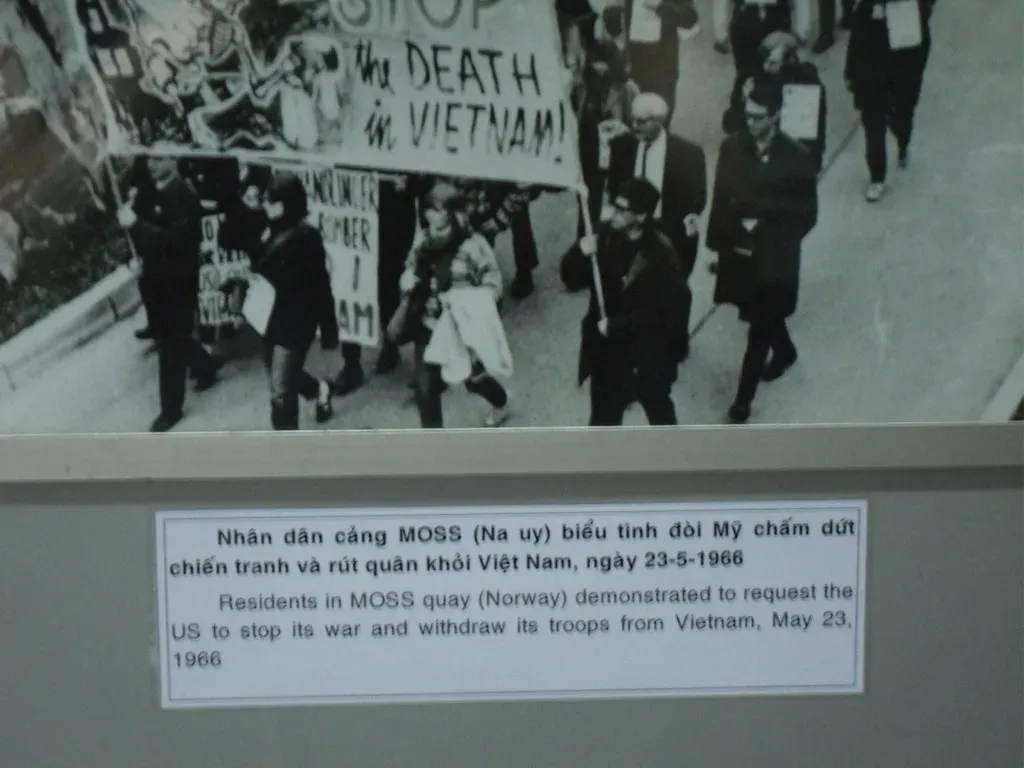
This 1969 blast of working-class fury became the Vietnam War’s most recognizable protest song. CCR’s John Fogerty channeled anger at wealthy elites who sent poor Americans to die while their own sons avoided the draft. The song’s raw resentment captured how class divides determined who fought and died in America’s wars. Film soundtracks still use it to evoke Vietnam-era disillusionment.
The Message by Grandmaster Flash and the Furious Five
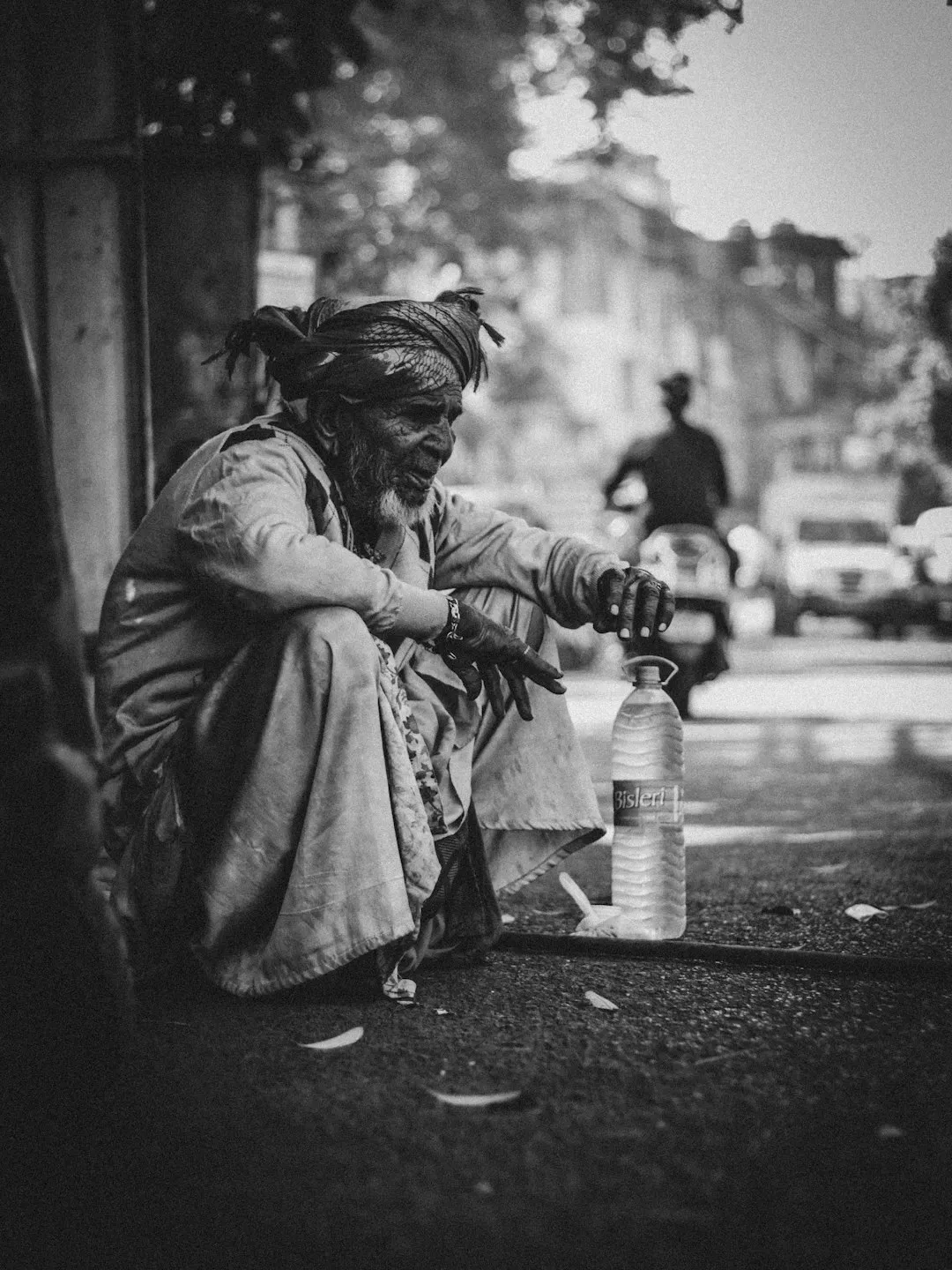
The 1982 hip-hop landmark moved rap beyond party anthems to unflinching social commentary about inner-city poverty. Grandmaster Flash’s vivid descriptions of broken glass, unemployment, and despair painted an honest portrait of urban America that mainstream media ignored. The track proved that hip-hop could be journalism, not just entertainment. It established street credibility as rap’s most valuable currency.
Born in the U.S.A. by Bruce Springsteen
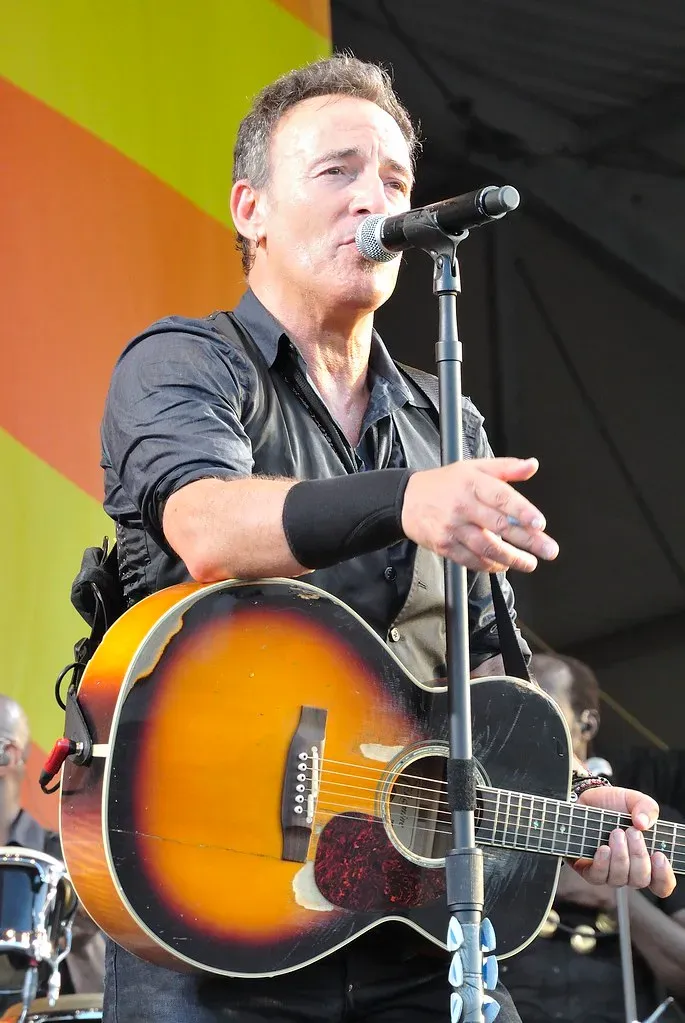
Springsteen’s 1984 hit has been frequently misinterpreted by politicians, particularly Republicans who focused on its rousing chorus rather than its critical political message about Vietnam veterans, according to Rolling Stone. The song’s ironic patriotism critiqued America’s treatment of returning soldiers while sounding like a celebration. Its massive commercial success proved that complex political messages could reach stadium-sized audiences. Decades later, it remains a cautionary tale about listening to verses, not just choruses.
Say It Loud – I’m Black and I’m Proud by James Brown

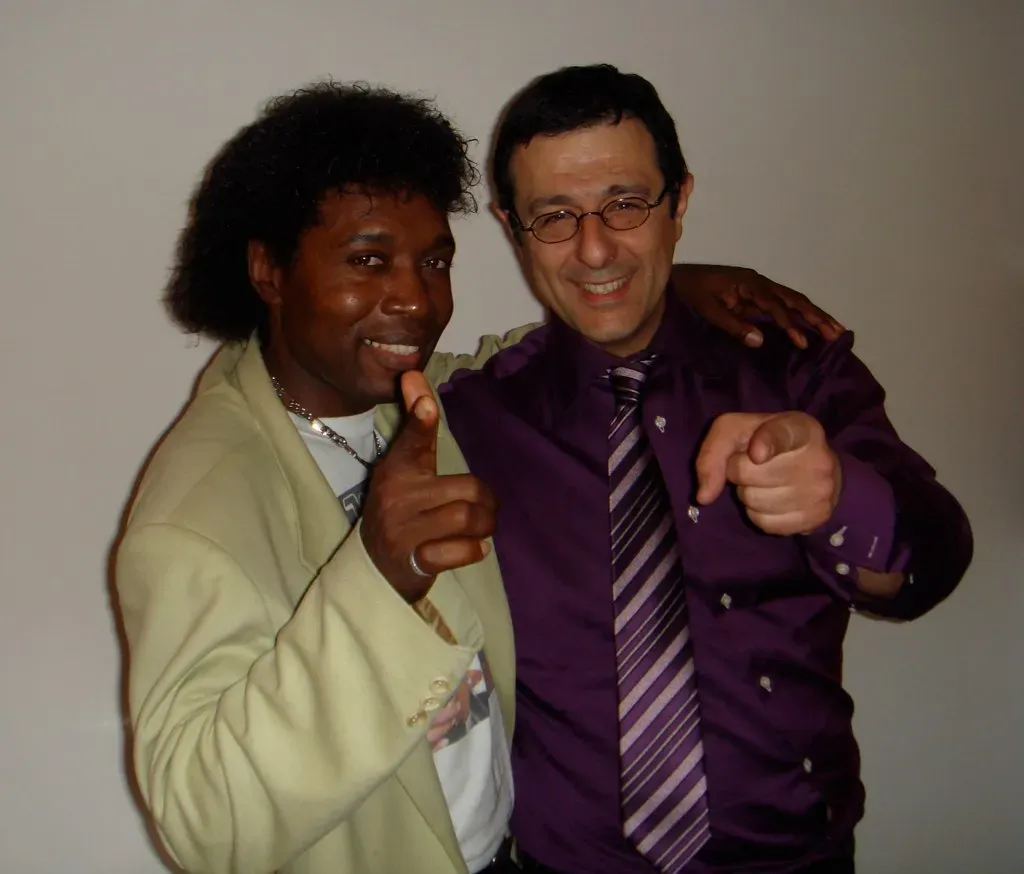
Brown’s 1968 funk declaration became Black America’s self-affirmation anthem during a turbulent period of racial upheaval. The song’s direct, unapologetic celebration of Black identity challenged decades of internalized racism and societal conditioning. Its call-and-response structure invited listeners to actively participate in claiming their dignity. The track fundamentally shifted how Black artists expressed racial pride in popular music.
Let’s be real, these twenty songs didn’t just top charts. They rewired culture, challenged power, and gave voice to the voiceless. From Billie Holiday’s devastating 1939 indictment of lynching to Public Enemy’s 1989 hip-hop revolution, music has consistently pushed society forward when politicians failed. The tracks that truly change the world aren’t always the biggest hits. Sometimes they’re the ones that make people uncomfortable enough to finally listen. What’s your take on which songs deserve to be here?
Partner offer
Planning a trip to Vegas?
Compare hotel rates and show tickets on VEGAS.com.