Throughout centuries of literature, women have written stories that changed the world. Their words broke barriers, sparked movements, and gave voice to experiences that had been silenced for too long. From novels that redefined how we think about society to poetry that captured the depths of human emotion, female authors have left an indelible mark on culture and consciousness.
Jane Austen

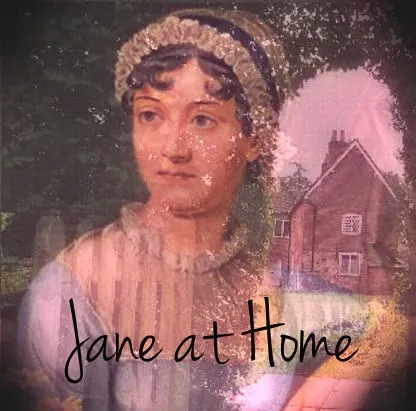
Jane Austen remains one of English literature’s most enduring voices, crafting novels that dissect society with surgical precision wrapped in wit. Her novels have sold over 20 million copies worldwide and continue to be studied as foundational works of English literature, according to the British Library and Penguin Classics. Works like Pride and Prejudice and Emma do more than entertain – they reveal the economic realities and social constraints facing women in early nineteenth-century England. Her sharp observations about marriage, money, and manners created a template for social satire that writers still follow today.
Toni Morrison

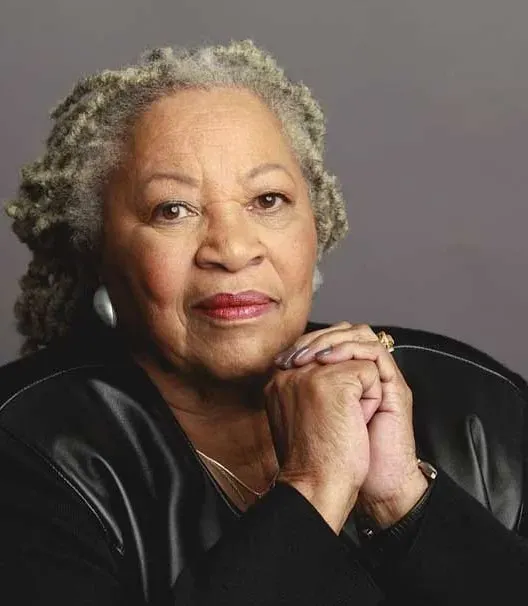
Toni Morrison became the first Black woman to win the Nobel Prize in Literature in 1993, recognized for novels characterized by visionary force and poetic import, according to Nobel Prize archives. Her work, including Beloved and Song of Solomon, explores the African American experience with a lyricism and emotional depth that transformed American literature. Morrison’s narratives confront the legacy of slavery, the complexities of identity, and the power of memory. Her influence extends far beyond the page, reshaping how we understand race, history, and storytelling itself.
Agatha Christie

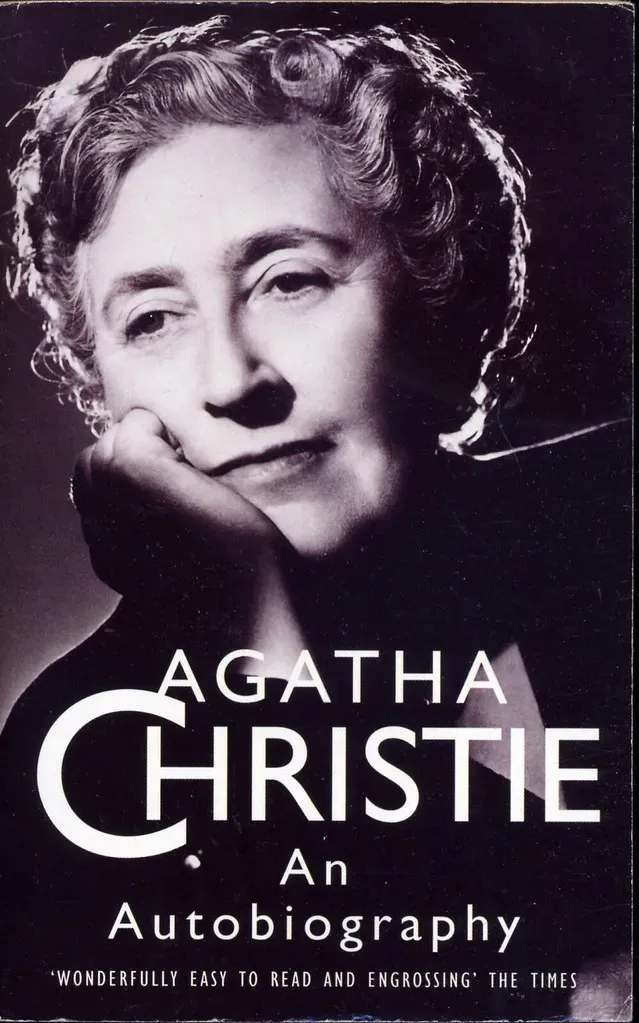
Let’s be real: when it comes to sheer reach, few authors can compete with Agatha Christie. Christie is the best-selling novelist of all time, with estimated sales exceeding 2 billion copies globally, according to Guinness World Records. She didn’t just write detective novels – she reinvented the genre, creating iconic characters like Hercule Poirot and Miss Marple. Her intricate plots and clever misdirections became the gold standard for mystery writing. Christie proved that women could dominate a genre often associated with male writers, and her legacy lives on in every crime novel published today.
Virginia Woolf

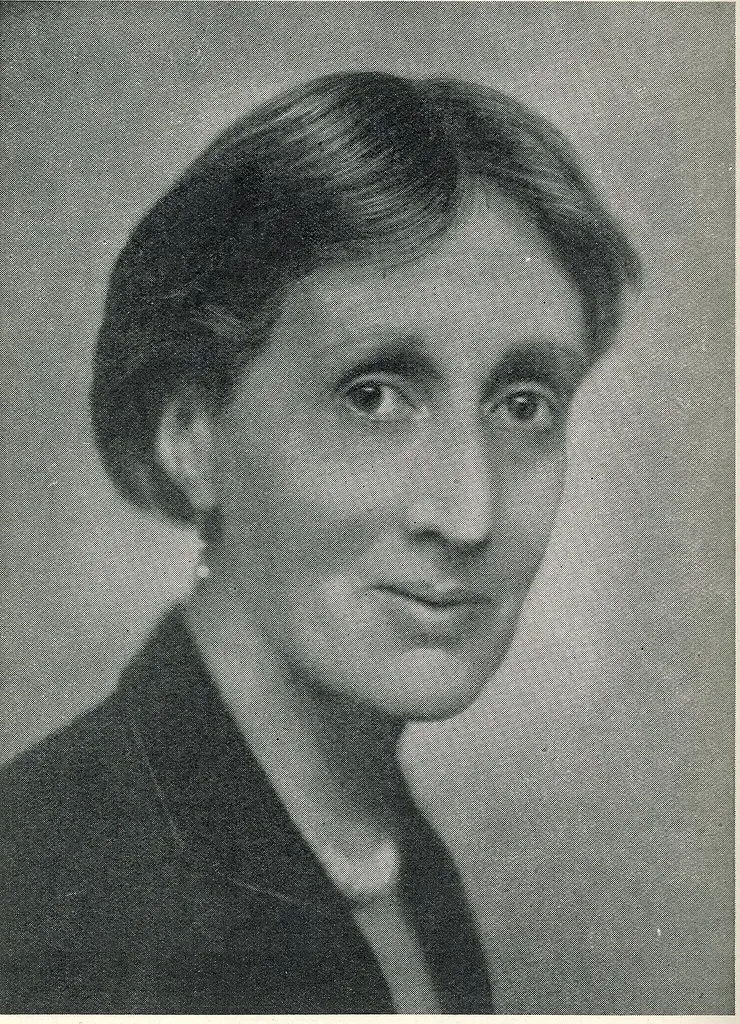
Virginia Woolf’s essay A Room of One’s Own remains a cornerstone of feminist literary criticism and academic discourse, according to the British Library and Oxford Literary Studies. Her experimental novels, including Mrs. Dalloway and To the Lighthouse, revolutionized narrative structure with stream-of-consciousness technique. Woolf captured the inner lives of her characters with an intimacy that felt radical for her time. Beyond her fiction, her essays on women, writing, and economic independence gave intellectual weight to feminist thought, making her one of modernism’s most important voices.
Mary Shelley

Here’s something most people don’t realize: Mary Shelley wrote one of literature’s most enduring masterpieces when she was just a teenager. Frankenstein, published in 1818, is considered one of the earliest works of science fiction, influencing generations of writers and filmmakers, according to the British Library and Science Fiction Studies. Her novel asks profound questions about creation, responsibility, and what it means to be human. Shelley didn’t just invent a monster – she invented an entire genre, proving that young women could produce work of staggering philosophical depth and cultural impact.
Harper Lee


To Kill a Mockingbird remains one of the most taught novels in U.S. schools and won the Pulitzer Prize for Fiction in 1961, according to Pulitzer archives. Lee’s only published novel during her lifetime became a moral compass for generations of readers, exploring themes of racial injustice, moral courage, and childhood innocence in the American South. Through Scout Finch’s eyes, readers witnessed the devastating reality of prejudice and the quiet heroism of standing up for what’s right. The book’s impact on American culture and education cannot be overstated.
George Eliot

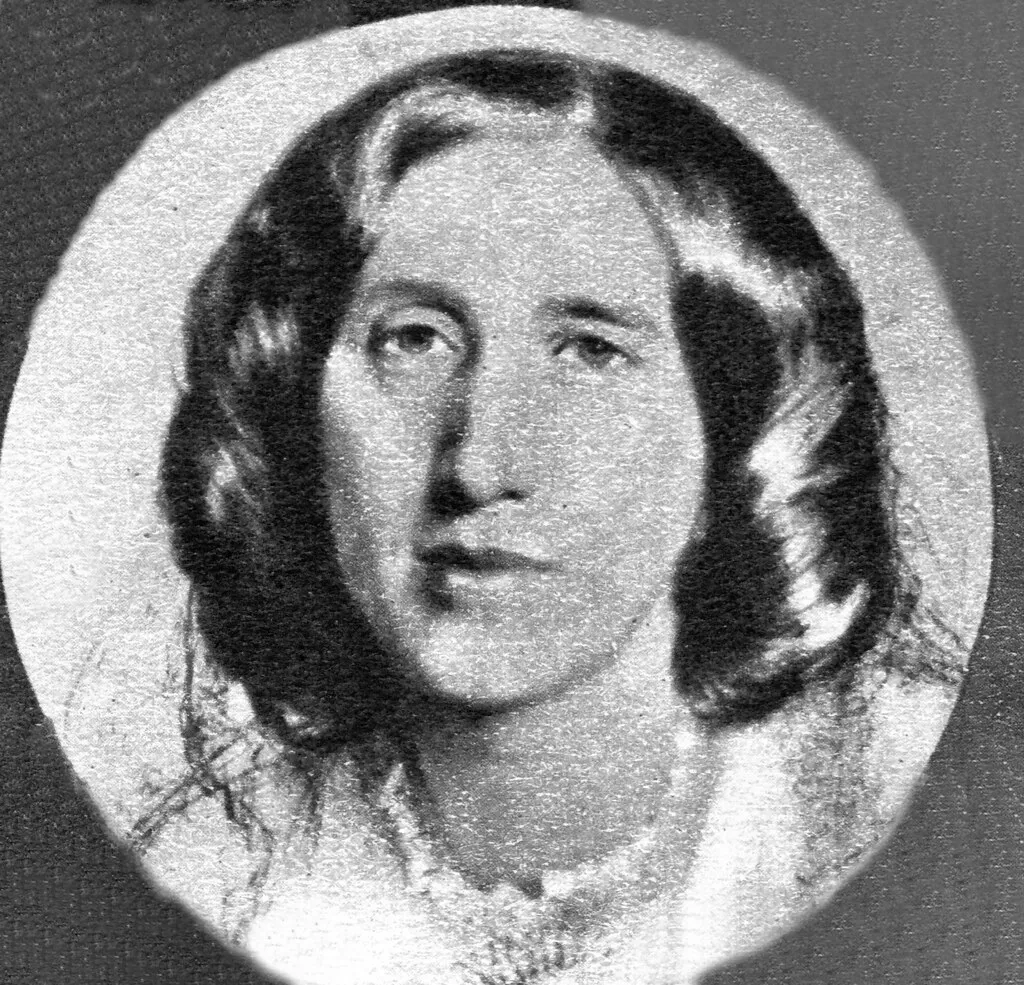
Mary Ann Evans published under the name George Eliot to ensure her work was taken seriously in a male-dominated literary market, according to the Victorian Literature Society. Despite the need for a masculine pseudonym, her novels – including Middlemarch and The Mill on the Floss – showcased extraordinary psychological insight and moral complexity. Eliot’s work explored the tensions between individual desire and social duty with a sophistication that critics recognized as groundbreaking. She paved the way for women to be taken seriously as intellectuals and novelists, even if she had to hide her identity to do it.
J.K. Rowling

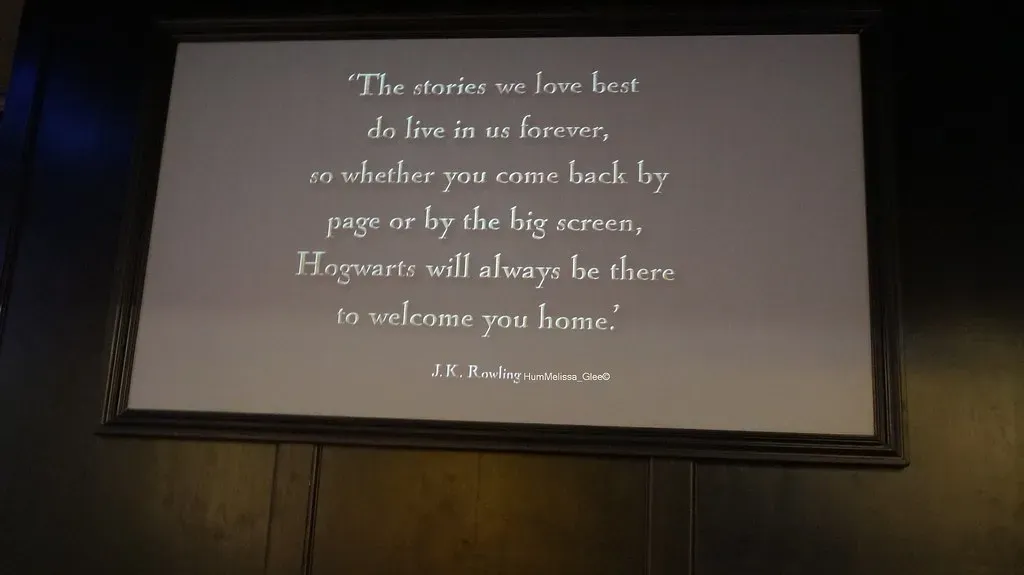
Say what you will about contemporary controversies, but there’s no denying the cultural earthquake Rowling created with Harry Potter. The Harry Potter series has sold over 500 million copies worldwide, making it the best-selling book series in history, according to Bloomsbury Publishing and Scholastic. Rowling didn’t just write children’s books – she reignited a global passion for reading among young people. Her intricate world-building and themes of courage, friendship, and moral choice resonated across generations and cultures, transforming her from a struggling single mother into one of the world’s most recognized authors.
Isabel Allende

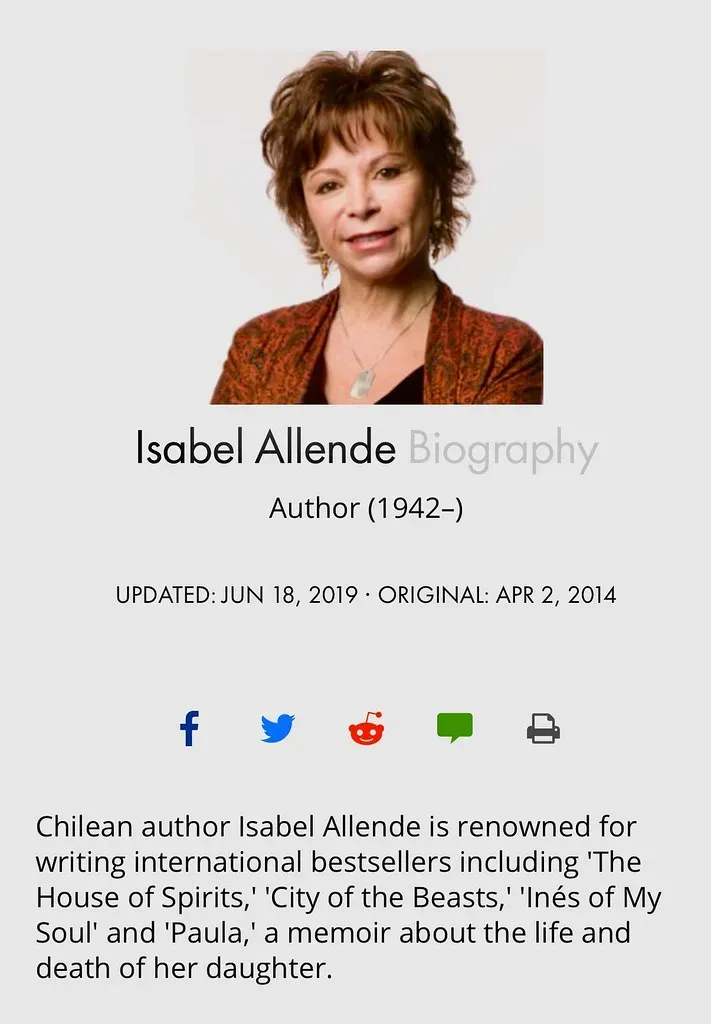
Isabel Allende is the most widely read Spanish-language female author, with works translated into over 40 languages, according to the Cervantes Institute. Her novels, including The House of the Spirits and Eva Luna, blend magical realism with political history, creating narratives that feel both fantastical and deeply rooted in Latin American reality. Allende’s storytelling honors family, memory, and resilience while confronting the brutal political realities of her native Chile. She brought Latin American women’s voices to the global stage with a passion and lyricism that captivated readers worldwide.
Maya Angelou

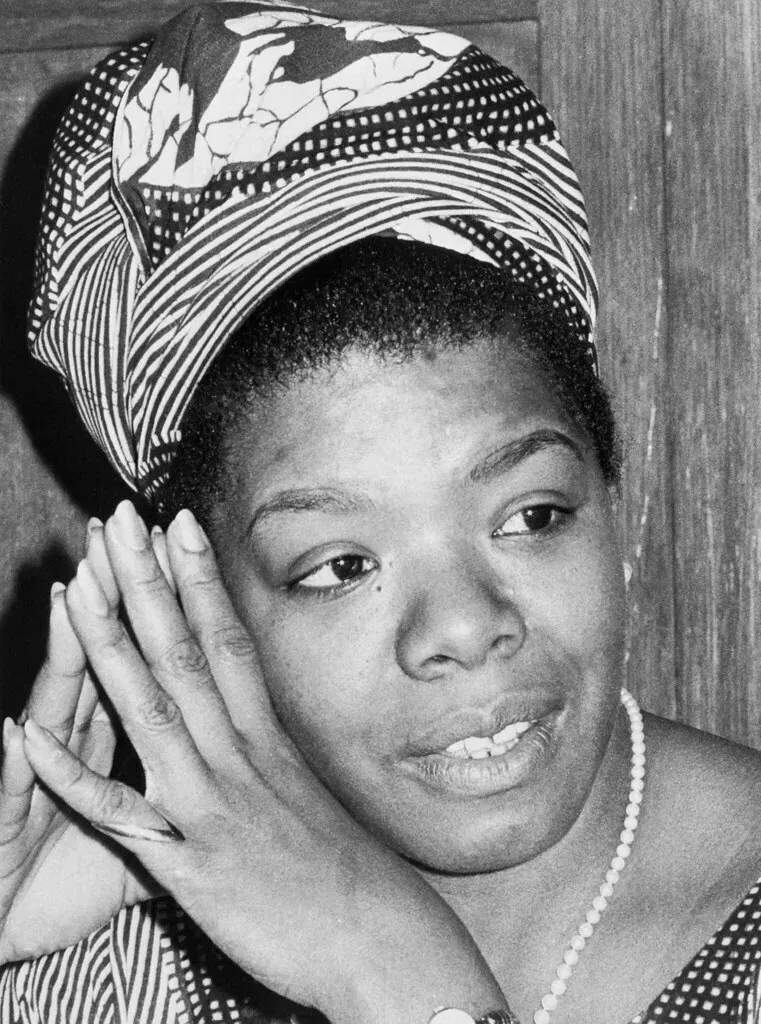
Maya Angelou’s memoir I Know Why the Caged Bird Sings was named by Time magazine in 2011 as one of the most influential books of modern times. She received more than 30 honorary degrees and the Presidential Medal of Freedom, the highest civilian honor in the United States. In 1993, Angelou became the first Black woman and the first woman poet to recite a poem at a U.S. presidential inauguration for President Bill Clinton. Her powerful memoir and poetry gave voice to the Black experience in America with unflinching honesty, exploring themes of identity, racism, and resilience that continue to resonate today.
Sylvia Plath

Sylvia Plath was one of the most dynamic and admired poets of the 20th century, and by the time she took her life at the age of 30, she already had a following in the literary community, according to the Poetry Foundation. Her 1965 collection Ariel, published posthumously, is the work on which Plath’s reputation essentially rests. The Collected Poems received the 1982 Pulitzer Prize for poetry, making Plath the first to receive the honor posthumously. Her confessional style of poetry broke barriers by openly addressing mental illness, depression, and female rage with an intensity that shocked and inspired readers in equal measure.
Willa Cather

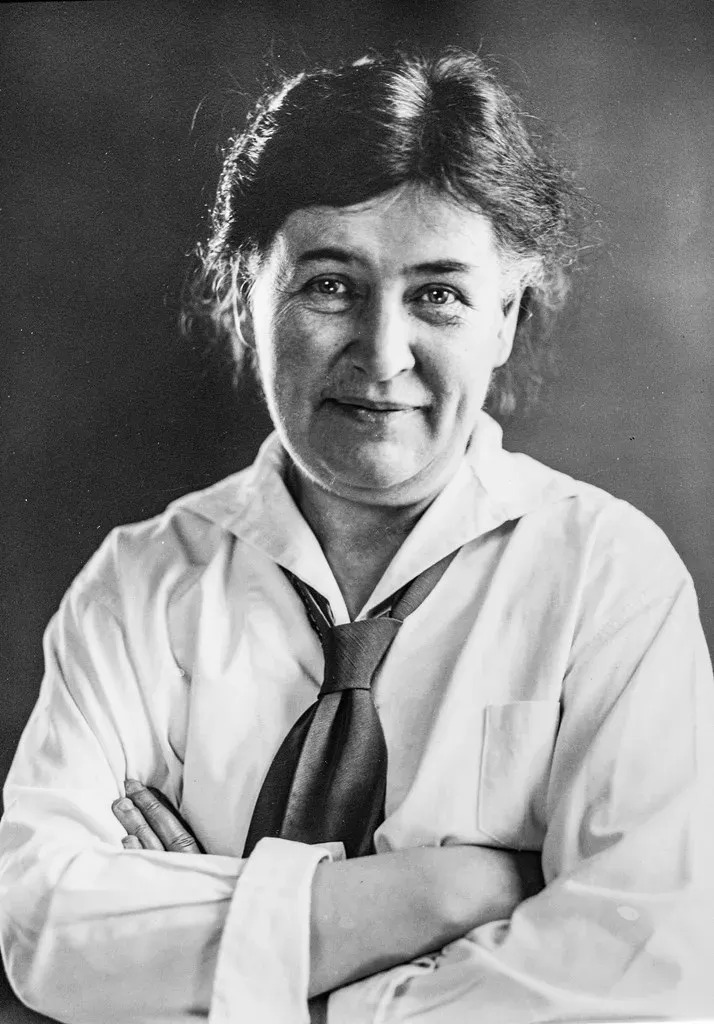
Willa Cather received the Pulitzer Prize in 1923 for her World War I novel One of Ours. She followed it with the popular Death Comes for the Archbishop in 1927, selling 86,500 copies in just two years. Cather’s novels about frontier life and pioneer spirit captured the American landscape with lyrical prose and deep empathy for settlers carving out lives in harsh territory. Works like O Pioneers! and My Ántonia celebrated the resilience of immigrant communities and the connection between people and land, establishing her as one of America’s great regional writers.
Simone de Beauvoir

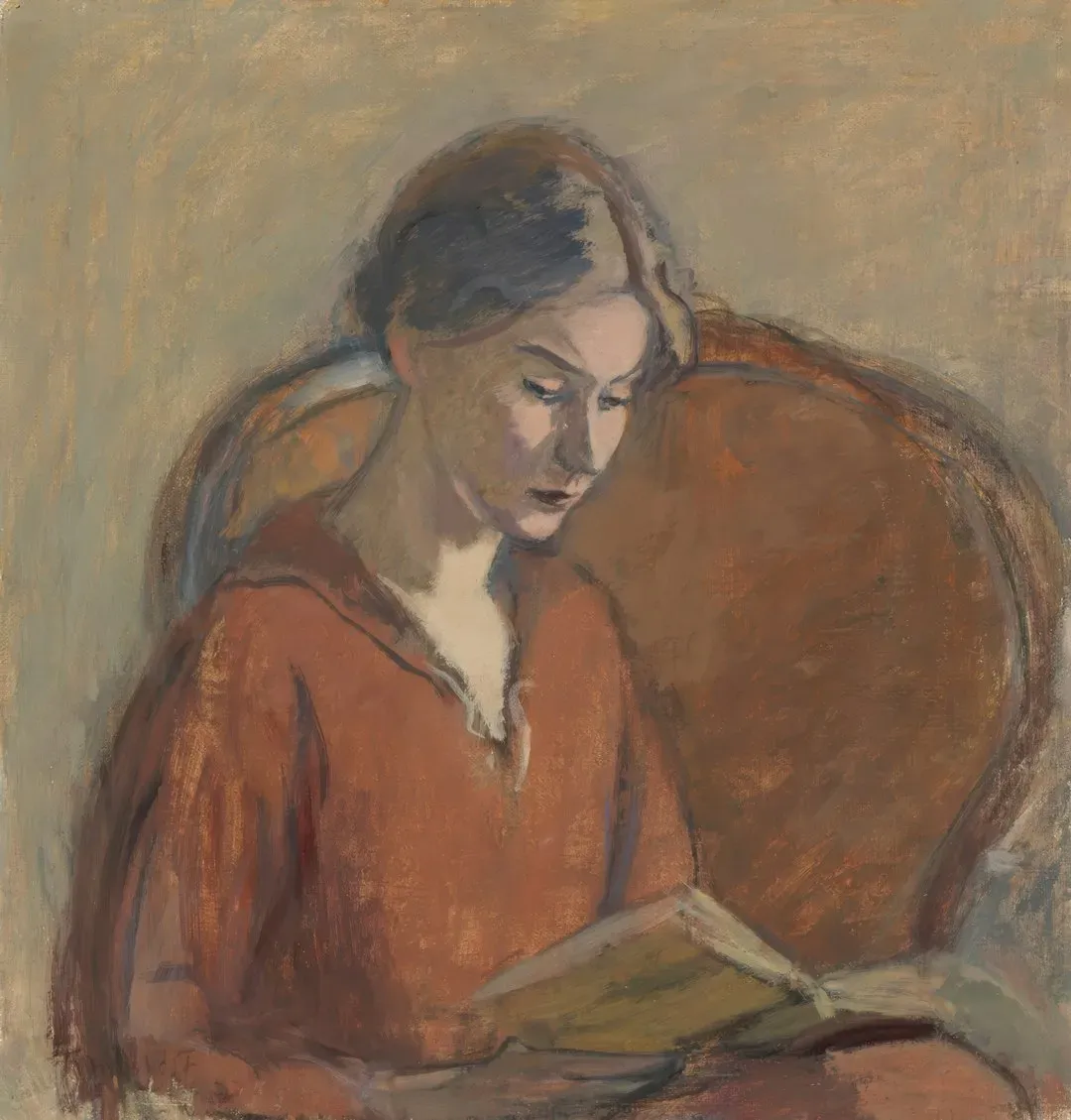
The Second Sex, published in 1949, is regarded as a groundbreaking work of feminist philosophy and as the starting inspiration point of second-wave feminism. Betty Friedan, whose book The Feminine Mystique is often regarded as the opening salvo of second-wave feminism in the United States, later said that reading The Second Sex led her to whatever original analysis of women’s existence she contributed, and that she looked to Beauvoir for philosophical and intellectual authority. Beauvoir’s famous assertion that “one is not born, but rather becomes, a woman” fundamentally challenged how society understood gender. Her work gave intellectual legitimacy to the women’s movement and influenced generations of feminist thinkers across the globe.
Chimamanda Ngozi Adichie

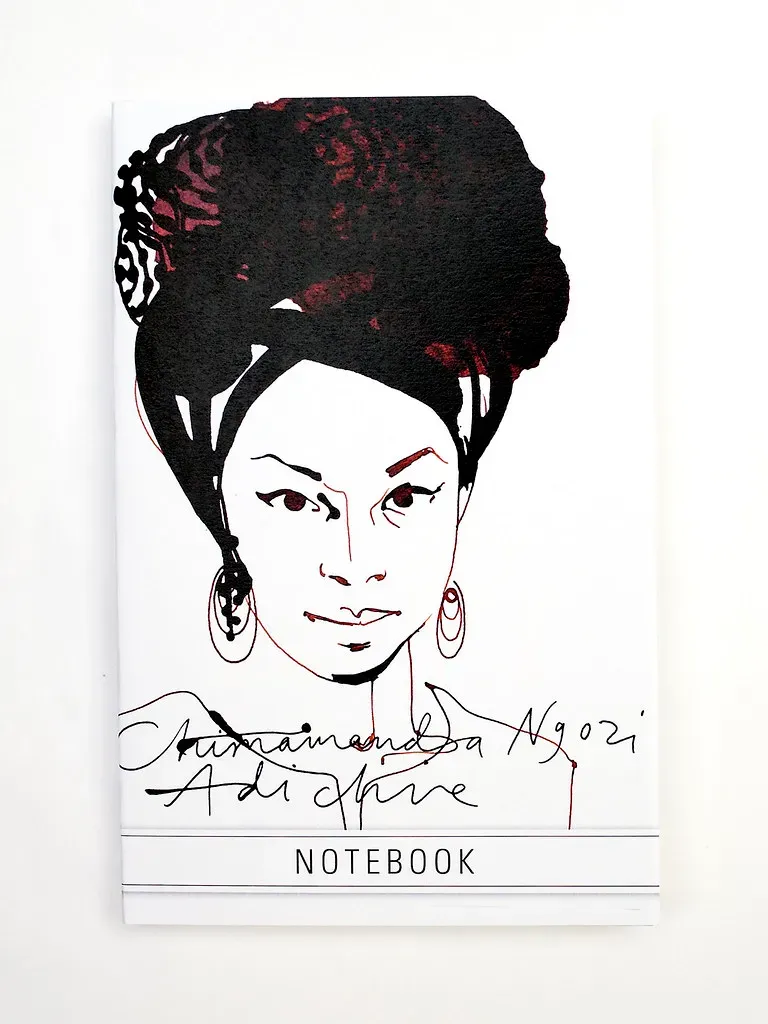
Chimamanda Ngozi Adichie’s works are widely taught in universities and have shaped modern conversations on feminism and postcolonial identity, according to The Guardian and TED archives. Her novels, including Half of a Yellow Sun and Americanah, explore themes of race, migration, and gender with a contemporary urgency that speaks directly to our globalized world. Adichie’s famous TED talk on feminism reached millions and sparked vital conversations about what equality actually means. She represents a new generation of African writers claiming space in world literature on their own terms.
Margaret Atwood

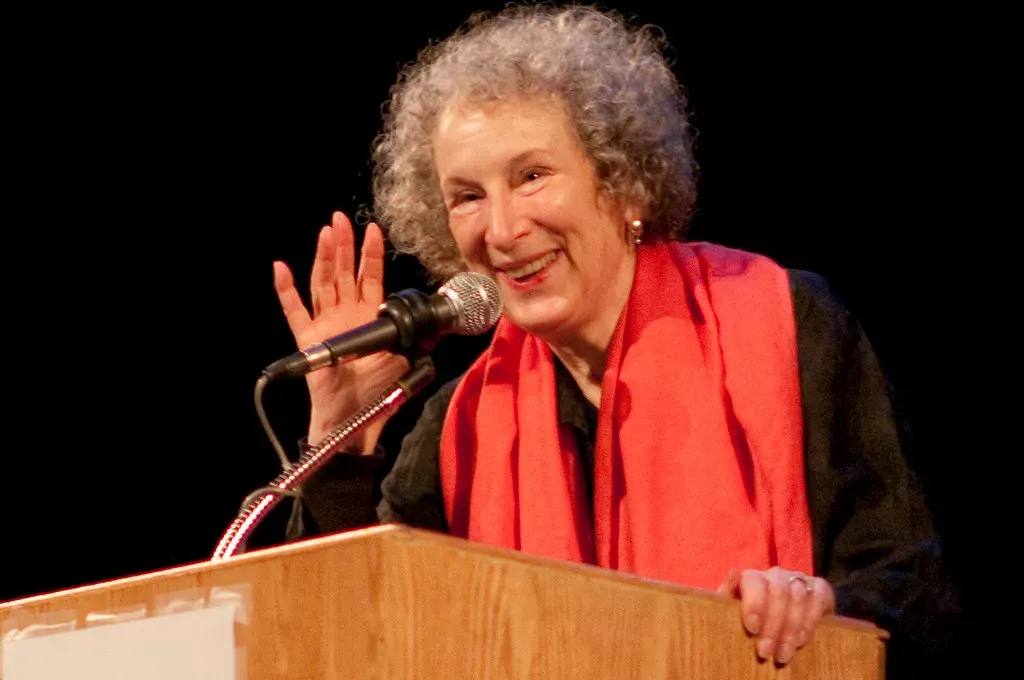
Margaret Atwood’s The Handmaid’s Tale was shortlisted for the Booker Prize in 1986 and won the first Arthur C. Clarke Award in 1987, according to The Booker Prizes. In 2000 she won the Booker Prize for The Blind Assassin. Since its publication in 1985, The Handmaid’s Tale has become a cornerstone of feminist and dystopian literature. Atwood’s dystopian vision of a totalitarian theocracy stripping women of autonomy became eerily prescient, resonating with new generations facing threats to reproductive rights. Her ability to blend speculative fiction with sharp social commentary established her as one of the most important voices in contemporary literature.
Emily Dickinson

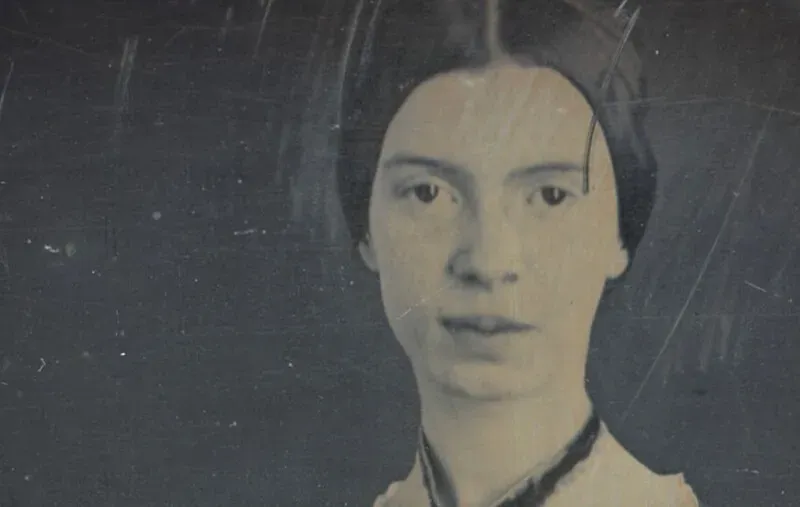
Emily Dickinson spent most of her life in seclusion, writing nearly eighteen hundred poems that wouldn’t be widely published until after her death. Her compact, innovative verse explored themes of death, immortality, nature, and the self with a startling originality. Dickinson’s unconventional punctuation, slant rhymes, and compressed language broke every rule of nineteenth-century poetry. She proved that a woman who never sought fame or public recognition could become one of America’s greatest poets, influencing countless writers who came after her with her fearless experimentation and emotional honesty.
Zora Neale Hurston

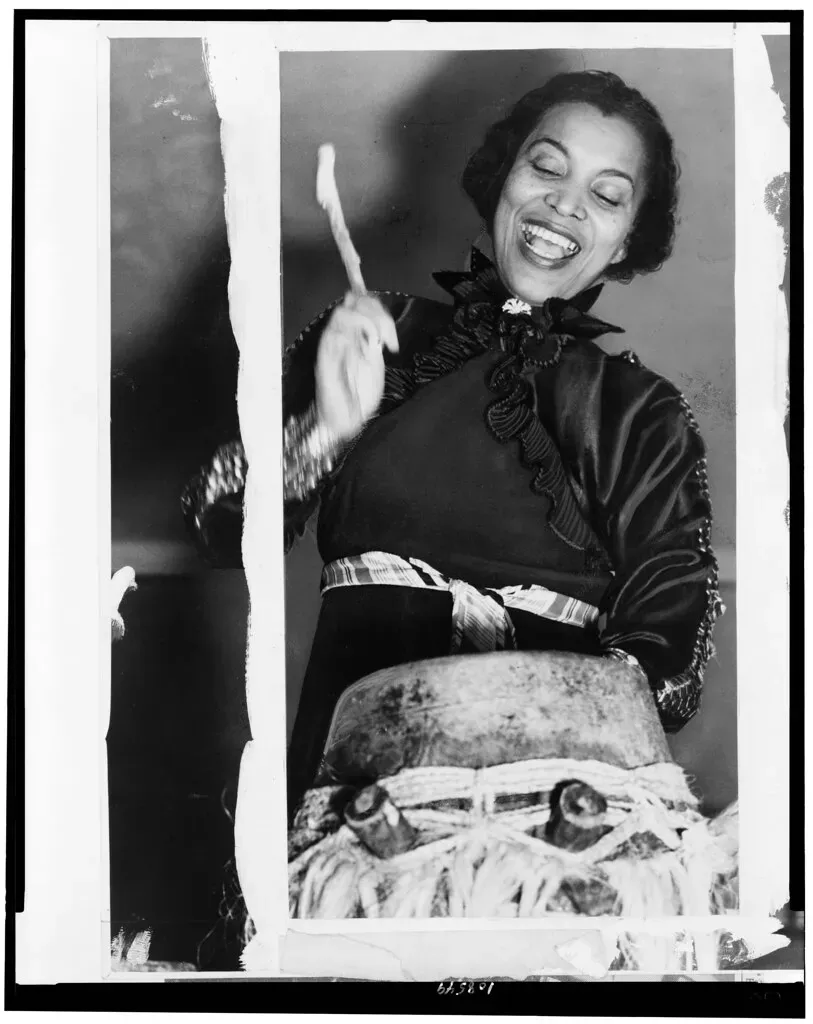
Zora Neale Hurston’s Their Eyes Were Watching God stands as a landmark in African American literature, celebrating Black culture and dialect in ways that were revolutionary for its time. Hurston was an anthropologist as well as a novelist, and she brought that researcher’s eye to her fiction, capturing the voices and stories of Black Southern communities with authenticity and love. Though her work fell into obscurity for decades, writers like Alice Walker championed her rediscovery, and today Hurston is recognized as a vital figure in both the Harlem Renaissance and American literature more broadly.
Charlotte Brontë

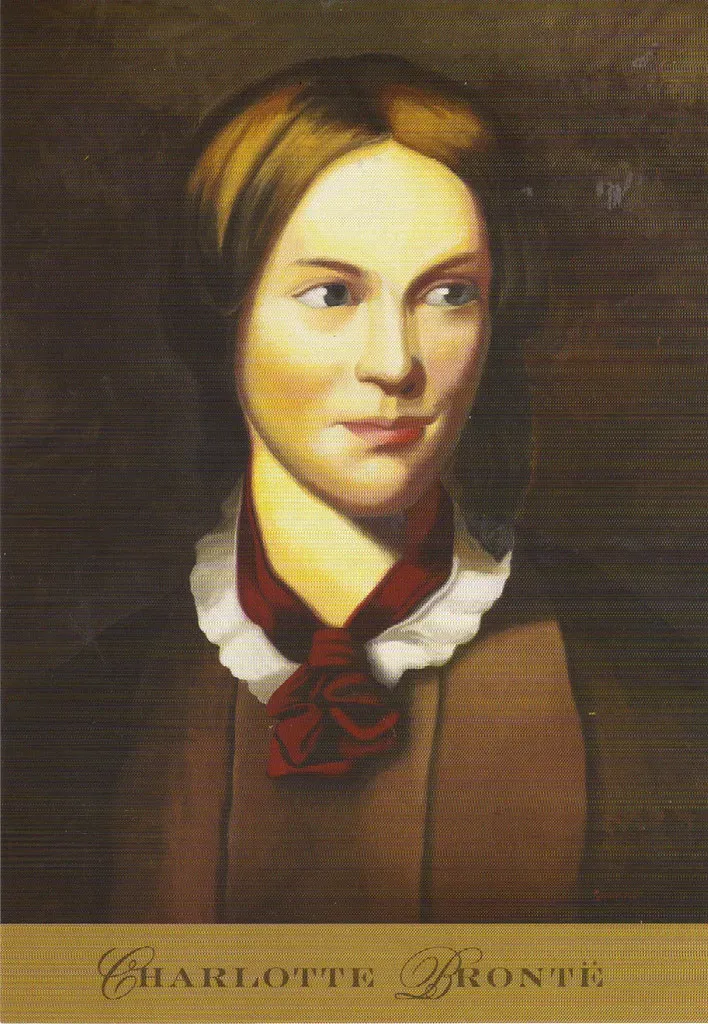
Charlotte Brontë’s Jane Eyre introduced readers to one of literature’s most enduring heroines: a plain, poor governess who refuses to compromise her principles or accept subservience. Published in 1847, the novel was radical in giving voice to a woman’s inner life with such passion and complexity. Jane’s declaration that women feel just as men feel challenged Victorian assumptions about female nature and desire. Brontë, writing under the pseudonym Currer Bell, created a work that balanced Gothic romance with feminist proto-consciousness, inspiring generations of women writers to claim their own narrative authority.
Toni Cade Bambara
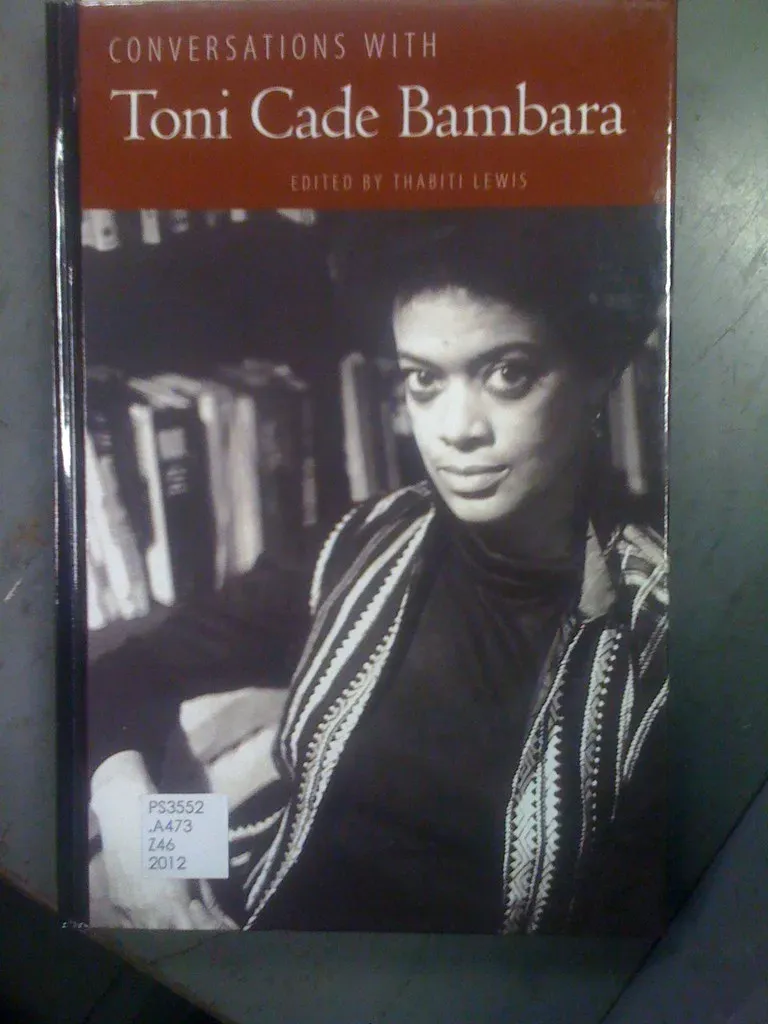
Toni Cade Bambara’s short stories and novels brought the voices of Black urban communities to vivid life, capturing the rhythms of street language and the realities of working-class struggle with fierce authenticity. Her collection Gorilla, My Love and her novel The Salt Eaters showcased her commitment to social justice and her belief that literature should serve communities. Bambara was also a filmmaker, activist, and teacher who mentored countless young writers. Her work emphasized collective resistance and the power of community, offering an alternative to narratives centered on individual achievement and escape.
Arundhati Roy

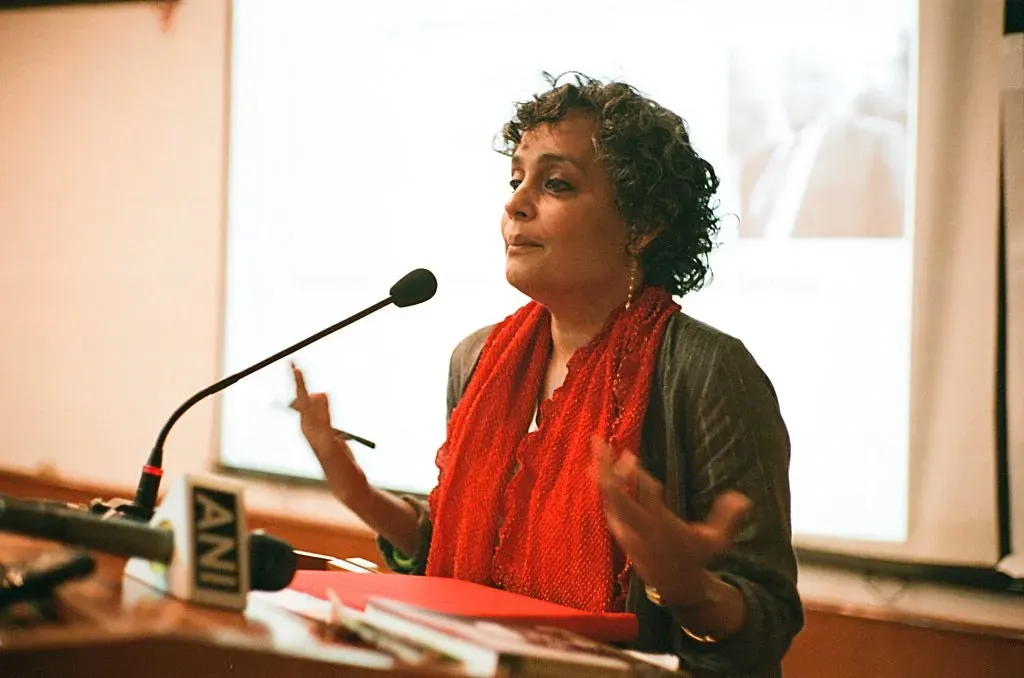
Arundhati Roy’s debut novel The God of Small Things won the Booker Prize in 1997, making her the first Indian woman to receive the award. The novel’s lyrical prose and non-linear structure told a heartbreaking story of forbidden love and caste oppression in Kerala. Roy’s willingness to challenge social taboos and her poetic language created a work that felt both intensely local and universally resonant. Beyond fiction, Roy has become a powerful voice for social justice, writing essays that critique globalization, environmental destruction, and state violence with the same fierce eloquence she brings to her novels.
Octavia Butler

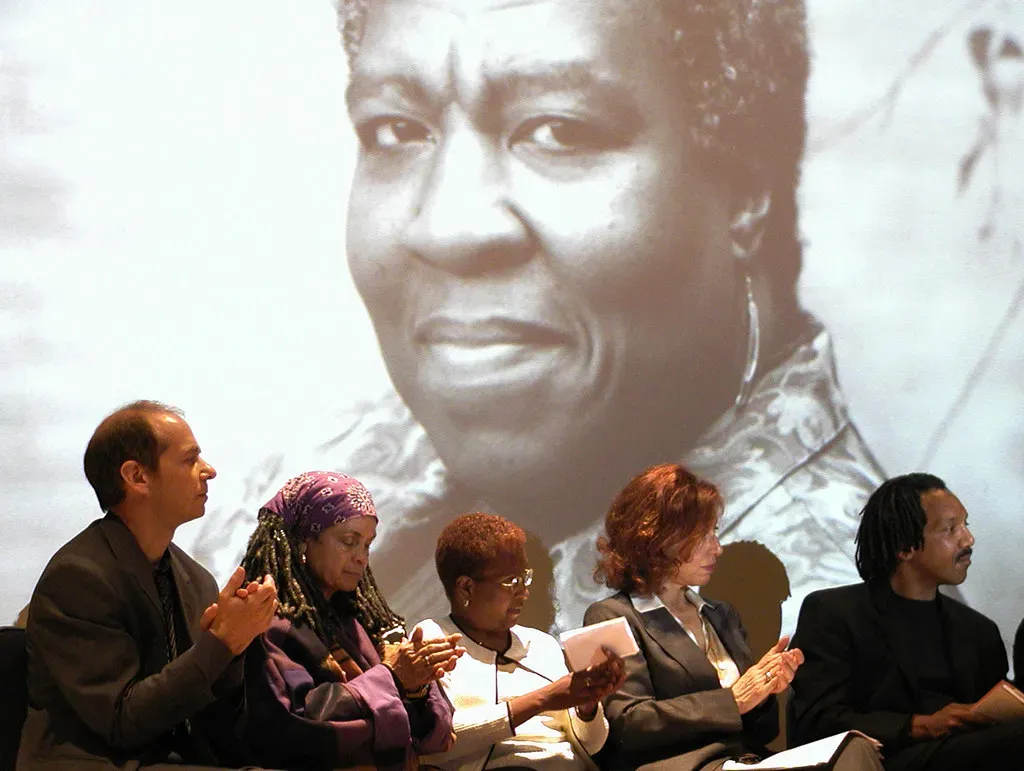
Octavia Butler was a pioneer in science fiction, a genre long dominated by white male writers, and she used speculative narratives to explore race, gender, and power in ways that felt urgently relevant. Her Parable series imagined dystopian futures shaped by climate collapse and social breakdown, while her Patternist novels examined themes of genetic manipulation and human evolution. Butler won multiple Hugo and Nebula Awards, and in 1995 she became the first science fiction writer to receive a MacArthur Fellowship. Her work expanded the boundaries of what science fiction could be and who it could speak to, paving the way for a new generation of diverse voices in the genre.
What strikes you most about these writers? It’s fascinating how many had to fight just to be heard, whether through pseudonyms, persistence, or sheer defiance of social norms. Their stories remind us that great literature doesn’t emerge from privilege alone but from the courage to tell difficult truths. Which of these authors do you think had the biggest impact? Tell us what you think.