
Some books are good. Some books are great. Then there are those rare, once-in-a-generation books that reach into the void and pull out an entirely new way of telling stories. These are the novels that did not just entertain readers. They rewired what readers expected from fiction itself. They built the rooms that every writer since has lived inside.
Think about that for a second. Every vampire story you have ever read, every dystopian thriller that kept you awake at night, every detective who calmly announced the murderer at the dinner table – all of it traces back to a single, foundational book. The shelves of bookstores, the algorithms of reading apps, the entire commercial architecture of modern publishing – shaped by a handful of writers who had absolutely no idea what they were starting. Let’s dive in.
1. Don Quixote (1605) by Miguel de Cervantes – The Modern Novel
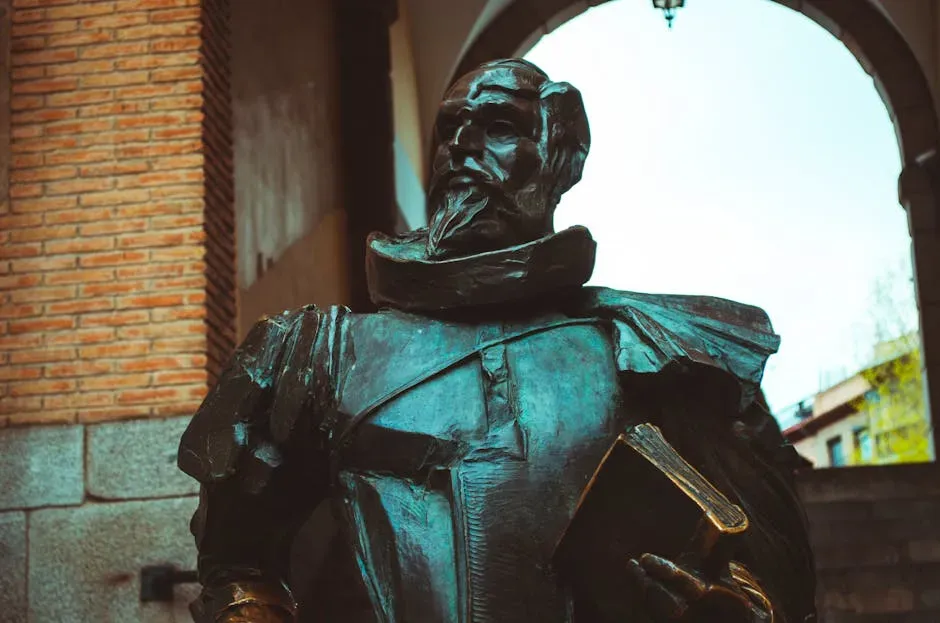
Don Quixote, with the full title “The Ingenious Gentleman Don Quixote of La Mancha,” is a Spanish novel by Miguel de Cervantes, originally published in two parts in 1605 and 1615, and is considered a founding work of Western literature and the first modern novel. That is a massive claim, and it absolutely holds up under scrutiny.
It establishes a new way of telling stories, in which the narrator is ambiguous, the characters have psychological depth, and the boundaries between reality and fiction become blurred. In other words, Cervantes invented the kind of self-aware, morally complex storytelling that we now simply call “a novel.”
In stark contrast to the popular, one-dimensional chivalric novels of the time, Don Quixote creates full interior lives for its characters while also giving the reader a chance to see the world through the characters’ relationships. Before Cervantes, fiction was flat. After him, it breathed.
Don Quixote was to inspire parodies of sentimental and pastoral romances in France and England, and went on to influence the early English novel in the hands of Fielding, Sterne, Smollett and Defoe. Honestly, you could argue that without this one book, most of the other nineteen on this list would not exist in the form they do.
2. Robinson Crusoe (1719) by Daniel Defoe – The Adventure Novel

Early novels, such as Don Quixote by Miguel de Cervantes and Robinson Crusoe by Daniel Defoe, introduced complex characters and intricate plots, paving the way for the genre’s future evolution. Robinson Crusoe, in particular, did something no book had done before: it placed one ordinary man against the entire natural world and asked readers to root for him.
Defoe was able to combine each of these popular genres into his moral narrative to devise a brand-new category, that of the novel. The “castaway narrative” or Robinsonade became its own subgenre almost immediately after publication, with dozens of direct imitators flooding the market within decades.
The Robinsonade is described as a “castaway narrative” in literary history, a form that stretches forward to works like The Swiss Family Robinson, Treasure Island, and even modern survival thrillers. The solitary-man-versus-nature story is one of the most enduring templates in fiction. Defoe essentially invented it on his first try.
The castaway character Ben Gunn in Treasure Island is actually a parody of Daniel Defoe’s character Robinson Crusoe, which tells you everything you need to know about just how deeply this novel embedded itself in the literary imagination of every writer who came after it.
3. Pamela, or Virtue Rewarded (1740) by Samuel Richardson – The Epistolary Novel
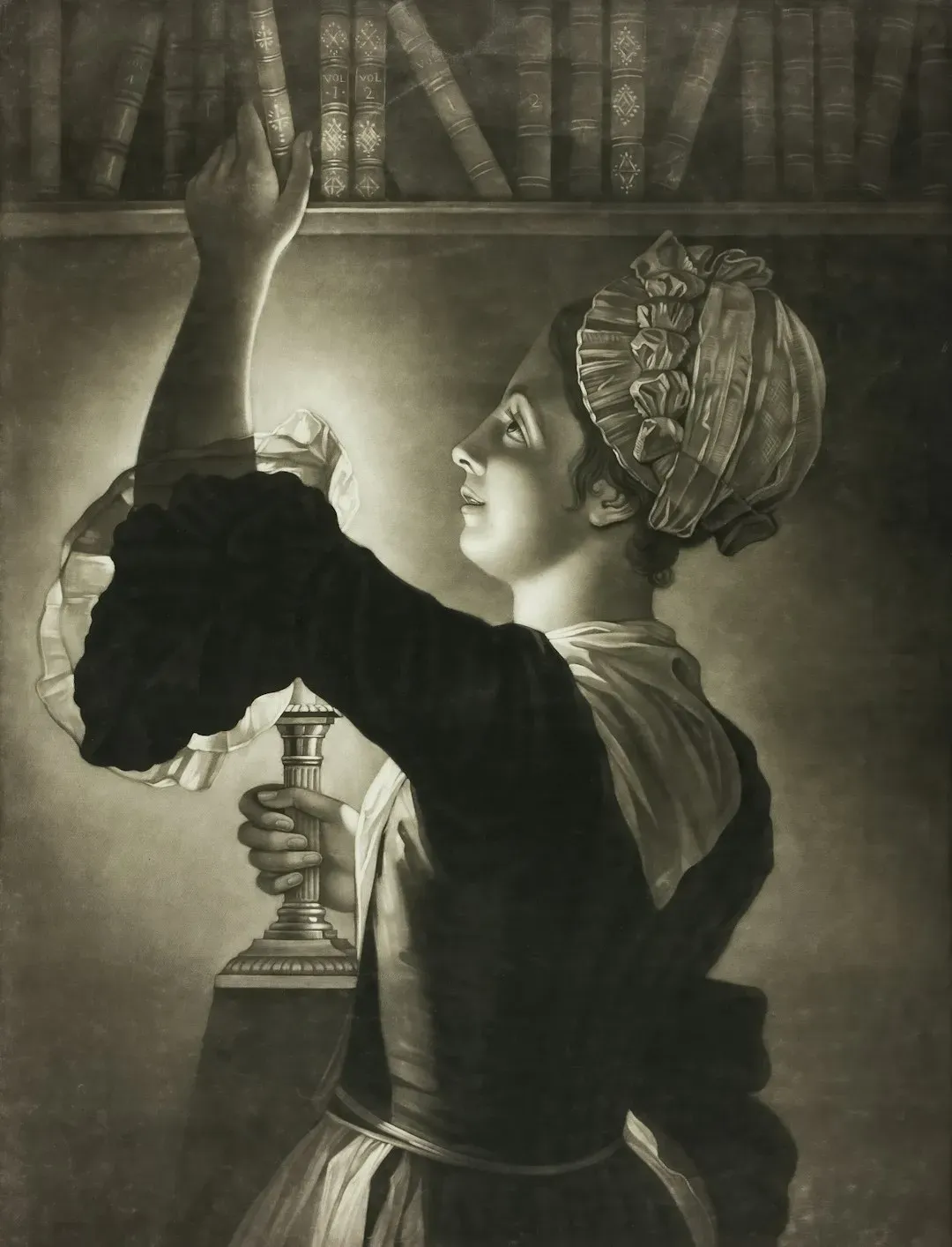
Some scholars see precursors to the genre fiction romance novel in literary fiction of the 18th and 19th centuries, including Samuel Richardson’s sentimental novel Pamela, or Virtue Rewarded (1740). Here’s the thing – Pamela was a cultural phenomenon unlike anything English readers had experienced before. It was the first novel to be told entirely through letters.
Sentimental novels relied on emotional responses, and featured scenes of distress and tenderness, with the plot arranged to advance emotions rather than action. The result was a valorization of “fine feeling,” displaying the characters as models of refined, sensitive emotional affect. The ability to display such feelings was thought at the time to show character and experience, and to help shape positive social life and relationships.
Richardson essentially taught readers that fiction could be emotionally intimate, that a novel could feel like reading someone’s private diary. The epistolary form he perfected here – storytelling through letters – would be used by everyone from Goethe in “The Sorrows of Young Werther” to Bram Stoker in Dracula decades later. That is not a small legacy.
4. Frankenstein (1818) by Mary Shelley – Science Fiction
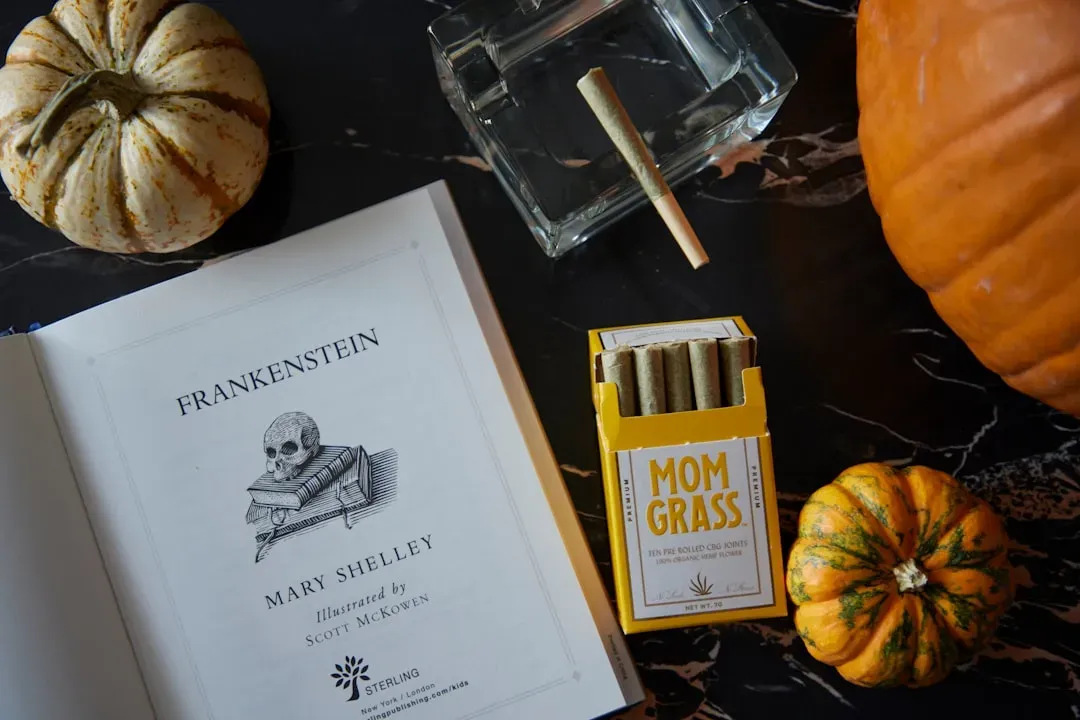
Frankenstein inaugurates the genre of science fiction, and many critics cite the novel as one of the first examples of the science fiction novel. Mary Shelley was just nineteen years old when she completed it. I think that fact alone should make every working writer feel a little humbled.
On that stormy night in 1816 at Villa Diodati, Mary Shelley envisioned a tale of revival and terror that would transcend its time and genre, setting the stage for the birth of modern horror. “Frankenstein, or The Modern Prometheus,” was not just a novel; it was a harbinger of a new kind of fear that blended the supernatural with the scientific, laying the foundation for what would become a cornerstone of horror fiction.
By integrating scientific ideas, particularly the controversial notion of galvanism, into a narrative traditionally reserved for the gothic, she effectively pioneered the science fiction horror genre. Shelley’s Frankenstein wasn’t just a ghost story; it was a cautionary tale about the dangers of unbridled ambition and the pursuit of knowledge at the cost of humanity.
It is considered one of the first science-fiction novels. An international sensation, the story has been adapted hundreds of times in different media and has influenced pop culture at large. From cloning debates to artificial intelligence anxieties, Frankenstein is still the most relevant novel ever written about the ethics of creation.
5. The Murders in the Rue Morgue (1841) by Edgar Allan Poe – Detective Fiction
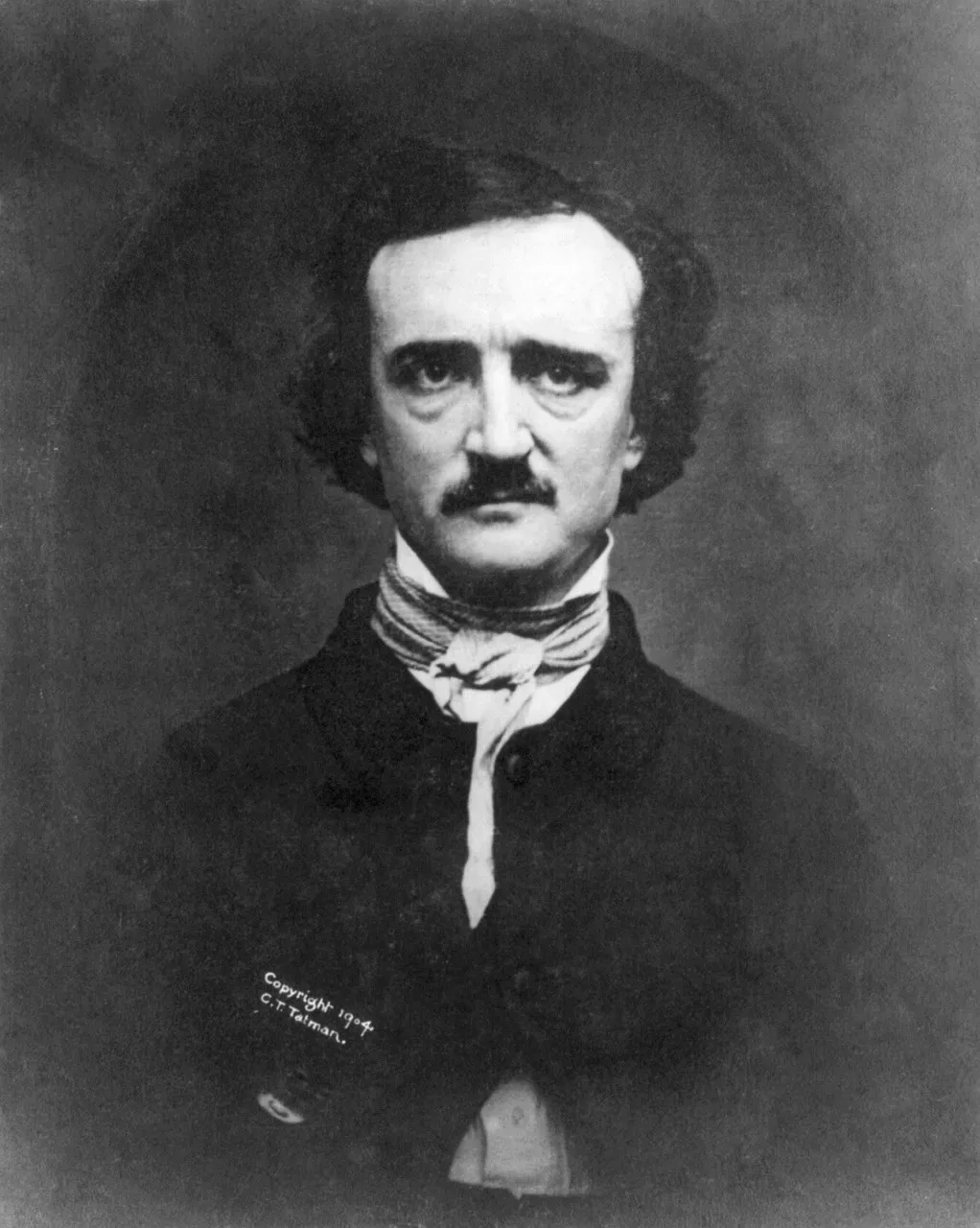
Before Arthur Conan Doyle, before Agatha Christie, there was Poe. For detective novels, you have Wilkie Collins’ and Edgar Allen Poe’s work as the true founding texts. Poe’s creation of Auguste Dupin in “The Murders in the Rue Morgue” gave the world its first proper fictional detective, and more importantly, the first formalized method of deductive reasoning applied to crime-solving.
The template Poe invented is almost embarrassingly familiar now: the brilliant, eccentric detective, the loyal but somewhat baffled companion, the crime that baffles everyone except the genius. Sherlock Holmes, Hercule Poirot, every single television detective you have ever watched – they are all, in some direct way, descendants of C. Auguste Dupin.
Genre fiction developed from various subgenres of the novel during the nineteenth century, along with the growth of the mass-marketing of fiction in the twentieth century: this includes the gothic novel, fantasy, science fiction, adventure novel, historical romance, and the detective novel. Poe seeded the detective novel into that lineage with a short story that punched far above its weight class.
6. Jane Eyre (1847) by Charlotte Brontë – Gothic Romance
Gothic style: Jane Eyre set the style and standard. That is putting it mildly. Charlotte Brontë built a novel that fused romantic longing with psychological darkness, haunted houses with inner emotional turmoil, and in doing so created the template for what we now call gothic romance. It is a genre that has never gone out of fashion.
Jane Eyre gave us the brooding, morally complex love interest (Rochester), the independent heroine who refuses to compromise her principles, and the looming shadow of a dark secret that threatens to destroy everything. These are now genre conventions. In 1847, they were radical innovations. The novel essentially invented the modern romance thriller in one go.
The long reach of Jane Eyre is astonishing. Daphne du Maurier acknowledged it as a key influence on Rebecca. Countless paranormal romance novels today still borrow from its atmosphere and emotional architecture. The “dark brooding love interest with a hidden past” is arguably the single most popular romantic archetype in fiction today, and it began right here.
7. Wuthering Heights (1847) by Emily Brontë – Dark Romantic Fiction

Romance has a rich literary history, with classic works like Jane Austen’s “Pride and Prejudice” and Emily Brontë’s “Wuthering Heights” standing as pillars of the genre. Wuthering Heights is a strange beast, though. It is not really a love story in the conventional sense. It is an obsession story, a revenge story, a story about how passion and cruelty are sometimes the same thing.
Emily Brontë invented a specific flavor of dark romantic fiction that prioritizes emotional extremity over emotional resolution. Her characters do not get better. They do not learn lessons. They burn. That refusal to offer comfort or moral tidiness was genuinely shocking to Victorian readers, and it opened the door to a century of morally unresolved literary romance.
Almost every “tortured love” narrative that exists in popular fiction – from literary novels to mainstream romance to gothic fiction – draws on the template Brontë created here. The moors as a symbol of emotional wildness, the self-destructive lover, the haunting across generations. These are her inventions, still in daily use two centuries later.
8. Ivanhoe (1820) by Sir Walter Scott – Historical Fiction
Historical fiction as a contemporary Western literary genre has its foundations in the early-19th-century works of Sir Walter Scott and his contemporaries in other national literatures such as the Frenchman Honoré de Balzac, the American James Fenimore Cooper, and later the Russian Leo Tolstoy. Scott’s Ivanhoe, published in 1820, is the novel that most purely crystallized the genre’s formula.
Historical fiction is a literary genre in which a fictitious plot takes place in the setting of particular real historical events. An essential element of historical fiction is that it is set in the past and pays attention to the manners, social conditions and other details of the depicted period. Ivanhoe was the first novel to do this with full-scale ambition, recreating medieval England with astonishing detail and making it feel alive rather than academic.
Before Scott, fiction was almost always set in the present or near-present. Ivanhoe proved that readers would happily follow characters through centuries-old worlds if the storytelling was vivid enough. The entire historical fiction section of any bookstore today exists, in a direct line, from this one novel. Hilary Mantel, Ken Follett, Bernard Cornwell – they are all working in a house Scott built.
9. Pride and Prejudice (1813) by Jane Austen – Romantic Comedy of Manners
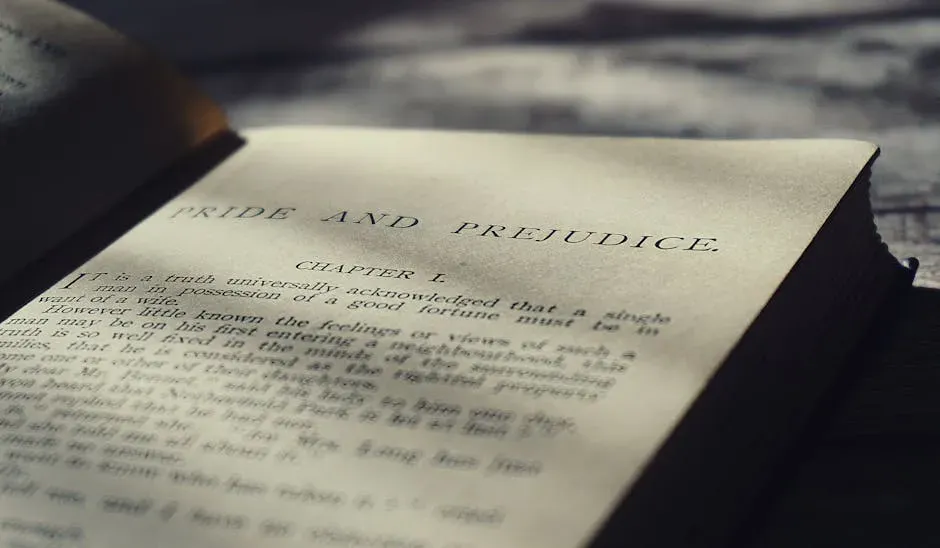
Some scholars see precursors to genre fiction romance novels in literary fiction of the 18th and 19th centuries, including the novels of Jane Austen such as Pride and Prejudice (1813). Austen did not just write a love story. She invented the romantic comedy as a literary form, complete with sharp social observation, misunderstandings fueled by pride and class, and an emotionally satisfying resolution.
The architecture of Pride and Prejudice is essentially the blueprint for every romantic comedy ever written. Two people meet. They misread each other. Obstacles multiply. They realize they were wrong. They get together. The Bridgerton series, the Hallmark channel, countless bestselling romance novels – all of them are following a map that Austen drew in 1813.
The novel is a worldwide cultural instrument that helped redefine the time and space where we live, the way we speak and talk, how we feel, and what we do. Nowhere is that truer than with Austen’s work. She made emotional intelligence the most compelling thing a character could possess, and fiction has never quite recovered from that insight.
10. The Count of Monte Cristo (1844) by Alexandre Dumas – The Revenge Thriller

Let’s be real: The Count of Monte Cristo may be the most purely entertaining novel ever written. Alexandre Dumas created something in this 1844 serial novel that had never quite existed before: the revenge thriller. A wronged man, a long imprisonment, a hidden fortune, and an elaborate, patient scheme to destroy everyone who betrayed him. It is irresistible.
The revenge narrative is one of the oldest stories in human history. Dumas was the first novelist to fully systematize it, to make the planning and execution of revenge as gripping as any action sequence. He invented the “long game” protagonist. Every slow-burn revenge thriller since, from literary fiction to pulpy thrillers, operates within the structural framework Dumas assembled here.
Genre fiction developed from various subgenres of the novel during the nineteenth century, along with the growth of mass-marketing of fiction in the twentieth century, including the adventure novel. The Count of Monte Cristo is arguably the most influential adventure novel of that century, and the revenge thriller it spawned remains one of the most commercially reliable genres in both fiction and film to this day.
11. Great Expectations (1861) by Charles Dickens – The Bildungsroman in English
The Bildungsroman is a German word for “novel of education” or “novel of formation,” meaning a novel that traces the spiritual, moral, psychological, or social development and growth of the main character from (usually) childhood to maturity. The form existed in German literature before Dickens, but Great Expectations became its defining English-language example and set the standard for every coming-of-age novel that followed.
Bildungsroman works focus on the psychological and moral growth of a character from youth into adulthood. Pip’s journey from the marshes to London to self-knowledge contains essentially every element that would become standard in the genre: social ambition, romantic delusion, a mentor figure, humiliation, and hard-won wisdom.
Think of every coming-of-age novel you have loved. The Catcher in the Rye, To Kill a Mockingbird, A Little Life, The Perks of Being a Wallflower. They all trace their DNA back to Dickens’ template. He took a German literary concept and made it feel universally human, which is honestly the most difficult thing a novelist can do.
12. Treasure Island (1883) by Robert Louis Stevenson – Children’s Adventure Fiction
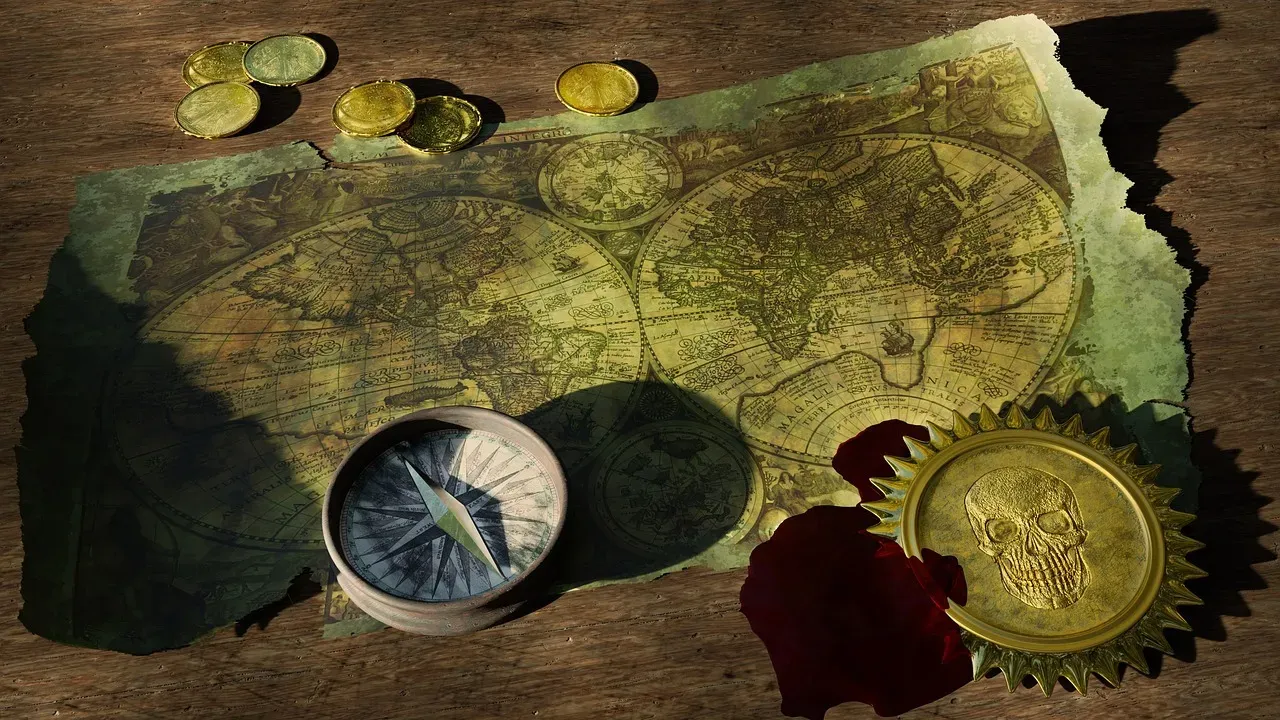
Robert Louis Stevenson’s Treasure Island, published in 1883 as an 18th-century treasure-hunt adventure, led to the popular perception of pirates as we know them today: peg-legged, one-eyed. That should tell you everything about the cultural gravity of this novel. It did not just spawn a genre. It invented a mythology.
Before Treasure Island, there was no real tradition of adventure fiction specifically shaped for younger readers. Stevenson essentially created children’s and young adult adventure fiction as a distinct genre. The treasure map, the double-crossing pirate, the young hero who proves himself braver than the adults around him – all Stevenson’s inventions.
Every swashbuckling adventure story aimed at younger readers, from Indiana Jones to Pirates of the Caribbean to countless fantasy novels with maps in the front pages, is operating within the genre Stevenson defined. Long John Silver remains one of the most copied villain archetypes in fiction, the charming, dangerous, ambiguous antagonist who is almost more interesting than the hero.
13. The Adventures of Sherlock Holmes (1892) by Arthur Conan Doyle – The Detective Series
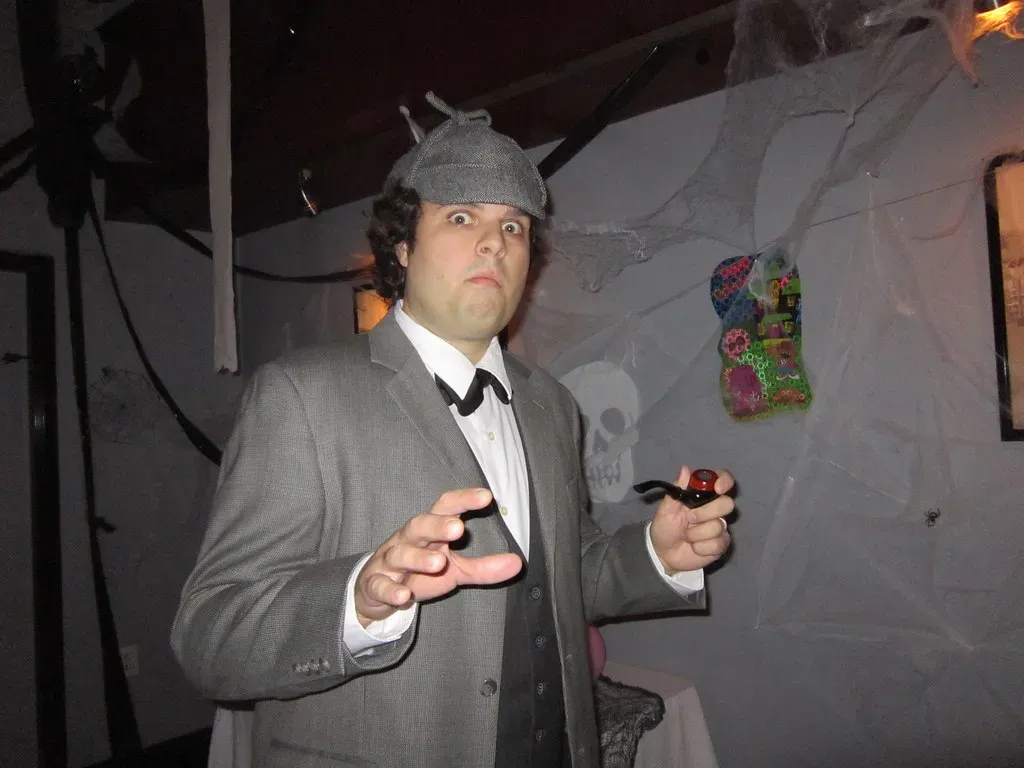
Classic detective characters such as Sherlock Holmes, created by Sir Arthur Conan Doyle, and Hercule Poirot, crafted by Agatha Christie, have left an indelible mark on the genre. Holmes did more than leave a mark. He essentially defined what the word “detective” means in fiction. The logical, observational genius who solves what baffles everyone else.
Popular novels are based entirely on the expectations for the particular genre, including the creation of a series of novels with an identifiable brand name, such as the Sherlock Holmes series by Arthur Conan Doyle. Conan Doyle also invented the idea of a detective “franchise,” where readers return not just for the puzzle but for the familiar company of a beloved character.
Holmes essentially created the entire commercial infrastructure of the detective series. The idea of a recurring detective across multiple books, with a consistent universe and a growing mythology, is now so standard it seems obvious. In 1892 it was a genuine innovation. Every detective series from Hercule Poirot to Harry Bosch to Jack Reacher owes its basic commercial DNA to Conan Doyle’s template.
14. Dracula (1897) by Bram Stoker – Vampire Fiction
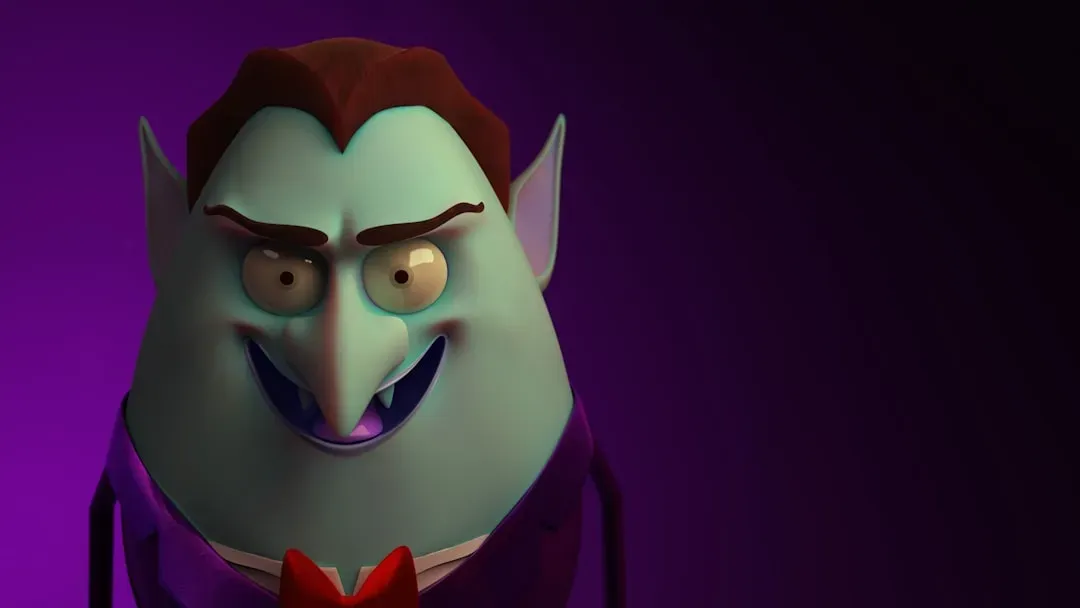
The 19th century witnessed the flourishing of literary genres, particularly with the rise of Romanticism. Works like Mary Shelley’s Frankenstein and Bram Stoker’s Dracula blended horror, romance, and the supernatural, captivating readers and establishing a distinct genre. Dracula, specifically, did something that no supernatural novel had done before: it made the monster seductive.
Before Stoker, vampires existed in folklore and a few earlier literary works, but they were crude creatures. Dracula transformed the vampire into a figure of aristocratic menace, sexual magnetism, and ancient, terrible power. That specific combination proved so compelling that it has never gone out of fashion. The vampire genre has now sustained over a century of continuous popularity.
From Anne Rice’s Interview with the Vampire to Twilight to True Blood, every commercially successful vampire narrative inherits its fundamental tension from Stoker: the monster who is also fascinating. Iconic horror works like Dracula continue to define what the genre means to readers and storytellers alike. Stoker created a template so powerful that the 21st century has not improved on it, only varied it.
15. The War of the Worlds (1898) by H.G. Wells – Science Fiction Invasion Narrative
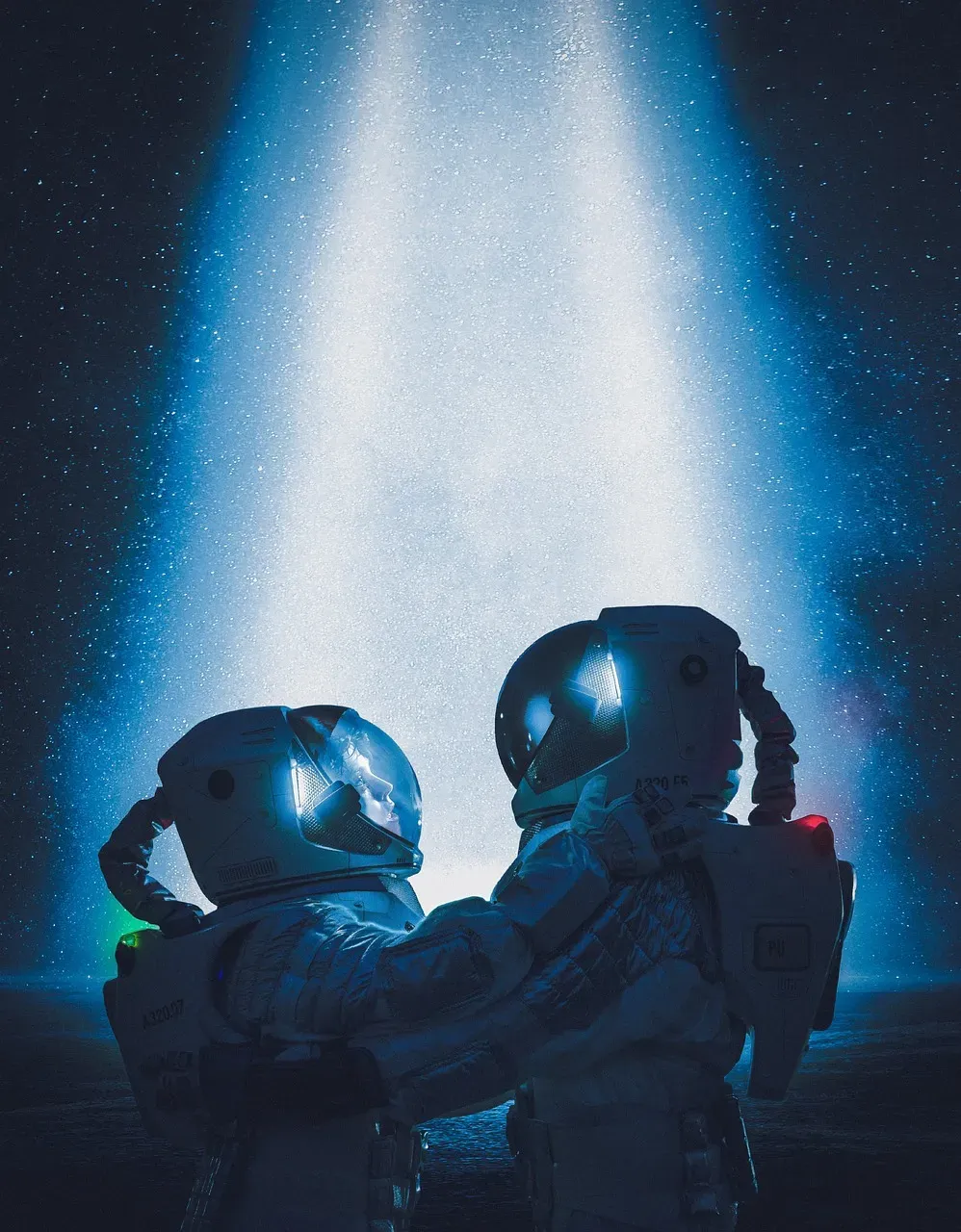
H.G. Wells’ story War of the Worlds was published in 1898 and is considered a classic of the science fiction genre. Wells essentially invented the alien invasion narrative, the concept of extra-terrestrial life as a threat rather than an abstraction. Before this novel, outer space was scientific curiosity. After it, outer space became something to fear.
The War of the Worlds introduced ideas that became fundamental to science fiction: humanity humbled by forces it cannot understand, technology rendered useless against a superior intelligence, civilization collapsing within days. Wells used Martian invaders as a mirror, forcing Victorian readers to see their own imperial attitudes reflected back at them from the conquered rather than the conquering side.
Every alien invasion story from Independence Day to Annihilation to A Quiet Place is working within the framework Wells built. He also gave the genre something invaluable: the idea that science fiction can be social commentary in disguise, that the alien threat is always also a metaphor for something human and contemporary. That is still the most powerful tool in the science fiction writer’s toolkit.
16. The Hound of the Baskervilles (1902) by Arthur Conan Doyle – Gothic Mystery
While Conan Doyle is already on this list for inventing the detective series, The Hound of the Baskervilles deserves its own entry because it achieved something even more specific: it fused gothic horror with rational detective fiction and created an entirely new hybrid genre. The gothic mystery. Dark, atmospheric, filled with ancient curses and bleak moors – but solved by pure reason in the end.
That tension between the gothic and the rational is the engine of thousands of novels since. The idea that there is a perfectly logical explanation behind every seemingly supernatural horror is now so embedded in the mystery genre that it seems natural. Conan Doyle made it feel natural. Before The Hound of the Baskervilles, the gothic and the detective story were separate territories. After it, they shared a border.
The “dark setting with a rational hero” template can be found everywhere from Agatha Christie’s country house mysteries to the modern psychological thriller, from The Name of the Rose to any number of television detective dramas where atmosphere does half the work of the plot. Conan Doyle built that world in 1902 and it still holds visitors today.
17. The Moonstone (1868) by Wilkie Collins – The Full-Length Detective Novel
Wilkie Collins’s The Moonstone, published in 1868, is generally considered the first English-language detective novel. Where Poe invented the detective story in short form, Collins proved it could sustain an entire novel’s worth of tension. That was not a given. The extended mystery novel is a completely different structural challenge.
Collins built something extraordinary here: a novel-length investigation told from multiple perspectives, each narrator revealing only part of the truth. That technique, using multiple unreliable witnesses to gradually reconstruct a crime, is now so standard in mystery fiction that it appears almost obvious. Collins invented it. T.S. Eliot called it “the first, the longest, and the best of modern English detective novels.”
The ripple effects are enormous. Christie’s most influential novels include The Murder of Roger Ackroyd, with its innovative twist ending that had a significant impact on the genre. Christie could not have built her intricate plotting without Collins having first proven that a mystery novel could sustain long-form complexity. Collins handed the entire Golden Age of detective fiction its architectural blueprint.
18. Nineteen Eighty-Four (1949) by George Orwell – Dystopian Fiction
Yevgeny Zamyatin’s We circulated in samizdat for years, in which form it influenced George Orwell’s Nineteen Eighty-Four. Orwell built on what came before him, as all great writers do. What he created surpassed everything. Nineteen Eighty-Four did not just describe a totalitarian society. It gave totalitarianism a vocabulary: Big Brother, doublethink, thoughtcrime, the Ministry of Truth. These words entered the language because the concepts were so precisely observed.
All dystopian novels are essentially science fiction, set in a future imagined to be overthrown by oppressive governments, ruled by environmental destruction, and the aftermath of it all in a grim society. Orwell defined the parameters of that future so completely that every dystopian novel since has either followed his template or deliberately pushed against it.
The Handmaid’s Tale, The Hunger Games, Never Let Me Go, Station Eleven, countless contemporary thrillers about surveillance states and government overreach – they are all, in some direct sense, conversations with Nineteen Eighty-Four. Orwell created a genre by creating a nightmare that felt too plausible to be merely fiction. In 2026, it still does.
19. The Lord of the Rings (1954–1955) by J.R.R. Tolkien – High Fantasy
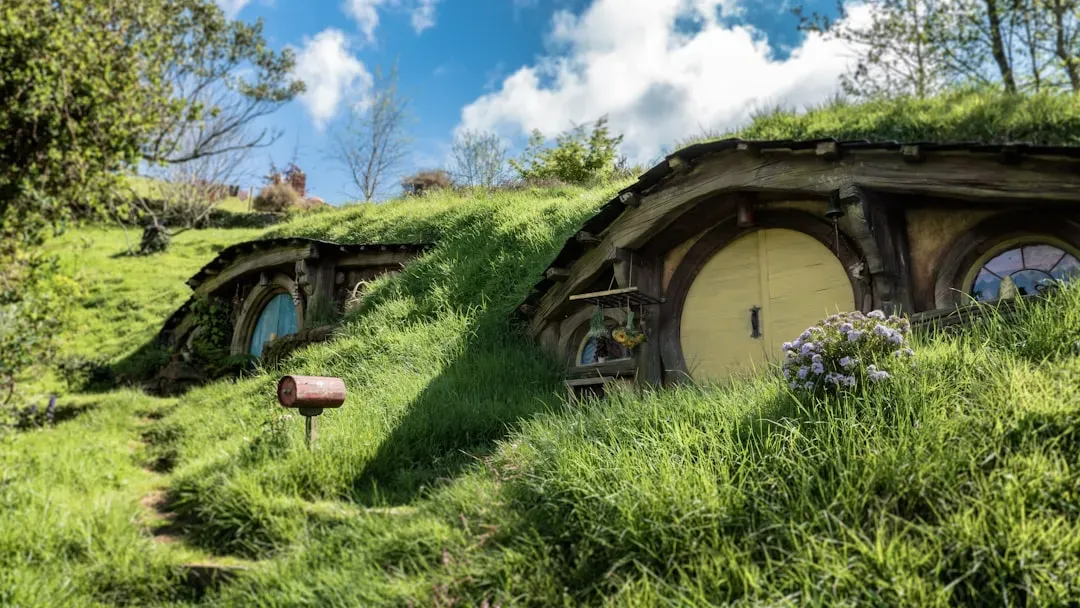
Although fantasy had long existed in various forms around the world before his time, J.R.R. Tolkien has been called the “father of fantasy,” and The Lord of the Rings its centre. That novel, published in 1954–1955, enormously influenced fantasy writing, establishing in particular the form of high or epic fantasy, set in a secondary or fantasy world in an act of mythopoeia.
When The Hobbit appeared in 1937, it introduced readers to a fully formed “secondary world.” Unlike earlier fairy tales or allegories, Tolkien built Middle-earth with maps, songs, genealogies, and an internal history. By the time The Lord of the Rings followed two decades later, the blueprint was clear: invented languages shaped by his training as a philologist.
The Lord of the Rings gained immense popularity in the 1960s, especially through paperback editions that became countercultural favorites. Its success spurred publishers like Ballantine Books to create the Adult Fantasy series (1969–74). For the first time, bookstores had a clear “Fantasy” section and Tolkien sat firmly at its center.
Peter Jackson’s Lord of the Rings film trilogy grossed nearly $3 billion worldwide, proving that Tolkien’s genre remains commercially unstoppable. It’s hard to say for sure where fantasy would be without him, but almost certainly somewhere much smaller and less populated with elves.
20. The Handmaid’s Tale (1985) by Margaret Atwood – Feminist Dystopia

Margaret Atwood took Orwell’s dystopian architecture and rebuilt it around the specific experiences and fears of women, creating a subgenre that has proven to be one of the most culturally durable in contemporary fiction. Young Adult literature and dystopian fiction like The Hunger Games (2008) are part of a literary lineage shaped by earlier genre-defining works. That lineage runs directly through Atwood.
The Handmaid’s Tale is not just a great novel. It is a genre-founding text. The feminist dystopia, in which a patriarchal system specifically controls women’s bodies and freedoms, had no real predecessor before 1985. Atwood built it from scratch, drawing on real historical precedents rather than imagined ones, which gave it an immediacy that purely speculative dystopias often lack.
Dozens of novels since have worked within the genre Atwood invented: stories of women navigating systems designed to diminish them, told with cold precision and controlled fury. The genre has exploded in recent years, which suggests that Atwood’s foundational insight, that the dystopia is not a distant future but a recognizable extrapolation of the present, resonates more deeply with each passing decade.
Conclusion: The Books That Built the Room

Every work of fiction falls into a literary subgenre, each with its own style, tone, and storytelling devices. These genres are formed by shared literary conventions that change over time as new genres emerge while others fade. What this list makes clear is that genres do not fade because they were invented by writers of towering imagination. They simply evolve.
These twenty novels did not become important because critics decided they were important. They became important because other writers could not stop returning to them. Because readers kept finding something in them that nothing else provided. Because the specific emotional and narrative rooms these writers built turned out to be places where millions of people felt genuinely at home.
The most striking thing about this list is how accidental it all was. Mary Shelley was killing time indoors during a bad summer. Tolkien was building a mythology for his own private pleasure. Cervantes was mocking the popular fiction of his day. None of them set out to found a genre. They just wrote the truest version of the story they needed to tell. What genre of fiction do you think is still waiting to be invented by a writer we haven’t heard of yet?