Nursery rhymes have been sung to children for centuries, passed down through generations as playful little verses designed to entertain and soothe. Most adults accept them at face value, never pausing to ask why Jack breaks his crown, why a baby falls out of a treetree, or why three mice lose their tails. The historical periods in which many of these rhymes were born were characterized by war, poverty, and disease, and those struggles were often reflected in the songs passed down through generations. As Seth Lerer, Dean of Arts and Humanities at the University of California, San Diego, has noted, “a lot of children’s literature has a very dark origin,” and nursery rhymes are part of long-standing traditions of parody and popular political resistance to high culture and royalty. What follows is a gallery of 20 of the most famous nursery rhymes, each carrying a story far darker than the words would ever suggest.
1. Ring Around the Rosie

Perhaps the most frequently cited “secret origin” of a nursery rhyme is the claim that “Ring Around the Rosie” is about the bubonic plague, which felled almost a quarter of London’s population in 1665, or the earlier Black Death that ravaged Europe in the middle of the 14th century, killing as much as half the continent. According to this theory, swollen lymph nodes with a red, rosy rash were a symptom of the plague, while “a pocket full of posies” refers to the herbs carried by those not yet ill to ward off the smell of the dead and dying.
Folklore scholars, however, consider the popular explanation linking the rhyme to the Great Plague, which has been common since the mid-20th century, to be unfounded. The earliest print appearance of “Ring Around the Rosie” did not occur until the publication of Kate Greenaway’s Mother Goose in 1881, and for the plague explanation to be true, we would have to believe children were reciting this rhyme continuously for over five centuries without anyone writing it down. The plague theory itself only appeared in print for the first time in 1961, which makes it a modern invention rather than an ancient truth.
2. Mary, Mary, Quite Contrary
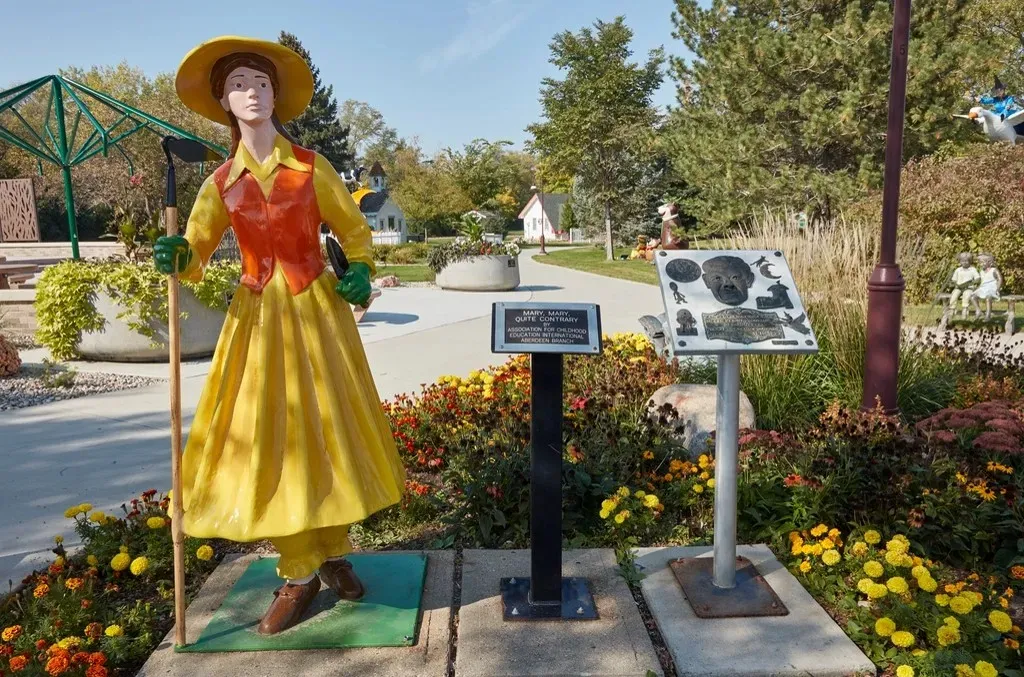
Mary, Mary, Quite Contrary first appeared in Tommy Thumb’s Pretty Song Book in 1744. The darkest interpretation contends that the rhyme refers to the Catholic monarch, Mary I of England, known as Bloody Mary, with the “garden” in the verse representing England, and the contrariness alluding to her bloody persecution of Protestants.
According to this interpretation, the “silver bells” and “cockle shells” were torture devices used by Queen Mary’s executioners on her Protestant subjects. Mary Tudor, Queen of England and Ireland from 1553 to 1558, is considered the probable protagonist of both “Three Blind Mice” and “Mary, Mary Quite Contrary,” with the rhyme potentially referring again to her murder of Protestants. It is worth noting, as with many rhymes in this list, that definitive historical proof remains elusive.
3. Humpty Dumpty
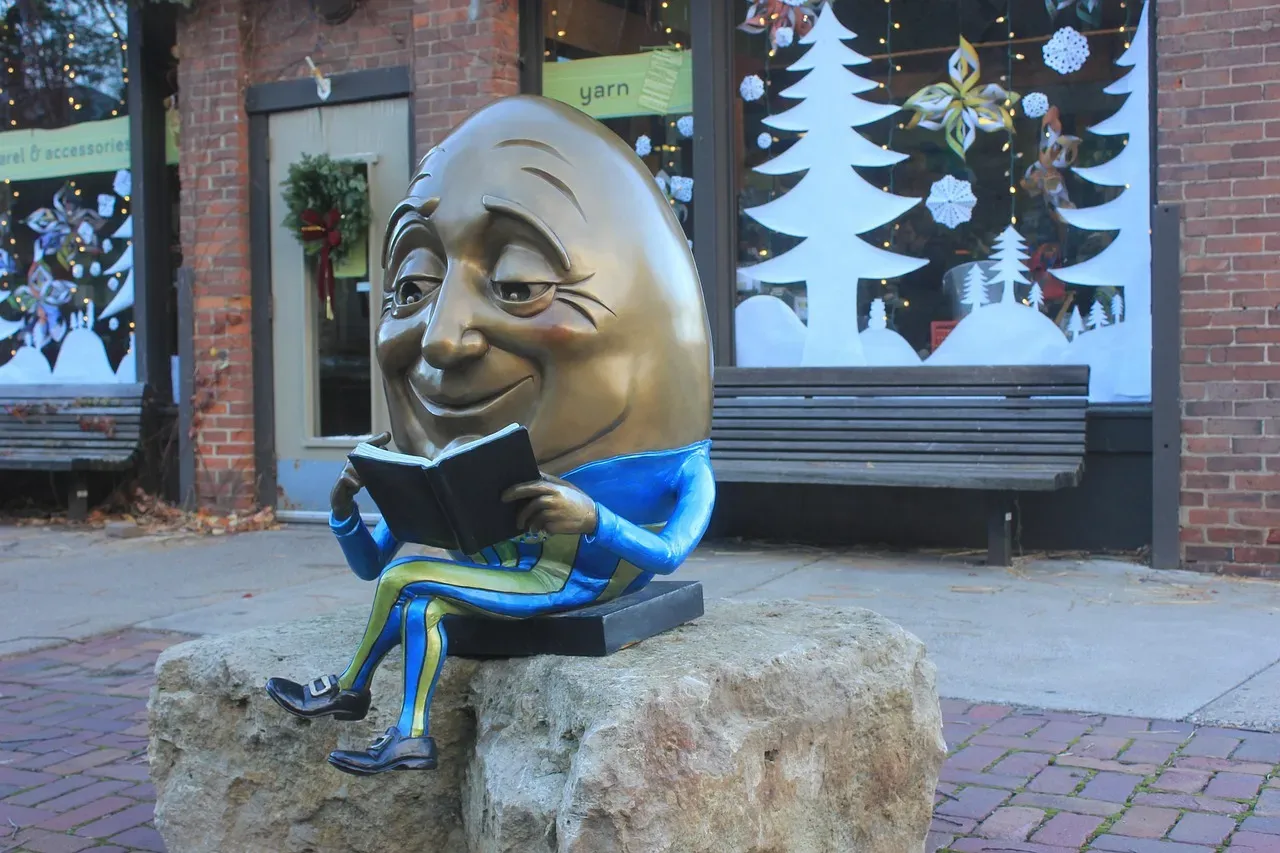
The true origin of this nursery rhyme may have more to do with a powerful cannon than a fragile egg. During the English Civil War in the 17th century, a cannon named “Humpty Dumpty” was mounted on the walls of the St. Mary’s Wall Church in Colchester, and when the church was under siege, the cannon fell from the wall and could not be recovered. During the siege of Colchester in 1648, the large cannon was strategically placed on the city wall, but a shot from a Parliamentary cannon damaged the wall beneath it, causing it to tumble down. The Royalists tried to raise it on another part of the wall, but it was so heavy that “all the King’s men couldn’t put Humpty together again.”
The phrase “all the king’s horses and all the king’s men” refers to the soldiers who tried and failed to repair the damaged weapon, and while the egg character has become the face of this nursery rhyme, its origins may lie in a story of military strife and defeat. However, it should be noted that the notion that “Humpty Dumpty” was originally about a cannon in the English Civil War has been challenged by some scholars, who question the historical evidence behind it.
4. Jack and Jill
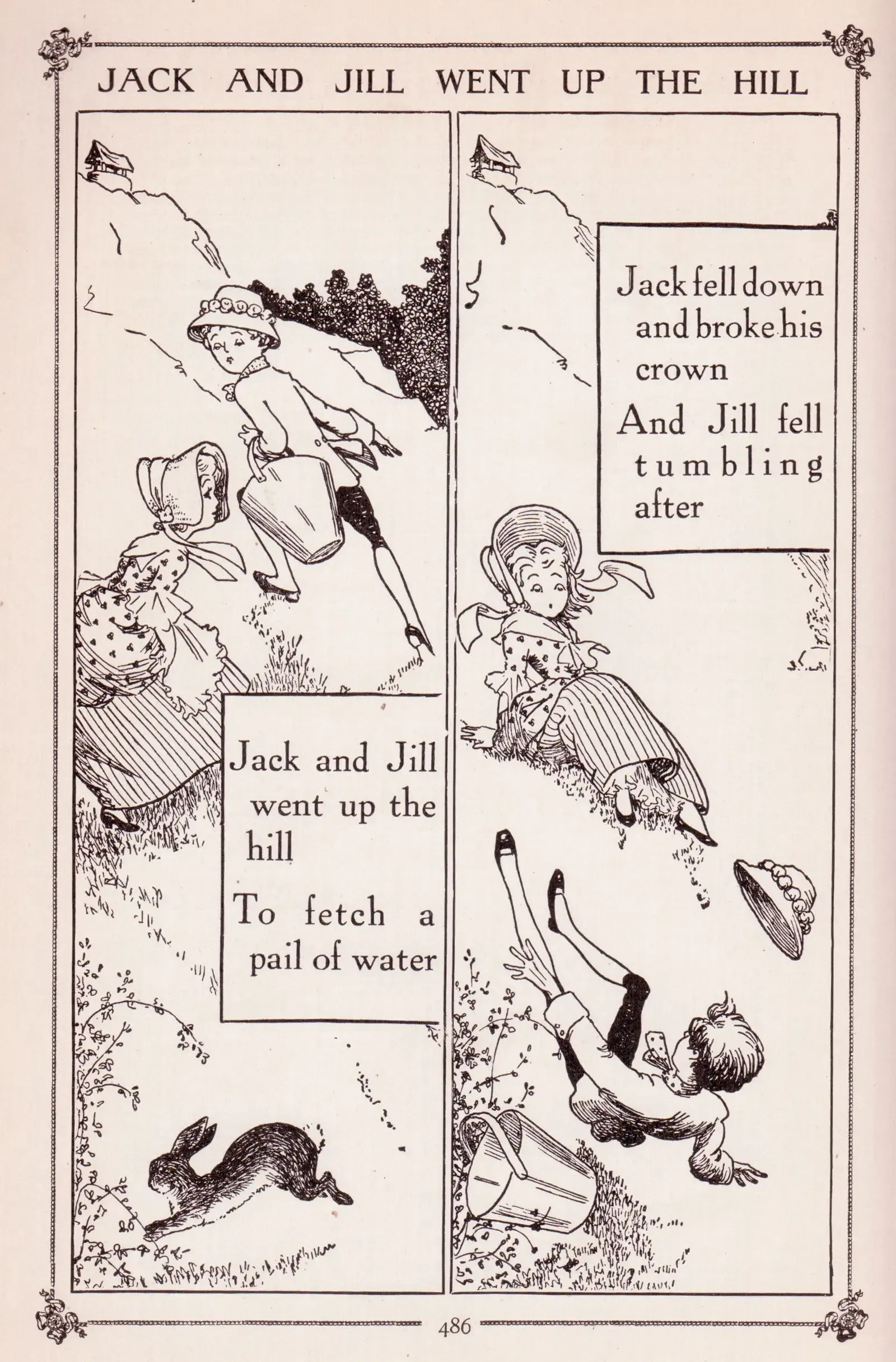
The popular little ditty, most likely first published back in the mid-1700s, may actually be referring to a 17th-century tax on alcoholic beverages, with some believing it has its origins in the reign of King Charles I of England and his attempts to raise taxes on measures of liquid. The original version of the rhyme featured Jack and “Gill,” which was eventually changed to “Jill” in later publications. A Gill happened to be another term for a quarter-pint measure of liquid, while a Jack, short for a Jackpot or a “double jigger,” was a measure of volume equal to a half-pint.
King Charles I wanted to implement tax reform by increasing taxes on Jacks, or half-pints, but Parliament refused. The king then simply reduced the volume a Jack would hold by lowering the imperial measure of the half-pint line, which was indicated by a crown symbol. Thus Jack “lost his crown,” and a reduced volume on the Gill soon followed, or “came tumbling after.” Another theory is that the rhyme is a nod to the execution of King Louis XVI of France and his wife, Marie Antoinette, who were beheaded and both lost their crowns, although the French Revolution occurred in 1789 and the earliest known version of the rhyme was printed in 1765.
5. Three Blind Mice
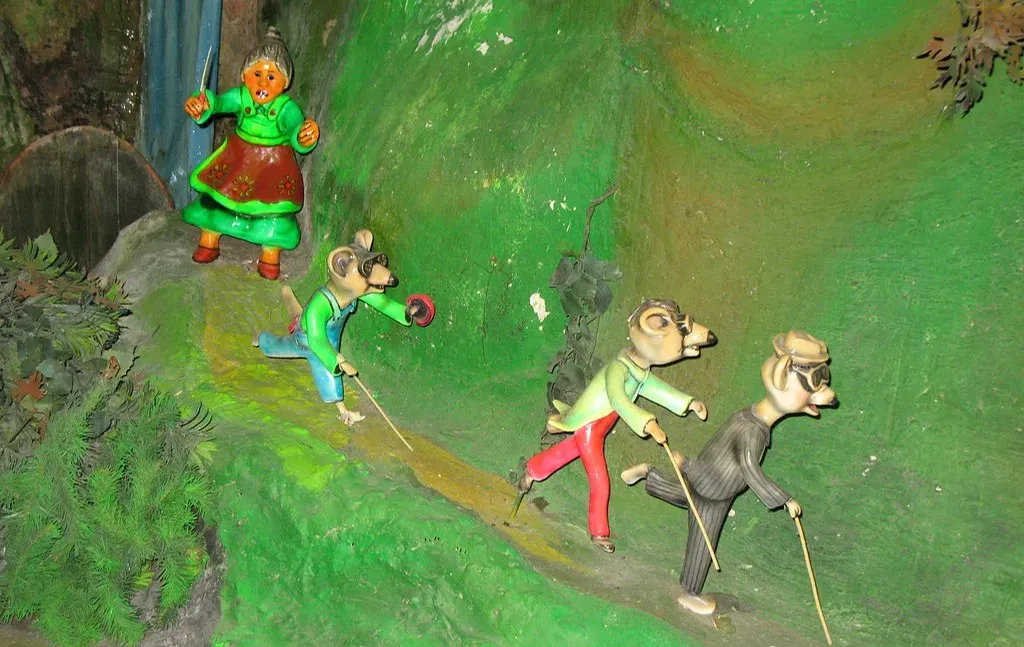
A version of this rhyme, together with music in a minor key, was published in Deuteromelia or The Seconde part of Musicks melodie in 1609, with the editor and possible author being Thomas Ravenscroft. Many have thought that the rhyme was written even earlier than 1609, and there is speculation that the song refers to Queen Mary I of England, who was believed to have blinded and executed three Protestant bishops.
One theory holds that the three blind mice represent three Protestant loyalists who were accused of plotting against the Catholic Queen Mary, known as Bloody Mary, in the 16th century. Daughter of Henry VIII and fiercely Catholic, Mary showed no mercy towards these Protestant plotters. She didn’t cut off their tails, though. Instead she burnt them at the stake. The Oxford Martyrs, Ridley, Latimer, and Cranmer, were burned at the stake, not blinded, although if the rhyme was made by crypto-Catholics, the mice’s “blindness” could refer to their Protestantism. The earliest known date of publication is 1609, well after Queen Mary died.
6. Baa Baa Black Sheep
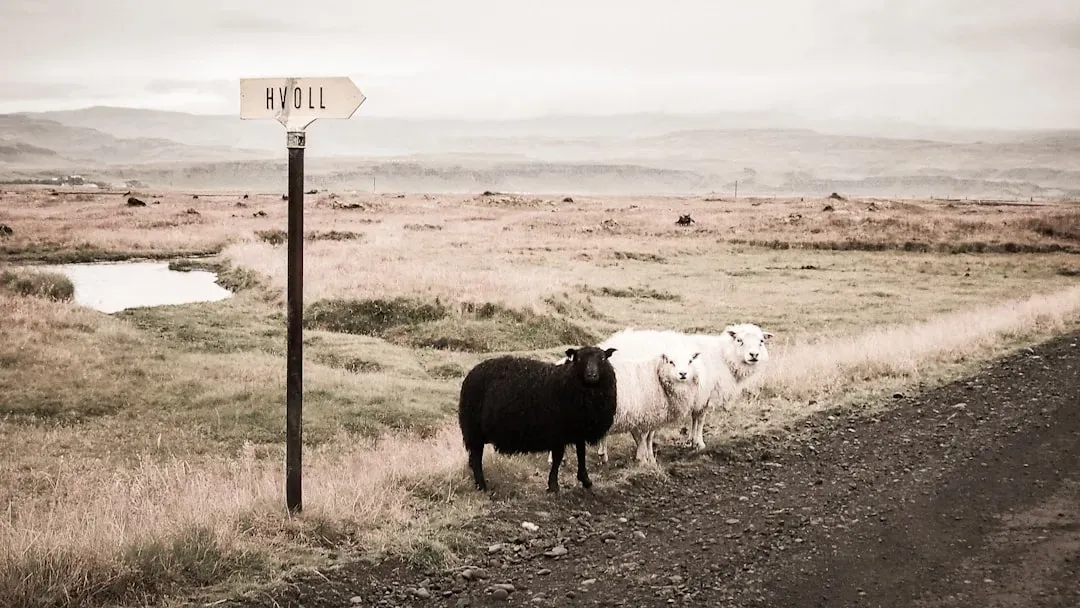
Most scholars agree that “Baa, Baa, Black Sheep” is about the Great Custom, a tax on wool that was introduced in 1275. In 1272, crusaders returned to England from the Holy Land and racked up quite a bill, so King Edward I imposed new taxes on Britain’s wool industry. These tax requirements were immortalized in the allotment of bags of wool to various parties, including the master.
The origin dates back to the time of King Edward I, who imposed a harsh wool tax on the farmers. One-third of the wool’s portion was “for the master” or King, one-third for the Dame or Church, and one-third for the farmers. Older versions of the rhyme ended with “But none for the little boy who cries down the lane,” symbolizing how little was left for ordinary people. Its political correctness was called into question again in the latter part of the 20th century, with some schools banning it from being repeated in classrooms, and others switching out the word “black” for something deemed less offensive.
7. London Bridge Is Falling Down

Depending on whom you ask, “London Bridge is Falling Down” could be about a 1014 Viking attack or the normal deterioration of an old bridge. Many sources tie the nursery rhyme to the alleged destruction of London Bridge at the hands of Olaf II of Norway sometime in the early 1000s. Many believe it refers to the state of disrepair into which London Bridge fell after the Great Fire of London in 1666, but some experts argue convincingly that it refers to an alleged Viking invasion in 1014, during which London Bridge was pulled down. A collection of Old Norse poems written in 1230 contains a verse that sounds much like the nursery rhyme.
There is also the child sacrifice theory, which holds that in order to keep London Bridge upright, its builders believed it must be built on a foundation of human sacrifice, and that those same humans, mostly children, would help to watch over the bridge and maintain its sturdiness. The Oxford Dictionary of Nursery Rhymes describes London Bridge as one of the few nursery rhymes, “perhaps the only one, in which there is justification for suggesting that it preserves the memory of a dark and terrible rite of past times.”
8. Georgie Porgie
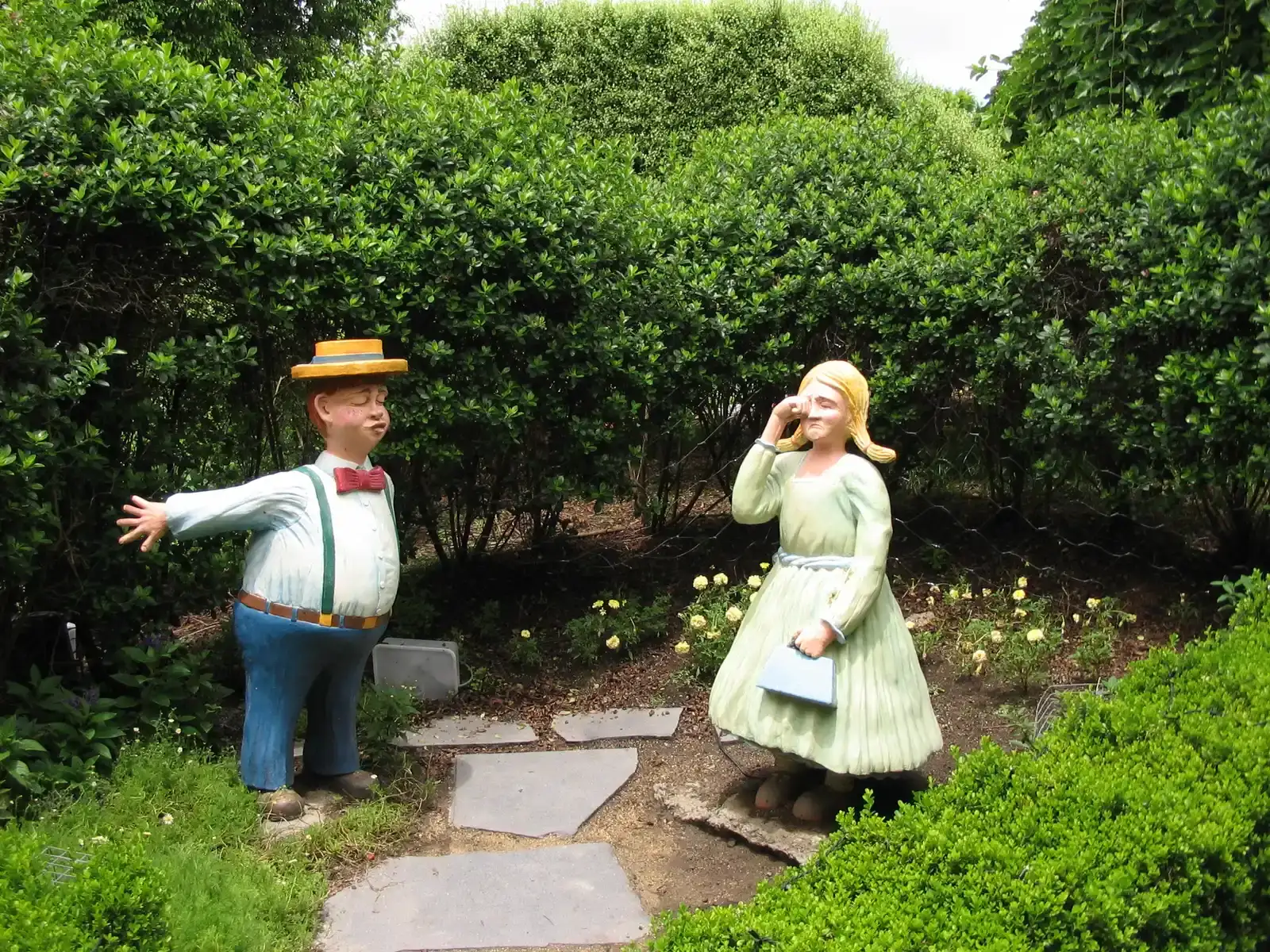
Most historians agree that the classic nursery rhyme “Georgie Porgie” is about Prince Regent George IV of Britain. Ridiculed for his hefty weight and 50-inch waist, he had a reputation for lusting after food and women, and reportedly left a string of illegitimate children behind. Hence the references to pudding, pie, and making the girls cry.
Some believe Georgie Porgy was actually George Villiers, the 1st Duke of Buckingham, who had a long and lucrative affair with James I, while also seducing many of the ladies of the court. After kissing them and making them cry, he ran to the king for protection and avoided the inevitable duels that would have followed. Meanwhile, James I continued to bestow court appointments upon him, increasing his power and influence, and even dissolved Parliament twice to keep them from impeaching Villiers.
9. Rock-a-Bye Baby
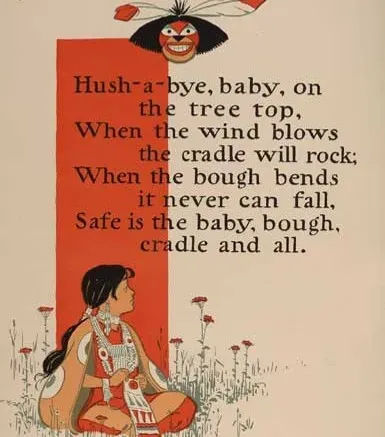
The lyrics of “Rock-a-Bye-Baby,” first written down in 1765, tell a tale of a baby in peril, cradled in a treetop that sways precariously in the wind. No one knows the true origin of this, however, it’s thought to symbolize the fragility of life, particularly that of an infant. One interpretation of this famous lullaby is that it is about the son of King James II of England and Mary of Modena. It is widely believed that the boy was not their son at all, but a child who was brought into the birthing room and passed off as their own in order to ensure a Roman Catholic heir to the throne.
Historians believe this nursery rhyme is about King James II of England, who had trouble producing an heir. Supposedly, to resist the “wind” blowing from Protestantism, the king smuggled another man’s child into the birthing chamber. This move ensured the throne could stay under Roman Catholic control. The image of a baby falling from a treetop takes on an entirely different gravity once you understand the political crisis it is thought to represent.
10. Goosey Goosey Gander
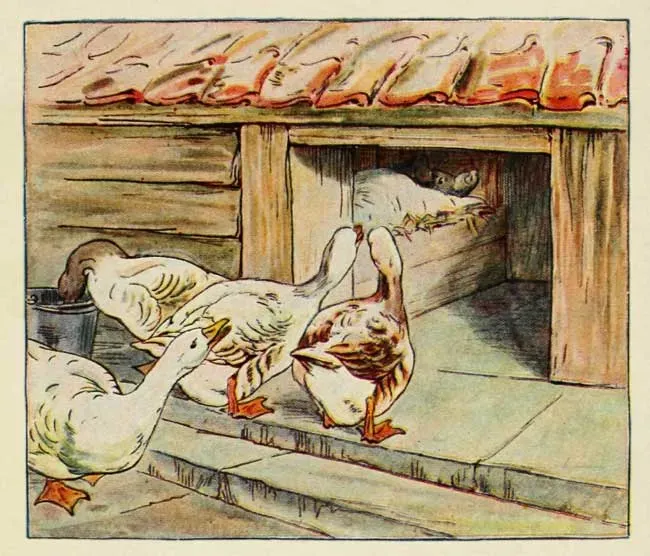
The origin of “Goosey, Goosey Gander” is surprisingly dark. The most common explanation links the rhyme to the English Civil War in the mid-17th century. During Oliver Cromwell’s rule, Catholicism was forbidden in England, and anyone caught practicing the faith risked imprisonment or execution. Cromwell’s soldiers were said to march in a rigid “goose-step,” echoed in the opening line.
The line “there I met an old man who wouldn’t say his prayers, so I took him by his left leg and threw him down the stairs” reflects a time when Catholicism was outlawed under Protestant rule and Catholic priests had to say their forbidden Latin prayers in secret. The old man refusing to say his prayers is likely a Catholic priest, refusing to recite Protestant prayers. Hiding priests in secret chambers was common, and the “lady’s chamber” might be a reference to one such hiding place.
11. Sing a Song of Sixpence

Sing a Song of Sixpence is a well-known English nursery rhyme, which dates back to at least the early 18th century. The rhyme’s origins are unclear, but it has been associated with historical events and figures in popular lore. One interpretation suggests a relationship to the dissolution of the monasteries under Henry VIII. In this case the blackbirds would be the monks or priests, usually dressed in black, who started to sing when the monasteries were opened and consumed as part of the property of the king.
Among the songs believed to reference the dissolution and destruction of the monasteries under Henry VIII are Goosey Goosey Gander, Little Jack Horner, and Little Boy Blue. The vivid final image, in which a blackbird swoops down and pecks off a maid’s nose, has no easy parallel in everyday life, which only adds weight to the theory that the rhyme was doing the work of political satire under the cover of nonsense verse.
12. Little Jack Horner
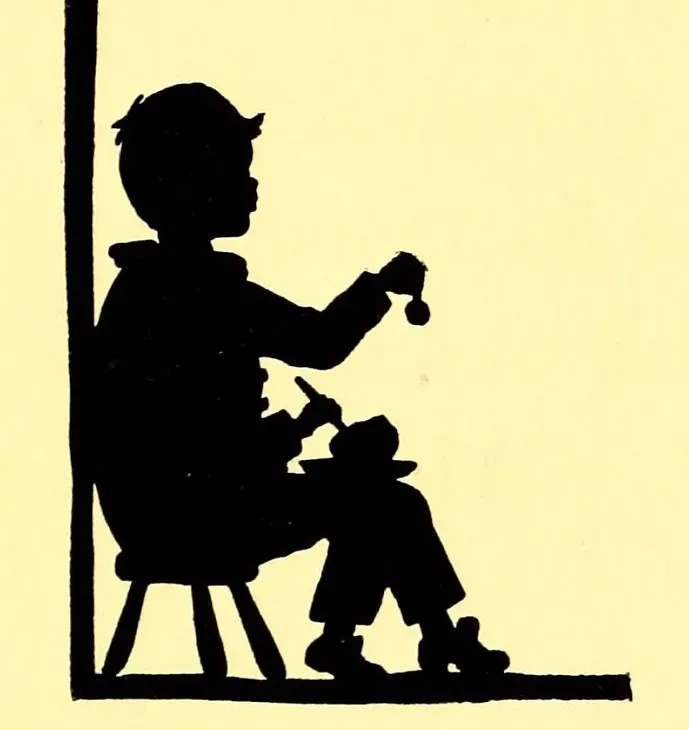
A man named Thomas Horner was steward to Richard Whiting, the last of the abbots at Glastonbury Abbey. When King Henry VIII was dissolving the monasteries, the abbot sent Horner to London with the gift of a Christmas pie, in which were concealed the title deeds to twelve manors, designed to appease Henry and allow Glastonbury to survive the purge. When Horner returned to Glastonbury, he is said to have opened the pie and pulled out the deeds to the Manor of Mells, keeping them for himself.
Between 1536 and 1541, Henry VIII seized Catholic properties across England, and the story goes that Whiting tried to bribe the King with estates and manors in an attempt to keep Glastonbury Abbey under his control. Chris Roberts, author of Heavy Words Lightly Thrown: The Reason Behind the Rhyme, suspects the rhyme is “the Catholic take” on Horner gaining from Henry VIII’s redistribution of land. The Horner family has always disputed this interpretation, and historians note the story remains unproven.
13. Old Mother Hubbard
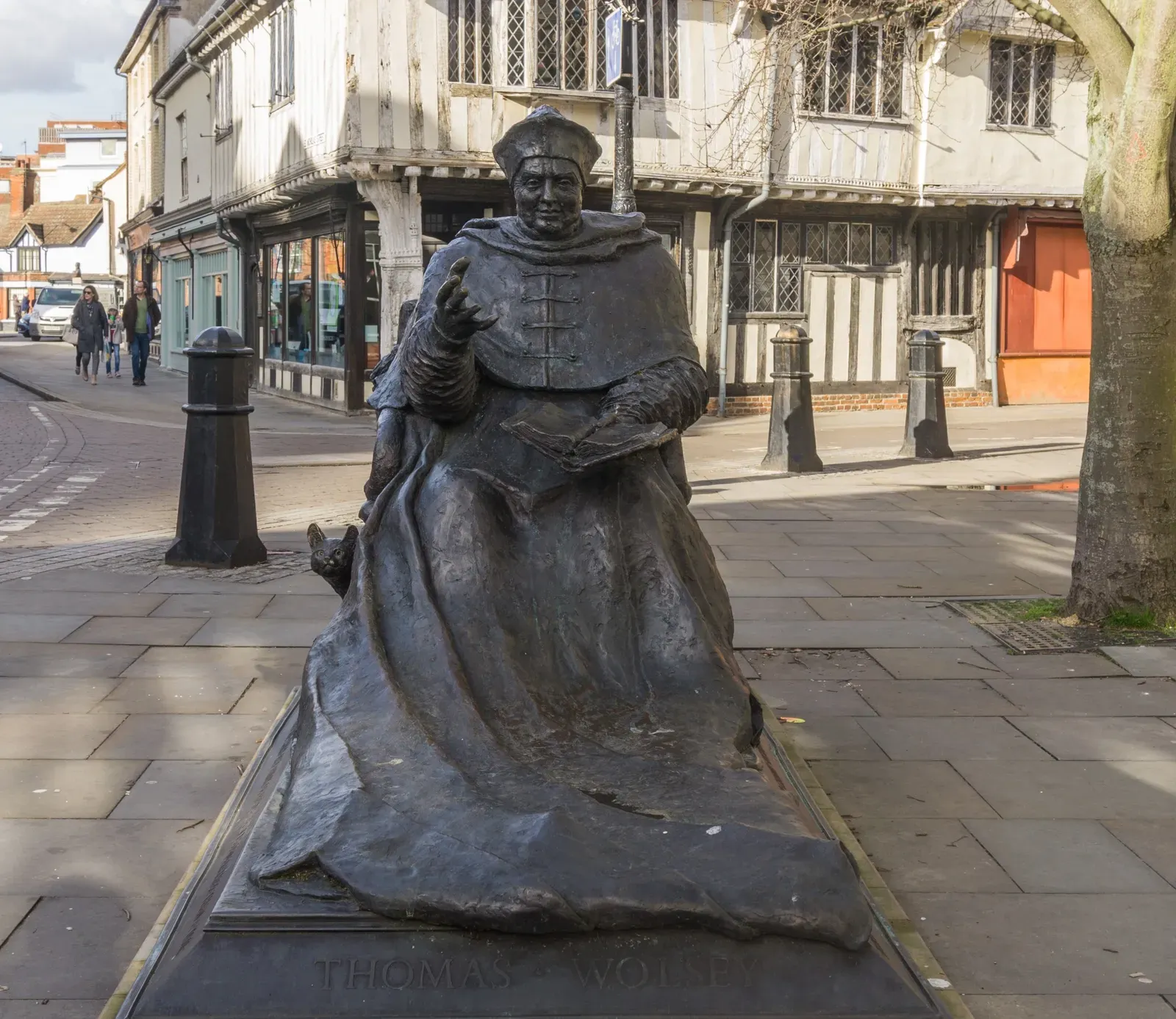
To many, “Old Mother Hubbard” is not a mother at all, nor even a woman. The poem is speculated to have been written as a mockery of Cardinal Thomas Wolsey, whose refusal to grant an annulment to King Henry VIII, so that he could marry Anne Boleyn, led to his political downfall.
On the surface, the rhyme involves Old Mother Hubbard being unable to feed her dog, finding it had perished, then discovering the pup was only playing a joke on her. Yet it’s theorized that Hubbard is meant to be Cardinal Thomas Wolsey, and the dog represents King Henry VIII as he tried to have his marriage to Catherine of Aragon annulled. The “bare cupboard” would then represent the Pope’s refusal to grant the annulment, leaving Henry with nothing, a metaphor for one of the most consequential political failures in English religious history.
14. Here We Go Round the Mulberry Bush
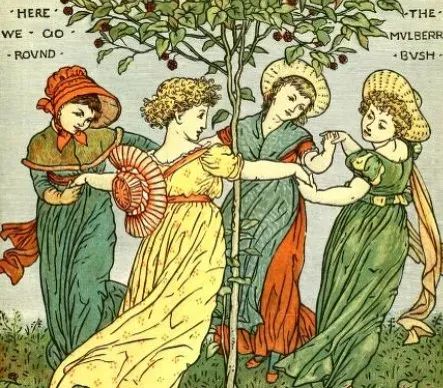
First published in 1840, “Here We Go Round the Mulberry Bush” also has a surprising origin story. According to historian R.S. Duncan, the inspiration for the mulberry bush dates back more than 400 years. It was a tree that female inmates at Wakefield Prison exercised around.
According to historian R. S. Duncan, a former governor of England’s Wakefield Prison, the song originated with that 420-year-old institution’s female prisoners, who were exercised around a mulberry tree. Yet other scholars argue the story refers to Great Britain’s attempt to launch a silk industry by cultivating domestic silkworms, which eat mulberries. While the endeavor failed, the nursery rhyme stuck. Two plausible dark origins, two very different kinds of misery hidden behind a cheerful morning routine.
15. Pop Goes the Weasel

One explanation links the lyrics to the East London colloquial dialect of the 1800s, known as Cockney Rhyming Slang. In this dialect “weasel” relates to “weasel and stoat,” meaning coat, and “pop” relates to the pawnbroker’s shop. The rhyme describes someone running short of money purchasing life’s essentials. This forces them to pawn their coat at the pawnbroker’s shop.
In reality, this song is about abject poverty using Cockney rhyming slang. “Pop goes the weasel” is a person pawning their coat to buy themselves food and drink, while the monkey in some versions represents looming debts and the demand for repayment. It is also possible that the “eagle” mentioned in the song’s third verse refers to The Eagle freehold pub along Shepherdess Walk in London, established as a music hall in 1825. This public house even bears a plaque with this interpretation of the nursery rhyme and the pub’s history.
16. Ladybird, Ladybird, Fly Away Home
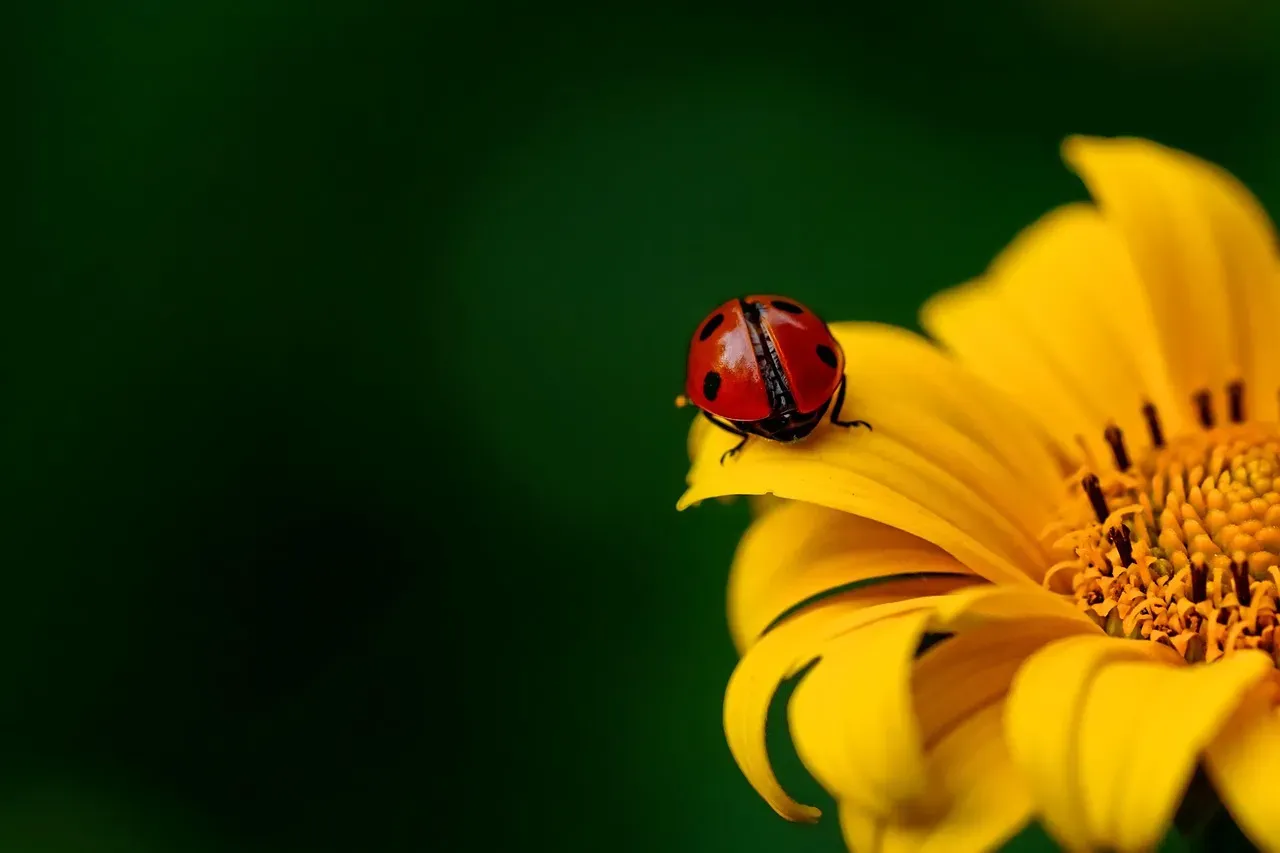
For a song about a ladybird, it’s pretty morbid on the surface. The most popular version of the lyrics is a warning to the insect to return home because it’s aflame and its kids have vanished, except Ann, who hid in a pan. Apparently, old-timey farmers would sing it before burning their harvest each season, as they respected the creatures.
One darker theory speculates that the Ladybirds were a stand-in for pagans when Christianity became mainstream. Telling the insect to fly home is meant to warn pagans to hide. Their fiery home represents the temples being destroyed, and the children vanishing are the worshippers who were taken out, while Ann survived because she went underground. Another theory believes the song might be about Catholics from the 1600s, who were burned at the stake if they were found saying Mass in Protestant England.
17. Georgie Porgie and the Duke of Buckingham
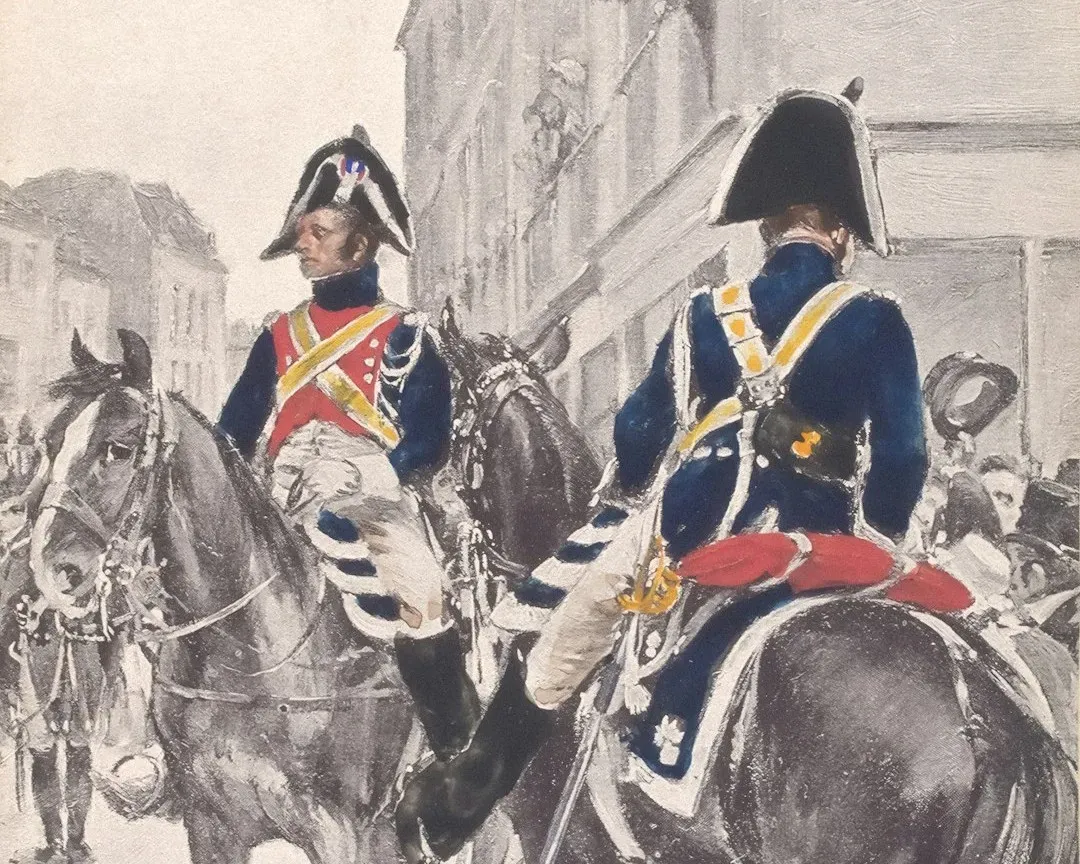
While the Prince Regent George IV version of the Georgie Porgie story is the most widely cited, historians have raised an alternative that is arguably even darker. Some believe Georgie Porgy was actually George Villiers, the 1st Duke of Buckingham. The duke had a long and lucrative affair with James I, while also seducing many of the ladies of the court. After kissing them and making them cry, he ran to the king for protection and avoided the inevitable duels that would have followed.
Meanwhile, James I continued to bestow court appointments upon Villiers, increasing his power and influence. The king even dissolved Parliament twice to keep them from impeaching him. Eventually, Villiers was assassinated by political rivals. The rhyme thus becomes a snapshot of one of the most scandal-ridden relationships in early English royal history, condensed into a few innocent-sounding lines about a boy who kisses girls and runs away.
18. Jack and the Crown: A Closer Look at Jack’s Many Meanings
One popular theory suggests that “Jack and Jill” may have roots in historical events, specifically the beheading of King Louis XVI and Queen Marie Antoinette during the French Revolution. Another theory suggests political roots, proposing that the rhyme may refer to King Charles I’s attempt to reform taxes in the 17th century. The “crown” Jack broke might symbolize the king’s power, and “Jill came tumbling after” could represent Parliament’s fall from grace.
The Jack and Jill rhyme could also be an allusion to the myth of Icarus, an allegory about death, or a nod to a 13th-century Norse story about two siblings, Hjuki and Bil, who were abducted by the moon while fetching water from a well. As with many of the other nursery rhymes, the true meaning of “Jack and Jill” can be difficult to determine. The sheer volume of competing theories suggests that this short rhyme has resonated differently across cultures and centuries, absorbing whatever fears or grievances happened to be relevant at the time.
19. Sing a Song of Sixpence and the Pirate Connection

Beyond the dissolution-of-the-monasteries theory, there is another interpretation of “Sing a Song of Sixpence” that places it in an entirely different world. Some have proposed that the rhyme was used as a coded recruitment message for pirates operating during the golden age of piracy, with “four and twenty blackbirds baked in a pie” representing sailors hidden in the hold of a ship. Sing a Song of Sixpence dates back to at least the early 18th century, and its origins are unclear, but it has been associated with historical events and figures in popular lore. The song is known for its vivid and somewhat surreal imagery.
Many nursery rhymes have political or social commentary embedded within them and were often created as a form of satire or criticism of those in power, used as a way to express dissatisfaction with the government or society in a subtle and often cryptic manner. The pirate theory remains unverified by historians, but it speaks to the broader reality that these rhymes operated as a kind of coded public discourse in times when direct criticism of authority was genuinely dangerous.
20. The Oral Tradition: Why Dark Rhymes Survived
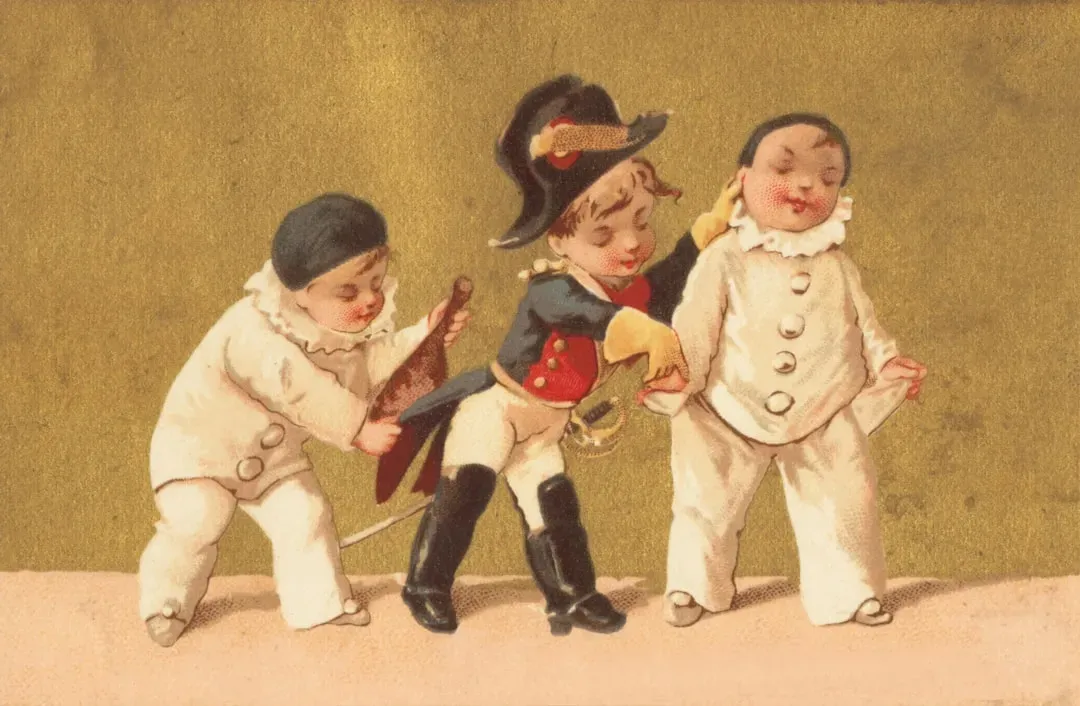
The most effective means of transferring and retaining information across generations used to be storytelling and music, with nursery rhymes standing as the poster child for this practice. In an era predating written records as we know them, knowledge was relayed through oral tradition, and nursery rhymes served as a simple and effective medium. Furthermore, nursery rhymes incorporate elements of folklore, historical events, or traditional customs, conveying cultural lessons and values prevalent during their origins.
While tracing the true origins of oral history is virtually impossible, many modern nursery rhymes have apparent ties to often grim or controversial moments in history, even if those ties are sometimes disputed by historians. As Robert Darnton, University Librarian at Harvard University, has noted, “nursery rhymes are part of oral traditions that are always in movement,” making it nearly impossible to pinpoint the specific origins of a given rhyme. Many nursery rhymes preserve darker images of violence, death, and politics because oral culture used memorable shock, satire, or moral lesson to teach and entertain. Bold historical claims should be treated with caution, as plausible allegory exists for several rhymes, but definitive proof is often absent.