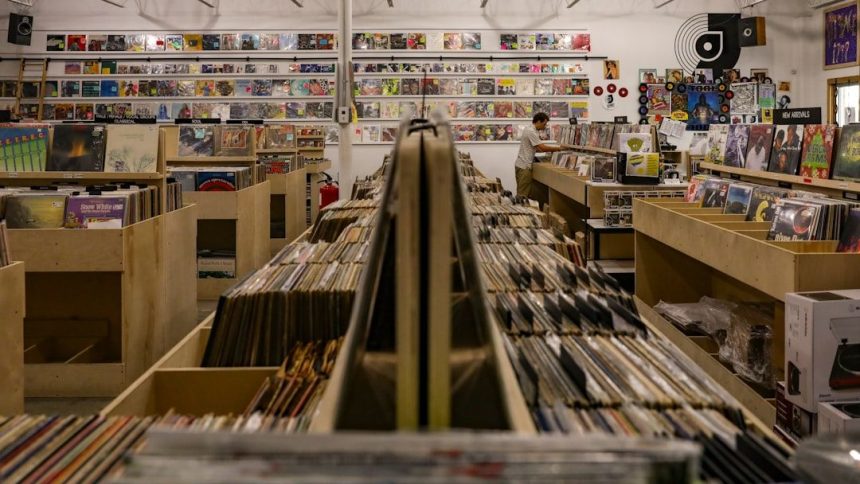
There is something almost supernatural about pulling a 1960s pressing off a shelf, dropping a needle into those well-worn grooves, and feeling your whole chest fill up with a sound that no streaming service has ever quite matched. It is rich, warm, dimensional. Breathing. People often chalk it up to nostalgia, but that explanation is too lazy. Too convenient.
The truth runs much deeper, down into the physics of lacquer, the chemistry of polyvinyl chloride, the behaviour of magnetic particles on tape, and the deliberate craft of engineers who spent lifetimes listening. The global vinyl record market reached nearly two billion dollars in 2024 and is projected to hit three and a half billion by 2033, growing at roughly seven percent annually. That is not nostalgia driving those numbers. That is people recognising something real. Let’s dive in.
1. The Analog Waveform Is Never Interrupted

Vinyl fans have long argued that because vinyl is an end-to-end analog format, from the recording and pressing through to playback, it more closely reproduces what the artist originally played in the studio. This is not a romantic idea. It is a measurable, physical fact.
Digital systems cannot read analog soundwaves without translating them into a digital signal and back again, meaning some information is lost or approximated in the process. With vinyl, every single part of the analog wave is captured in those grooves, making it the only true lossless format.
Think of it like the difference between a photograph of a painting and the painting itself. No matter how high the resolution, something is always lost in the copy. Analog vinyl is the painting.
2. The Continuous Nature of Analog Sound Reproduction

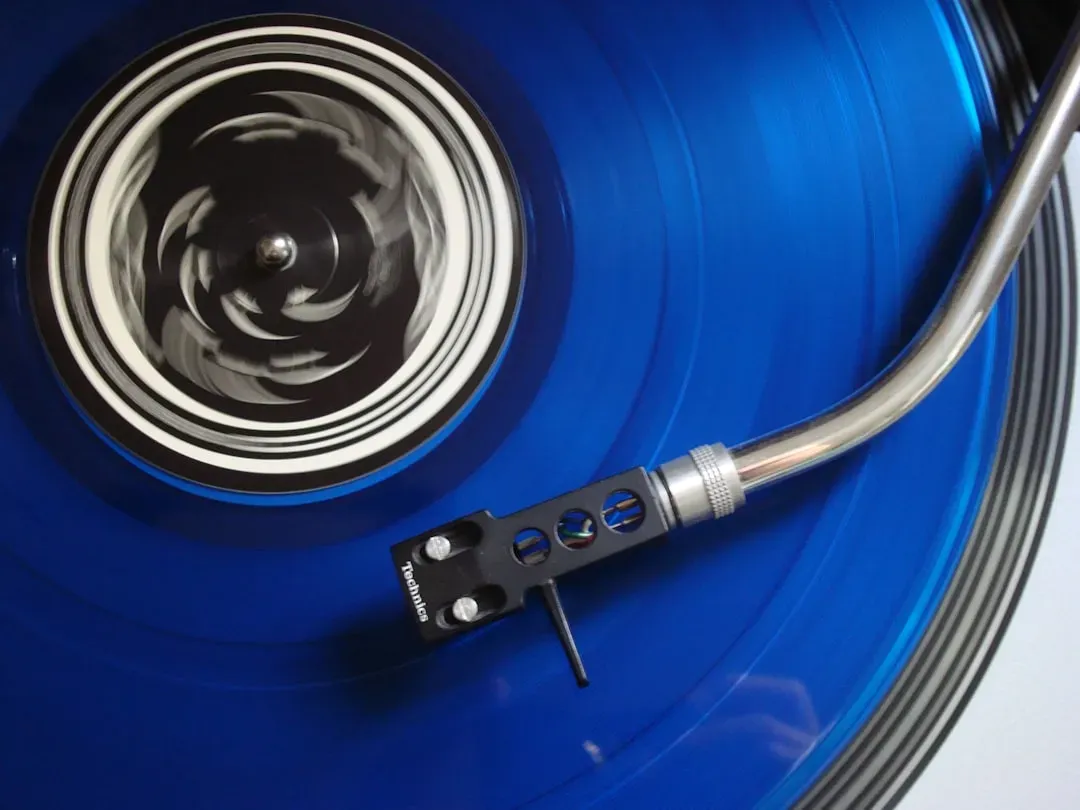
Analog sound is characterised by its continuous waveform, capturing the full spectrum of sound without the need for sampling or discretization. This continuous nature allows analog recordings to reproduce the complete range of frequencies, from the deepest bass to the highest highs, with a fidelity that many listeners find more natural and authentic.
The nuances and subtleties of the original performance are preserved in a way that some argue digital recordings, particularly those using lossy compression formats, cannot fully replicate.
Honestly, when you listen to a well-preserved pressing of a Miles Davis record from the late 1950s, you can hear the breath before the note. That is not nostalgia. That is information intact.
3. Wide Dynamic Range That Was Never Crushed

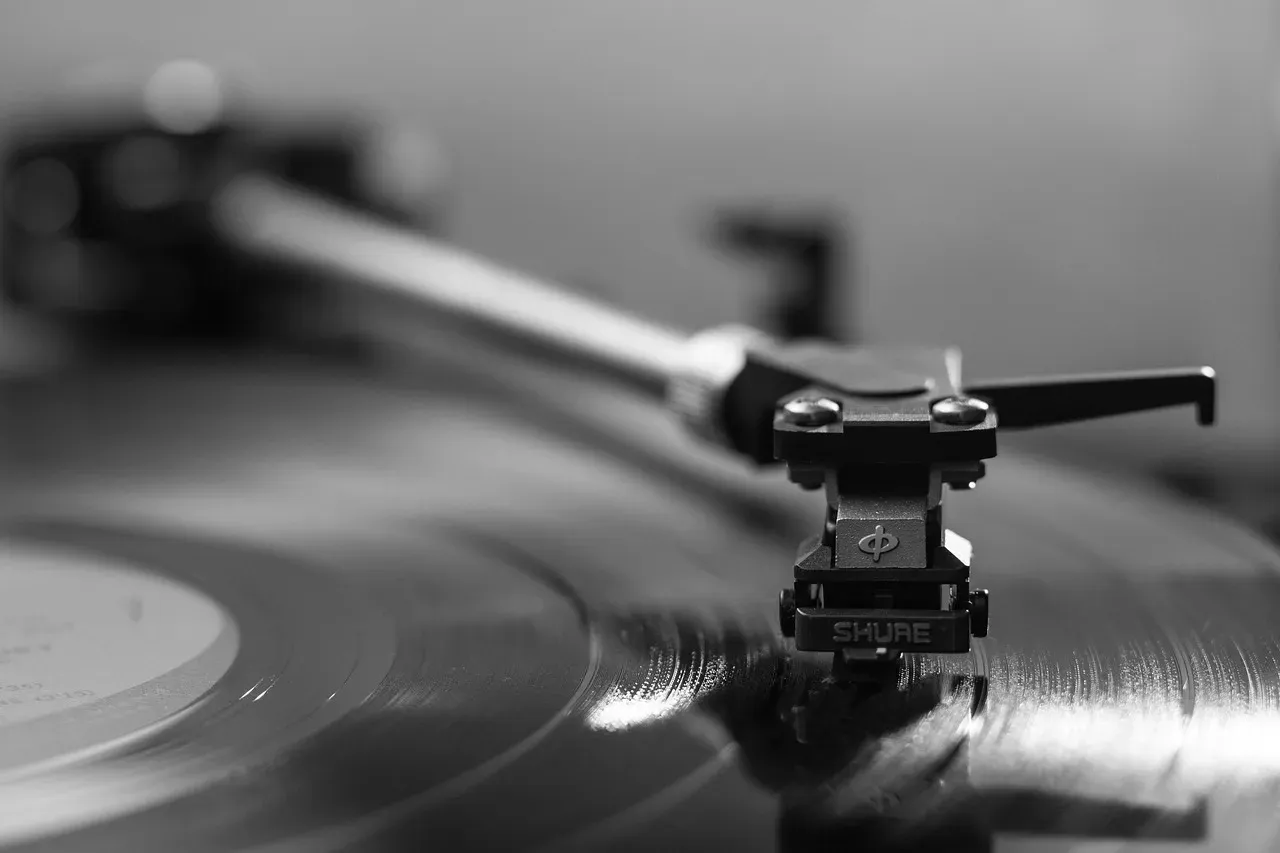
Older records typically had a wider dynamic range, meaning they could capture and reproduce a greater range of sound, from the softest whispers to the loudest crescendos. This was partly a product of the analog era’s own constraints. Engineers had to be precise and restrained. There was no digital brickwall limiter to lean on.
This dynamic range was partly due to the mastering techniques employed and the limitations of analog equipment. In contrast, some argue that modern mastering practices, driven by the loudness war and the desire to maximize volume, have led to increased compression, resulting in a loss of dynamic integrity.
Vinyl maintains the natural dynamics of a recording, with quiet passages staying quiet and loud sections hitting harder, while the analog process preserves overtones and harmonics that give music its warmth. That push and pull between loud and soft is what makes music feel alive.
4. Vintage Mastering Engineers Understood Vinyl’s Physical Soul
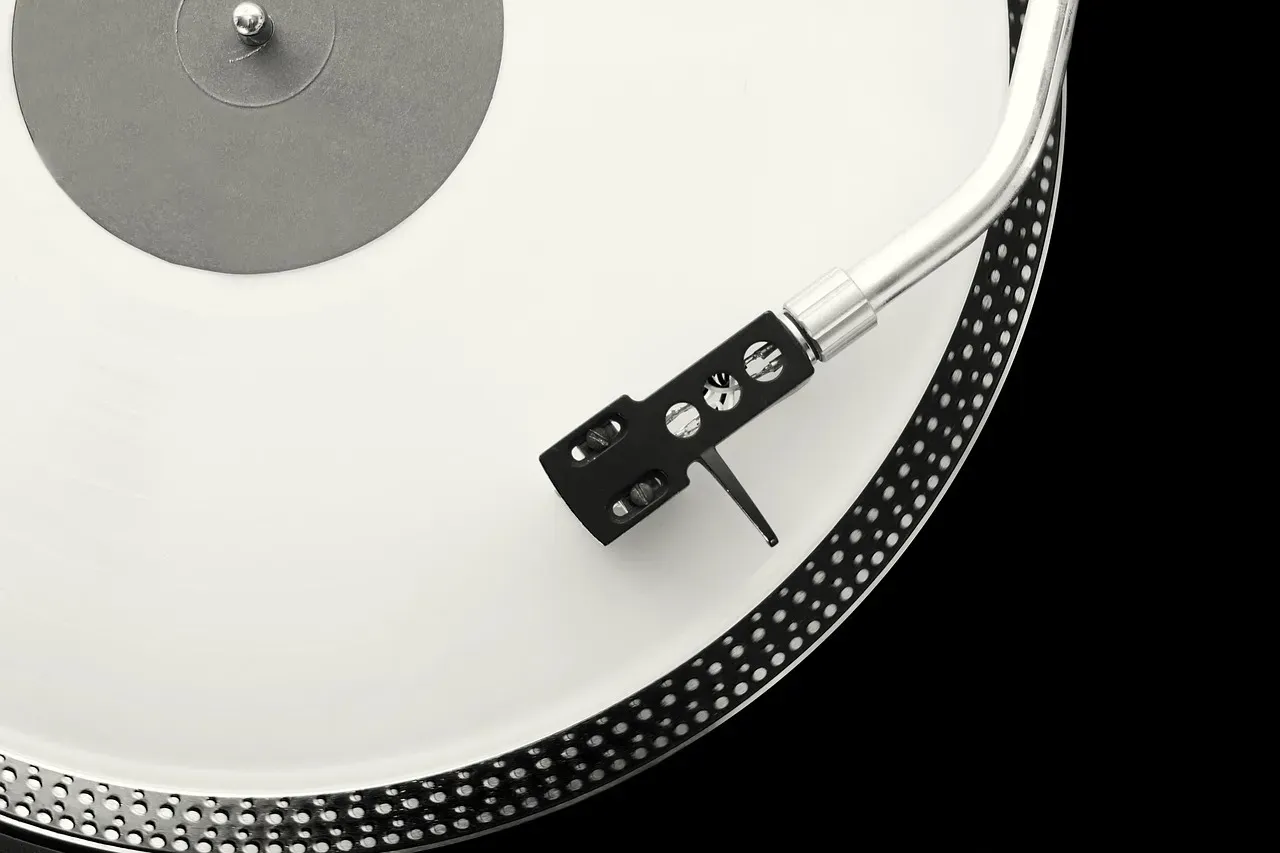
Mastering plays the final role in shaping a vinyl record’s sound. Older records often benefited from mastering techniques specifically tailored to vinyl playback. Mastering engineers of the past had extensive experience and understanding of vinyl’s unique characteristics, allowing them to optimise the audio specifically for the medium. This expertise contributed to the exceptional sound quality found in many vintage records.
Vinyl mastering is the final step in audio post-production before a record is physically pressed. Unlike mastering for digital formats, vinyl mastering requires specialised techniques and considerations due to the format’s physical limitations and unique sound properties. In other words, what works for CDs or streaming simply won’t work for vinyl records.
These engineers were artisans, not technicians. They listened with their whole body, not just their ears.
5. Even-Order Harmonic Distortion From Tube Electronics

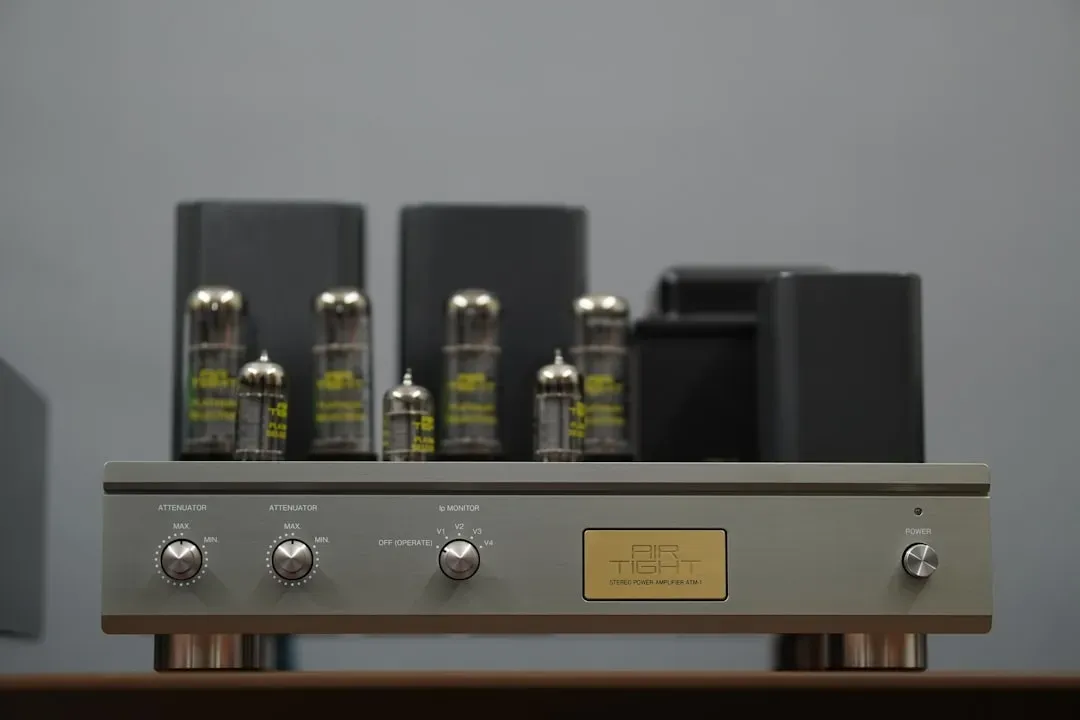
Even-order harmonic distortion tends to sound musically sympathetic, smooth, and bright in a constructive way. Many simple valve-based circuits, including most using triodes, tend to generate mostly even-order harmonic distortion. This is a key reason why so many vintage recordings glow with a warmth that modern digital files seem to struggle to replicate.
Analog warmth is measurable, not mythical. Classic systems typically exhibit around half to two percent total harmonic distortion, dominated by even-order harmonics that sound musically pleasing. What feels like magic in your speakers is actually measurable physics.
Since the late 1940s, tubes and analog tape have been a vital part of almost every recording through the 1980s. While digital recording largely replaced analog tape over the ensuing decades, their sound is still sought after in the form of captured and recreated emulations.
6. Tape Saturation and Its Beautiful Side Effects

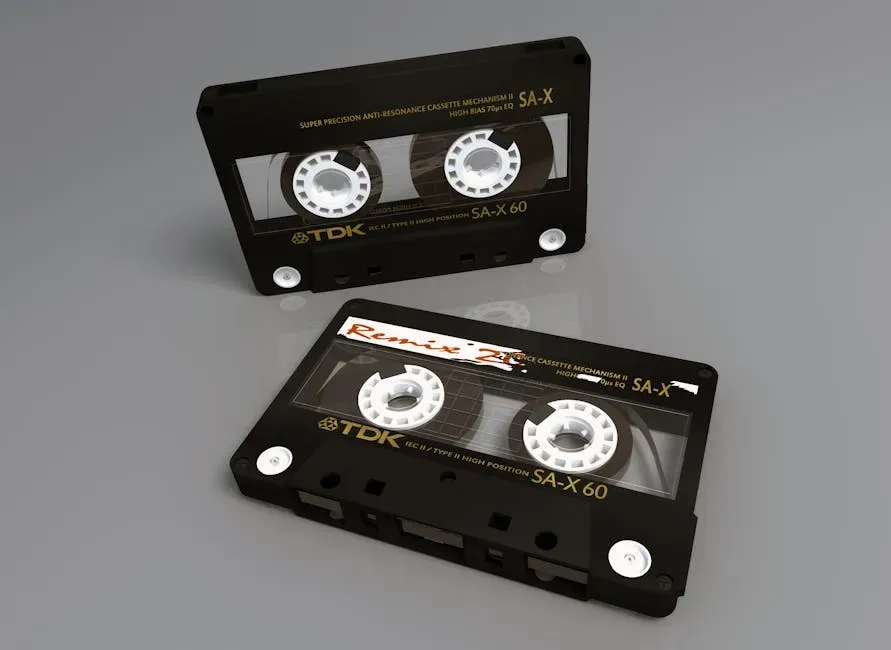
When the incoming audio signal exceeds the point where the tape’s magnetic particles can accurately track the converted voltage swings, this results in gradual clipping of the peaks of the wave imprinted on the tape. This is tape saturation. The audio is subject to very slight compression and subtle harmonic distortion. The saturation happens very gradually, for a unique warmth and edge, and recording engineers learned to take advantage of it for a full, rich recorded sound right off the bat.
Tape introduces gentle compression, often around one to three decibels, while rolling off frequencies naturally around 18kHz, aligning closely with human hearing. That high-frequency rolloff is not a flaw. It is what makes brass instruments glow instead of shriek.
Recording to tape gives music a certain character. It rolls off the high-end and adds a small bump in the lows, similar to an equaliser. It rounds off transient peaks, creating a subtle form of compression. Perhaps most importantly, it adds a unique form of saturation, primarily boosting what are known as third order harmonics.
7. The RIAA Equalisation Curve and Its Hidden Genius


A grasp of the RIAA equalisation process is essential when mastering for vinyl. In the cutting stage, high frequencies are enhanced while low frequencies are reduced to minimise surface noise and enhance playback quality. On playback, a reverse equalisation is applied to bring the sound back into balance. This equalisation curve is crucial for ensuring vinyl records sound as intended and faithfully capture the artist’s vision during playback.
Think of it like a code that is encrypted going in and decrypted coming out. When vintage engineers aligned this curve precisely, and they did so by ear and experience, the result was an extraordinarily balanced sound that modern pressings sometimes fail to fully achieve.
Equalizers are crucial in vinyl mastering to ensure a well-balanced frequency response. Vinyl is sensitive to low and high frequencies, and proper EQ adjustments help manage bass content to avoid groove issues and control high frequencies to minimise distortion.
8. Virgin Vinyl and the Purity of the Material

The composition of vinyl used to press records, a blend of polyvinyl chloride and polyvinyl acetate, has varied considerably over the years. Virgin vinyl is preferred, but during the 1970s energy crisis, as a cost-cutting move, much of the industry began reducing the thickness and quality of vinyl used in mass-market manufacturing. Sound quality suffered, with increased ticks, pops, and other surface noises.
Audiophile pressings may use virgin vinyl, free of recycled materials, for fewer impurities and a lower noise floor. The cleanest early pressings, particularly first pressings from the late 1950s through the mid-1960s, were made from exceptionally pure formulations.
Virgin vinyl reduces impurities, ensuring cleaner grooves and less surface noise. Additives like plasticizers, heat stabilizers, and anti-static conditioners are blended in to enhance the flexibility, durability, and playability of the record. The chemistry of the material is inseparable from the sound it produces.
9. The Lacquer Cutting Lathe and the Art of the Groove
To create a vinyl record, the finished recording is sent electronically to a lathe that cuts into a piece of lacquer. The music’s waveform dictates the shape of the grooves the lathe carves. This lacquer disc is then coated with metal to create the metal master, which is used to create the stamper. The stamper is loaded into a hydraulic press and pressed into vinyl stock, which creates the actual vinyl records.
The cutting head vibrates at precisely the correct frequency and intensity to etch the song’s waveform into the record’s continuous spiral groove. Adjustments in these vibrations create the variations in the width and depth of the final grooves. During the cutting process, lower frequencies cause wider side-to-side motion of the cutting stylus and higher frequencies make the cutter move more rapidly in a narrower space.
The precision of this process is staggering. We are talking about microscopic physical geometry that translates directly into what you hear. Vintage cutting engineers spent decades perfecting this craft.
10. Groove Geometry and How Spacing Shapes the Sound

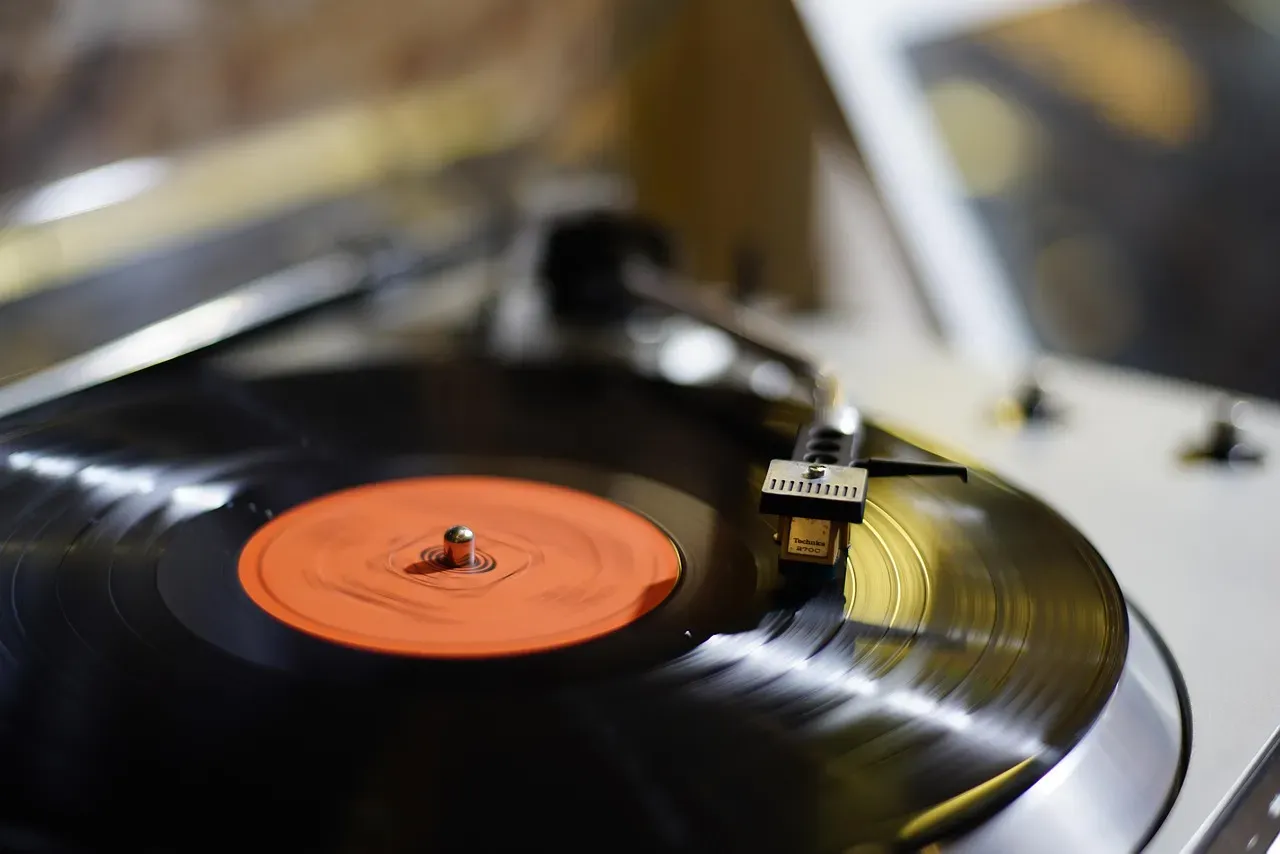
Vinyl mastering engineers optimise the groove shape for the best sound quality. Wider grooves that are not too close together generally yield better bass response and volume. Narrower grooves tend to capture more top-end but can distort more easily, so it is important to get the right balance when preparing tracks. When mastering for vinyl, the more bass you have, the further apart the grooves have to be spaced.
On vinyl, the groove spacing and track sequence can affect the sound quality. Louder tracks or tracks with more low-end content require wider grooves, while quieter tracks need narrower ones. Vinyl mastering engineers ensure proper spacing and sequencing to maximise sound quality without wasting space.
I think this is one of the most underappreciated factors. A vintage engineer who truly understood groove geometry could pack extraordinary sonic information into a single side of lacquer. It was a genuine artform.
11. Avoiding Brick-Wall Limiting Preserved Natural Dynamics
Vinyl records are often described as sounding more dynamic. This is due in part to the lack of brick-wall limiting used during a vinyl mastering session, and the somewhat quieter overall levels established during the mastering process.
By avoiding excessive limiting while mastering for vinyl, mastering engineers reduce distortion, increase the dynamic range, and benefit the sound quality of both the master and the vinyl record onto which it has been cut. Vintage engineers were forced into this restraint by the medium itself, and the results were spectacular.
A transparent limiter helps achieve a competitive level without causing distortion or groove issues. Since vinyl cannot handle brick-wall limiting like digital formats, engineers aim for a compromise between loudness and clarity. Modern engineers who understand this produce far superior pressings than those who simply repurpose a digital master.
12. Inner Groove Distortion Management Was a Skilled Discipline
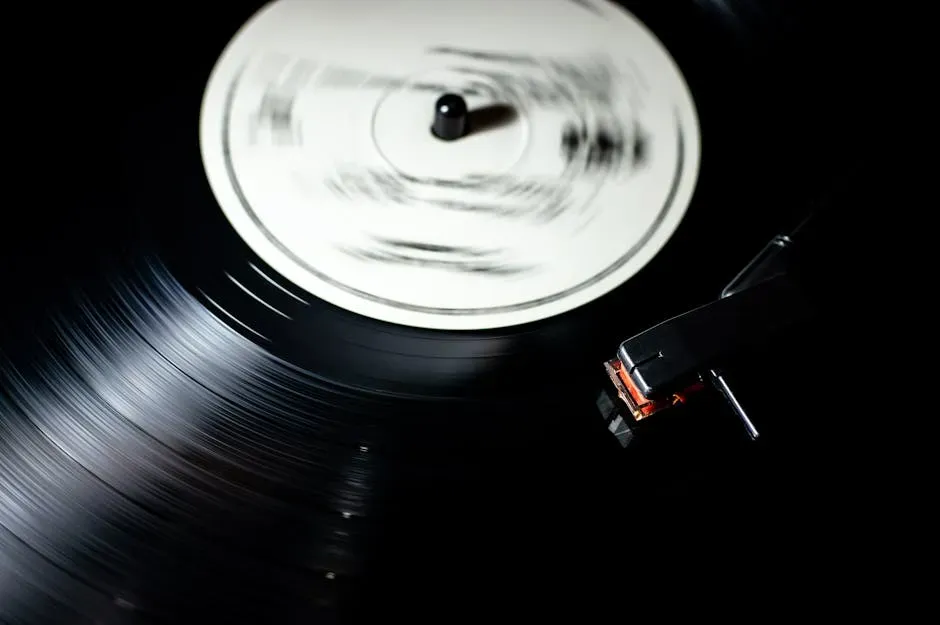
As the stylus moves toward the center of a vinyl record, the playback quality can deteriorate due to inner groove distortion. To mitigate this issue, vinyl mastering engineers often place quieter or less complex tracks toward the end of each side. Vintage engineers knew this instinctively and sequenced albums accordingly.
The order of songs can greatly influence a record’s sound quality. Both of these factors come into play in the inner diameter of the record, where sound quality starts to deteriorate. The farther in you are, the more brittle the highs sound. The overall sound becomes less pronounced at the top end compared to other parts of the disc.
This is why some classic album sides end with the most emotionally gentle tracks. It was not just an artistic decision. It was engineering speaking through art.
13. The Role of Analog Tape Machines in the Recording Chain
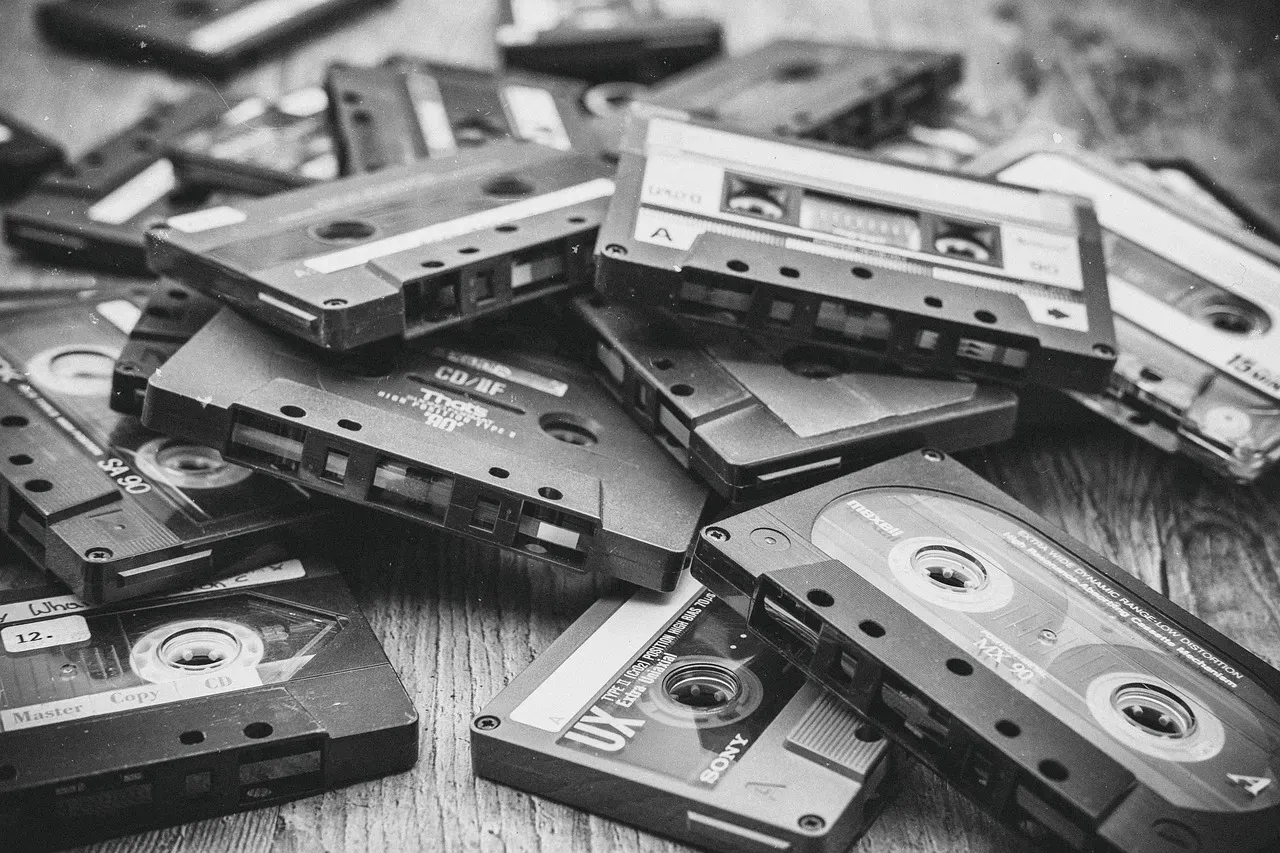
The truth is that virtually every recording you love was coloured heavily by the equipment used to capture and mix it. Classic records from the 1960s and 1970s are defined by tape saturation, transformer distortion, tube harmonics, and preamps being driven into musically pleasing overdrive.
This is how analog studios operated. Every signal passed through console preamps, summing amplifiers, and outboard gear before hitting tape. Each stage contributed a small amount of harmonic distortion and tonal coloration. Individually, these contributions were subtle. Combined across an entire session, they produced the thick, dimensional sound that defines classic records.
Here is the thing. Nobody planned for those records to sound that way specifically. The warmth emerged from constraints. From the physics of each component in the chain. That is remarkable.
14. The Weight and Formulation of Early Premium Pressings

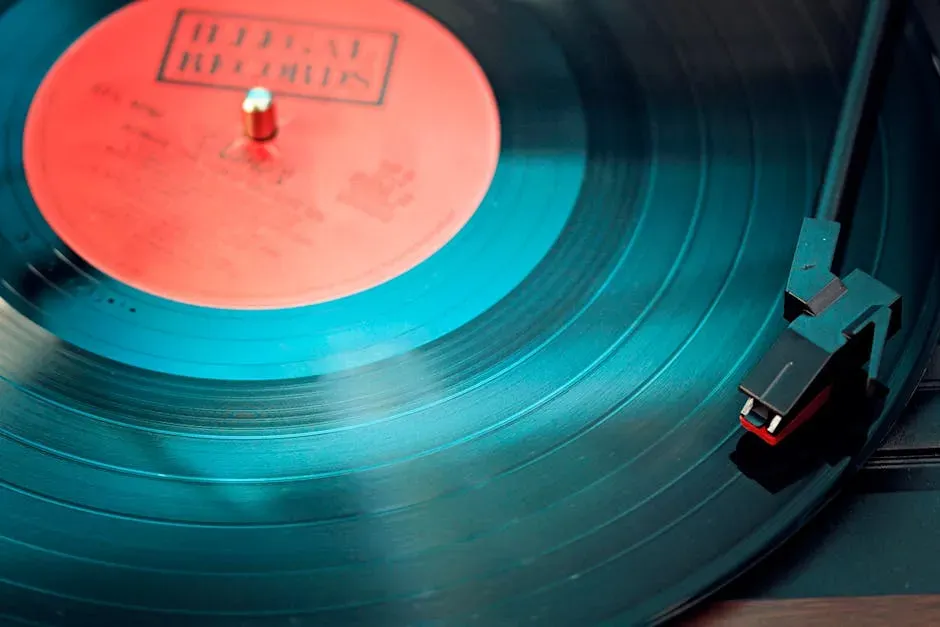
New or heavyweight vinyl, typically in the 180 to 220 gram range, is commonly used for modern audiophile vinyl releases in all genres. Many collectors prefer heavyweight vinyl albums, which have been reported to have better sound than normal vinyl because of their higher tolerance against deformation caused by normal play.
Standard records are typically pressed on 120 to 140 gram vinyl, while 180 gram records are considered audiophile quality. However, although heavier vinyl is more resistant to warping and may improve tracking stability, it does not necessarily inherently offer better sound. The sonic benefit depends more on the mastering and pressing quality than on weight alone.
Recycled vinyl can be the worst offender as any contaminants it contains cannot be removed when the album is cleaned, being embedded in the vinyl’s matrix. Buying one hundred percent virgin vinyl albums is obviously the superior choice.
15. The Analog Signal Chain Created Cumulative Character

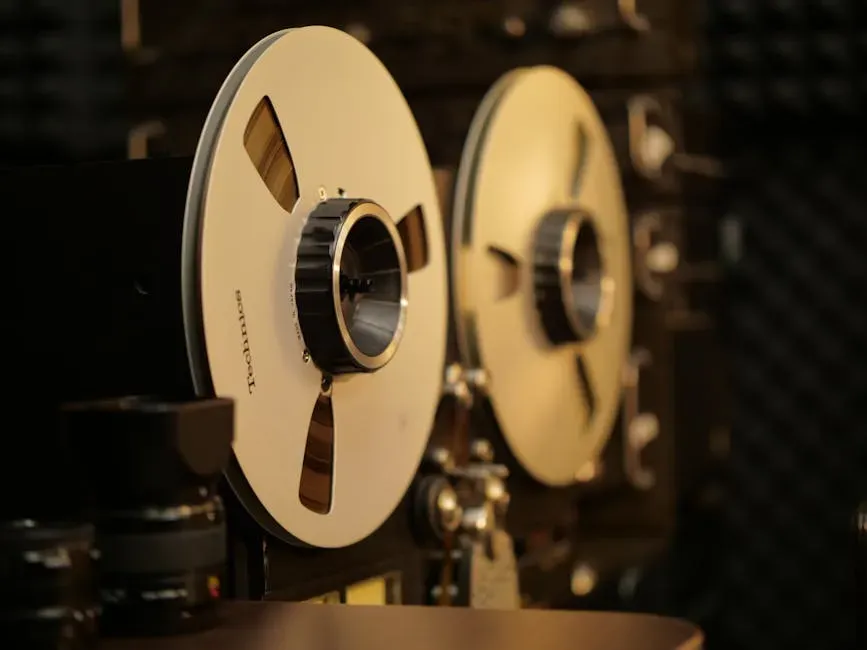
Until now, analog equipment has encompassed a whole world of microphones, tape, valves, transformers and other electronics. A reasonably simple analog recording and mixing chain presents multiple opportunities to add colour and character to a signal before the master recording is created. There are clearly several factors that make up analogue warmth, and our ears almost certainly require a combination of all of them.
Long before pristine waveforms and infinite undo buttons, sound was shaped by physical limitations, and that constraint became its magic. From the 1950s through the late 1980s, analog audio defined how music was captured, mixed, and emotionally experienced. This era produced recordings that still feel alive today, not because they were perfect, but because they weren’t.
It sounds contradictory. Imperfection as a quality standard. Yet every musician understands it. A slightly bent note is more emotionally true than a perfectly pitch-corrected one.
16. 45 RPM Speed and Higher Fidelity for Singles
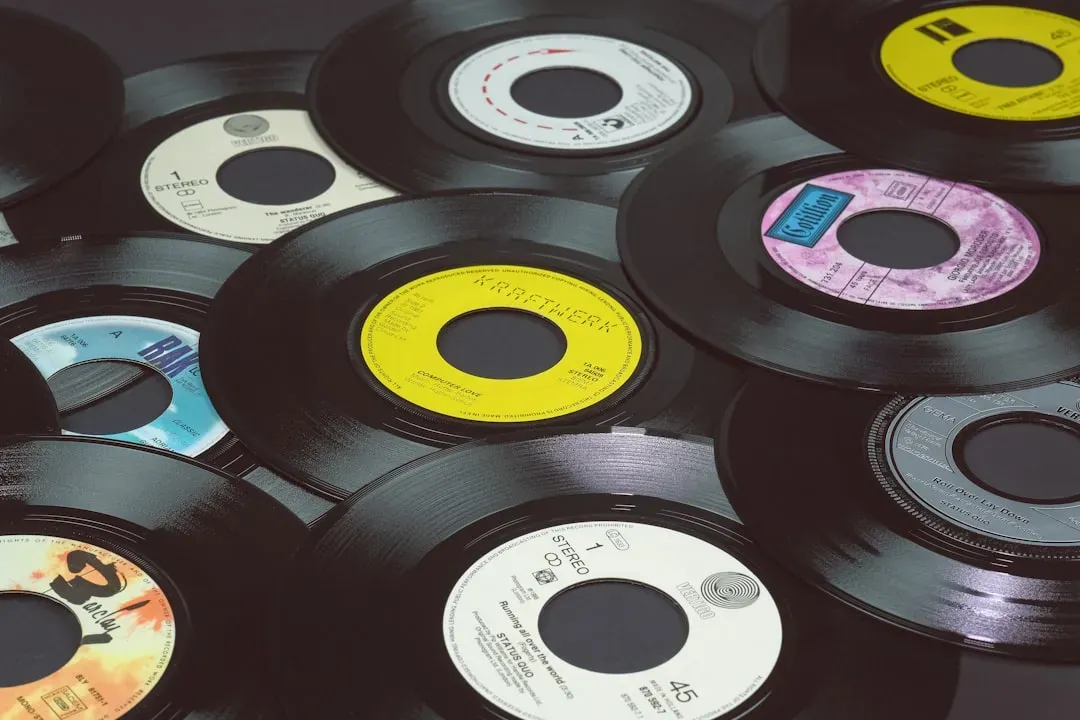
Twelve-inch LPs usually spin at 33 and one-third RPM, allowing up to 22 minutes of audio per side. 45 RPM records, typically used for seven-inch singles but also applicable to twelve-inch records, offer higher fidelity because the format allows for wider grooves and more accurate high-frequency reproduction. For those wanting a truly audiophile release, 45 RPM is the superior choice for this reason.
Many audiophiles who dig deep into vintage collections specifically seek out 45 RPM pressings of their favourite albums for precisely this reason. The wider grooves carry more sonic detail per inch of travel. The stylus has more information to read, and the result is a vividness that standard LP speed rarely matches.
Honestly, if you have never heard a great jazz or classical recording on an original 45 RPM pressing through a good cartridge, you have not heard what that music really sounds like.
17. Vinyl Sales Data Proves This Is Not Just Sentiment
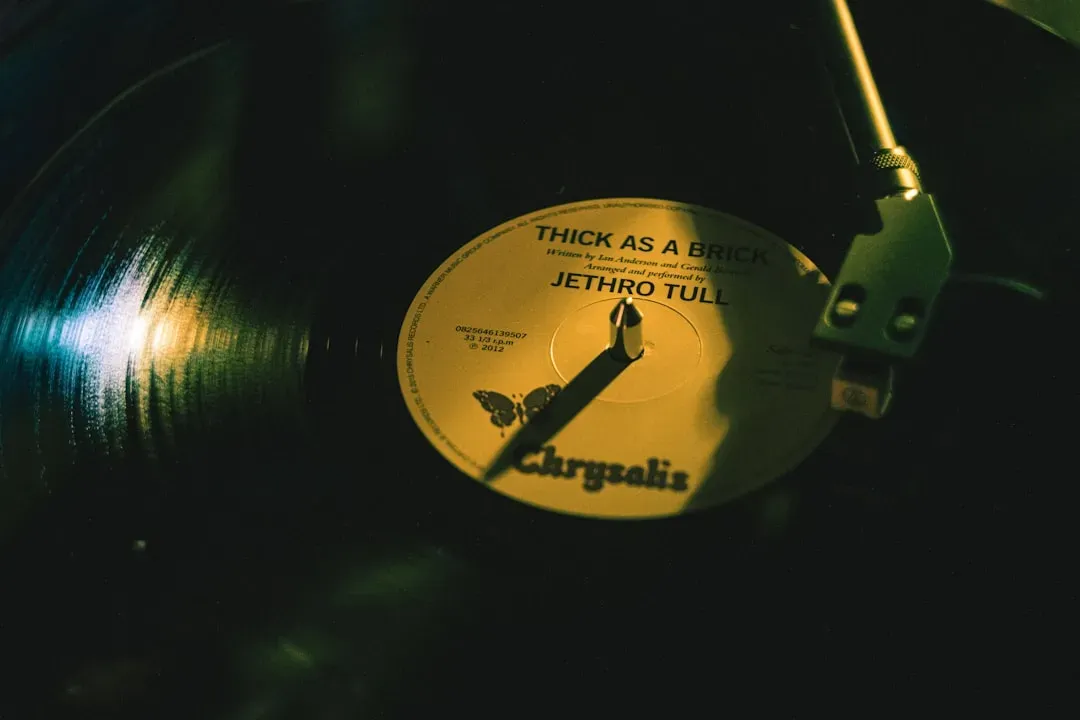
In 2024, vinyl outsold CDs for the first time since 1987. This is not a temporary spike but a sustained renaissance driven by genuine appreciation for the format. Millions of people are choosing a format that requires more effort, costs more money, and demands better equipment. They are doing so because it sounds better to their ears.
In 2024, over 46 million vinyl records were sold in the United States alone. That figure speaks for itself. Vinyl album sales in the United States have grown for the seventeenth consecutive year in 2023, with over 43 million EPs and LPs sold in the US that year, up from less than a million in 2006 when the vinyl comeback began.
Demographic data shows that the vintage audio audience is predominantly male and primarily in the 25 to 34 age range, suggesting that millennials are leading the charge in reviving analog sound culture. This is not older generations clinging to the past. It is younger listeners discovering something genuinely superior.
18. First Pressings Came Closest to the Original Master

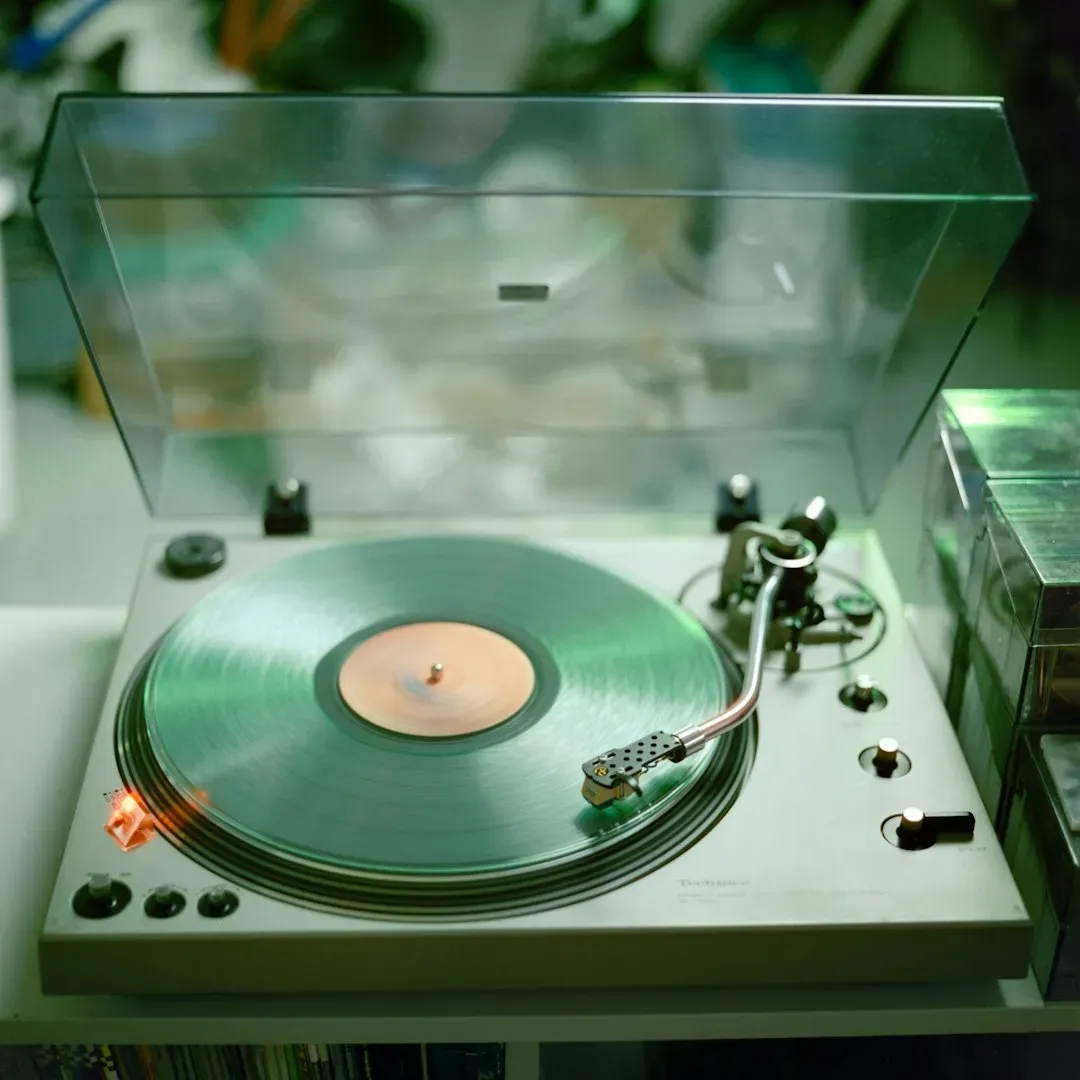
Here is something most casual collectors do not fully appreciate. When a record is first pressed from a brand new lacquer, the metal stamper is at its freshest and most precise. Each subsequent pressing degrades that precision, sometimes fractionally, sometimes dramatically. The very first copies off that press are the closest the medium ever gets to the original recorded signal.
With a great sounding master at hand, the actual quality of the record depends on the experience and ability of the cutter, the transparency and settings of the signal-path and cutting-lathe, the quality of the master-discs used and the pressing itself, rather than whether the source is all-analogue or partly digital.
With proper storage and care, vinyl records can last over a hundred years. Storing them vertically in climate-controlled spaces, using quality inner sleeves, cleaning them regularly, and handling them carefully extends their life greatly. Many vintage records from the 1950s through the 1970s still play perfectly today, proof of vinyl’s longevity when properly maintained.
19. The Quality of the Lacquer Disc Determines the Sonic Foundation
The process of creating a vinyl record involves cutting grooves into a lacquer disc using a precision lathe. This lacquer, once processed, serves as the master from which the final vinyl records are pressed. The quality of the lacquer directly impacts the sound quality of the vinyl, making the mastering and lacquer cutting process critical steps in vinyl production.
Analog mastering plays a vital role in preparing audio for the lacquer cutting process. By carefully adjusting levels, dynamics, and stereo imaging, mastering engineers ensure that the music translates optimally to the physical limitations of the vinyl format. This meticulous process helps to minimise distortion, preserve dynamic range, and create a balanced and engaging listening experience on vinyl.
A lacquer cut by an experienced engineer on a well-maintained Neumann lathe in the 1960s was a precision object. The Neumann VMS 70 and VMS 80 lathes are considered the gold standard for cutting records. These machines, when operated by expert hands, produced something close to perfection.
20. The Intersection of Science, Craft, and Human Listening

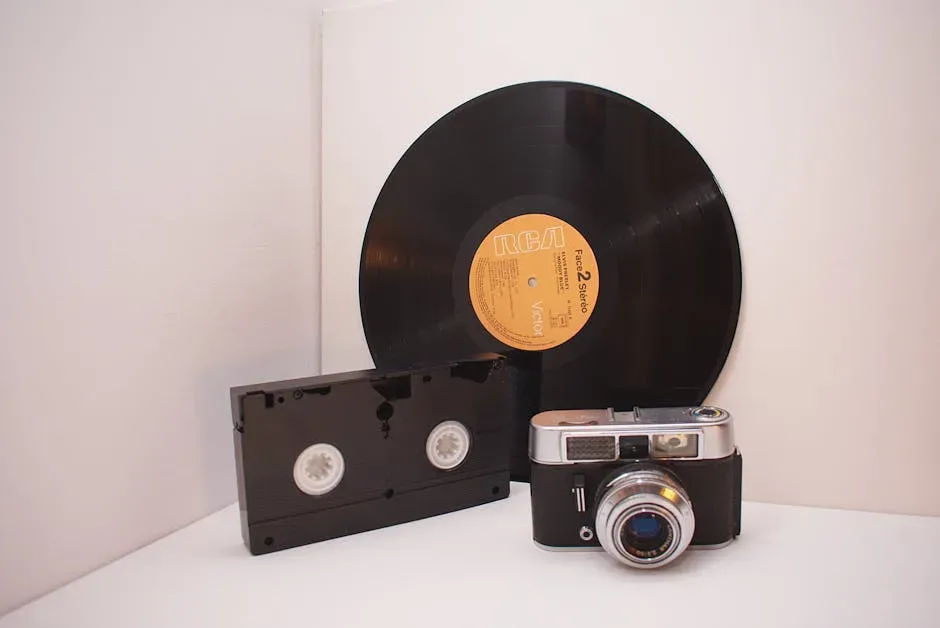
Analog mastering for vinyl records is not just a technical process but an art form that combines science and creativity. The warmth, depth, and character that analog techniques bring to music make them a preferred choice for many mastering engineers.
In 2026, new hardware and hybrid systems continue refining these classic principles. By understanding the roots of analog sound, engineers select gear with intention, building studios that sound timeless rather than trend-bound. The best modern pressing plants are not abandoning these lessons. They are learning from them.
While both analog and digital formats have their own set of pros and cons, vinyl records offer a more immersive and multidimensional experience. The combination of texture in the sound and the tangible nature of the medium means that vinyl provides a fuller listening experience compared to its digital counterpart. It is hard to say for sure whether future technologies will ever truly replicate this combination of material science, human craft, and physical acoustics. What we know is that the best vintage records still set the benchmark. And the numbers prove that millions of people already know it. What would you have guessed?